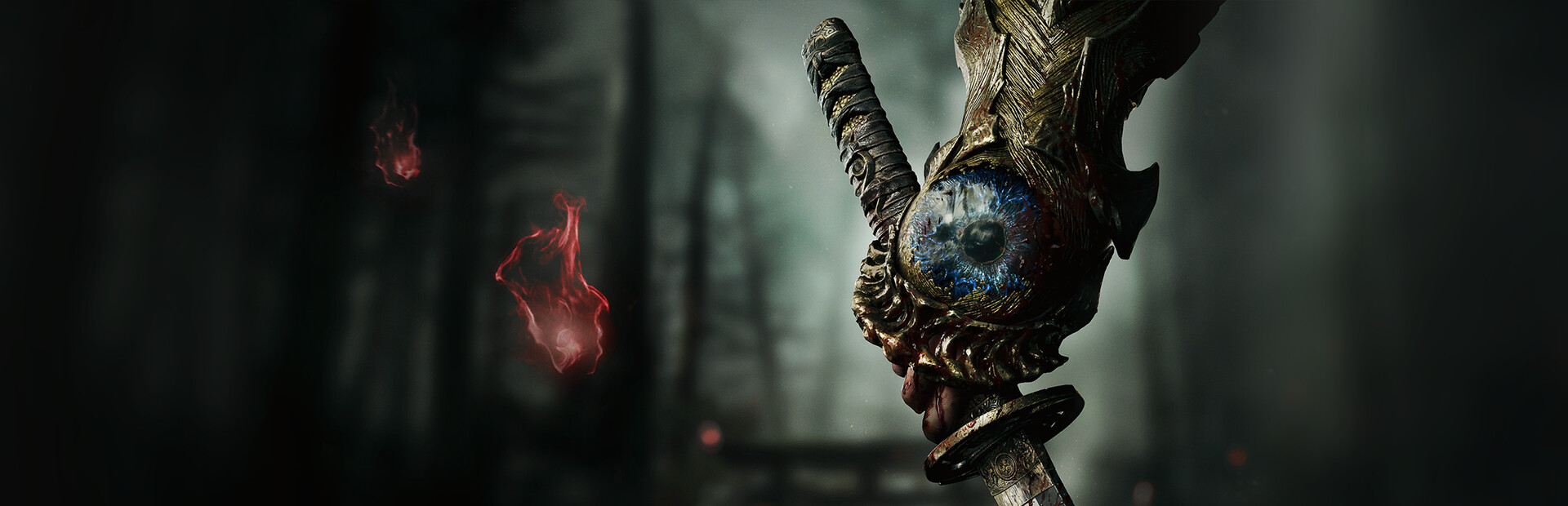
What really caught my eye is the mention of motion controls, which could make swordplay feel a lot more physical on Nintendo’s new hardware. No wonder, because Onimusha has always sat right between historical mood and arcade-style action, and that mix still feels very Japan-coded.
![Dragon Ball Z: Kakarot [Master Edition]](https://s.pacn.ws/1/p/1eh/dragon-ball-z-kakarot-master-edition-908785.1.jpg?v=t8ja8t&width=400)
![Startup Company [Console Edition] (Limited Edition)](https://s.pacn.ws/1/p/157/startup-company-console-edition-limited-edition-741799.16.jpg?v=ry4mm8&width=400)
![Startup Company [Console Edition]](https://s.pacn.ws/1/p/157/startup-company-console-edition-741779.10.jpg?v=ry4ngq&width=400)
Capcom confirms Onimusha: Way of the Sword for Nintendo Switch 2
Onimusha: Way of the Sword is set for launch on 25 September, and Capcom’s announcement gives Nintendo Switch 2 owners something very specific to look forward to. That date matters, because it turns a vague reveal into a real release plan, and fans can finally circle the calendar instead of guessing.
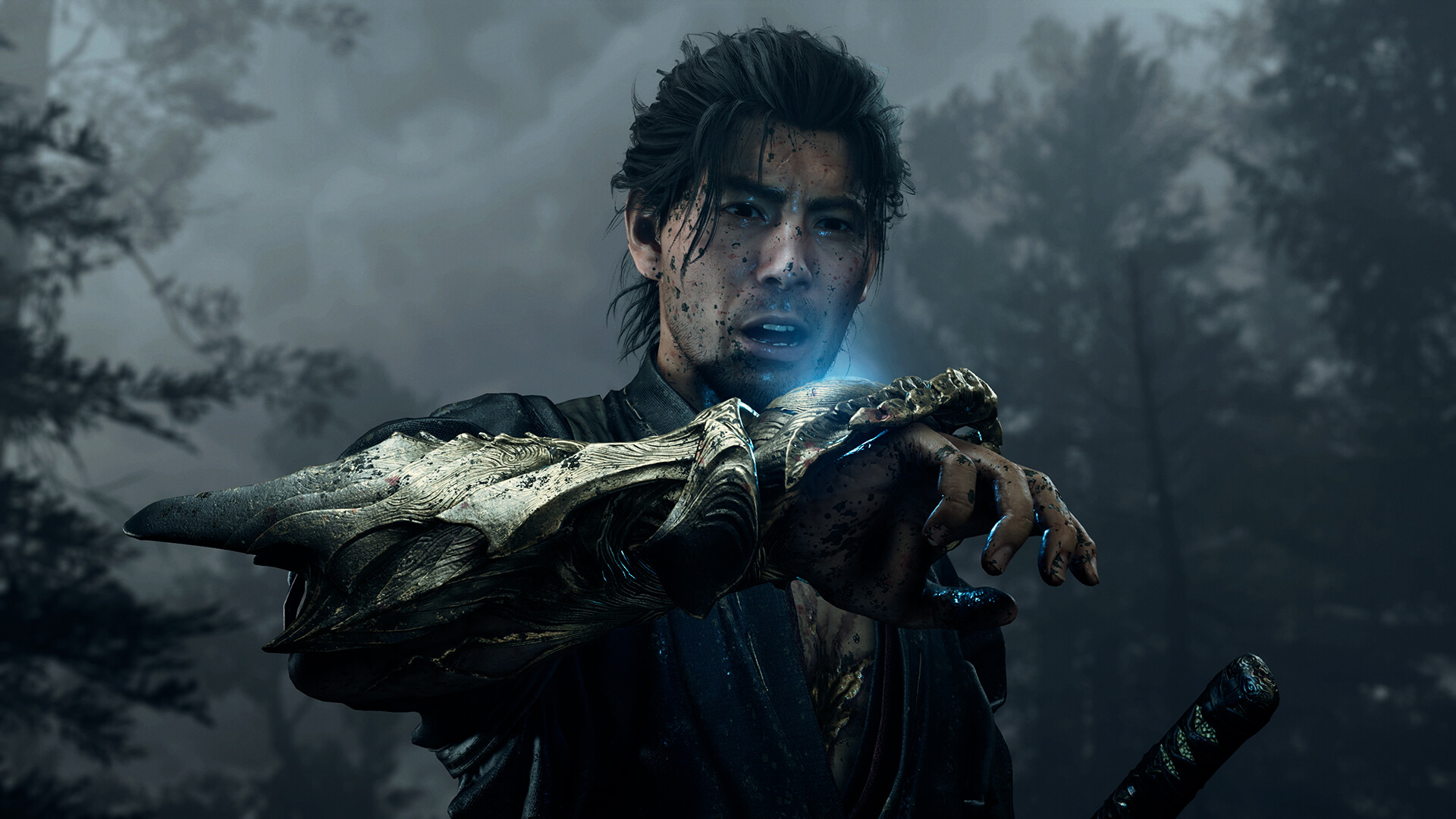
For Japan game watchers, this is the kind of news that lands fast. Onimusha is one of those series that immediately brings to mind dark castles, armoured warriors, and that sharp 侍 (samurai, warrior of the Japanese warrior class) atmosphere Capcom does so well. Classic Japan, isn't it?
What most people don't know: Onimusha has been around since the PlayStation 2 era, with the original game arriving in 2001. It became known for mixing sword combat, puzzle solving, and a supernatural version of 戦国 (Sengoku, Warring States period)-period Japan. That historical flavour, even when exaggerated, is a huge part of why the series still gets attention. See what I mean?
Why the 25 September launch matters for Japan game fans
Picture this: a new Capcom action game, a fresh Nintendo platform, and a release date that sits right in the thick of the autumn game season. That’s a strong combo. September is often packed with big launches, so getting an Onimusha title into that window shows Capcom clearly believes there’s room for it to stand out.
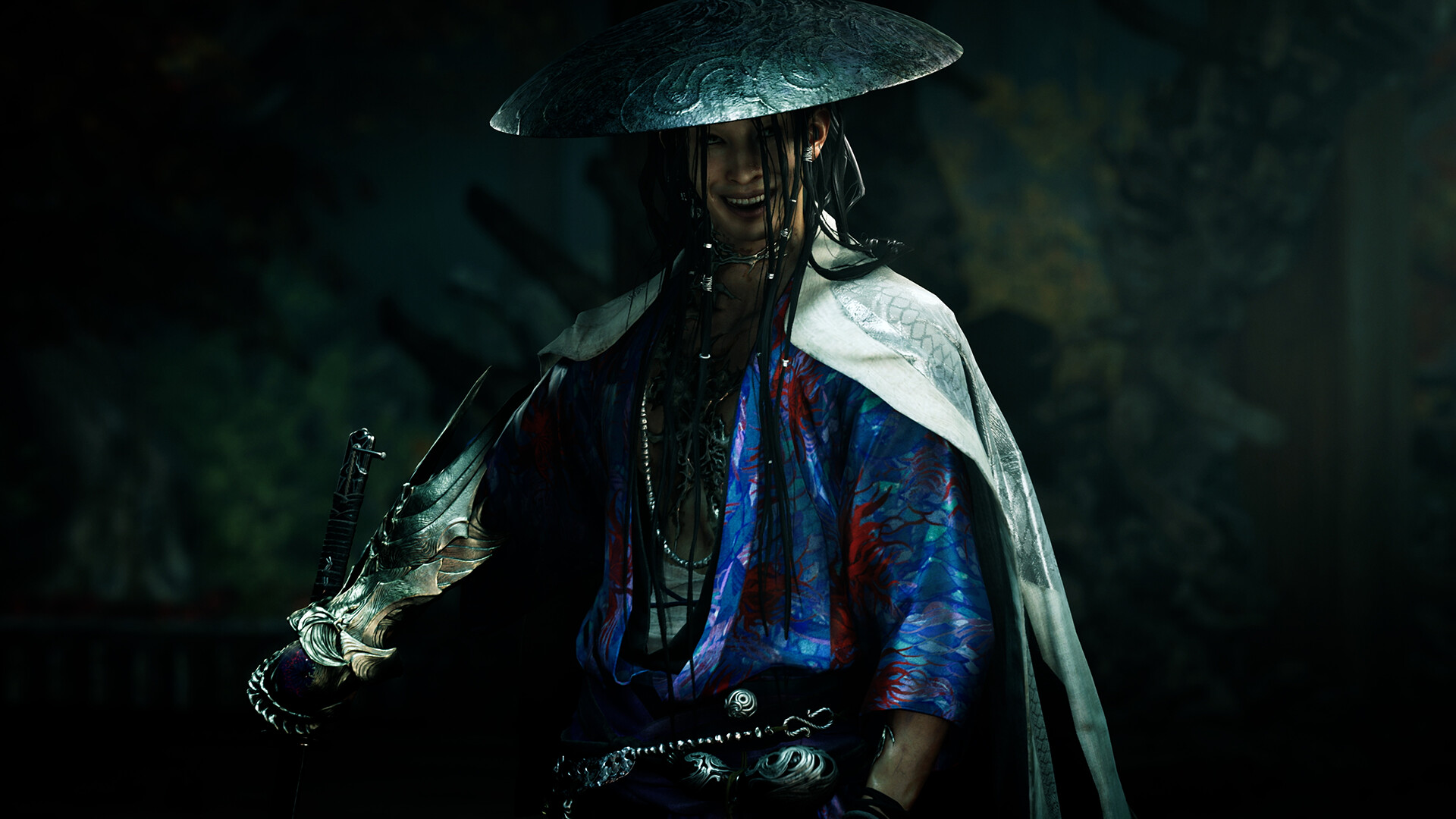
For players who study Japanese, there’s a nice bonus here too. Onimusha games tend to use lots of period language, weapon names, and cultural references tied to old Japan. You’ll often run into words linked to samurai life, castle settings, and traditional rank or clan ideas, and that makes the series a neat little vocabulary playground. My tip: keep a note of terms like 刀 (katana, sword), 鎧 (yoroi, armour), 武士 (bushi, samurai warrior), and 城 (shiro, castle) when you watch trailers or play with subtitles on.
Quick detour: this is also the kind of game that can help learners connect language to image. A word like 将軍 (shogun, military ruler; shogun) feels more memorable when you see armour, banners, and a dramatic temple courtyard on screen. That’s one reason action games set in Japan can be such useful study companions. Wait, there's more.
Motion controls on Switch 2 could change the feel of combat
Capcom has also mentioned motion controls, and that’s where things get really interesting. On Nintendo hardware, motion support can make sword swings feel more direct, even if the game still relies on standard buttons for timing and precision. For a series like Onimusha, that could be a smart fit.
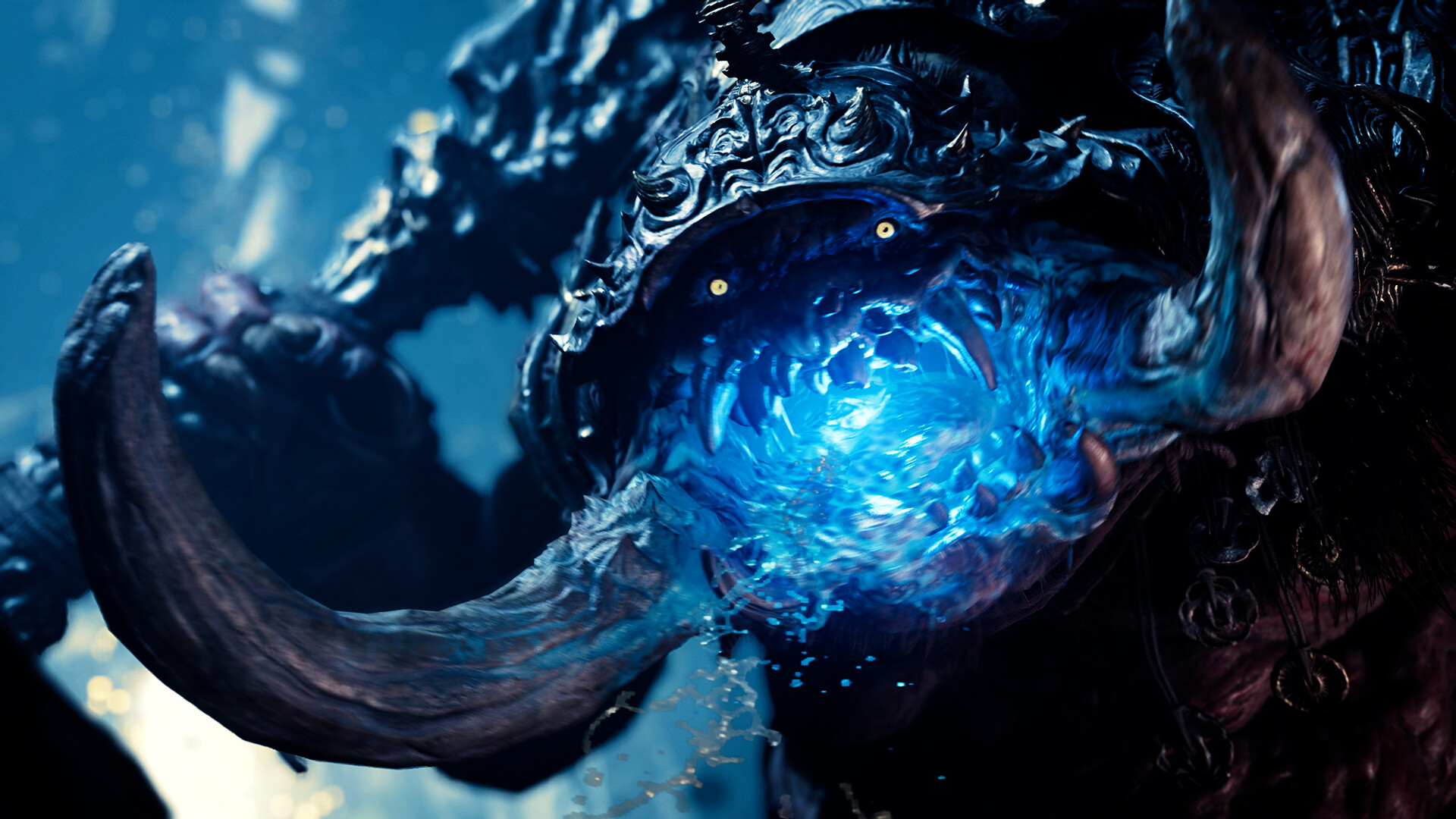
Seriously though: motion controls don’t automatically make a game better, but they can make it more memorable. If Capcom uses them well, the player may feel a stronger connection to each strike, parry, or finishing move. That matters in a sword-focused game, because rhythm and response are half the fun.
What this means in practice
If the controls are optional, that’s probably the best-case scenario. Some players will want traditional stick-and-button combat, while others will try motion inputs for the novelty, especially on a new Nintendo platform. No exaggeration: flexibility like that is often what helps a release reach both longtime fans and curious newcomers.
It also fits Nintendo Switch 2’s image as a machine that can lean into playful hardware ideas without forcing them on everyone. For Japan game fans, that feels very on-brand. Nintendo has spent years making control schemes part of the conversation, not just the background. See what I mean?
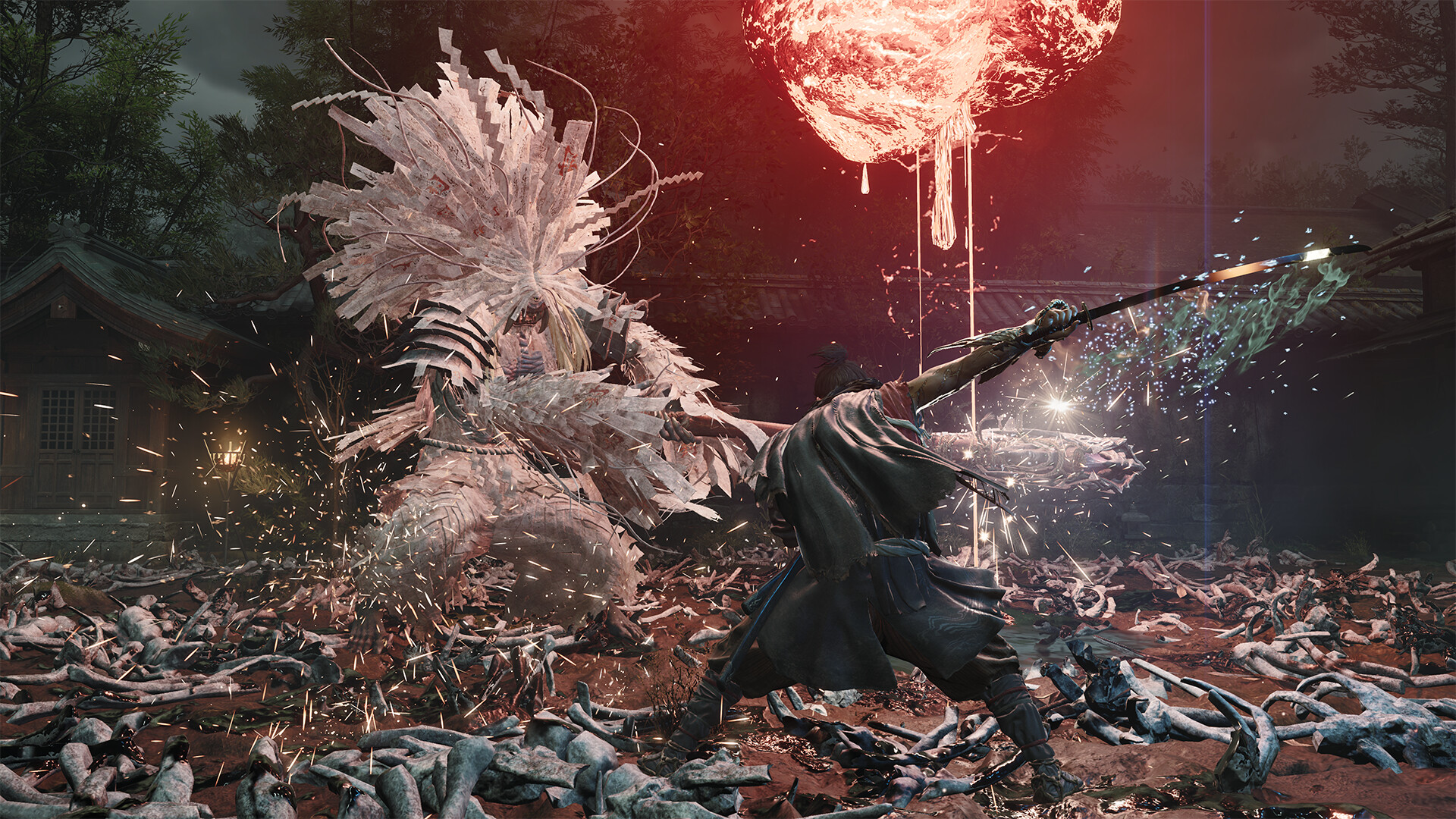
Why Onimusha still matters in Capcom's Japan game lineup
Let me show you why this series still has weight. Capcom has no shortage of famous names, from Resident Evil to Monster Hunter, but Onimusha sits in a special lane. It’s one of the company’s most recognisable Japan-themed action brands, and its return says Capcom still sees value in that heritage.
Fans often connect Onimusha with actors, cinematic staging, and a heavier, more dramatic tone than a lot of modern action games. The setting usually leans into a stylised version of feudal Japan, which makes it feel like a bridge between historical drama and fantasy. If you like Japan’s samurai image as much as I do, this series scratches that itch fast.
What I especially like: Capcom hasn’t tried to turn Onimusha into something unrelated. Instead, it keeps the core appeal, then updates the packaging for a new hardware generation. That’s often the safest way to revive an older series, especially when the audience already has a clear idea of what makes it special. But let's stick with Onimusha: Way of the Sword for now.
For Japan learners, this is also a reminder that games are full of context. A title like Onimusha can lead you toward history, theatre, samurai culture, and language all at once. That’s a pretty good reason to keep an eye on Japanese releases, even when you’re just following the news. Wild, isn't it?
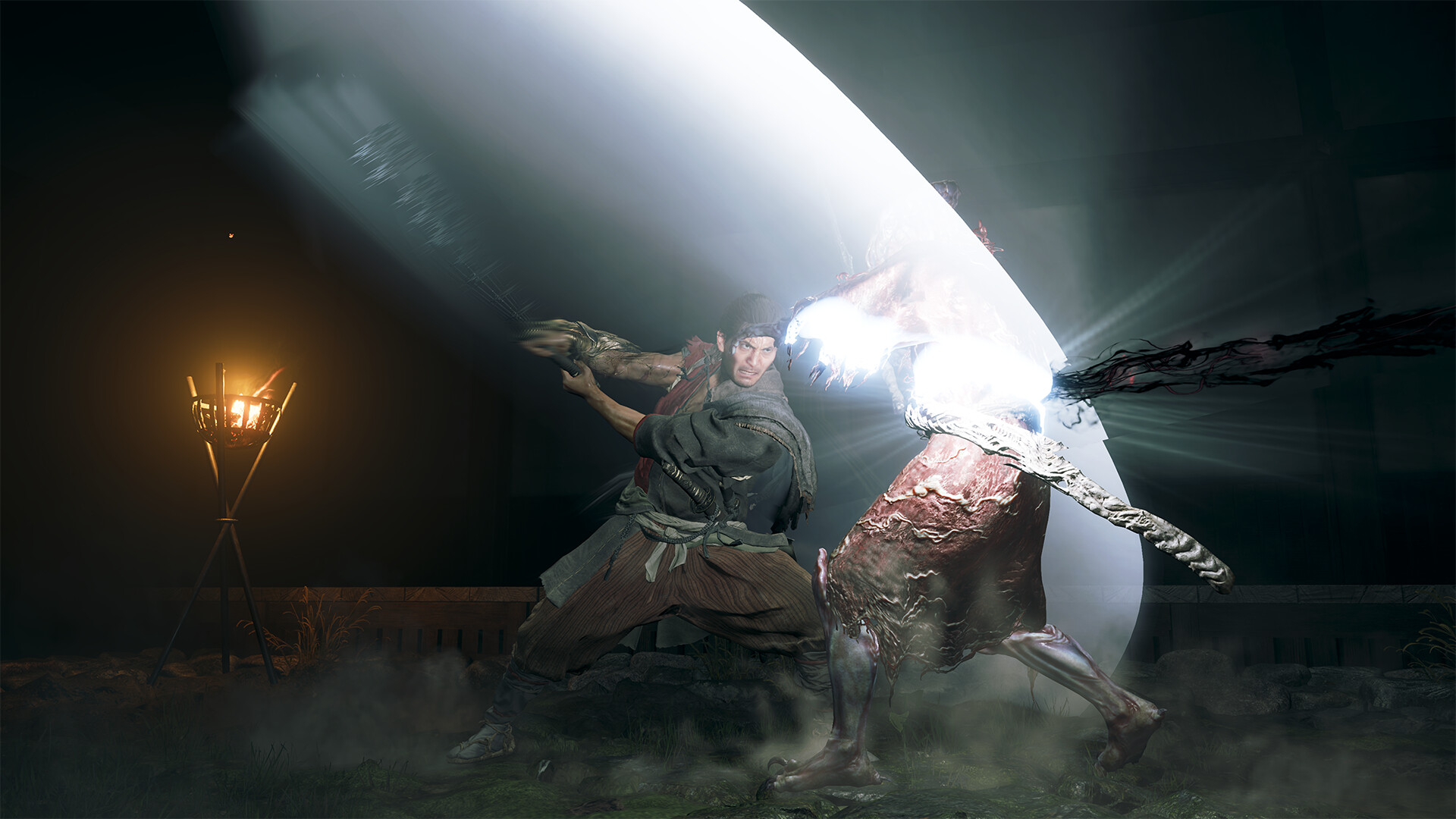
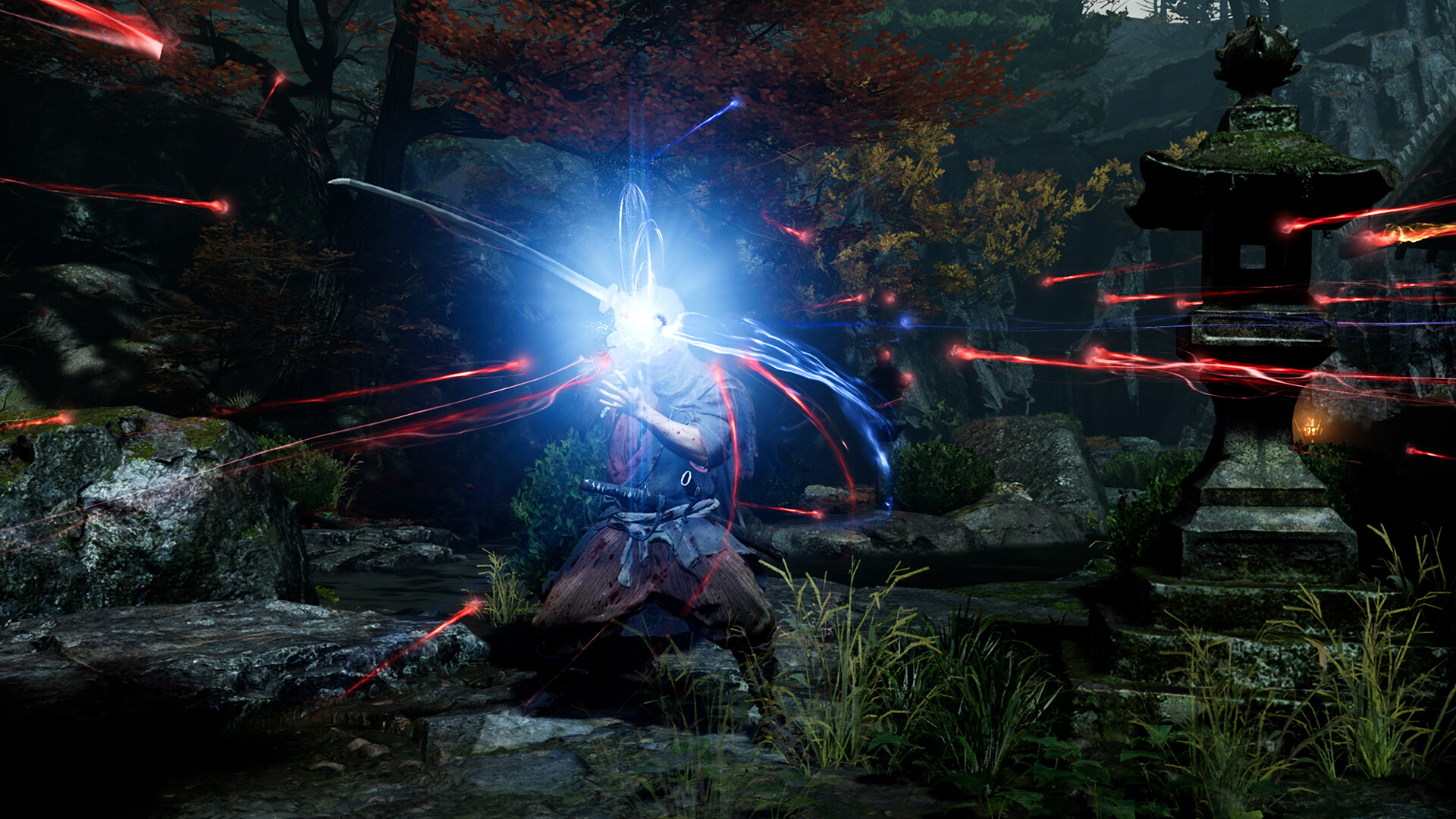
In pictures
Frequently Asked Questions
When does Onimusha: Way of the Sword launch?
It is scheduled to launch on 25 September.
Which platform is Capcom bringing it to?
Capcom has announced Nintendo Switch 2 support.
Does Capcom mention motion controls?
Yes, motion controls were mentioned as part of the game's features.