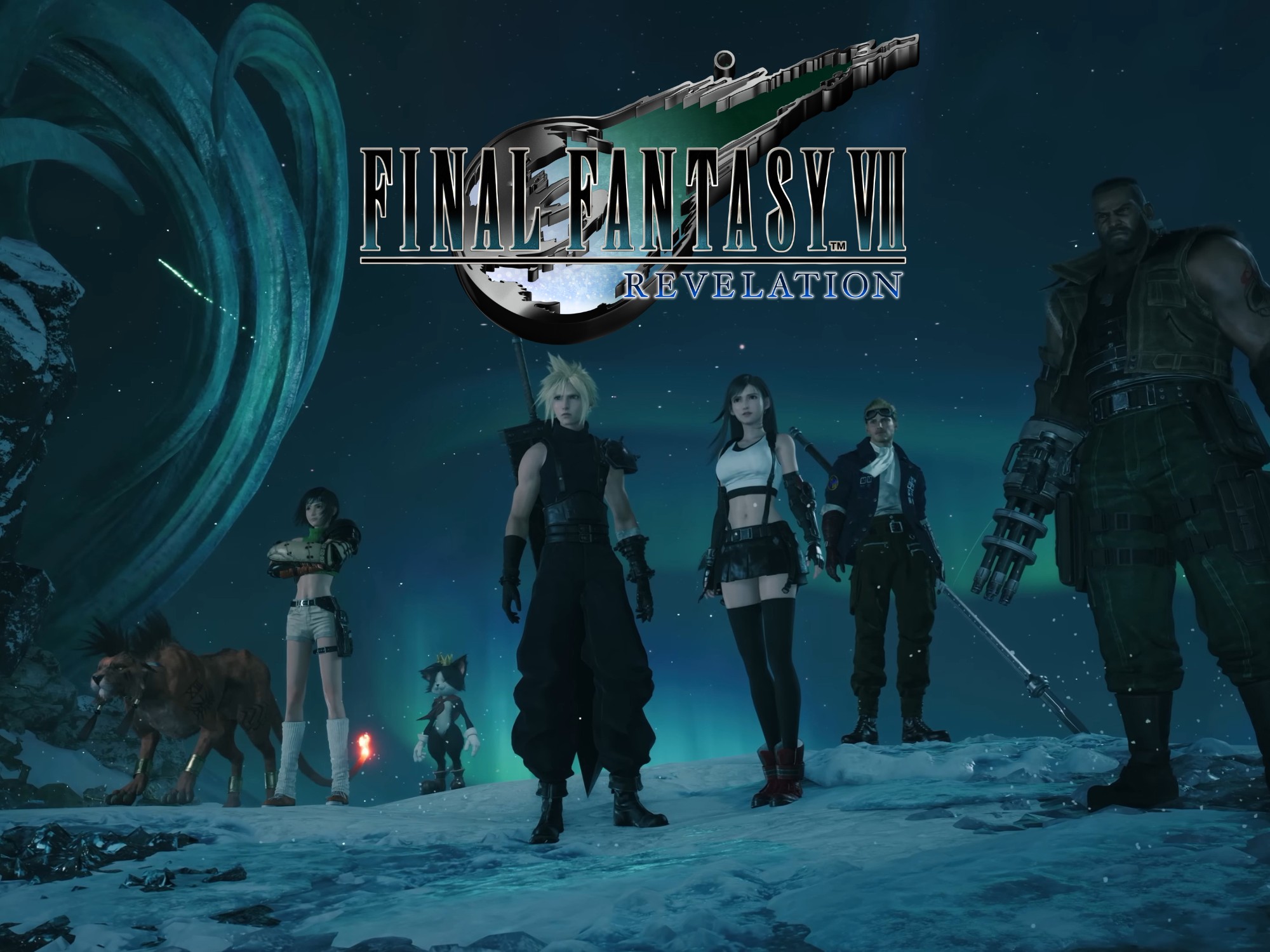
And honestly, that’s exactly the sort of announcement that gets JRPG fans talking. You’ve got legacy favourites, modern rebuilds, and a new monsters spinoff all landing in the same conversation, which is a very Square Enix thing to do.


Square Enix’s latest JRPG push
Square Enix has lined up several remakes and ports around its classic RPG brands, and the shape of the announcement is pretty clear. The company is leaning hard on Final Fantasy, SaGa, and Dragon Quest, which means nostalgia, fan service, and a very real push for long-running series recognition all at once.
Let’s be honest: this kind of announcement always lands well with Japan fans. You’re not just getting one headline game, you’re getting a cluster of them, and that makes the whole thing feel bigger than the sum of its parts. What many overlook is how important that is for a publisher like Square Enix, because these series carry enormous brand memory in Japan and abroad. My tip: if you’re learning Japanese, this is also a nice moment to pick up franchise terms like remake, モンスター (monsutaa, monster), and ランキング (ryukingu, ranking), because they show up everywhere in game media.
According to Square Enix’s own press material, the company is highlighting its Romancing SaGa 3 remake and Dragon Quest Monsters: The Withered World demo as part of the same update. That tells you the focus isn’t just preservation, but active expansion. They want these worlds back in front of players, and they want them in a way that feels current, not dusty.
Crisis Core - Final Fantasy VII - Reunion still matters
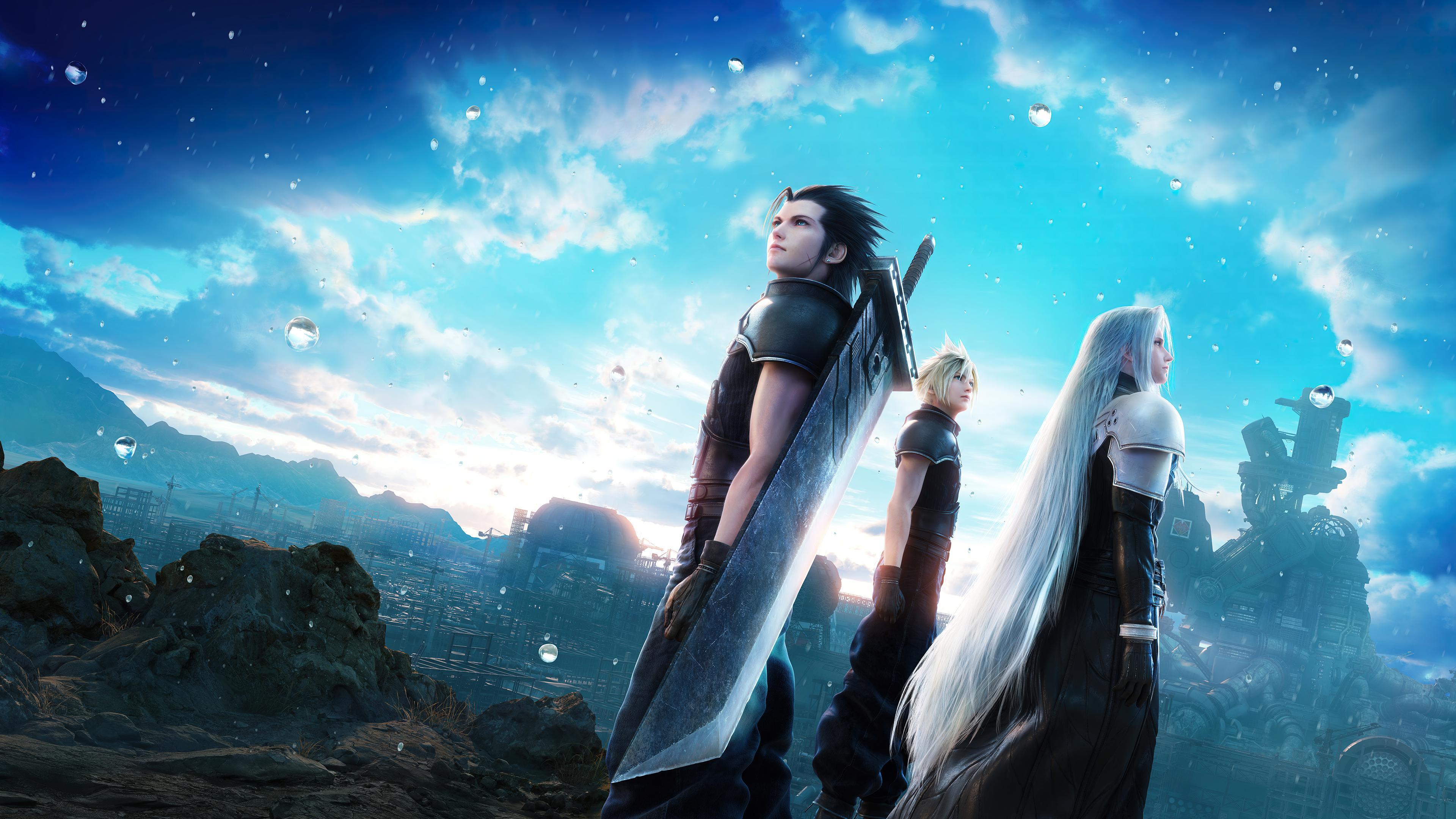
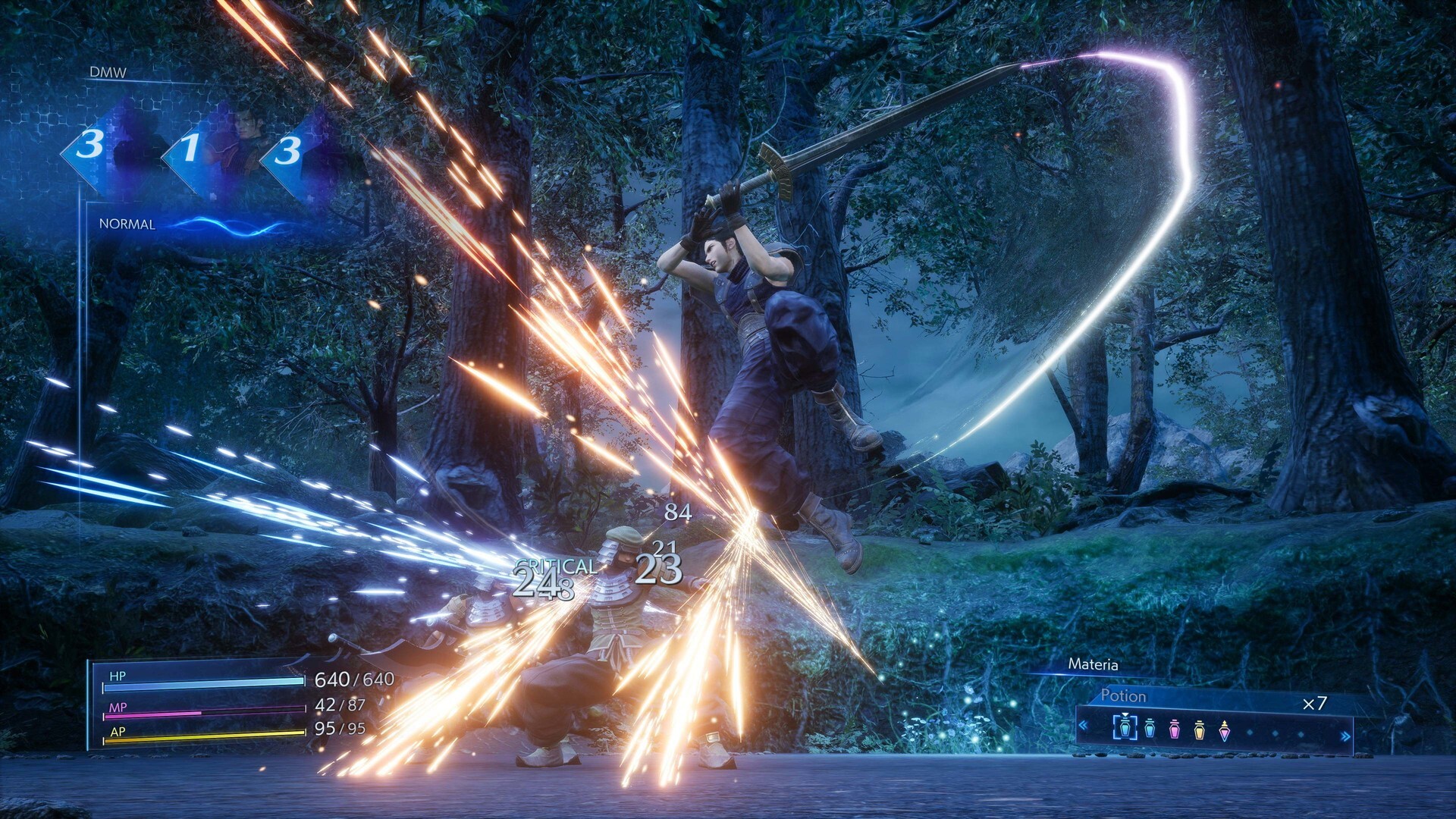
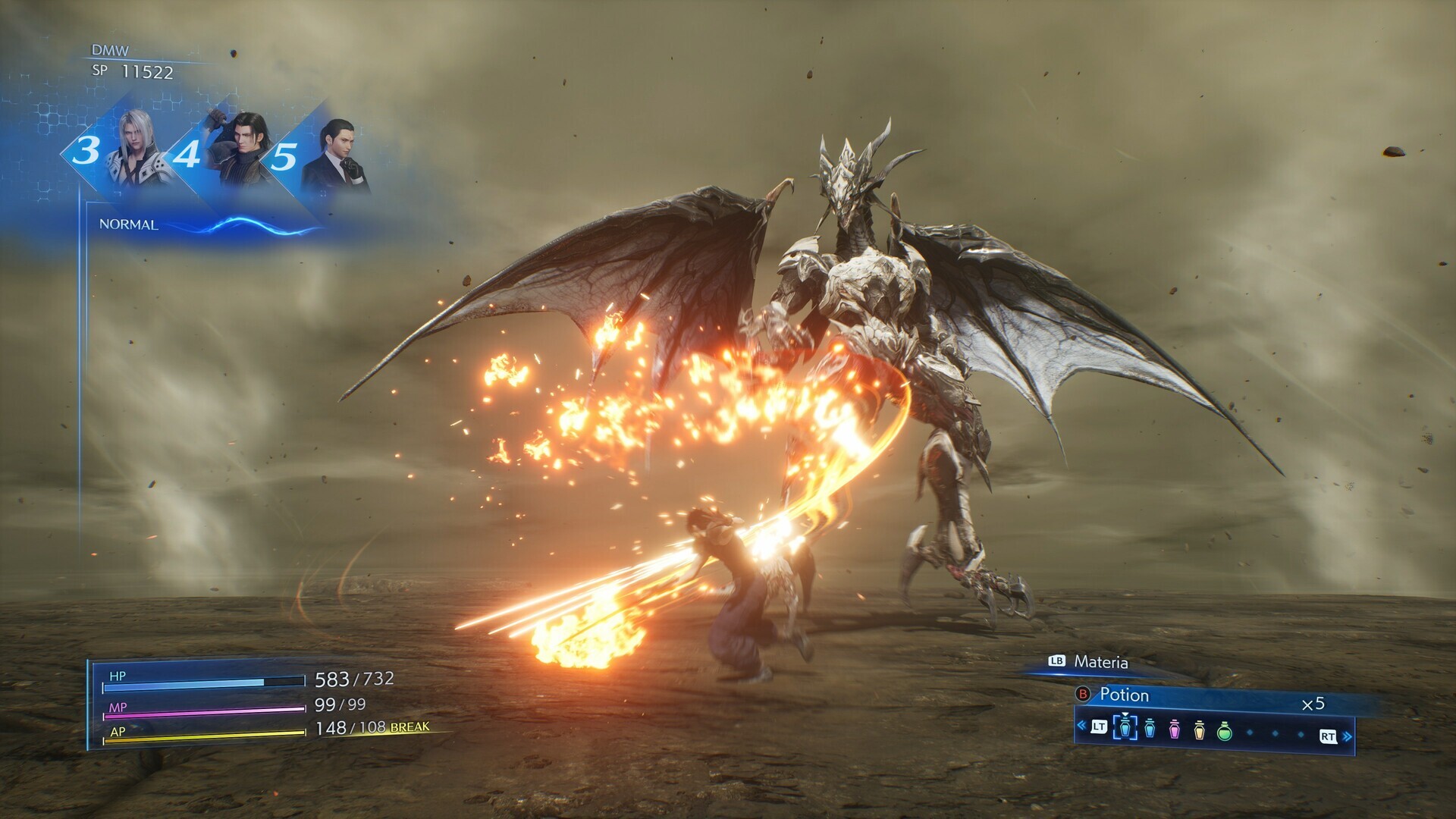
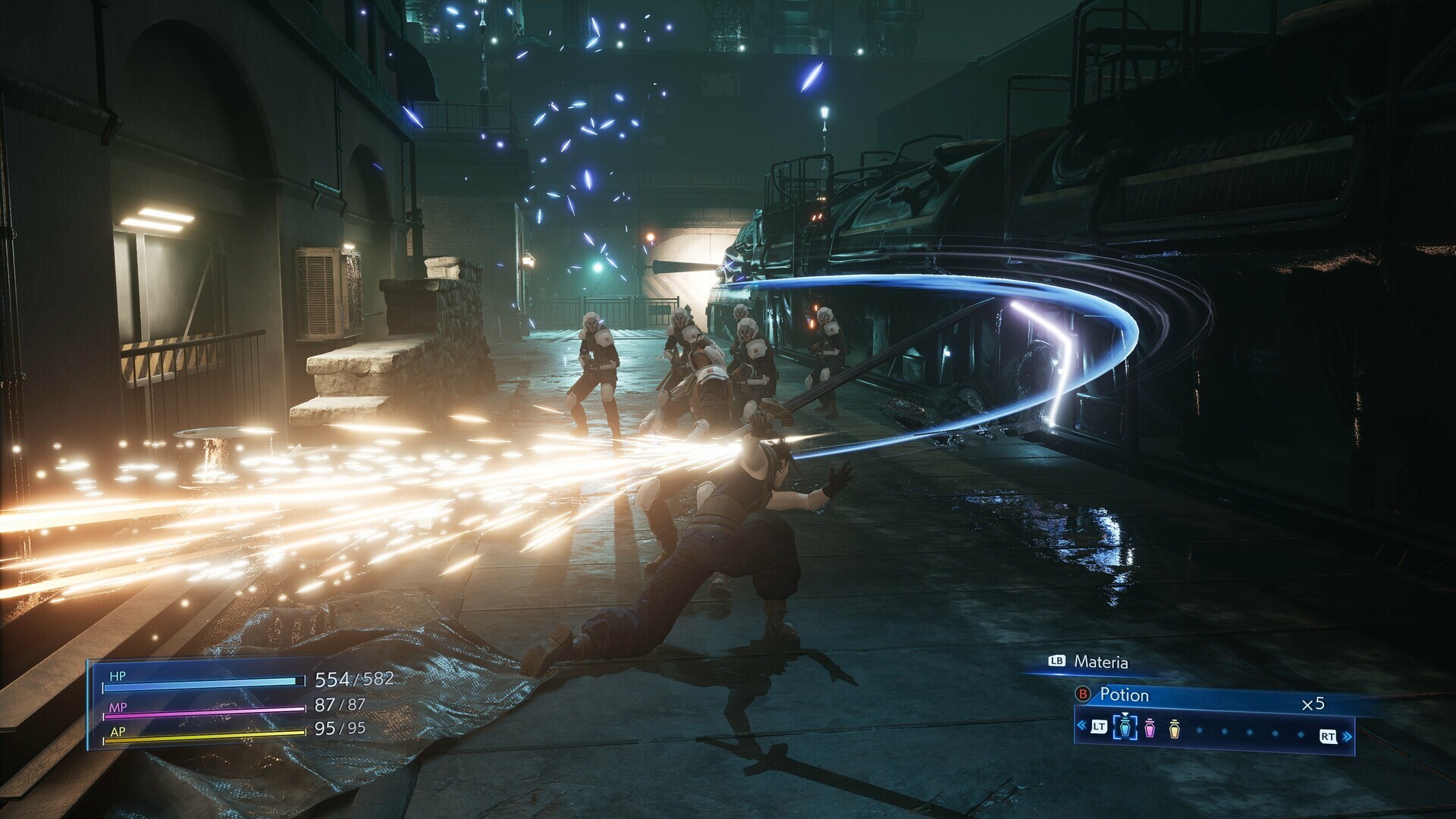
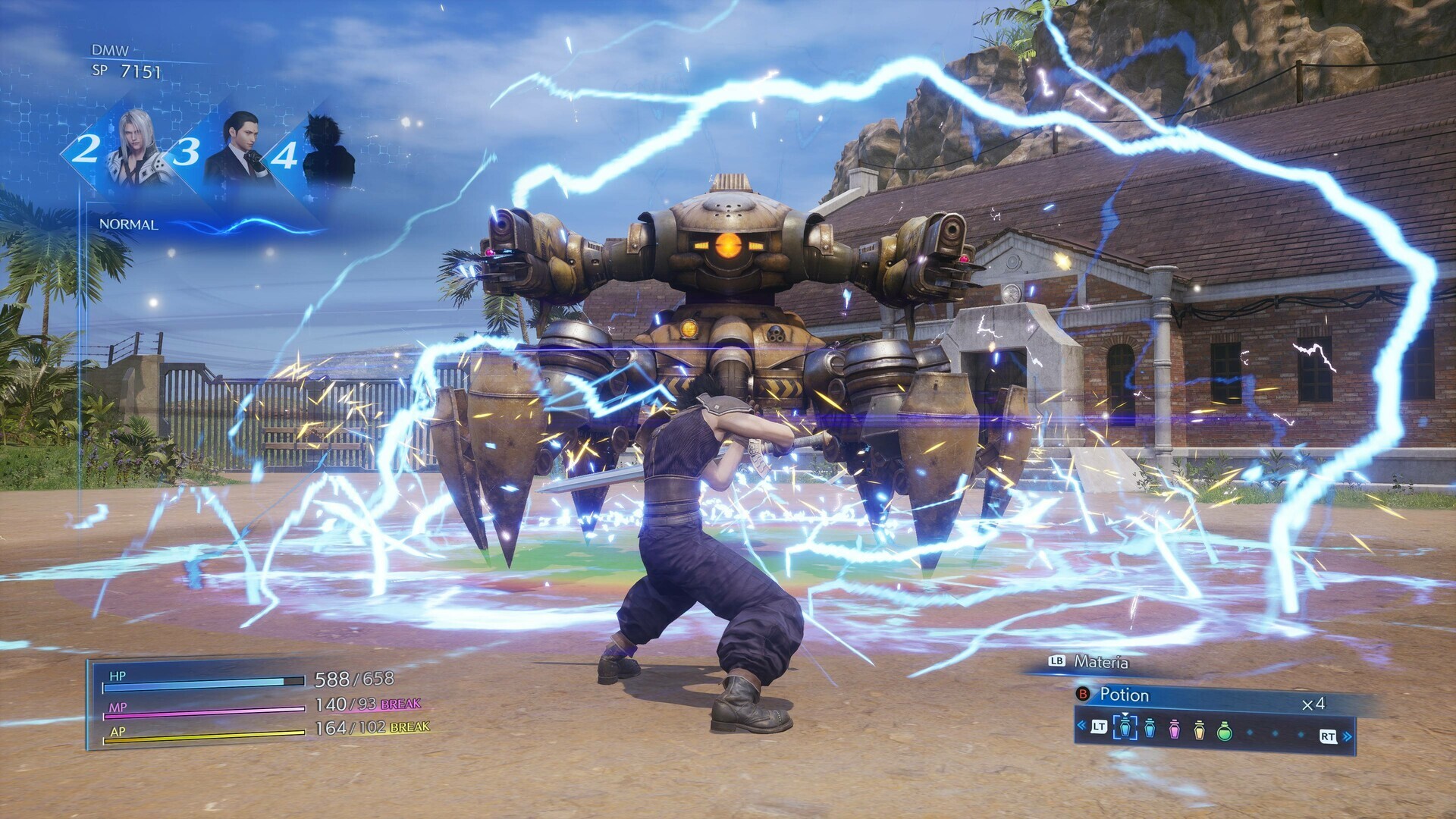
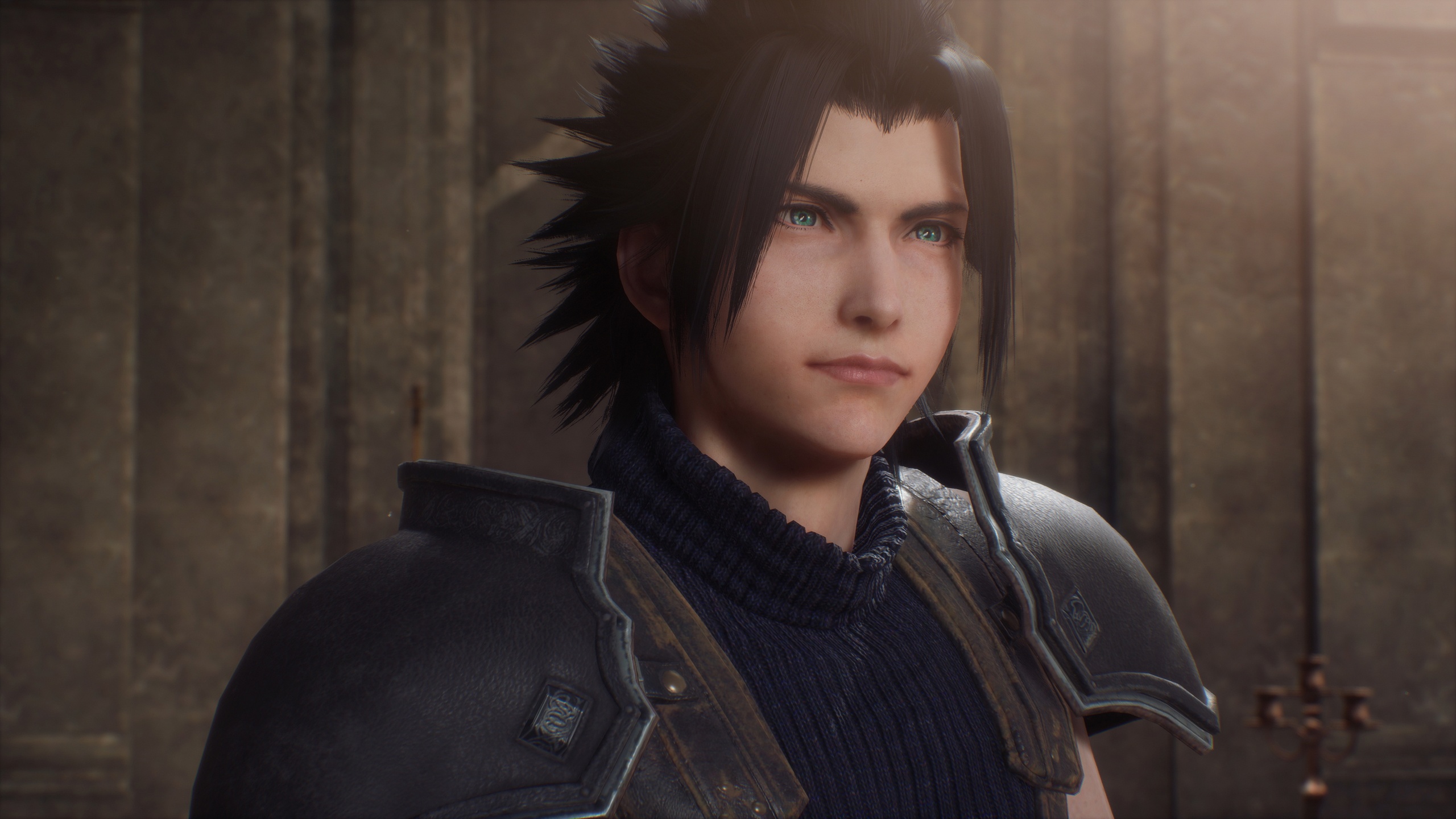
One of the biggest names in the mix is Crisis Core - Final Fantasy VII - Reunion. That game matters because Final Fantasy VII is still Square Enix’s most globally visible RPG universe, and every release tied to it gets a lot of attention, even years after the original PlayStation era.
The best part is that Crisis Core is a very clean example of how Square Enix handles remakes for modern audiences. It’s not just about sharper visuals. It’s about making a PSP-era title readable on current hardware, with smoother presentation and easier access for players who missed the original release. And if you’re a Japanese learner, this is where terms like saikouhan or sousaku get interesting, because Japanese game coverage often distinguishes between remaster, remake, and revival in slightly different ways.
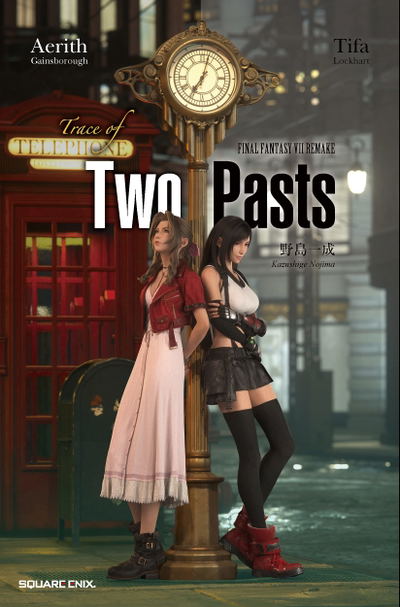
Speaking of which, the Final Fantasy VII brand is still expanding in multiple directions, not just through one-off ports. Additional reporting from Notebookcheck News suggests Square Enix is still thinking about what comes after the remake trilogy. That broader context makes Reunion feel less like a simple reissue and more like part of a larger ecosystem. Sounds good, right?
Romancing SaGa 3 gets another chance
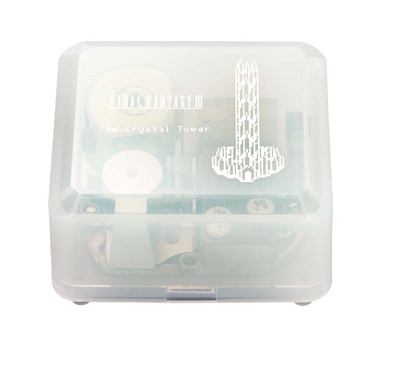
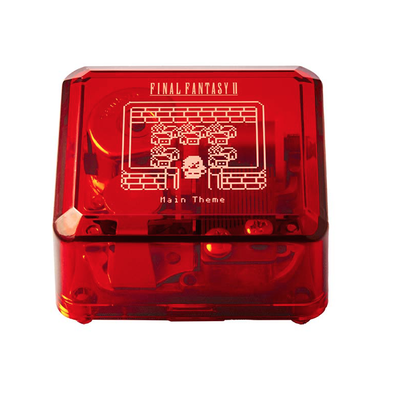
And it gets better: Romancing SaGa 3 is back in the spotlight too. SaGa has always been the more experimental side of Square Enix’s RPG catalogue, and that is exactly why fans love it. It’s a series that doesn't always chase the biggest audience, but it rewards the people who stick with it.
The thing is, a remake for Romancing SaGa 3 is a smart move if Square Enix wants to keep the SaGa name alive outside Japan. The series has historically had a strong cult following, but it’s never had the same universal recognition as Final Fantasy or Dragon Quest. A remake can change that, or at least give it a much better shot. Classic Japan, isn’t it?
For language learners, SaGa titles are also a nice reminder that Japanese game names often keep a Western spelling while carrying very local design sensibilities. You’ll see that all the time in game shops, on trailer titles, and in fan discussions. If you can recognise the franchise name in romaji immediately, you’re already reading faster than you think.
Dragon Quest Monsters and the Switch 2 factor
What many overlook is the Dragon Quest side of this announcement. Dragon Quest Monsters: The Withered World gives the whole package a younger, more portable feel, and that’s where the Switch 2 angle comes in. Even before a full next-generation machine rollout, Square Enix is clearly positioning Dragon Quest to live comfortably on Nintendo hardware.
That matters because Dragon Quest and Nintendo platforms have long gone together in Japan. Not every entry is exclusive, but the cultural fit is obvious. The monster-collecting format also broadens the appeal, since it sits somewhere between traditional turn-based RPG structure and the creature-collecting loop that players already understand from other series. Here’s the thing: that hybrid is exactly the kind of design that can travel well across age groups.
I especially like how this keeps the announcement from feeling one-note. You’ve got a Final Fantasy revival, a SaGa remake, and a Dragon Quest Monsters title all in one sweep. That’s a strong JRPG block, full stop. For jpnerd readers, it’s also a reminder that Japanese game vocabulary often uses English-looking terms with very Japanese meanings, so these releases are a practical little lesson in themselves.
In pictures
Frequently Asked Questions
What did Square Enix announce?
Square Enix announced several JRPG remakes and ports, including Crisis Core - Final Fantasy VII - Reunion, a Romancing SaGa 3 remake, and Dragon Quest Monsters: The Withered World.
Why is this announcement important?
It shows Square Enix is leaning on its biggest RPG brands at once, with a mix of nostalgia, preservation, and platform strategy.
Is there a Nintendo connection?
Yes. Dragon Quest Monsters: The Withered World strengthens the sense that Square Enix is thinking about Nintendo hardware, including a potential Switch 2-era audience.