For Japanese learners and Japan fans, this is one of those gaming moments where pop culture, language, and franchise history all crash into each other. Wild, isn’t it?


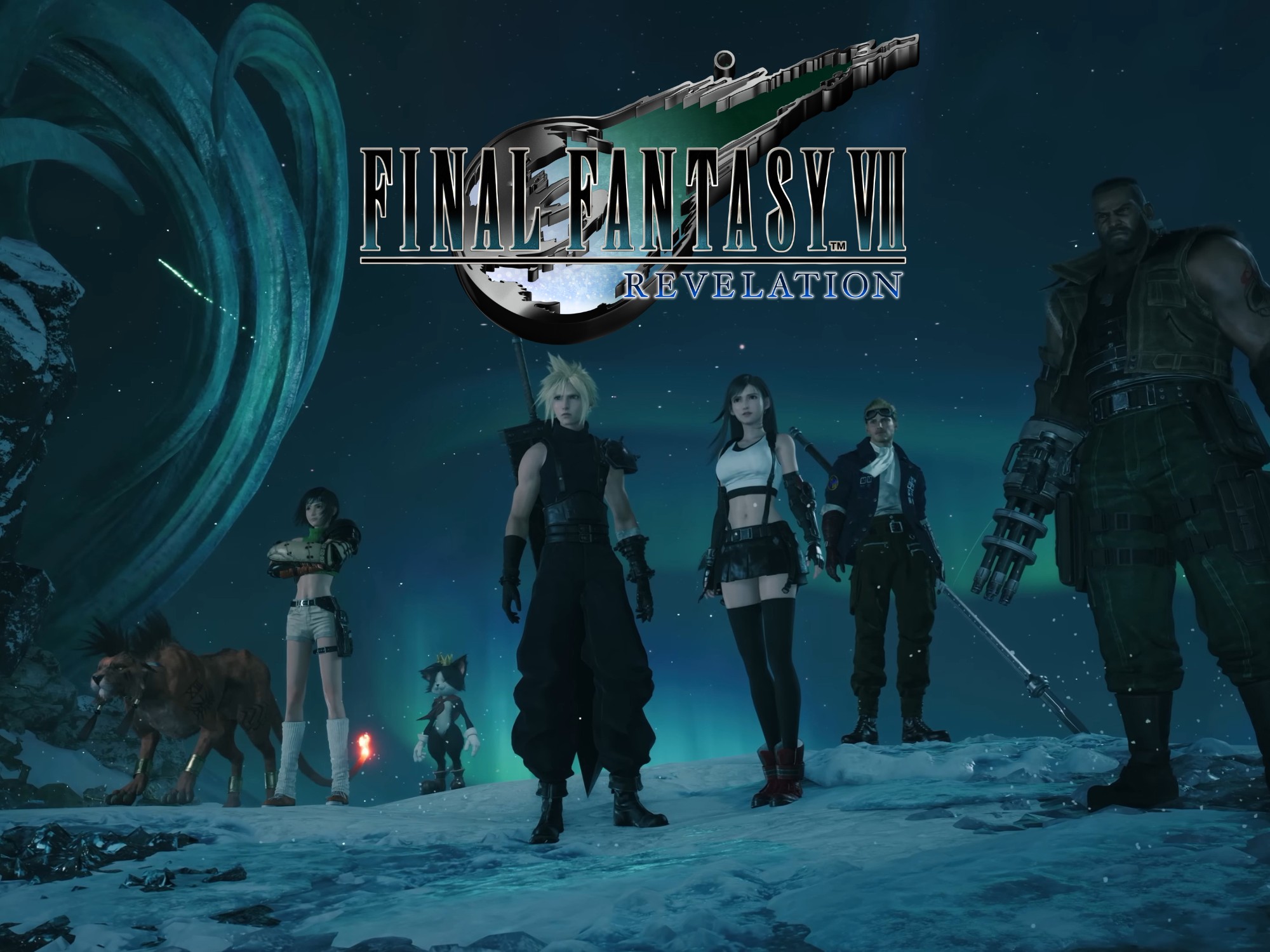
FINAL FANTASY VII REVELATION has been announced, and that alone is enough to get longtime JRPG fans talking. Square Enix used its official press material to confirm the project, framing it as the next step in one of the most recognisable game series ever made. If you’ve followed Final Fantasy VII since the original PlayStation release in 1997, this feels like the start of another big chapter, not just another spin-off.

What stands out right away is the platform line-up. Nintendo Switch and Xbox Series X|S are both named, which matters a lot because Final Fantasy VII has spent years being closely associated with PlayStation hardware. That’s a real shift, and for players in Japan and abroad, it signals a wider reach for the franchise. Speaking of which, platform announcements like this often shape how fans talk about games in Japanese news sites too, where words like 発売 (hatsubai, release), 決定 (kettei, decision; confirmed), and 最新 (saishin, latest; newest) chapter pop up constantly. From my experience, those little vocabulary patterns make game news much easier to read.
Square Enix itself is still doing what it does best, turning brand power into event-level hype. The company has built Final Fantasy VII into more than a game, it’s a long-running media world that includes the 1997 original, the 2020 remake, and now this new entry. If you’re learning Japanese, this is a great moment to notice how franchise language works in Japanese coverage, where “新作 (shinsaku, new work; new title)” often appears next to “announced”, and “series” can feel almost like a character in its own right. Convinced yet?
FINAL FANTASY VII REVELATION and why this announcement matters
No joke: Final Fantasy VII is one of the most important game names in modern pop culture. The original released in 1997 on the original PlayStation, sold millions worldwide, and helped define what a cinematic RPG could look like. Square Enix has kept that momentum alive for decades, and every new reveal gets treated like a major industry event.
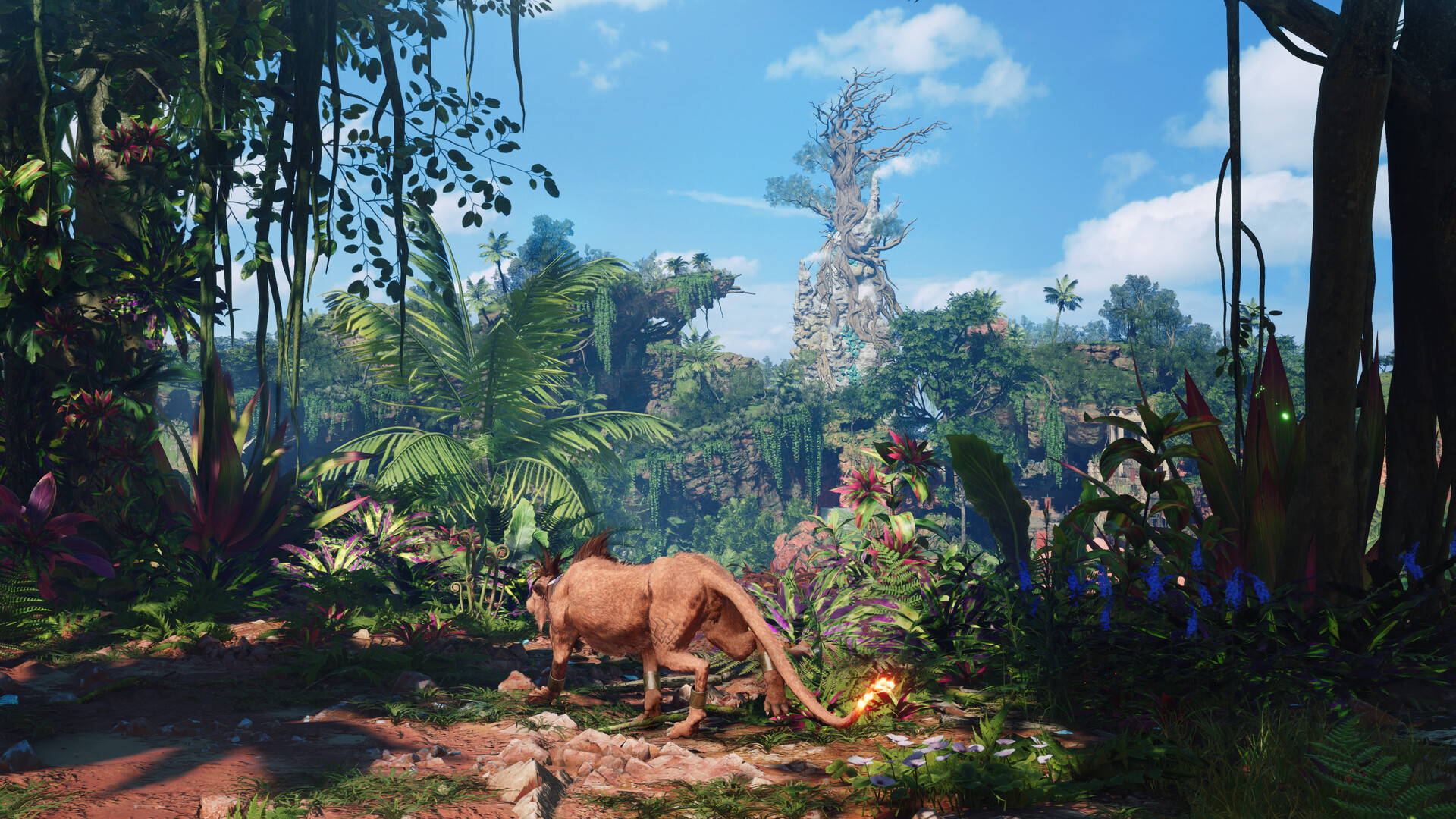
This announcement matters because it keeps the Final Fantasy VII momentum going after years of remake-era storytelling. Fans already know this world is packed with emotional weight, sprawling lore, and character arcs that people still debate on forums, YouTube, and social media. Compared to back home, where many game announcements get a few quick headlines and move on, Japanese game news can feel almost ceremonial, with every title name, platform list, and teaser phrase carrying extra meaning. Classic Japan, isn’t it?
What the title tells us
The name FINAL FANTASY VII REVELATION suggests a story-driven continuation rather than a simple side project. In Japanese marketing, title choices often do a lot of heavy lifting, and this one feels designed to promise a turning point. My tip: when you see words like “revelation”, “rebirth”, or “remake” in game branding, pay attention to the narrative role they’re trying to signal, not just the cool sound.
That’s especially useful for learners because Japanese game coverage tends to repeat certain nouns and set phrases. You’ll often spot words like story, adventure, world, and return, and those familiar patterns make headlines easier to decode. From my experience, those tiny repetitions are where a lot of learning happens.
Nintendo Switch and Xbox Series X|S expand the Final Fantasy VII audience
Ever wondered why platform news gets so much attention in Japan? It’s because hardware identity still shapes gaming culture in a big way. Nintendo Switch and Xbox Series X|S being named in the same announcement gives this reveal a broader feel, and it tells fans that Square Enix wants the game in front of more players, not fewer.
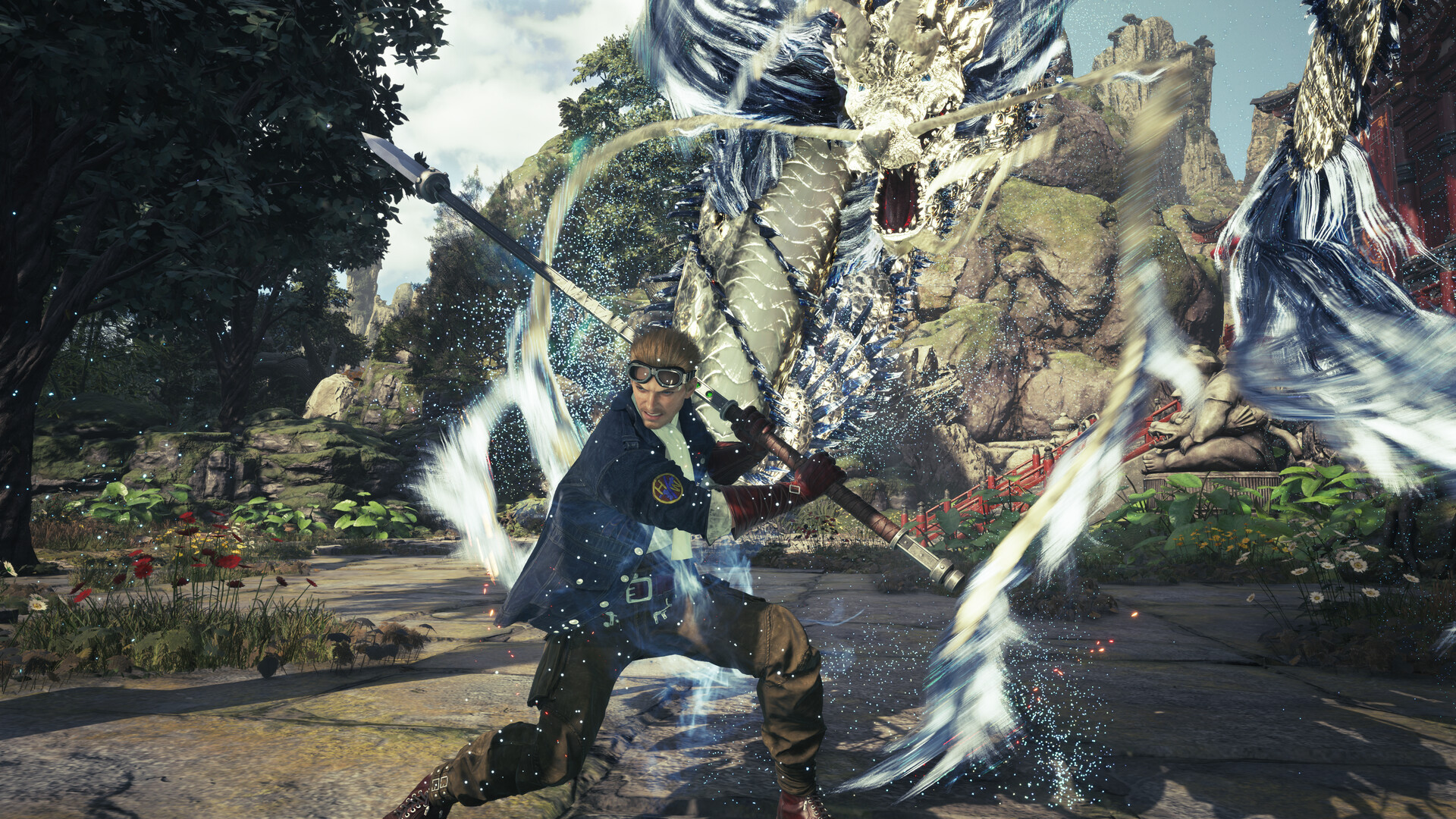
For Nintendo Switch owners, any major JRPG announcement feels personal. That hybrid format fits long sessions at home and shorter play bursts on the train, which is very on-brand for how many people actually play in Japan. On the flip side, Xbox Series X|S support is notable because Xbox has historically had a smaller footprint in Japan than Nintendo or Sony systems. When a flagship title appears there, it sends a message that the ecosystem is still worth watching. But that’s not all.
Quick detour: if you’re learning Japanese, platform names and brand nouns are perfect vocabulary anchors. Terms like konsoru, in this case from console discussions, and tech words such as haiburiddo or sutoriiming from gaming conversations show up everywhere in Japanese media. You don’t need to memorise everything at once, just notice how often they repeat in context. That’s how game news becomes reading practice without feeling like homework.
Why this is big for Japan fans
Japan fans often follow game announcements the same way they follow anime trailers or seasonal travel news, with a mix of hype and detail obsession. Final Fantasy VII REVELATION has that same energy. It’s not just about release timing or hardware, it’s about being part of a franchise that still moves the conversation.
While we're at it: Square Enix is a brand that knows how to turn nostalgia into anticipation. That can be risky, of course, but when the IP is this strong, the company can afford to make big promises and let the fanbase do the rest. Wild, isn’t it?
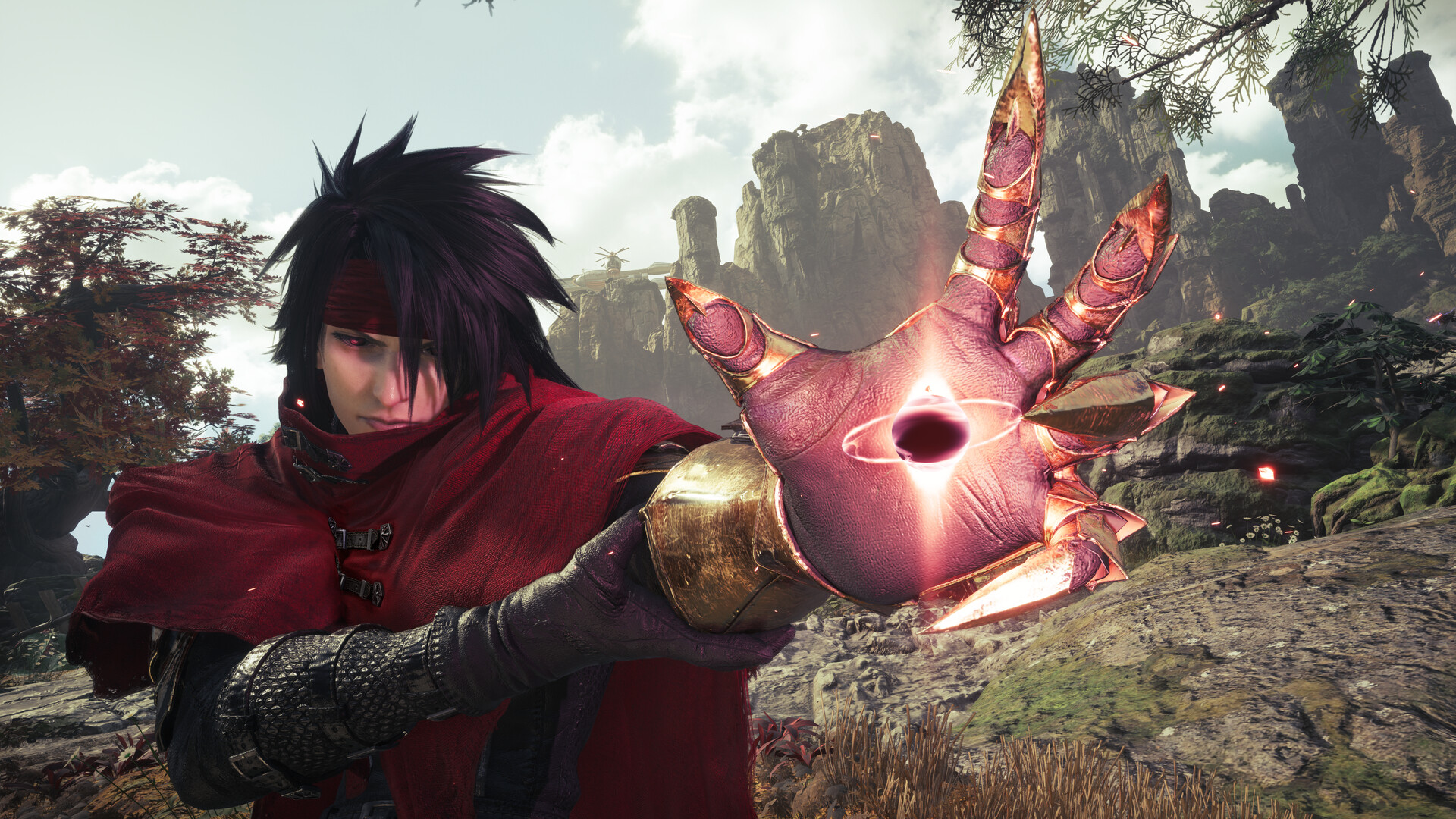
Square Enix, franchise power, and the language of game news
Let’s be honest: Square Enix doesn’t announce Final Fantasy VII projects casually. The company name itself carries weight, and when it appears in a press release, fans immediately expect scale, polish, and a lot of speculation. That’s part of the fun, and it’s why this announcement feels bigger than a standard sequel reveal.
What I especially like is how this kind of news connects gaming and Japanese learning naturally. If you read Japanese game articles, you’ll often see terms like hatsubai, 予告 (yokoku, notice; preview; announcement), and 書籍 (shoseki, book; publication)-style phrasing around announcements, all of which help you build real reading habits. Imagine a narrow alley in Tokyo. You’re looking at a small game shop window, there’s a poster for the latest RPG, and the headline uses the same kinds of words you’ve just learned online. That’s the kind of connection that sticks.
Before I forget: Final Fantasy VII remains a great example of how Japanese entertainment brands travel globally without losing their identity. The characters, the music, the dramatic naming, the press strategy, it all feels unmistakably tied to Japanese game culture, even when the release plan is clearly international. For Japan lovers, that mix is exactly why these announcements are worth following.
If you want to keep tracking news like this, read the announcement carefully, watch for platform language, and notice how Japanese media frames franchise milestones. It’s practical language study, but it doesn’t feel like study. From my experience, that’s the best kind. And if you’re after more updates like this, more Japan news on jpnerd.com.
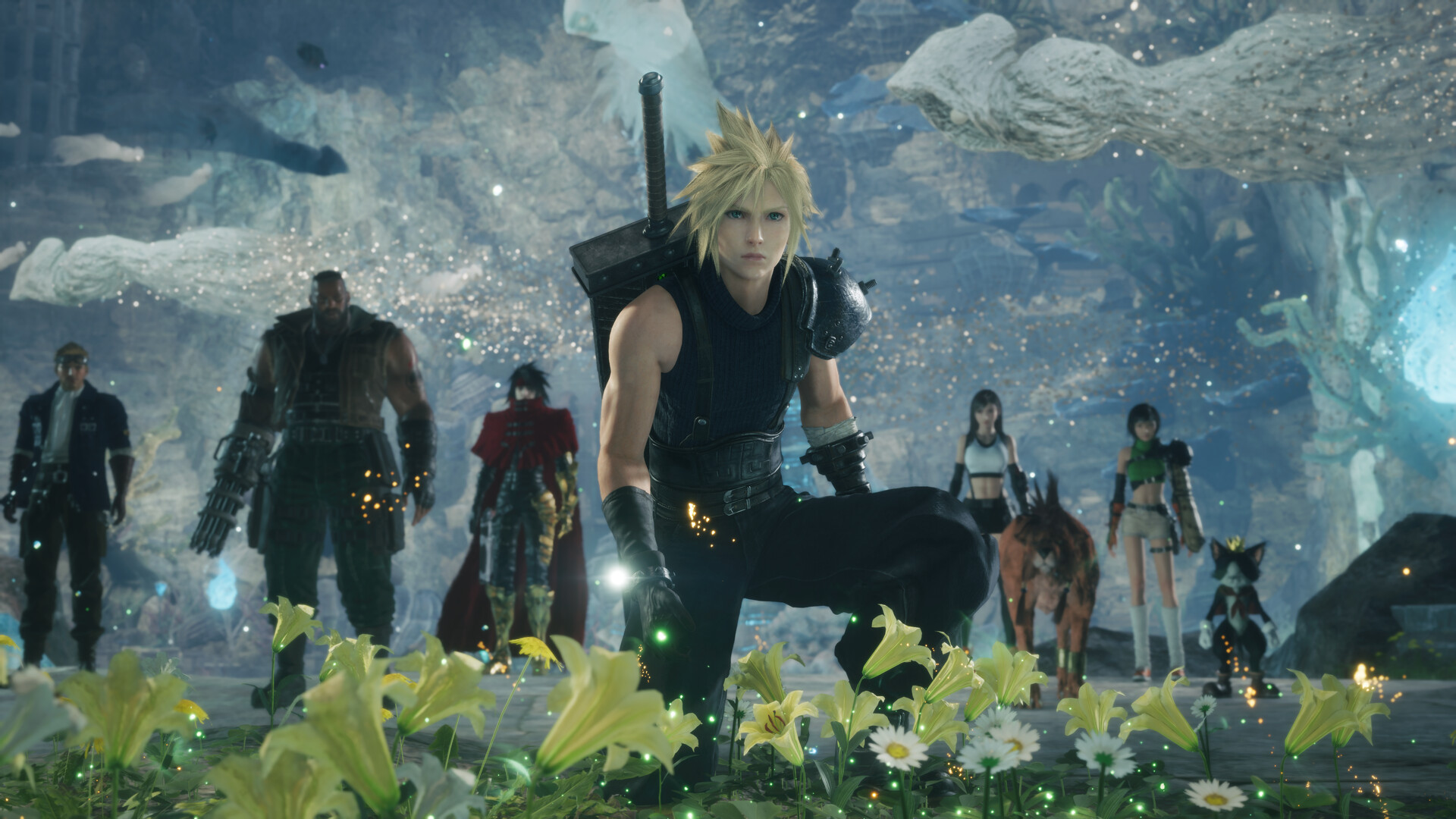
In pictures
Frequently Asked Questions
What is FINAL FANTASY VII REVELATION?
It is a newly announced Final Fantasy VII project from Square Enix that continues the franchise’s story-driven momentum.
Which platforms were mentioned?
Nintendo Switch and Xbox Series X|S were both named in the announcement.
Why is this announcement important?
It expands the Final Fantasy VII brand beyond its traditional expectations and shows that Square Enix is aiming for a broader audience.