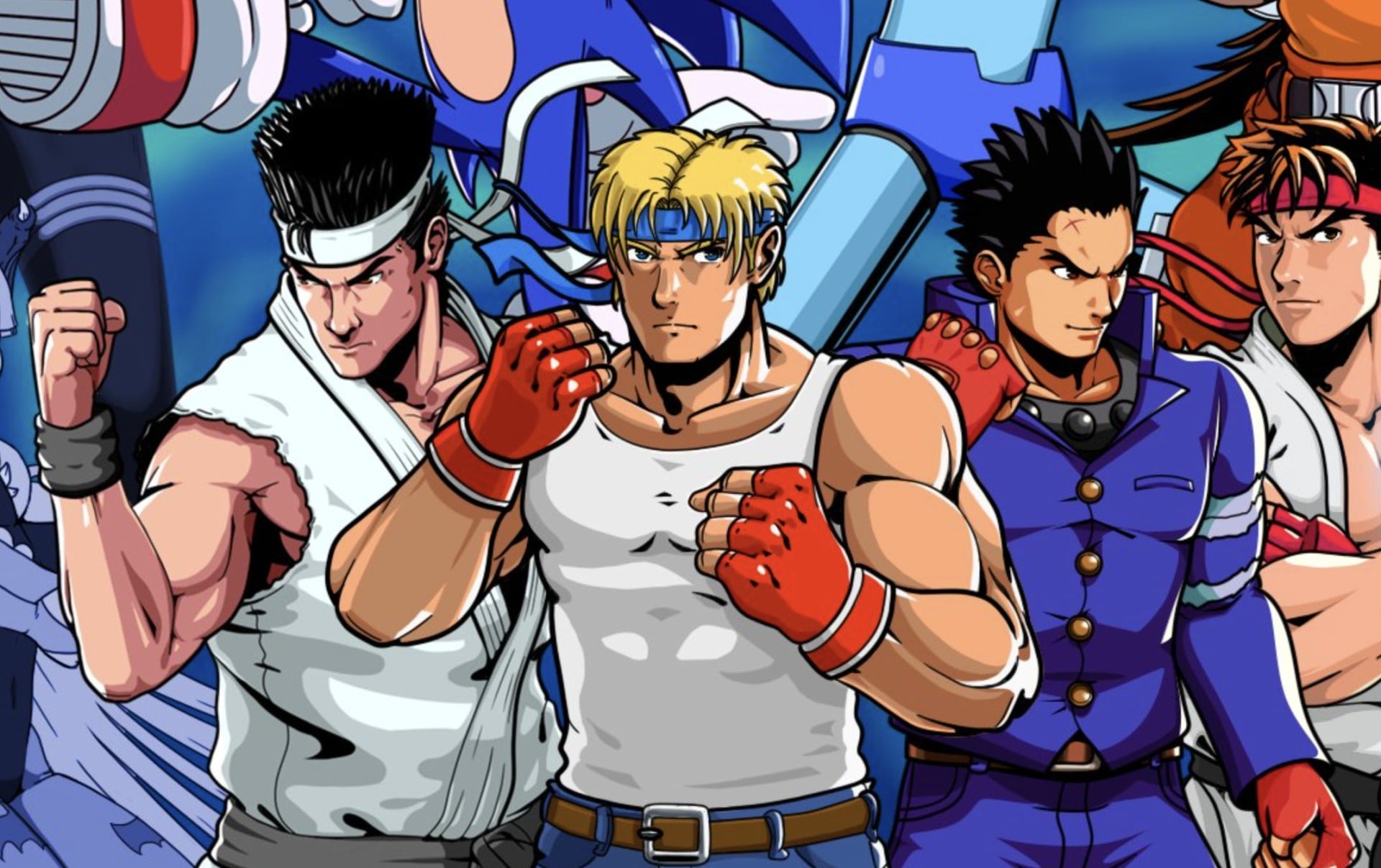
For Japan fans and Japanese learners, this is one of those classic fan-project stories where hype, copyright, and game culture collide. It’s also a neat reminder that even a passion project can run straight into the hard edge of character rights, or 権利 (kenri), in Japan’s game industry.


![Tekken 8 [PS5]](https://m.media-amazon.com/images/I/81Ry8fHSRrL._SL1500_.jpg)
Sega vs Capcom fan game shut down after Capcom stepped in
The Sega vs Capcom fan game was stopped after Capcom reportedly raised objections over the use of its characters and likeness. According to reporting from Time Extension, the project had been building a fighting game around Sega and Capcom characters, then hit the wall when Capcom took issue with how its intellectual property was being used.
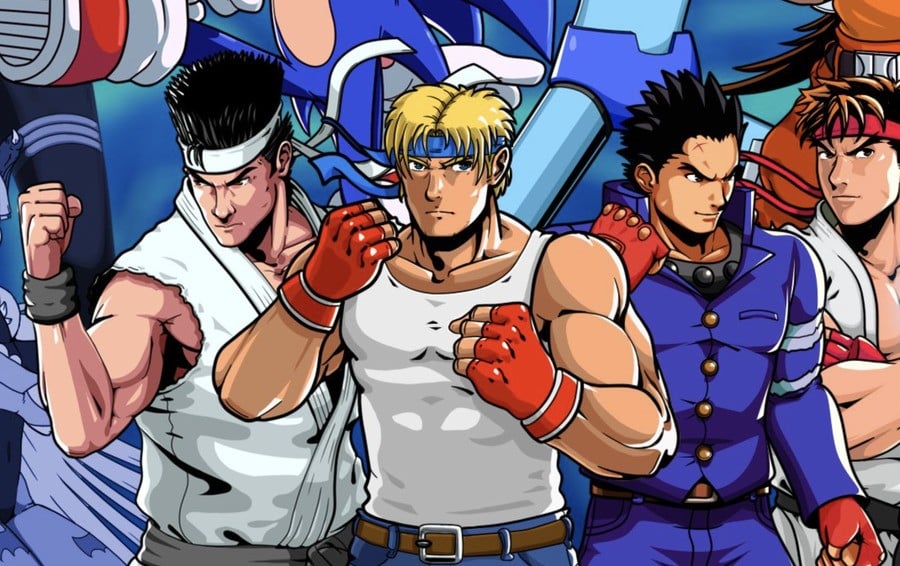
That’s the core of it. No mystery ending, no corporate chess match, just a familiar fan-game outcome, one that’s happened plenty of times across gaming fandoms. The best part is that this case is easy to understand even if you’ve only got a beginner-level grasp of Japanese game vocabulary, because the key idea is simple: rights owners control their characters, and fan love doesn’t change that. Sounds straightforward, right?
What the project was trying to be
Here’s the deal: Sega VS Capcom was pitched as a crossover fighting game, the sort of dream matchup that instantly gets a fan community talking. Sega fans imagine a stage full of familiar faces, Capcom fans do the same, and fighting-game culture absolutely loves a clean versus setup.
For example, this is the same basic appeal that keeps crossover speculation alive around series like Super Smash Bros., where the fun comes from seeing wildly different worlds collide. A fan-made fighter takes that idea and pushes it further, usually with custom sprites, stages, menus, and combo systems built by a small team working in spare time. Pretty brilliant, if it stays on the safe side of licensing. Classic Japan, isn’t it?
What matters here is that the project wasn’t just inspired by Capcom, it appears to have used Capcom’s characters and likeness in a way Capcom was not comfortable with. That distinction is the whole story. On a related note, in Japanese fandom spaces, the difference between homage and infringement gets talked about a lot, especially when people discuss 同人 (doujin, self-published fan works) works, 特撮 (tokusatsu, special-effects live-action) parodies, or game mods. The line looks fuzzy from the outside, but companies draw it very sharply. Convinced yet?
Why Capcom’s reaction makes legal sense
Let’s be honest: fan games live in a risky zone. They can be celebrated by players, shared widely, and even praised by media, but if they use protected characters, brand names, or visual likenesses without permission, they can be shut down fast. That’s especially true when the project is built around a commercial publisher’s core cast, not just vague inspiration.
According to coverage from EventHubs, rumours suggested a cease-and-desist had been issued, and the project’s cofounder later addressed the shutdown as being specifically about “using Capcom's characters and likeness.” That wording matters. It suggests the dispute wasn’t about the concept of a crossover fighter in general, but about the protected material inside it.
In Japanese, words like kenri for rights and 著作権 (chosakuken) for copyright come up a lot in these discussions. If you’re learning the language, this is a practical vocab moment, not just trivia. You’ll see these terms in news, legal notices, and company statements, and they carry a lot of weight in game culture. My tip is this: when a Japanese news post uses kenri-related language, pay attention, because it usually signals the moment a fan dream runs into business reality. From a reader’s point of view, these are the stories where understanding a few legal terms makes the whole article click.
What the shutdown means for fan projects
On the flip side, this doesn’t automatically mean all fan projects are doomed. Plenty of creators build original mechanics, original characters, or heavily transformed fan works that avoid directly reusing protected assets. But once you put Capcom’s roster, or Sega’s, front and centre, the legal risk jumps immediately.
The SEGAbits report says the developers were heartbroken after years of spare-time work, but also understood the risk and held no hard feelings toward Capcom. That reaction is telling. Fans often know the rules, they just hope to get farther before the letter arrives. And when it does, the emotional hit is real, because years of animation, coding, balancing, and sprite work can disappear overnight.
For Japanese learners, there’s a cultural angle here too. Japan’s creator scene has long had a tense but striking relationship between fan expression and rights enforcement. Doujin circles, garage kits, tribute art, and parody works can thrive, but only when creators respect boundaries. The same logic applies here, even if the project lived mostly in an English-speaking fan space. Know that feeling when a project looks close to release, then vanishes? That sting is part of fandom everywhere.
The bigger lesson for Japan and game fans
Guess what? The biggest takeaway isn’t just that Capcom shut the project down, it’s that crossover fantasies are still powerful enough to keep drawing teams into this legal grey zone. A game like Sega vs Capcom taps into two huge legacies, and both companies have character libraries that feel almost built for versus matchups.
What I especially like is how these stories force fans to separate creative enthusiasm from actual business rights. That’s healthy. It’s also useful if you follow Japanese media closely, because the same pattern shows up in anime fan works, merchandise fanprints, and unofficial collaborations. The desire to create is real, but so is the need to ask permission first.
If you want more Japan and game culture coverage, check out more Japan news on jpnerd.com.
Frequently Asked Questions
Why was Sega vs Capcom shut down?
Capcom reportedly objected to the use of its characters and likeness in the fan project.
Was the project an official collaboration?
No, it was a fan-made fighting game and not an official Sega or Capcom release.
What does this mean for other fan games?
Fan games can still exist, but using copyrighted characters or likenesses without permission carries a real risk of takedown.