
What I especially like is that this isn’t just a quick sento-style visit and done. You’re getting a proper onsen course, a soak, and a chance to connect with the area through Sanbe Tours.
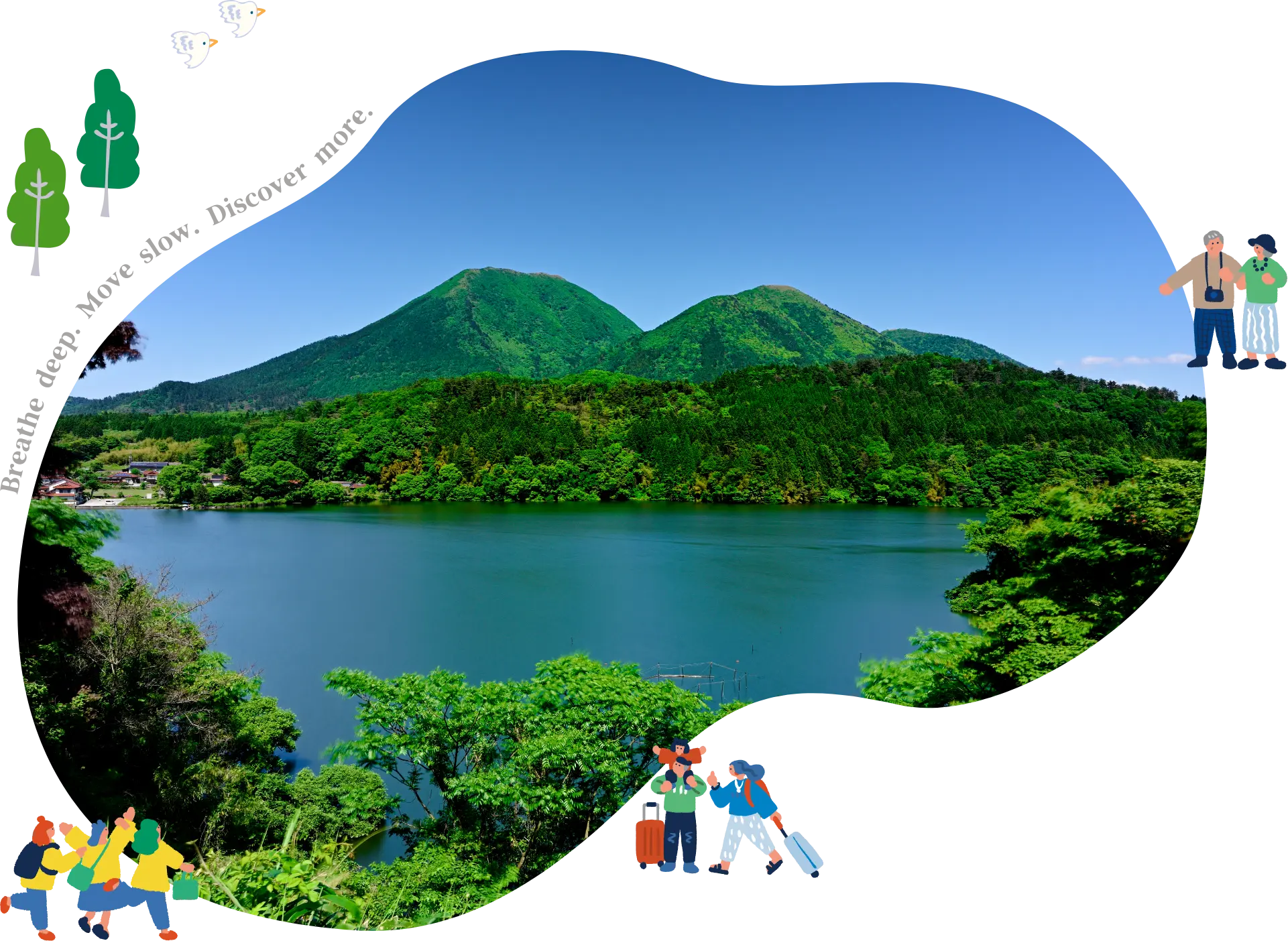
Sanbe onsen in Shimane Prefecture isn’t trying to be flashy, and that’s exactly why it works. If you’ve been collecting Japan travel spots that still feel local, calm, and grounded, this one deserves a place on your list. Trust me, it’s a great fit for Japan fans who want more than a quick photo stop.
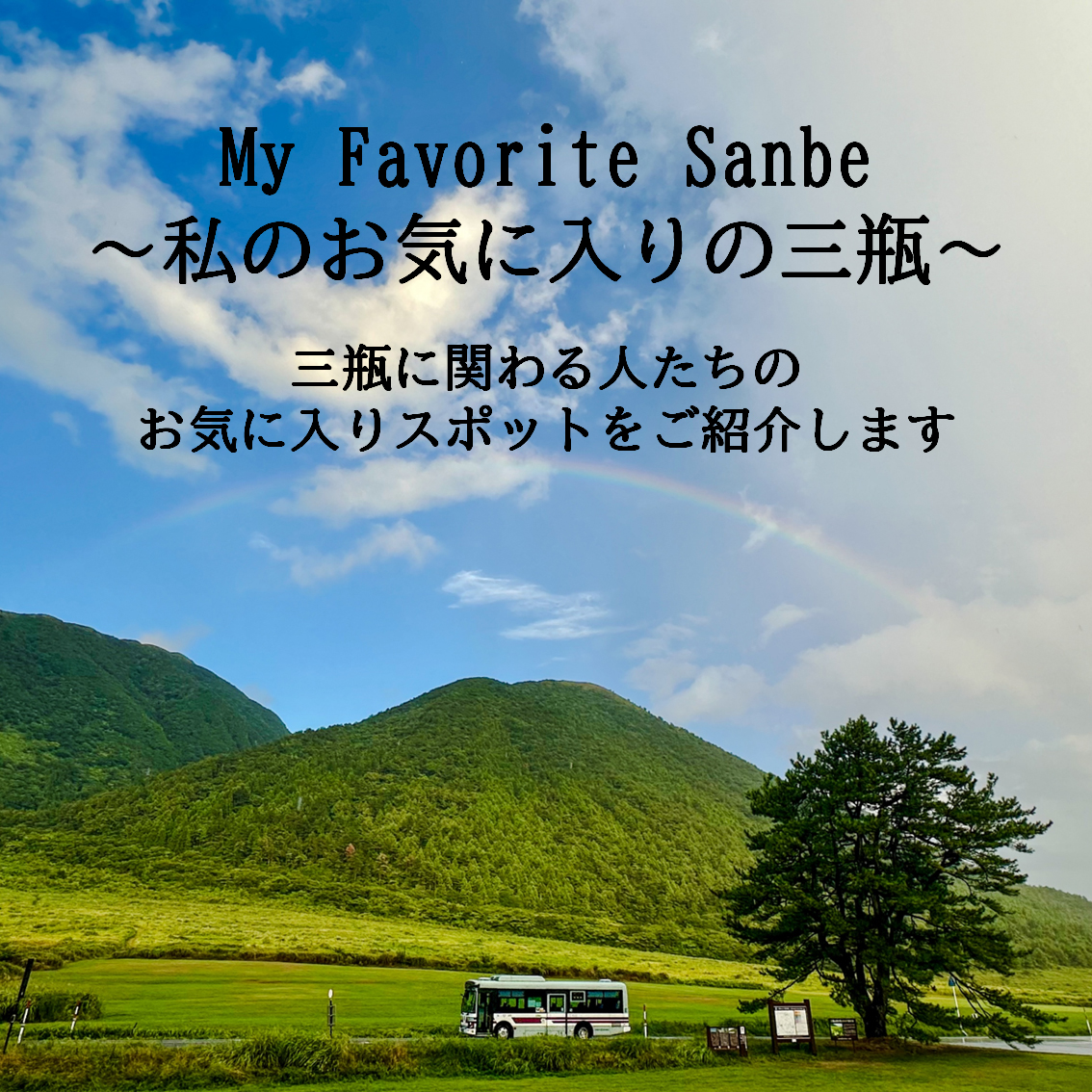
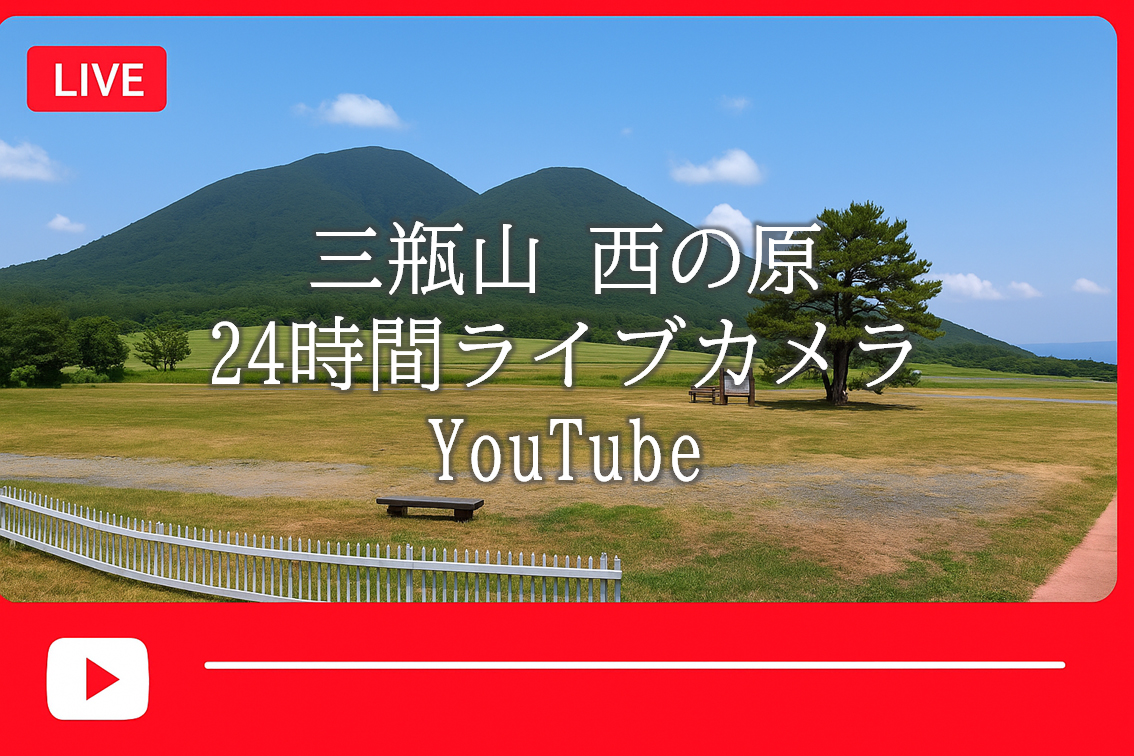
Here’s the thing: the Sanbe area sits around Sanbe-san on Honshu, and the landscape already sets the mood before you even step into the bath. You get mountain air, a slower pace, and that slightly old-school feeling that makes rural Japan so easy to love. For language learners, it’s also a neat place to pick up travel vocabulary, from onsen and yutabi to ryokan and local tour phrases, while seeing how they actually live in context.
What is ONSEN CONNECT in Sanbe?
ONSEN CONNECT is the event concept behind this Sanbe experience, and it’s built around four separate activity blocks. A great example: instead of treating the bath like a one-off attraction, the programme encourages you to learn, move, soak, and talk. That structure gives the whole day a rhythm, and it feels a lot more personal than the usual drop-in bath visit.
Basically, you’re not just showing up, paying, and leaving. You’re stepping into a guided setup that helps you understand onsen culture from a few angles, including etiquette, local context, and the social side of bathing. No wonder, because many visitors want the relaxing part, but they also want the story behind it.
The four experience building blocks
The four parts of ONSEN CONNECT are what make it stand out. While the exact flow can vary by date or package, the idea is clear: build a more layered onsen visit that goes beyond a short stop. That means a programme designed for people who want more than just a towel and a quick dip.
Take the learning part, for instance. An onsen course gives you the background, the bathing rules, and likely some regional insight too, which is gold for beginners and useful for repeat travellers as well. Then comes the bath itself, so the knowledge turns into practice right away. See what I mean?
And it gets better: the social side matters too. When a local tour format brings people together, you’re more likely to talk, compare notes, and maybe even make a travel buddy or two. Wild, isn’t it?
Why the Sanbe onsen course changes the experience
Compared to back home, where a spa visit can feel polished but anonymous, a regional Japanese onsen often has a stronger local identity. Sanbe leans into that identity. The result is a bathing experience that feels tied to place, not just facilities.
What I especially like is the “course plus bath” idea. A lot of travellers treat onsen like a box to tick, but this setup slows you down enough to notice the details, the water, the etiquette, the atmosphere, even the way people greet each other. My tip: if you’re learning Japanese, listen for simple phrases around arrival, washing, and greetings, because those are easy wins you can actually use later.
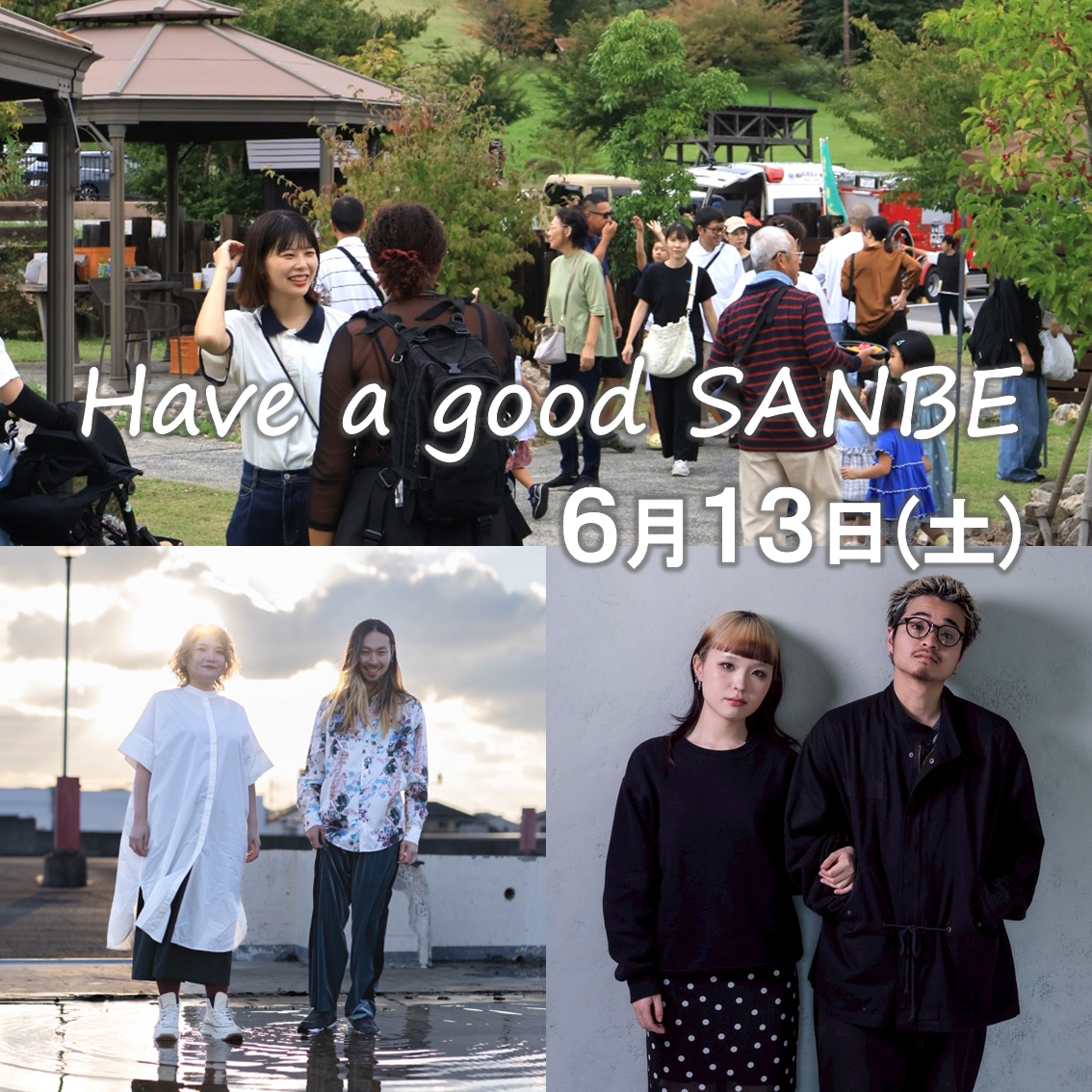



Unlike what we’re used to in more tourist-heavy areas, a place like Sanbe can still feel like a community space. That matters. Onsen culture isn’t only about heat and minerals, it’s also about shared space, quiet behaviour, and the small rituals that make a visit feel respectful. If you’ve ever heard someone say arigato after a bath or watched people move carefully through the changing room, you already know the vibe.
Sanbe Tours and the local travel angle
One of the strongest parts of this project is that it’s run through Sanbe Tours, or さんべツアーズ. That local framing matters, because regional operators usually know how to connect transport, activity, and atmosphere better than a generic day trip package. In other words, the tour itself becomes part of the cultural experience.
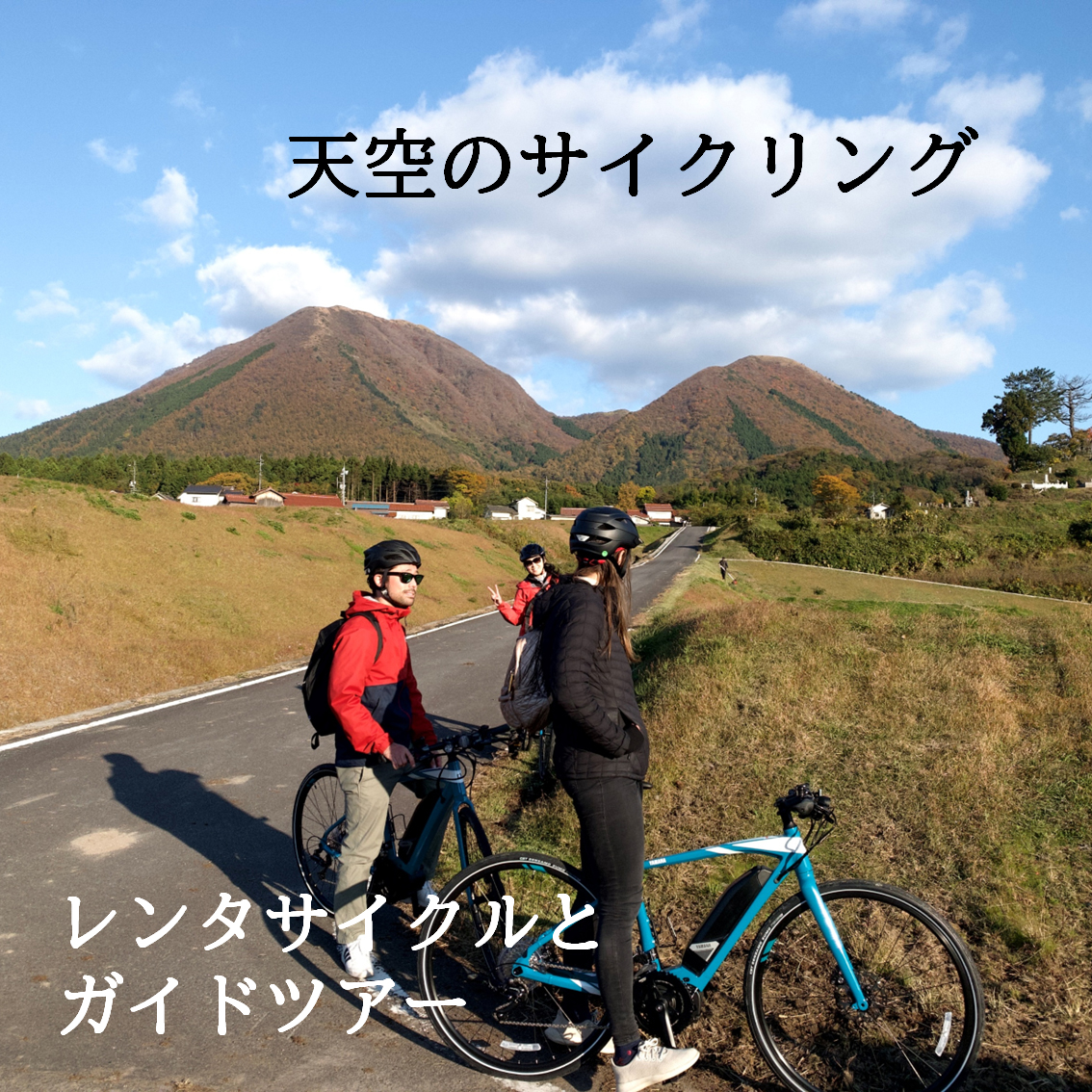
There’s also a practical side to this. A guided tour can remove the usual friction, especially in a place like Shimane where travellers may not be building a whole trip around one famous landmark. If you’re already exploring western Honshu, Sanbe can slot in nicely as a calmer stop, especially if you enjoy ryokan stays, local food, and slow travel. Sounds good, right?
For Japan learners, this kind of tour is also a nice listening exercise. You’ll hear structured explanations, local names, and likely some useful tourism language that’s far easier to remember when you’ve actually experienced the place. That’s the real value here: the vocabulary sticks because the setting is memorable.
Why this Sanbe onsen experience works so well
This is my absolute hidden gem! Sanbe onsen manages to combine learning, bathing, and human connection without feeling forced. It doesn’t try to be a theme park version of Japan, and that honesty makes it stronger. If you want a place where regional travel still feels rooted in daily life, this is it.
For fans of Japanese language and culture, the appeal is even bigger. You get the bath culture, the local tour format, and a setting that naturally invites observation and conversation. You’re not just reading about onsen etiquette, you’re living it for a few hours, and that makes a huge difference.
If you’re planning a Shimane route, keep Sanbe in mind. It’s the sort of stop that can quietly become the most memorable part of the trip, because it gives you something you can’t always get in bigger cities: space, warmth, and a real sense of local connection. Personally...
Frequently Asked Questions
Where is Sanbe onsen located?
It is in Shimane Prefecture on Honshu, in the Sanbe area around Sanbe-san.
What makes ONSEN CONNECT different?
It combines an onsen course, bathing, and social connection instead of offering only a short visit.
Is this good for Japan language learners?
Yes. It’s a practical way to hear travel vocabulary, etiquette phrases, and local guidance in a real setting.


