
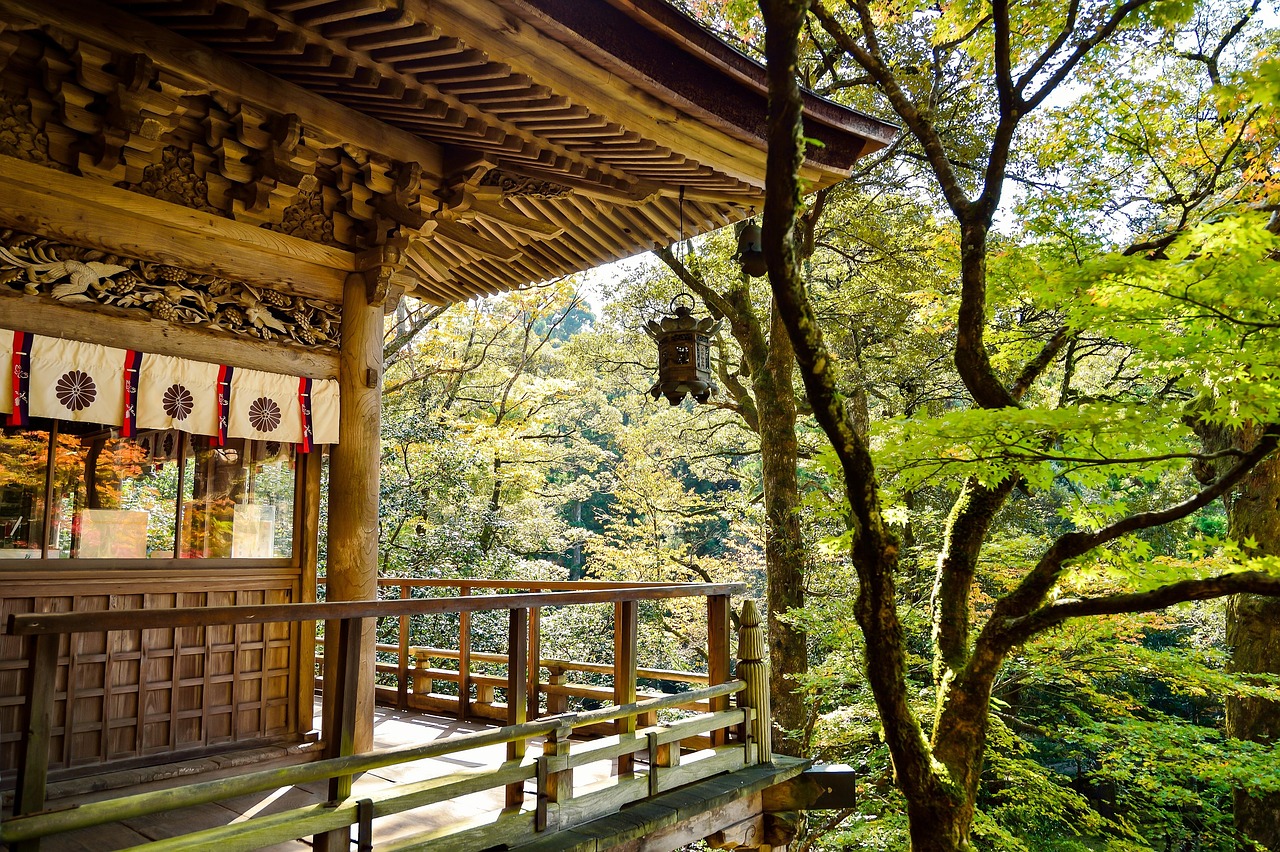
What Is the ONSEN Gastronomy Walking Event on Shodoshima?
Let's be honest: most tourists visiting 小豆島 (Shodoshima) stick to the olive park, snap a photo at the Angel Road sandbar and call it a day. But that barely scratches the surface of what this island offers. The ONSEN・ガストロノミーウォーキング event is a structured walking experience that guides participants through the island's landscape while stopping to taste local specialities and ending with a proper soak in an onsen.
What most people don't know is that this event format is part of a national initiative run across Japan, encouraging walkers to experience regional food culture and hot spring bathing together as one connected journey. The idea is simple but clever: you walk, you eat, you soak. That's slow travel in three steps.
The Shodoshima edition runs a route from 西村 (Nishimura) to 古江 (Furue), two areas in the quieter, less tourist-heavy part of the island. The route is designed to pass through scenery that regular day-trippers simply never reach, including terraced fields, old stone walls, and narrow paths that smell faintly of soy sauce and cedar.
The Route: From Nishimura to Furue
The walk itself covers a manageable distance, making it accessible for people who aren't hardcore hikers. That said, the terrain is genuinely varied. Coastal stretches give way to hillside paths, and the route passes through small settlements where locals still live traditional lifestyles.
Did you know that Shodoshima is one of only two places in Japan that still produces traditional 手延べそうめん (hiya-mugi style hand-stretched somen noodles) using methods over 400 years old? The Nishimura area sits close to several of these family-run producers. Walking through here during the event, you're not just passing buildings; you're walking past living food heritage.
The gastronomy stops along the route are the real highlight. Participants get to taste carefully selected local products: island-grown olives, soy sauce-based dishes, pickled vegetables from family farms, and seasonal snacks that you simply won't find in any airport gift shop. My tip is to avoid a big breakfast before the walk; you'll want full stomach capacity for every stop.
The Onsen Finish at Furue
After the walk, participants reach Furue, where the onsen (温泉) portion of the event takes place. Arriving at a hot spring after a few hours of walking through island countryside is genuinely one of those small pleasures that justifies an entire trip to Japan.
The onsen in this area uses naturally occurring thermal water and has the kind of no-frills local atmosphere that dedicated onsen fans actively seek out. There's no luxury hotel lobby, no Instagram lighting, just steaming water, wooden interiors, and the sound of the sea not far away. Simply brilliant.
Slow Travel and Japanese Island Life: Why This Matters
Hand on heart, most organised walking events anywhere in the world are a bit forgettable. This one is different because Shodoshima itself is genuinely interesting, and the event format doesn't try to rush anything. The pacing is deliberately slow; you stop often, talk to producers, and look at things properly.
For Japanese learners, this kind of experience is also a low-pressure language immersion opportunity. Local vendors at food stops are welcoming and patient. You'll hear regional Kansai-influenced dialect since Shodoshima falls under Kagawa Prefecture administratively but has cultural ties to the Osaka-Kobe corridor across the water. The word 島 (shima, island) appears constantly, as do food-related terms like 醤油 (shoyu, soy sauce) and 塩 (shio, salt), two things the island has produced for centuries.



On a related note, Shodoshima is actually the setting of the novel 二十四の瞳 (Nijushi no Hitomi, Twenty-Four Eyes) by Sakae Tsuboi, published in 1952. The story follows a schoolteacher and her twelve students through wartime Japan. There's a museum dedicated to it near the southern cape. If you're combining this walking event with a longer island stay, it's worth an afternoon visit.
What I especially like about this event is that it doesn't perform rural Japan for tourists; it just shows it. The farmers growing the olives are real farmers. The soy sauce factory smell drifting across the path is from actual production happening that day. There's no artificiality to it.
Practical Information for Non-Japanese Speakers
The event is primarily organised and communicated in Japanese, which is worth knowing in advance. Registration details and schedules are typically posted through local tourism boards and event aggregators. The Shodoshima Tourism Association website is the most reliable source for updated dates.
Getting to Shodoshima requires a ferry. The most common routes depart from Takamatsu (高松) in Kagawa Prefecture or from Himeji and Osaka depending on the season. The ferry ride itself is part of the experience: watching the Seto Inland Sea pass by, small islands dotting the horizon, and fishing boats in the distance.
From my experience, building at least two nights on the island around this event makes the most sense. One evening to settle in and explore, the walking day, and a slower morning before catching the ferry back.
Should You Add This to Your Japan Itinerary?
Guess what? Most travellers planning a Japan trip never even consider Shodoshima. It's off the standard Kyoto-Osaka-Tokyo circuit, which is precisely why it's worth considering. The island has a pace and character that the major cities simply can't replicate.
The ONSEN・ガストロノミーウォーキング event packages together three things that individually define good Japanese travel: physical engagement with a landscape, genuine local food culture, and the ritual of onsen bathing. Doing all three in one day, connected by a single route, is a genuinely satisfying way to experience what 小豆島 is actually about.
The best part is that you don't need advanced Japanese skills to participate, though knowing a few food-related words and basic politeness phrases will absolutely enrich the interactions along the way. Words like おいしい (oishii, delicious) and ありがとうございます (arigatou gozaimasu, thank you very much) go a long way with producers who are proud of what they make.
Highly recommended: combine this with a visit to one of Shodoshima's soy sauce breweries for a full picture of the island's food identity. Several are open for tours, and a few offer tasting experiences that pair beautifully with the walking event's overall theme.
Frequently Asked Questions
When does the ONSEN Gastronomy Walking event on Shodoshima take place?
The event is held seasonally, typically in spring or autumn when walking conditions are comfortable. Check the official Shodoshima Tourism Association website for current dates and registration details, as schedules vary by year.
How do I get to Shodoshima from mainland Japan?
The most convenient ferry routes run from Takamatsu (Kagawa Prefecture), with a crossing time of around 30 to 60 minutes depending on the ferry type. Routes from Himeji and Osaka are also available and take longer but offer a scenic sea journey.
Do I need to speak Japanese to join the walking event?
The event is primarily conducted in Japanese, but the format is easy to follow with basic language skills. Knowing simple food vocabulary and polite expressions will help you get more out of the food stops and interactions with local producers along the route.

