
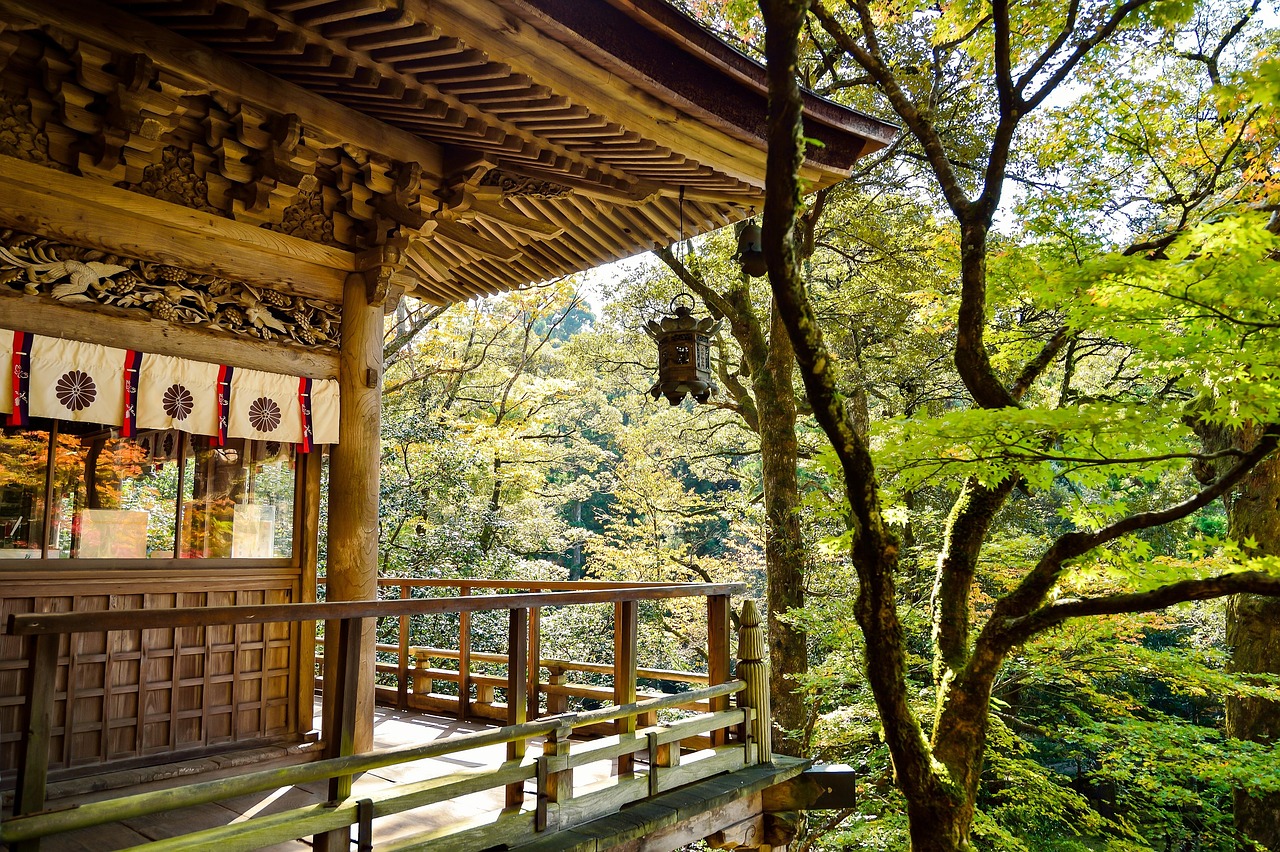
Why Kinosaki Onsen feels like a living postcard
Quick detour: Kinosaki Onsen sits on the Sea of Japan coast in Hyogo Prefecture and has long been famous for its seven public bathhouses where guests stroll between baths in yukata and geta. Trust me on this one: those seven baths, the willow-lined canals and wooden bridges give the town a slow, cinematic rhythm that feels straight out of an old film. From my experience...
Nishimuraya Honkan: a historic ryokan with modern hospitality
Fact: Nishimuraya Honkan is one of Kinosaki's most celebrated ryokan, known for attentive service, classic tatami rooms and kaiseki dinners that change with the seasons. No joke: many guests come specifically for the Nishimuraya hospitality, not just to soak. That's why staying here turns a simple onsen hop into a multi-sensory cultural stay. See what I mean?
Rooms with open-air baths, what to expect
Here's the kicker: several room types at Nishimuraya include a private rotenburo, an open-air bath on a balcony or terrace, so you can soak anytime without leaving your room. Unlike what we're used to with public baths, private rotenburo rooms give you quiet, personal onsen time and the chance to watch early-morning mist rolling over the town. My tip? Book a room with a terrace-facing rotenburo to catch the sunrise light on the water. But that's not all.
Meals, service and staying in a ryokan
Let's be honest: kaiseki meals at Nishimuraya are a highlight, often featuring local seafood from the Sea of Japan and Hyogo produce, presented across multiple courses. Fun fact: ryokan etiquette, putting on a yukata, enjoying small seasonal dishes, and leaving shoes at the genkan, teaches useful cultural vocabulary and practical Japanese phrases. From my experience...
The Noh experience at Nishimuraya Honkan
Question: What happens when you mix centuries-old Noh theatre with a ryokan stay? A great example: Nishimuraya offers a Noh experience program where guests can see a short Noh performance and learn about masks, costumes and the slow, stylized movement of the art form. Seriously though, watching Noh inside a ryokan context changes how you hear the drums, the flutes and the chorus, because you're not just in a theatre; you're part of a living tradition. See what I mean?



How the Noh program deepens your visit
Direct address: If you study Japanese, attending a Noh demonstration helps connect language study to culture, with phrases like ‘noh’, ‘noh mask’ and theatrical vocabulary appearing in context. A great example: hosts often explain mask names, character roles and basic stage gestures in simple English and Japanese, which is perfect for learners practicing listening. From my experience...
Practicalities: getting there and what to book
Fact: Kinosaki Onsen is reachable by JR limited express trains from Kyoto in around 2.5 hours, and from Osaka in roughly the same time depending on connections. Insider tip: bring a small towel for public baths, follow onsen etiquette and pack a pair of easy-on slippers for short walks in town. That's why booking a rotenburo room early, especially in peak seasons like cherry blossom and autumn leaf time, can make a big difference. See what I mean?
Trust me on this one: if you're learning Japanese, try using simple phrases like ‘arigatou gozaimasu’ and ask about the meal ingredients in Japanese; you'll get a friendly response and better listening practice. From my experience...
Unlike a standard onsen checklist, pairing a ryokan stay with a Noh performance turns a short weekend into a cultural mini-course. Classic Japan, isn't it?
Frequently Asked Questions
Do I need to be fluent in Japanese to enjoy the Noh experience?
No, you don't need to be fluent. Hosts often give simple explanations in English, and the visual nature of Noh makes it easy to appreciate even without full language skills.
Can I use public baths if I stay in a room with a private open-air bath?
Yes, guests in rotenburo rooms are usually welcome to use the ryokan's public baths and the town's public bathhouses as well.


