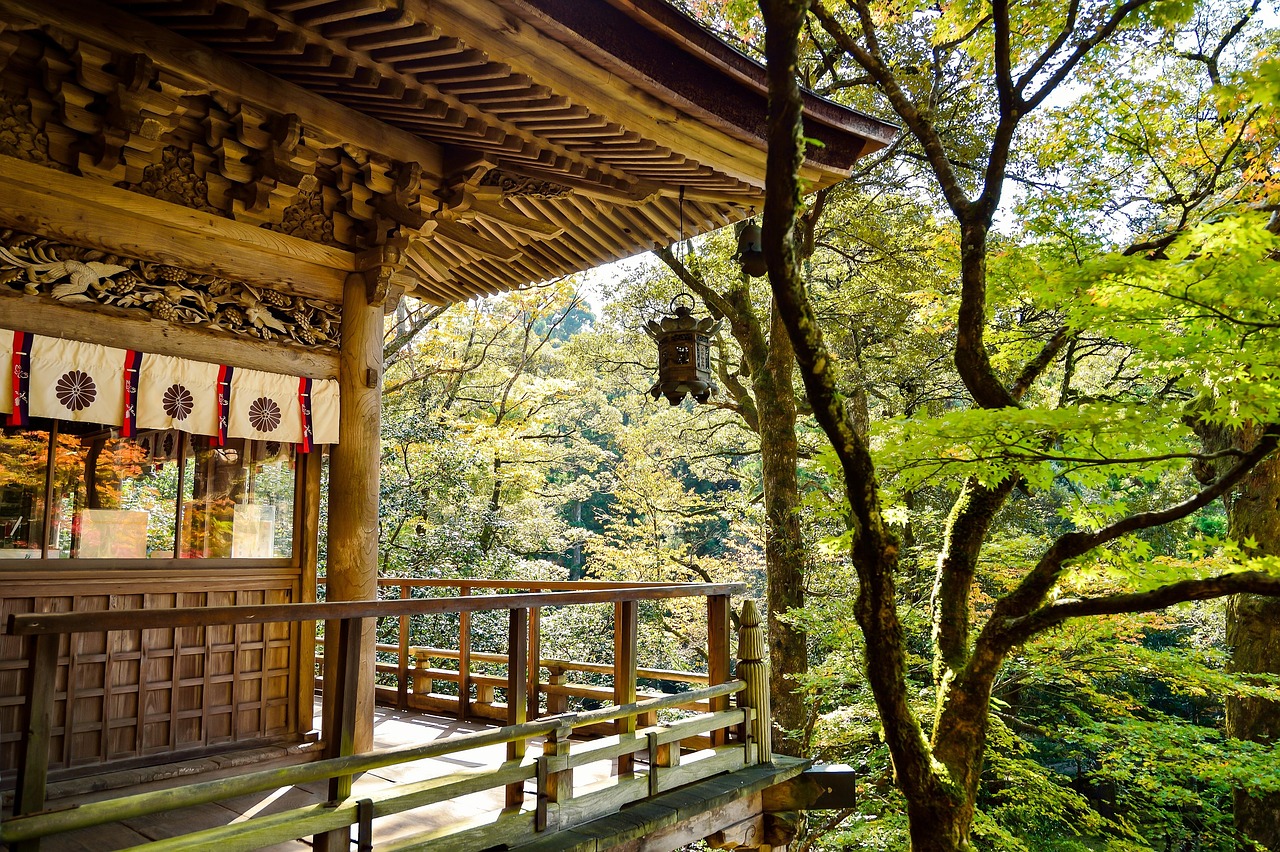
For Japan fans, that mix is exactly the kind of detail that turns a hotel stay into a cultural memory. It’s not just about sleeping near an onsen, it’s about feeling the rhythm of old Japan for a night or two.



Ryokan Tokyo YUGAWARA and the appeal of Yugawara onsen culture
Guess what? Yugawara in Kanagawa Prefecture has long been one of those onsen towns that serious Japan travellers quietly love. It sits near the western edge of the prefecture, not far from Hakone and the coast, and it has the kind of calmer atmosphere that makes a ryokan stay feel slower, warmer, and more personal.
Ryokan Tokyo YUGAWARA is leaning into that mood with a strong focus on traditional Japanese festivals and cultural experiences. No wonder, because Yugawara is the sort of place where the setting itself already does half the storytelling, with steam, mountain air, and local customs working together. Wild, isn't it?
What many overlook: onsen towns are not only about bathing. They’re also about daily rituals, local snacks, seasonal decorations, and small details like 浴衣 (yukata, light summer robe), 畳 (tatami, tatami mat) rooms, and the quiet choreography of a Japanese inn. Personally, that’s what makes a ryokan stay in a place like Yugawara feel more memorable than a standard hotel night.
Traditional festivals, small experiences, and why they matter
Did you know that many ryokan now build their identity around experience design, not just room type or meal plans? Ryokan Tokyo YUGAWARA seems to be following that direction, but with a strong cultural angle. The idea is simple, guests can connect with Japanese festivals and seasonal traditions without having to plan a separate tour.
Take ... for instance.
Take a summer festival theme, for instance. Even a small display can evoke 祭り (matsuri, festival) culture, with paper lanterns, festive colours, and a local-style atmosphere. If you’ve ever learned the word matsuri in Japanese class, this is the real-life version, where the term stops being a vocabulary item and becomes an environment.
Here’s the deal: for Japan learners, stays like this can be incredibly useful because they put everyday words into context. You hear onsen, ryokan, yukata, お土産 (omiyage, souvenir / gift), and season-related expressions in a setting where they actually make sense. That kind of learning sticks, because it’s tied to smell, sound, and movement, not just flashcards.
Fun fact: Japan’s seasonal culture often shows up in the smallest things, from 七夕 (tanabata, Tanabata, the Star Festival) decorations in early summer to moon-viewing motifs in autumn. A ryokan that highlights those touches is doing more than decorating, it’s teaching visitors how Japan marks time. Classic Japan, isn't it?



Onsen Dojo from Saitama and the business behind the ryokan
Plot twist: the operator behind Ryokan Tokyo YUGAWARA is Onsen Dojo, a company based in Saitama. That detail matters, because it shows how regional hospitality brands are helping preserve and rework traditional lodging for modern travellers.
On a related note: this kind of operation often tries to balance authenticity with accessibility. A ryokan can keep tatami floors, communal bathing culture, and seasonal meals, while still making the experience easier for first-time visitors. That’s a smart move, especially in a place like Yugawara, where many guests may be visiting for the first time and want something that feels traditional without being intimidating.
I still remember exactly how often first-time travellers ask whether they’ll “do it right” in a ryokan. Should they wear the yukata? Do they need to bring towels? Can they go to the bath more than once? A place that explains these basics clearly, while still keeping the atmosphere relaxed, is doing a real service for both Japanese fans and international guests. Personally...
Why Yugawara is worth more attention from Japan fans
Yugawara doesn’t always get the same spotlight as Hakone or Atami, but that’s part of its charm. It feels less packed, less performative, and more tied to local life. For travellers who want onsen culture with a softer edge, that can be a big plus.
My tip: if you’re studying Japanese, use a ryokan stay to collect useful phrases. Try noticing how staff greet you, how seasonal items are described, and how food is introduced. Even a few words, like 懐石 (kaiseki, traditional multi-course meal), 鍋 (nabe, hot pot), or 麹 (koji, rice malt / fermentation starter), can deepen the trip because they connect language to taste and place.
While we're at it: onsen towns are also a great reminder that Japanese hospitality is often built on quiet routine. A meal arrives on time, slippers are placed neatly, the bath is prepared, and the seasons are reflected in the menu. You don’t need a grand theme park-style experience to feel impressed, because the ordinary details carry the weight. Highly recommended:
For Japan fans, that’s the charm of Ryokan Tokyo YUGAWARA. It isn’t just a place to stay in Kanagawa, it’s a chance to step into a living version of Japanese seasonal culture, with onsen at the centre and local tradition all around it. See what I mean?
Frequently Asked Questions
Where is Ryokan Tokyo YUGAWARA located?
It is in Yugawara, Kanagawa Prefecture, a well-known onsen area near the Hakone region.
What makes this ryokan different?
It focuses on traditional Japanese festivals and cultural experiences, not just overnight accommodation.
Who operates the ryokan?
It is operated by Onsen Dojo, a company based in Saitama.
For more updates and travel-related reading, visit more Japan news on jpnerd.com.