Overview: A Walk Built Around Slowness
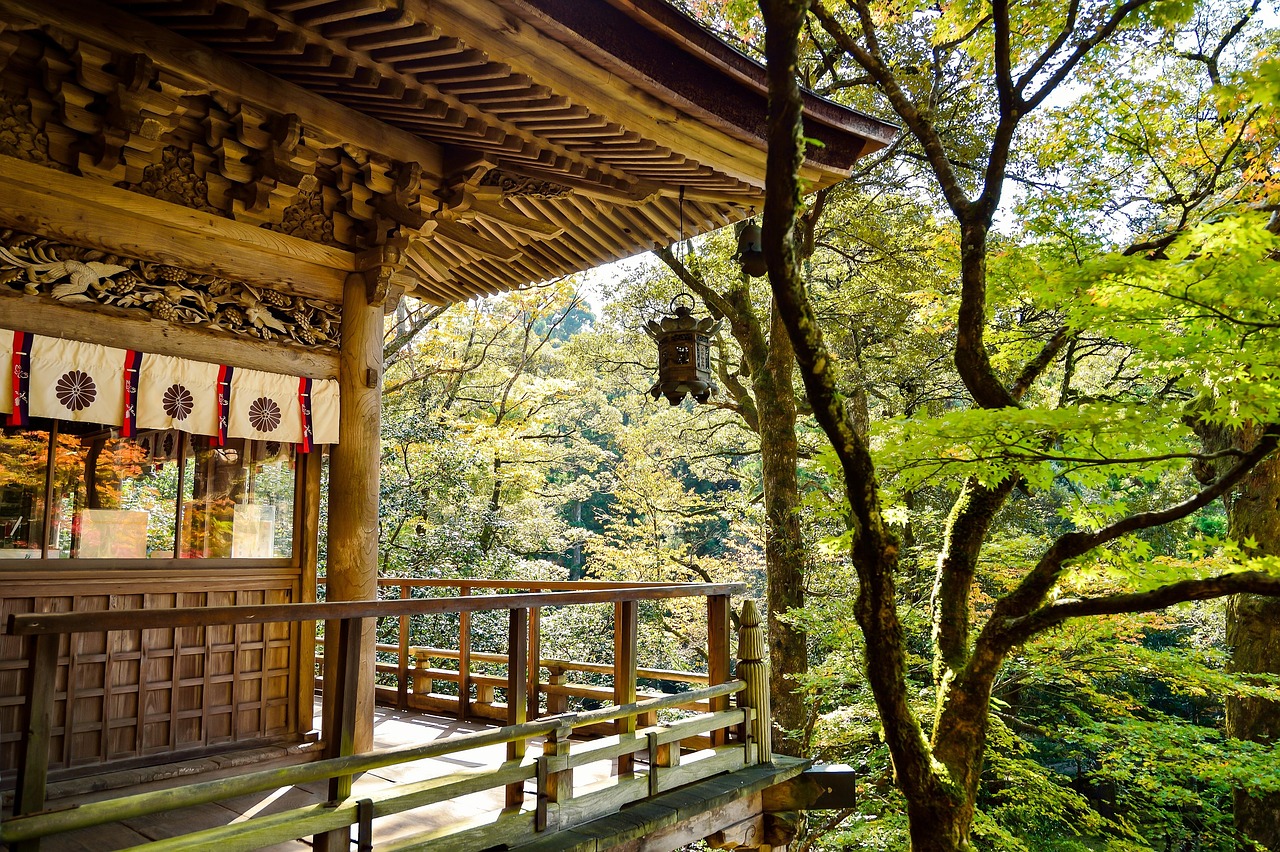
温泉 (ONSEN, hot spring) Gastronomy Walking Shodoshima belongs to a wider Japanese event concept, Onsen Gastronomy Walking, that treats a hike, a string of small food tastings, and a final soak in a hot spring as three parts of the same, unhurried experience. The formula travels from island to island and prefecture to prefecture across Japan, but on Shodoshima, in the Seto Inland Sea, it takes on the particular flavor of the place it visits: olive groves catching the afternoon light, the low wooden bulk of soy sauce breweries, and the salt air drifting up from the strait. The event is recurring rather than a one-time festival, held periodically for participants who want to move through a landscape at walking pace rather than from behind a car window.
From Nishimura to Furue: Walking the Route
The course runs from Nishimura, a settlement on the island's western side, to the coastal community of Furue. Organizers and participants alike describe it as an easy, leisurely stroll rather than a demanding hike, suited to walkers of most fitness levels who simply want time outdoors and a reason to stop often. Along the way, the route threads past several of Shodoshima's traditional soy sauce breweries, known in Japanese as 醤油蔵 (醤油 (shoyu, soy sauce) gura, soy sauce brewery), where the smell of fermenting soy sauce, dark, faintly sweet, unmistakably alive, follows the road for long stretches. It is one thing to read about shoyu fermentation and another to walk past the wooden barrels where it is actually happening.
Tastes Along the Way
Tasting stations punctuate the route, turning the walk into something closer to a moving meal than a hike with snack breaks. Past editions have offered:
- Noodles made with Shodoshima's own soy sauce, the island's oldest and most defining product
- Olive oil pressed from groves nearby, tasted much closer to its source than most people ever get
- Fresh fish pulled from the Seto Inland Sea, prepared simply enough to let the fish itself speak
Each stop is small by design. The idea is not to fill up at any one table but to arrive at the end of the walk still hungry enough to enjoy dinner, and loose-limbed enough to enjoy the bath that follows it.
The Onsen at the End
The walk concludes, as its name promises, with a bath in one of Shodoshima's onsen. After several kilometers on foot and a succession of small plates, the hot water functions less as a reward tacked onto the end of the day than as its natural resolution, the point the whole outing has been walking toward. Participants are advised to bring a small towel and other basic bathing items, and, for the walk itself, shoes comfortable enough for a few unhurried hours on paved and gravel roads.
Why Shodoshima, of All Islands
Shodoshima earns its place in this kind of event honestly. It was here, in 1908, that Japan's first olive oil was produced, and the groves planted in that era have since become one of the island's defining features, along with the Kankakei gorge that cuts through its interior. Soy sauce brewing on Shodoshima reaches back further still, and the breweries along the Nishimura-to-Furue route are working operations, not museum pieces. The island's identity as a producer of both these things, one Mediterranean in origin, one deeply Japanese, gives the walking route its particular double flavor, olive and soy, that a visitor tastes almost literally underfoot.
How the Event Comes Together
According to event listings, the fourth edition of the walk, formally titled the 4th Onsen Gastronomy Walking, was held on Shodoshima on March 14. Reporting on that edition describes cooperation between local food producers, regional tourism bodies, and students who helped on site, though the precise arrangement has not been independently confirmed and should be treated as provisional rather than settled fact. Some accounts also describe English-language support from students of the Setouchi Tourism Junior College alongside guidance conducted mainly in Japanese, a detail likewise worth confirming directly with organizers before relying on it. What does seem consistent across editions is that spots fill quickly, and advance registration is strongly recommended for anyone hoping to join.
Getting to Shodoshima
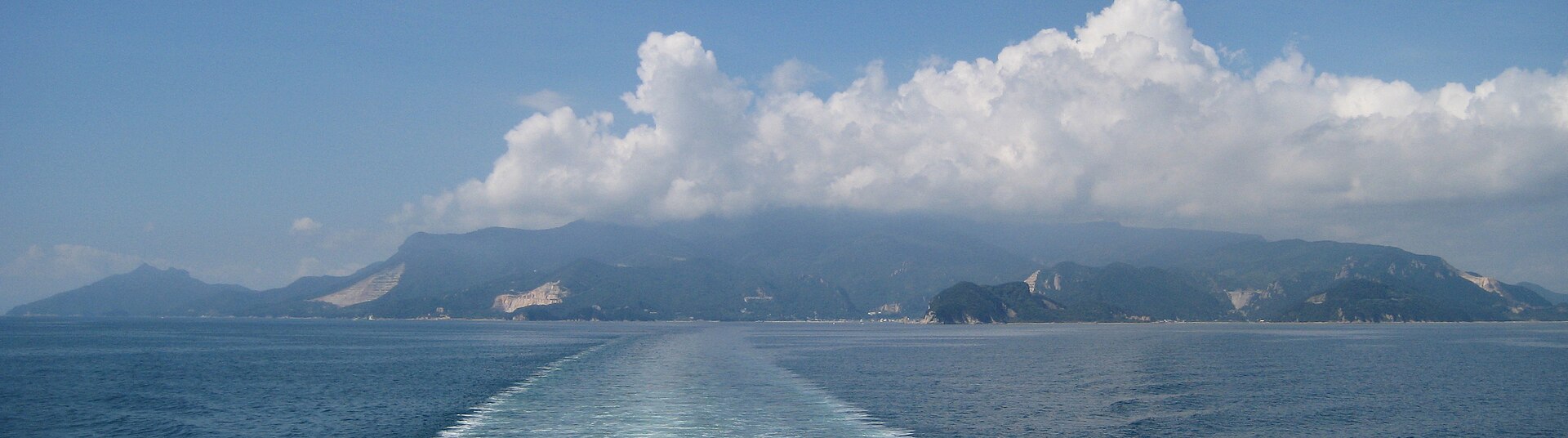
Shodoshima is reached by ferry from Takamatsu, on Shikoku, with crossing times that depend on the route chosen:
- About 60 minutes by car ferry to Tonosho or Ikeda port
- About 35 minutes by high-speed boat to Tonosho
Either crossing sets the tone for the day before it even begins, the Seto Inland Sea opening out around the boat, its smaller islands scattered like stepping stones toward Shodoshima itself.
A Few Words Worth Learning
Part of the pleasure of an event like this, for anyone studying Japanese, is how much vocabulary arrives attached to something you can taste or touch. Onsen, hot spring, is a word most learners meet early, but here it means something specific: a particular bath, at the end of a particular walk. Shoyu gura, soy sauce brewery, names the wooden buildings you pass on the way. Nishimura and Furue mark the walk's two ends, and Setouchi, the name for the Seto Inland Sea region generally, is worth knowing well beyond this one event, since it recurs across so much of western Japan's food and travel writing.
Getting Started
For anyone hoping to join a future edition, the practical steps are straightforward: watch for the event's registration announcements, since capacity is limited and past editions have filled quickly; plan the ferry crossing from Takamatsu in advance; and pack comfortable walking shoes alongside a small towel for the bath at the end. Beyond that, the event asks little of its participants except a willingness to move slowly through a place that rewards exactly that.