
And honestly, that’s why it works so well. Hakone already has hot springs, mountain views, and easy access from Tokyo, but the black egg hype gives the area a fresh, internet-friendly twist.



Hakone black eggs: the viral pull of Owakudani
Picture this: you ride up into the mountains, steam rises from the ground, and suddenly everyone’s holding up a jet-black egg like it’s treasure. That’s Owakudani, one of Hakone’s most talked-about stops, and the black eggs, or 黒たまご (黒 (Kuro) 卵 (tamago)), are the star of the show. They’re not black because of some mystery ingredient, but because they’re cooked in the sulphur-rich hot springs of the valley. Classic Japan, isn’t it?
What many overlook: this isn’t just a snack, it’s part of the place itself. Owakudani was formed about 3,000 years ago after the last eruption of Mount Hakone, and the valley still feels raw and active today, with steam vents, a strong smell of sulphur, and that dramatic, almost otherworldly landscape. If you’ve ever wanted a travel spot that feels a bit like a movie set, this is it. Sounds good, right?
For Japanese learners, kuro tamago is a neat little phrase to remember. Kuro means black, tamago means egg, and together they’ve become a food label that even Japan fans outside the country recognise instantly. The kind of vocabulary you pick up here sticks, because it’s tied to a real place and a memorable image. That’s the sweet spot for language learning, if you ask me.
Why the Hakone trip works so well for a quick getaway
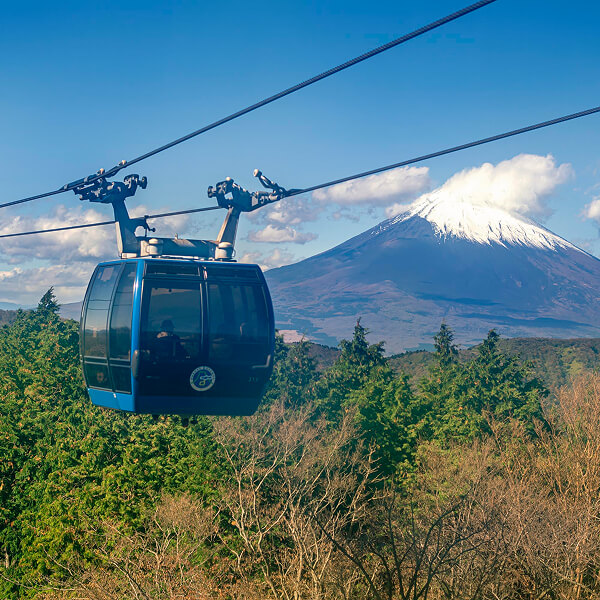
Here's the thing: Hakone is easy to reach, which is a huge reason this trend keeps spreading. From Tokyo, you can get to Hakone-Yumoto in around 80 to 90 minutes by train, depending on the route. From there, the classic sightseeing loop can include the Hakone Tozan Railway, the cable car, the ropeway, Lake Ashi, and then Owakudani. No wonder, because the whole route feels built for a satisfying day trip or one-night stay.
Let's be honest: a lot of people go to Hakone for ryokan, onsen, and views of Mount Fuji, but they don’t always plan around one food item. The viral black egg angle changes that. It gives travellers a small, specific mission, and that can make the whole trip feel more exciting. You’re not just “going to Hakone”, you’re going to get that one black egg everyone’s talking about. Simple, but effective.
My tip: do the food stop before the crowds peak
My tip: aim for an early start. Owakudani gets busy, especially on weekends and during school holidays, and the ropeway can get packed fast. If you arrive earlier, you’ll have more time to look around, eat without rushing, and actually take in the valley instead of just chasing a TikTok shot. From my experience, that makes a big difference.
While we're at it: don't forget that the weather can change quickly in the mountains. Hakone is famous for mist, cloud cover, and sudden visibility changes, so plan for flexible views rather than a perfect postcard moment. If Mount Fuji shows up, great. If not, the sulphur vents and the rugged scenery still make the trip worth it.
Sengokuhara and Ashigarashimo District: the quieter side of Hakone
Did you know that Hakone isn’t just Owakudani and Lake Ashi? Quick detour: Sengokuhara, in Ashigarashimo District, is one of the most attractive areas nearby if you want a slower, less crowded atmosphere. It’s known for its pampas grass fields, open landscapes, and museums, and it gives the wider Hakone area a more spacious feel. After the dramatic steam of Owakudani, Sengokuhara feels almost calming.
What many overlook: Ashigarashimo District is the larger administrative area that includes Hakone town, so when people talk about Hakone, they’re often talking about a wider region than they realise. This matters when you’re reading maps, booking accommodation, or planning transport. A ryokan in Sengokuhara isn’t the same as staying near Hakone-Yumoto, and the vibe changes a lot depending on where you sleep.



In autumn, Sengokuhara is especially good, because the 薄 (susuki, pampas grass) grass catches the light beautifully. In other seasons, it still works as a base for exploring museums, cafes, and quiet streets. If the viral egg stop is the hook, Sengokuhara is the part of the trip that makes you stay a little longer. Convinced yet?
Virality, Japan food, and why kuro tamago keeps winning
Know that feeling when a food is so odd-looking that you just have to try it? That’s the magic behind kuro tamago as a viral Japan food. It’s visually strong, easy to film, and tied to a clear location story. Social media loves that combination, because it gives viewers something they can understand in three seconds flat.
Here's the deal: one black egg is more than a snack, but it’s also not just about taste. People buy it because it carries the memory of the trip, and because there’s a small legend attached to it too. Local stories say eating one black egg adds seven years to your life, which is exactly the kind of simple, repeatable idea that spreads online. Even if you don’t believe the legend, it’s still brilliant marketing, and honestly, I respect that.
For learners of Japanese, this is also a good reminder that travel language often starts with food words. Kuro tamago, onsen, ropeway, and 山 (yama, mountain) are all practical terms that show up again and again in travel content. Learn them once in context, and you’ll spot them everywhere in Japan videos, guidebooks, and station signs. Insider tip: that’s how vocabulary becomes useful, not just memorised.
Should you go to Hakone just for the black eggs?
Imagine a narrow alley in Tokyo. Now swap that for steam, mountains, and a black egg cooked by the earth itself. If that image makes you want to book a ticket, then yes, the viral Owakudani trip is probably already working on you. And that’s fine. Travel doesn’t always need to be grand. Sometimes it starts with one weird, memorable bite.
What I especially like: this trend doesn’t flatten Hakone, it actually points people toward a real place with layers. Once you’re there for the eggs, you’re likely to notice the ropeway, the volcanic landscape, the nearby Sengokuhara area, and maybe even a ryokan stay. That’s the best kind of travel motivator, small but sticky. Sounds good, right?
If you’re building your Japan bucket list, Hakone is still one of the easiest places to combine scenery, onsen, and a little internet-famous food culture. You may go for the kuro tamago, but you’ll probably leave with a lot more than a snack photo. Classic Japan, isn’t it?
Frequently Asked Questions
What are black eggs in Hakone?
They are eggs boiled in the hot spring water and steam of Owakudani, which gives the shells their black colour.
Why is Owakudani so popular?
It combines dramatic volcanic scenery, easy access from Hakone, and a food item that is instantly recognisable online.
Can you visit Owakudani as a day trip from Tokyo?
Yes, many travellers do. It is a realistic day trip, although staying one night in Hakone makes the area feel less rushed.


