Overview
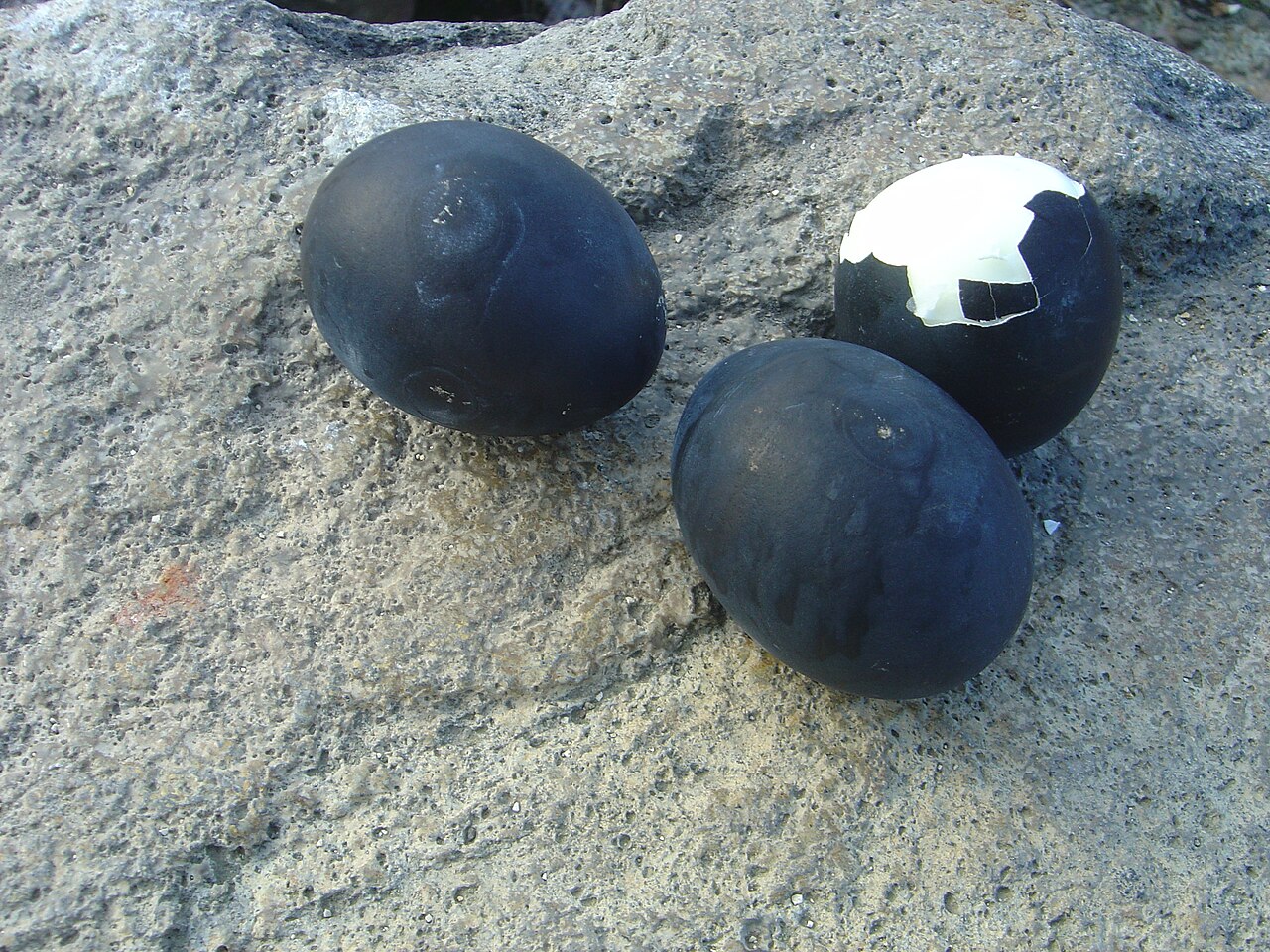
Hakone Black Eggs, known locally as 黒たまご (kurotamago, black egg; a Hakone specialty made in sulfur hot springs), are a Hakone specialty made in the volcanic hot springs of 大涌谷 (Owakudani, a volcanic valley area with hot springs and steam vents). The shells blacken through a chemical reaction involving sulfur and iron in the water, while the egg itself remains a normal boiled egg (so no, there is no secret ink, charcoal trick, or monkish wizardry involved).
They are more than a snack. In Hakone, these eggs are part of the sightseeing ritual, a souvenir, a local talking point, and a tiny edible souvenir from a very dramatic landscape. Owakudani itself was formed about 3,000 years ago after the last eruption of Mount Hakone, and it remains an active volcanic area with steam vents and that unmistakable sulfur smell that clings to your clothes in the most committed way possible.
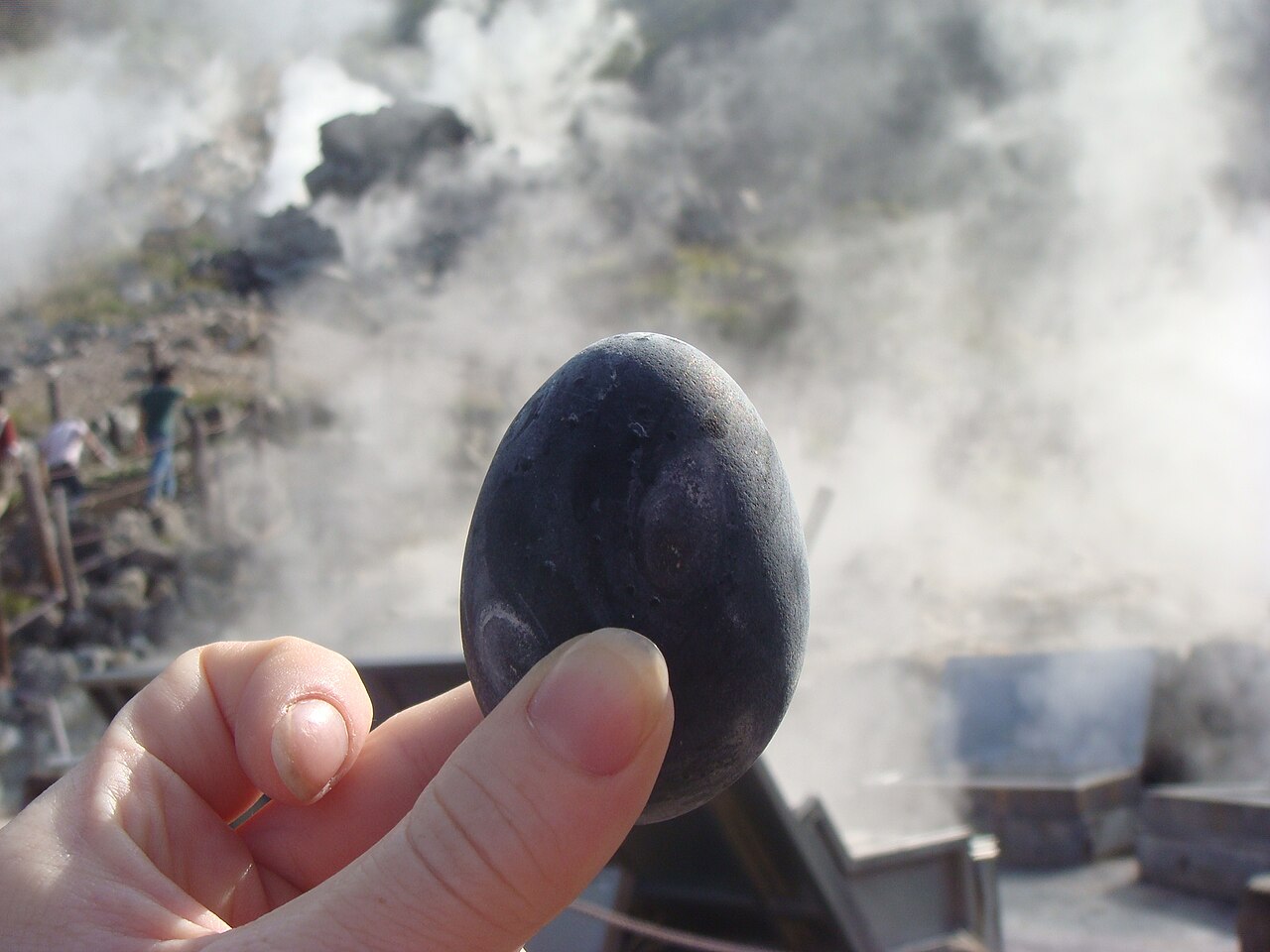
Part of the appeal is the folklore. A local legend says eating one kurotamago adds seven years to your life. It is best understood as a charming tourist myth rather than a scientific claim, but honestly, if a black egg comes with a little bit of optimism and a scenic cable car ride, who is complaining?
What Makes the Eggs Black
The process is surprisingly straightforward. Eggs are cooked in the sulfur-rich hot springs around Owakudani, and the minerals in the volcanic water react with the shells. The result is the distinctive black exterior that gives kurotamago its fame. The inside stays as you would expect from a boiled egg: familiar, simple, and slightly cheeky considering the theatrical shell.
This is where the appeal really lies. Hakone Black Eggs look unusual enough to feel special, but they are still grounded in a real place, a real landscape, and a real culinary tradition. I find that reassuring, in the way a good train timetable is reassuring. Nature does the hard work, tourism does the rest.
A Local Specialty with a Long Tourism History
The kurotamago practice in Owakudani has been used since the 明治 (Meiji, the Meiji era, a historical period in Japan) era, when tourism to Hakone first began to grow in a more organised way. That matters, because it shows the eggs are not just an internet oddity that happened to catch a light for five minutes. They have been part of the local visitor experience for generations.
Over time, the eggs became closely associated with Owakudani and with the broader Hakone travel circuit. They are sold by vendors, packaged as souvenirs, and sometimes served in meals such as lunchboxes or alongside 焼きおにぎり (yakionigiri, grilled rice ball), which gives them a slightly more substantial role than a novelty item. And, because we live in the age of social media, they have also enjoyed a second life as a viral travel attraction. A black egg in a volcanic valley is, apparently, the sort of thing the internet can agree on.
How to Eat Them and What to Expect
If you are expecting a dramatic flavour revelation, temper the excitement. The inside is a normal boiled egg, which is part of the joke and part of the charm. The point is not that the egg tastes supernatural, but that the experience around it feels properly Hakone: steam rising from the valley, ロープウェイ (ropeway, cable car system) passengers craning for views, and everyone lining up for the same modest, slightly smoky snack.
People often buy kurotamago as a quick bite, but they also work well as a souvenir if you want something that is both edible and ridiculous in just the right proportion. That combination is rarer than it ought to be.
- Sold fresh by local vendors in Owakudani
- Packaged as souvenirs for visitors
- Sometimes included in lunchboxes or served with yakionigiri
- Closely tied to the legend of seven extra years of life
Where to Experience Them in Japan
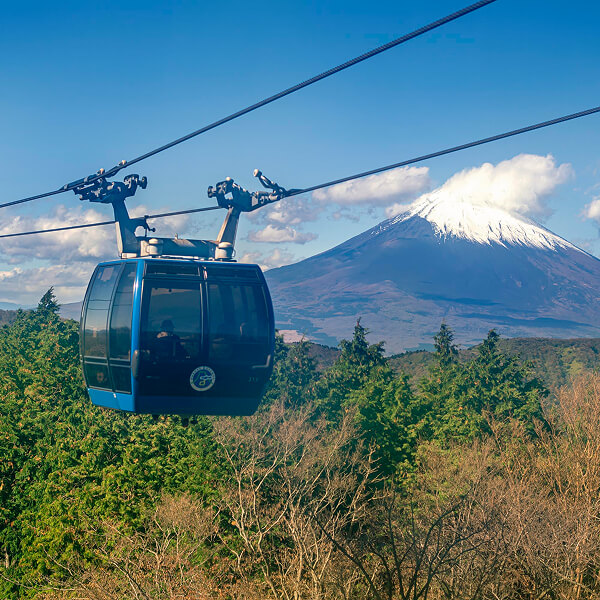
The obvious place is Owakudani in Hakone. That is where the eggs belong, and where the landscape does most of the work in making them memorable. The Hakone Ropeway is the classic route in, running from Sounzan to Togendai and stopping at Owakudani station. The full one-way journey takes about 30 minutes, with departures roughly every 7 to 15 minutes depending on the season, so it is one of those rare tourist transport systems that is both practical and a bit cinematic.
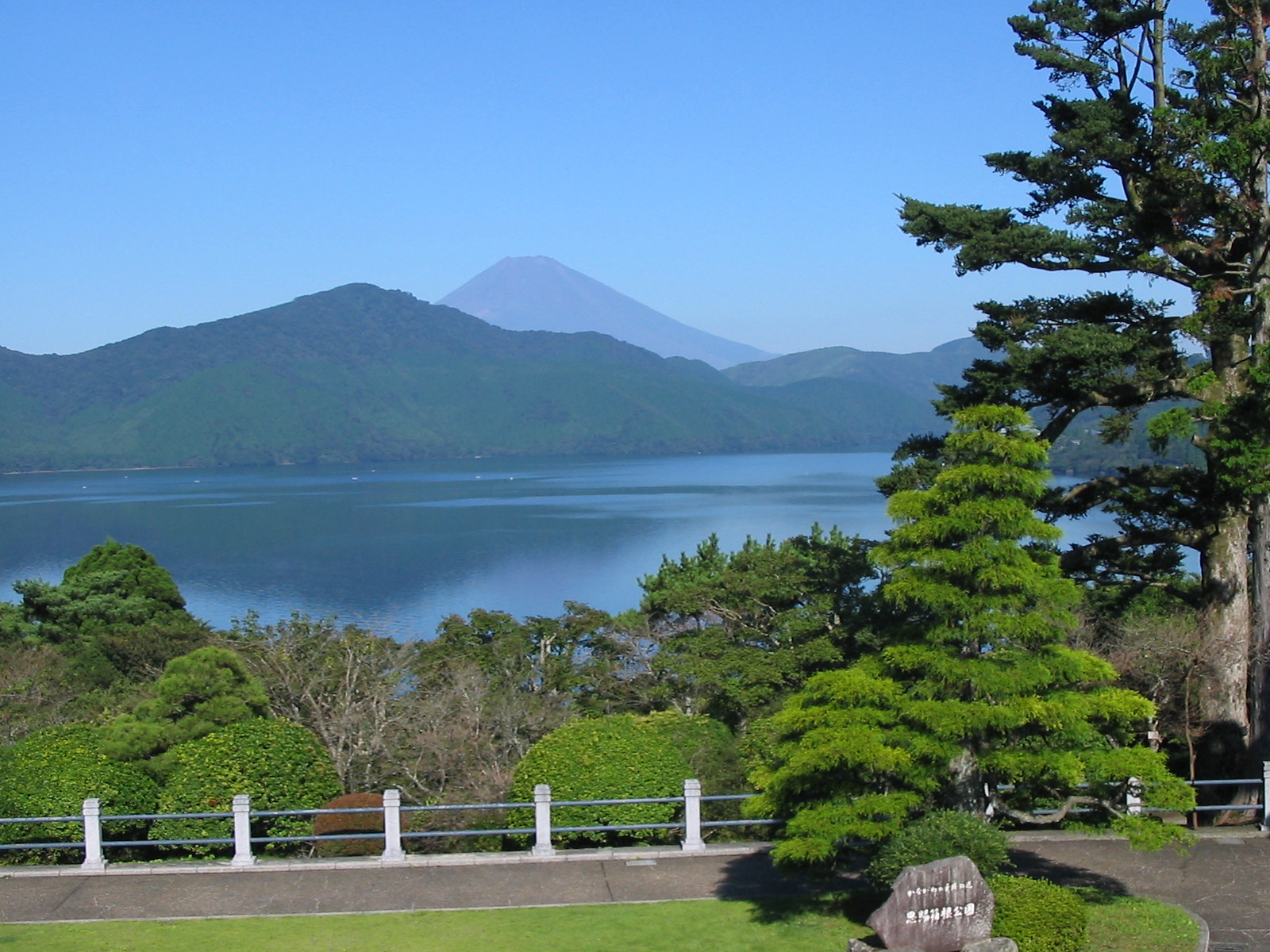
From Tokyo, Hakone-Yumoto is reachable in about 80 to 90 minutes by train depending on your route, which makes Hakone very doable as a day trip or a slower overnight stay. The classic sightseeing loop can include the Hakone Tozan Railway, the cable car, the ropeway, Lake Ashi, and Owakudani, which is a perfectly respectable way to spend a day pretending you are not, in fact, being shepherded through a very elegant tourist circuit.
If you want the full experience, go for the whole sequence: train, cable car, ropeway, steam valley, black egg. It feels almost absurdly complete.
Why Hakone Black Eggs Matter
Hakone Black Eggs matter because they sit at the intersection of food, place, and story. They are not just an ingredient or a dish in the narrow sense; they are a souvenir you can eat, a legend you can repeat, and a small lesson in how Japanese travel culture turns geology into an attraction. The fact that they are still popular, still sold, and still discussed speaks to their staying power.
For anyone interested in Hakone, Owakudani, or even Hakone Black Eggs japanisch lernen style curiosity (the sort of search that starts with a snack and somehow ends with a regional history rabbit hole), they offer a tidy introduction to local speciality culture. And if you are looking up Hakone Black Eggs kanji, the common form is 黒たまご, though the romanised kurotamago is what you will see most often in practical travel contexts.
So yes, they are eggs. But they are also a bit of folklore, a bit of geology, and a very decent excuse to ride a ropeway above a volcanic valley. Which, in my book, is rather excellent.