

Why Ginza Still Feels Like Tokyo's Top District in 2026
What most people don’t know is that Ginza isn’t just about high prices and glossy shop windows. The area sits right in central Tokyo, with Ginza Station, Higashi-Ginza Station, and Yurakucho Station all within easy reach, so it’s one of the simplest luxury districts to visit in a single day. Compared with back home, the streets feel calmer than you might expect, even when the sidewalks are busy.



The first time I went to Japan, I thought Ginza would feel stiff and intimidating. It doesn’t. Yes, you’ll see brands like Chanel, Dior, and Cartier, but you’ll also find old-fashioned kissaten, basement food halls, and side streets where the pace drops fast. Striking, isn’t it?
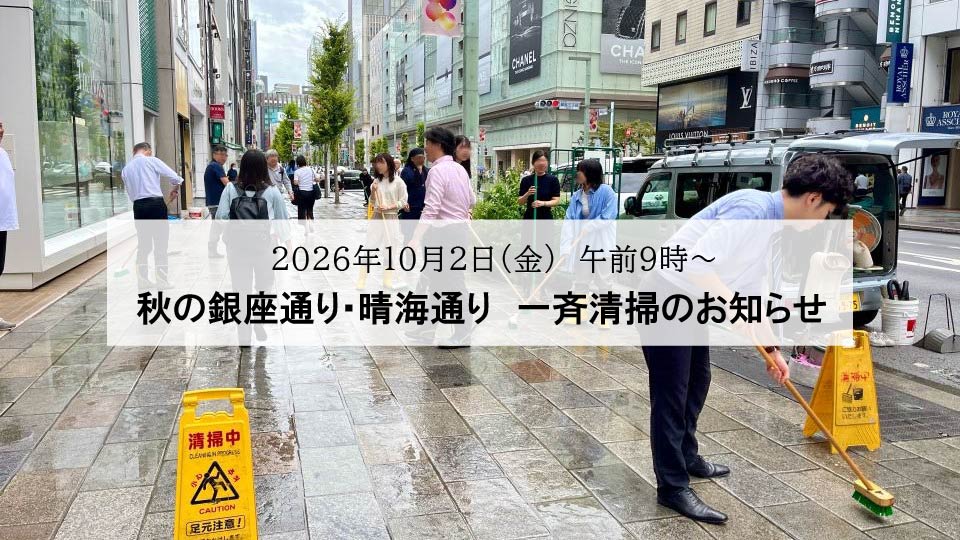
Take Ginza Six, for instance. Opened in 2017, it remains the district’s biggest shopping anchor, with a rooftop garden, art installations, and a strong mix of fashion, cosmetics, and lifestyle labels. That’s why a one-day plan here works so well. You can move from luxury shopping to a proper lunch, then into a relaxed walk, all without leaving the neighbourhood. From my experience, that balance is the real appeal.
Ginza 2026 Guide: Where to Eat Well Without Wasting Time
Here’s the deal: if you only have one day, book or plan one focused meal rather than trying to eat everywhere. Ginza is packed with polished restaurants, but the best experiences often come from choosing a single place and slowing down. Japanese service culture, or おもてなし (omotenashi, Japanese-style hospitality), is part of the charm, and you can feel it in everything from how tea is poured to how quietly the staff move.
Lunch ideas for a luxury day
For sushi, Ginza is one of Tokyo’s most famous districts, with long-running counters and serious lunch sets that are much cheaper than dinner. If you want a memorable but sensible stop, look for a lunch お任せ (omakase, chef's choice) around 5,000 to 15,000 yen, depending on the level of the restaurant. Quick detour: many places still use a ticket or reservation system, so check ahead before you walk in.
ラーメン (ramen, ramen noodles) fans shouldn’t skip a refined bowl at a modern shop near Ginza Station. The area has plenty of upscale ramen spots that keep things tidy, fast, and very Japanese in the best way. Sounds weird, but it’s true. Even a noodle lunch can feel a little luxurious here.
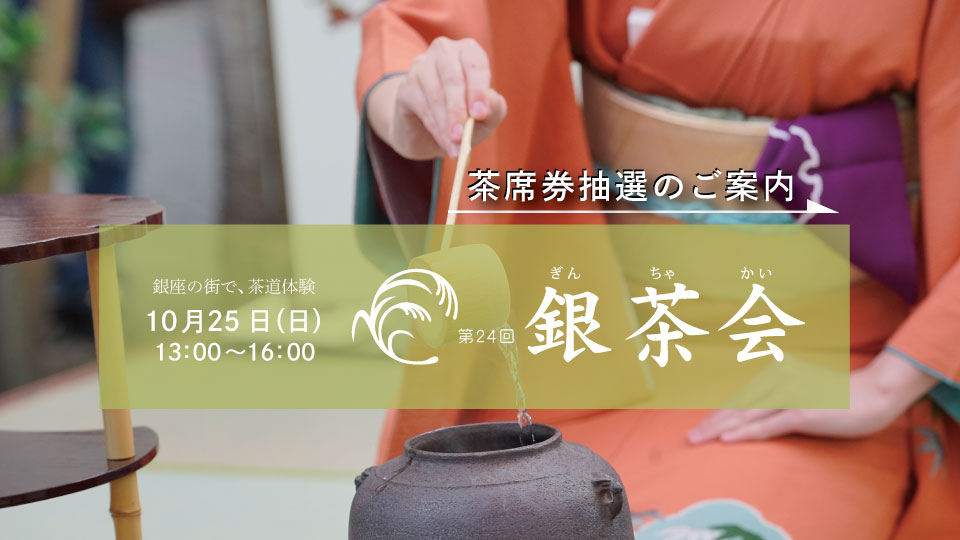
My tip is this: if you want a break from heavy meals, go for 和菓子 (wagashi, traditional Japanese sweets) and 抹茶 (matcha, powdered green tea) in the afternoon. Traditional sweets pair beautifully with the district’s slower side, and they give you a nice reset before more walking. Personally, that’s one of the best ways to experience Ginza without spending half your day seated. Sounds good, right?
Ginza Shopping Tips: Flagships, Basements, and Small Surprises
Unlike what we’re used to in many shopping districts, Ginza isn’t only about clothes. The area is famous for department stores, especially Matsuya Ginza and Mitsukoshi Ginza, which both have excellent basement food floors called デパ地下 (depachika, department-store basement food floor). These are great if you want quality snacks, 弁当 (bento, boxed lunch), sweets, or gifts you can actually carry home.




Where to shop first
Start with Ginza Six if you want the widest mix in one building. Then walk towards Chuo-dori, the main boulevard, where many luxury brands line the street. On weekends, the road is often pedestrianised, which makes the area feel much more open, especially between late morning and early evening. Not bad, right?
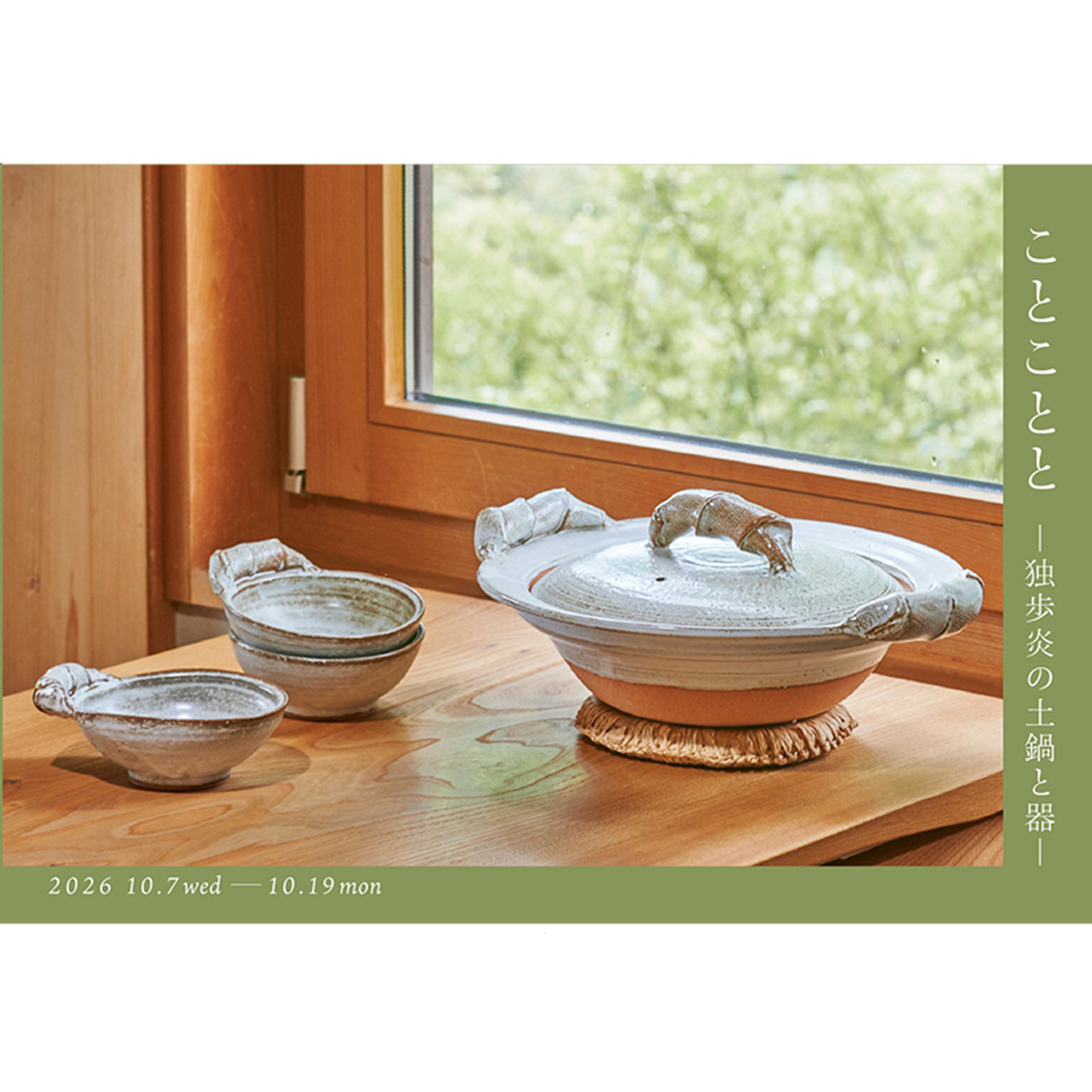
If you like Japanese stationery, beauty products, or travel gifts, the department stores are often better than the big international flagships. You can compare packaging, test products, and pick up items that feel distinctly Japanese, like 風呂敷 (furoshiki, wrapping cloth) cloths, tea sets, or limited-edition sweets. That brings us to a small but useful learning point: words like omiyage for souvenirs and depachika for basement food floors come up all the time in real travel conversations.
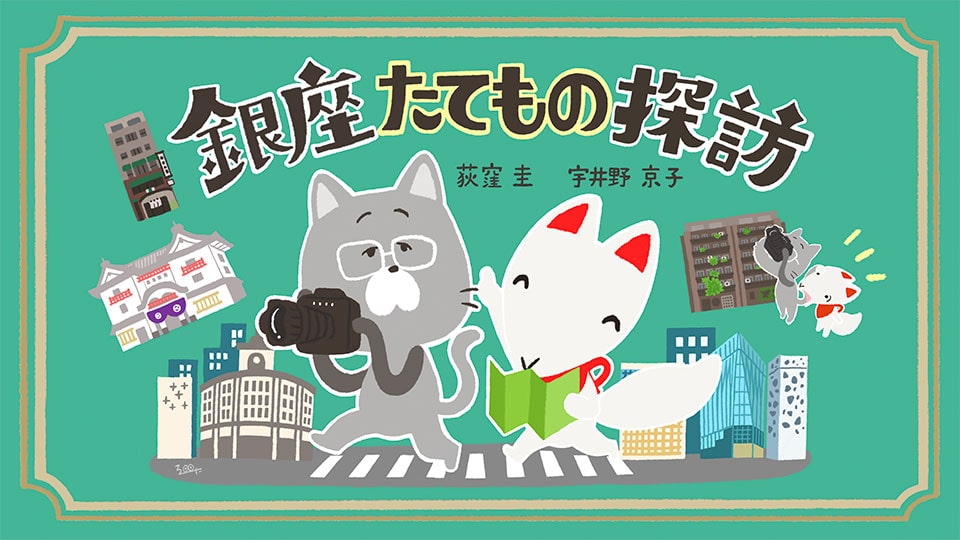
Quick detour: Ginza also rewards slow browsing. Side streets often hide small galleries, watch boutiques, and specialty stores that you might miss if you only stay on the main road. The first time I went to Japan, I barely noticed those quieter lanes, and that was a mistake. They’re where Ginza starts feeling personal, not just polished. From my experience, that’s where the area really opens up.

Best Ginza Walking Routes for a Relaxed Day
Ginza is easy to explore on foot because the district is compact, flat, and well connected. You don’t need a packed itinerary, just a simple loop with a few strong stops. Here’s the catch: the best walks in Ginza are less about distance and more about mood.
A simple 3-part route
Start at Ginza Station, walk up Chuo-dori, and spend time around Ginza Six and the nearby flagship stores. Then head towards Harumi-dori, where the traffic and pace shift slightly, and you can see a different side of the district. After that, cut into the side streets around Uchiwa or Namiki-dori for a quieter finish.
Fun fact: Namiki-dori is one of the best-known streets in Ginza for its elegant atmosphere, and it’s especially nice in the evening when the windows glow and the crowds thin out. If you want a short scenic break, walk towards Yurakucho and look for the contrast between Ginza’s luxury mood and the more casual izakaya streets nearby. That contrast is classic Tokyo, and it keeps the area from feeling one-note.
Compared with back home, you may notice how clean, orderly, and walkable the district feels. Even the side streets look intentional. That’s part of why a simple stroll can become the best part of the day. Personally, I think that’s the real magic of Ginza.
In pictures
Frequently Asked Questions
Is Ginza worth visiting if I do not plan to shop?
Yes. Ginza is great for food, architecture, department stores, and walking, so you can enjoy a full day there without buying luxury items.
How much time should I spend in Ginza?
Half a day works, but one full day is ideal if you want to eat, shop, and walk at an easy pace.
Is Ginza easy for first-time visitors to Tokyo?
Yes. It is centrally located, well connected by train, and simple to navigate on foot.


