
If you want a trip that feels packed but not rushed, Hakone’s hard to beat. It’s close enough for a one-day escape, yet varied enough to feel like a proper journey, not just a quick outing.
Hakone Freepass from Tokyo: why this day trip works so well
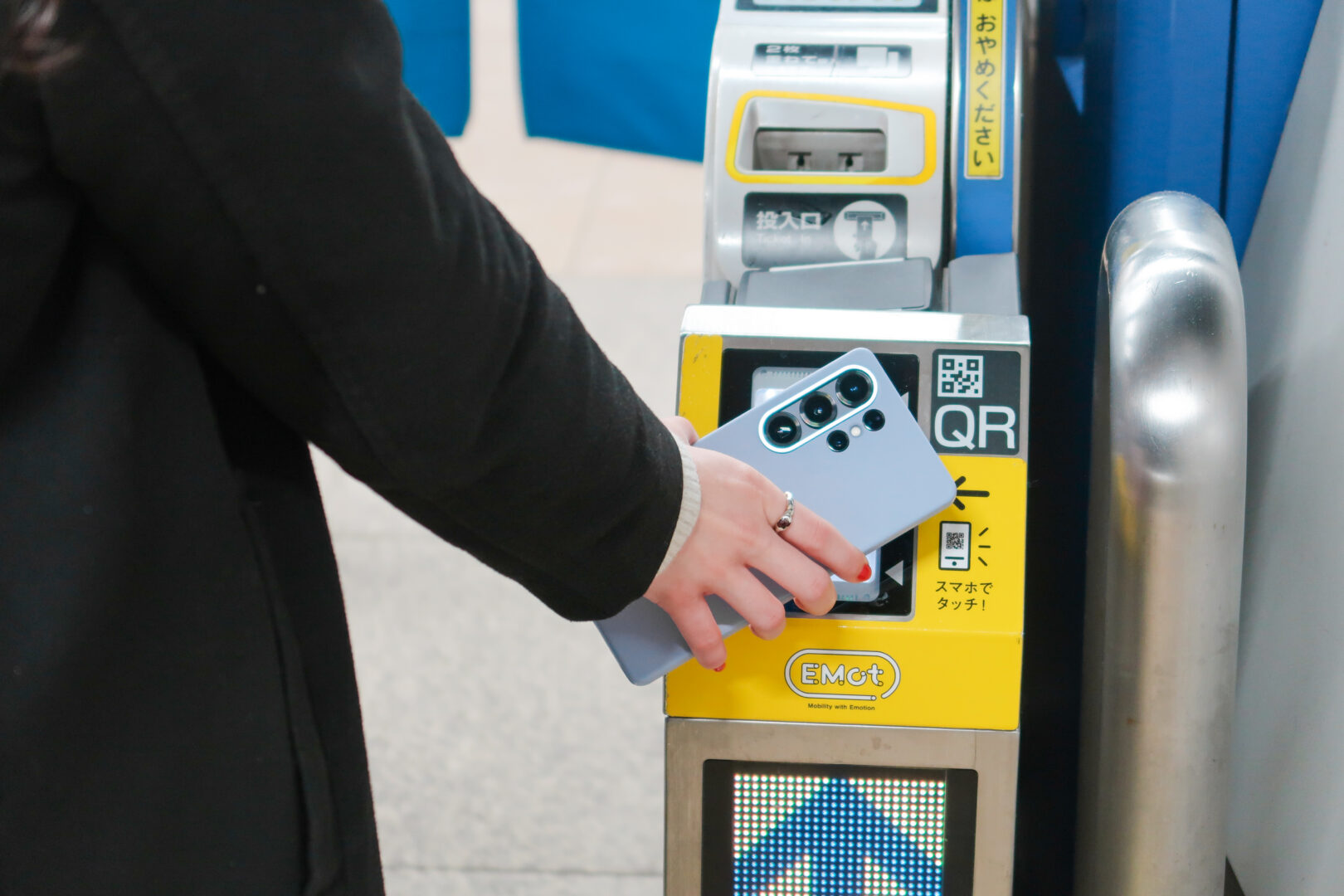
What most people don't know is that Hakone is one of the few places near Tokyo where you can build a full, varied day without renting a car. Odakyu is the key here, because it runs the classic access route from Shinjuku and sells the Hakone Freepass, the ticket that keeps the whole day smooth.
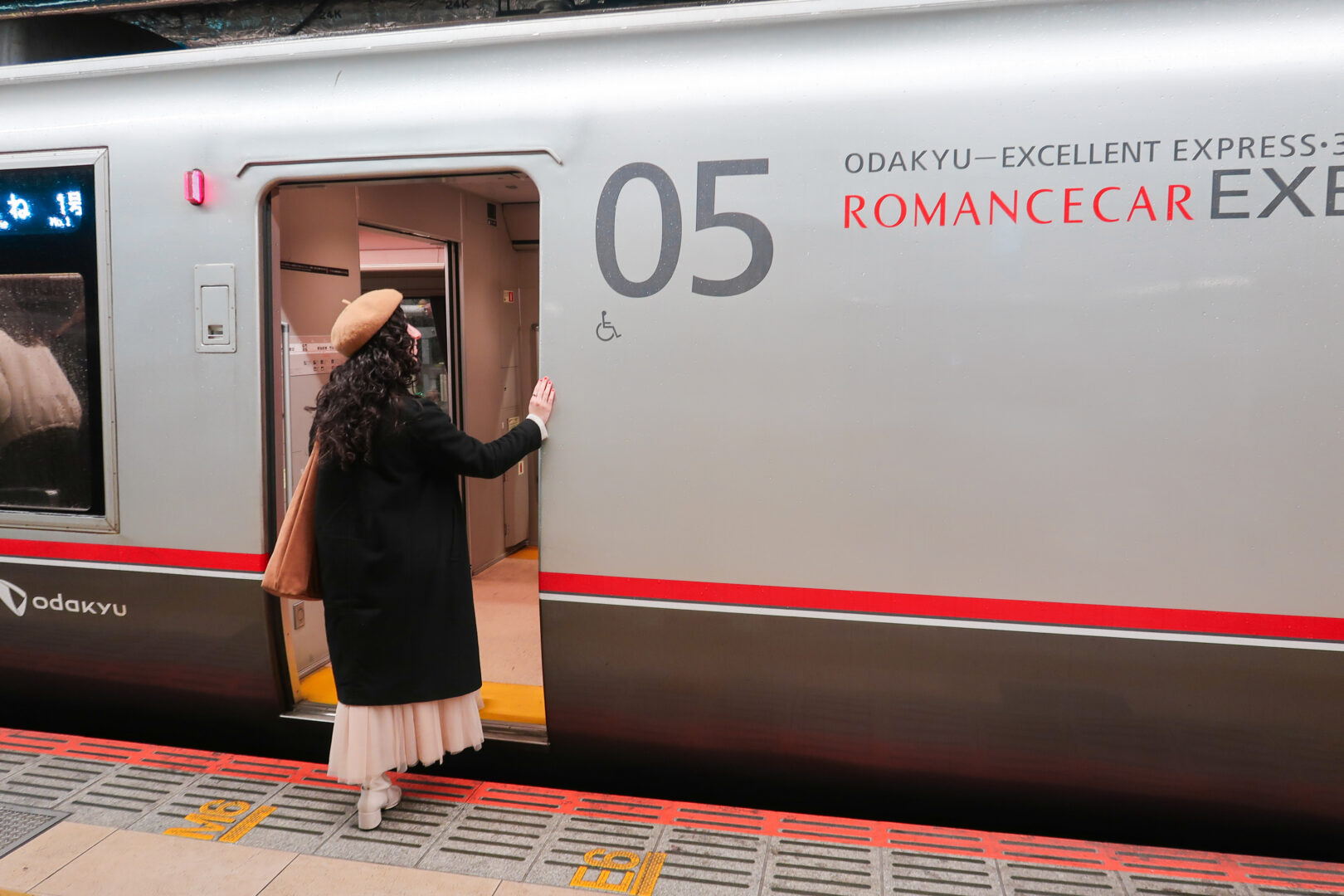
The usual starting point is Shinjuku, where Odakyu limited express trains like Romancecar make the trip feel easy from the start. Depending on the route you choose, you can be in the Hakone area in roughly 80 to 100 minutes before you even begin the sightseeing part. That makes Hakone one of the most practical escapes for Japan fans who want mountains, water, and history in one shot. Sounds good, right?
To be fair, you can visit Hakone without the pass, but you’ll spend more time buying separate tickets and less time actually moving. The pass is designed for the area’s transport web, which is exactly why it works. For a day trip, that convenience matters a lot.
What the Hakone Freepass covers, and how to use it well
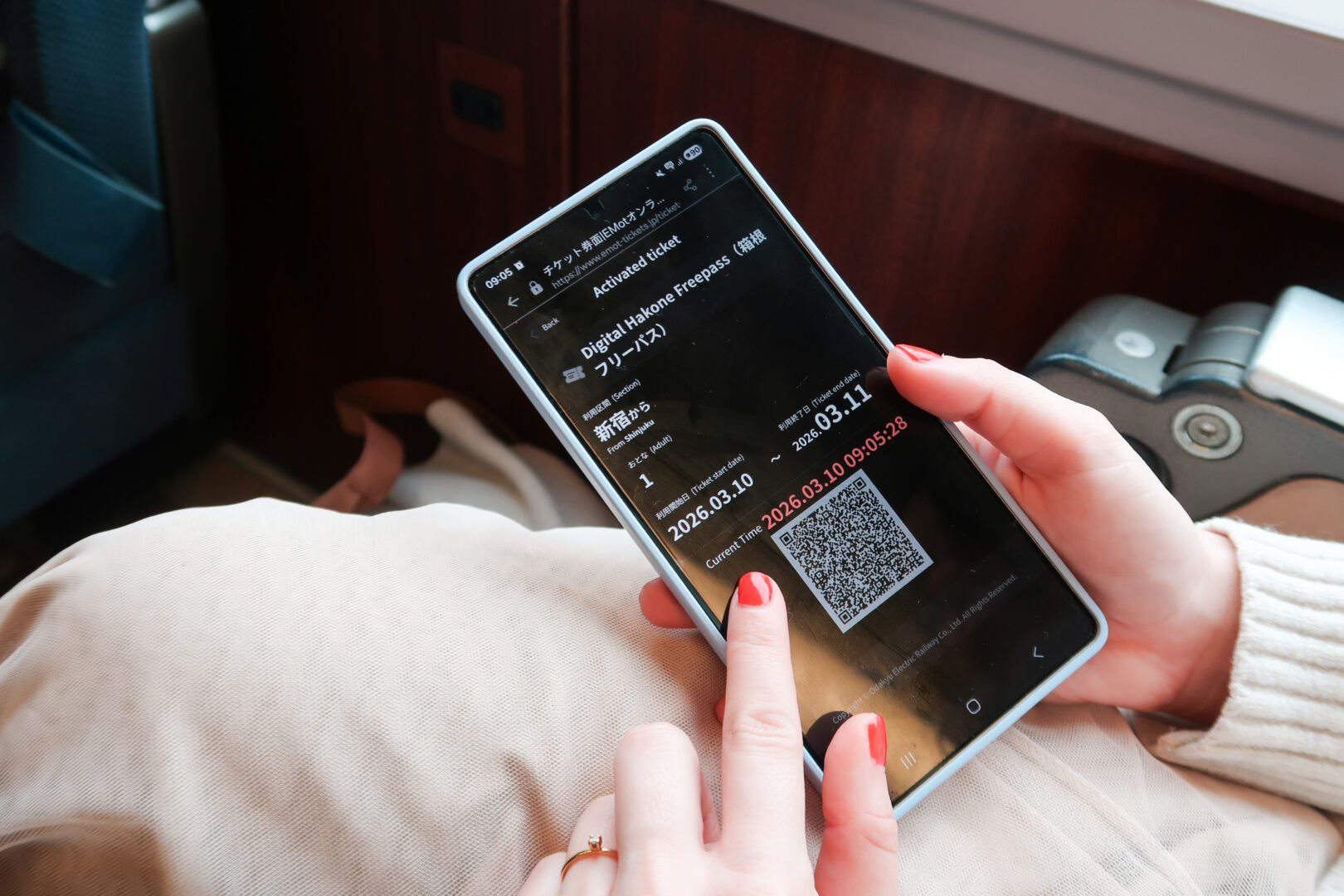
The Hakone Freepass is sold by Odakyu and comes in versions for 2 or 3 days, though day-trippers usually focus on the shortest practical plan. It typically covers a round trip from the Tokyo area on Odakyu lines, plus unlimited rides on designated Hakone transport inside the resort area, including the Hakone Tozan Railway, Hakone Tozan Bus, Hakone Ropeway, and the Hakone Sightseeing Cruise on Lake Ashi. Classic Japan, isn't it?
Before I forget, the exact coverage can change, so check the current Odakyu page before you go. If you’re using the pass from Shinjuku, you’re paying for two things at once: easier transport and a built-in route structure. That structure is useful because Hakone has several separate highlights, and the connections between them are part of the experience.
Pro tip: plan the route in one loop
Try not to backtrack. A popular one-day loop goes from Hakone-Yumoto up to Gora on the mountain railway, then to Sounzan, then by ropeway toward Owakudani, and after that down toward Togendai for the lake boat and shrine area. It feels efficient, and it lets you see the landscape change from town streets to volcanic ground to open water.
What I especially like is that the route itself becomes part of the sightseeing. You’re not just jumping between attractions, you’re watching Hakone unfold layer by layer. From my experience...
Hakone sights for a day trip: volcanic valleys, art, shrines
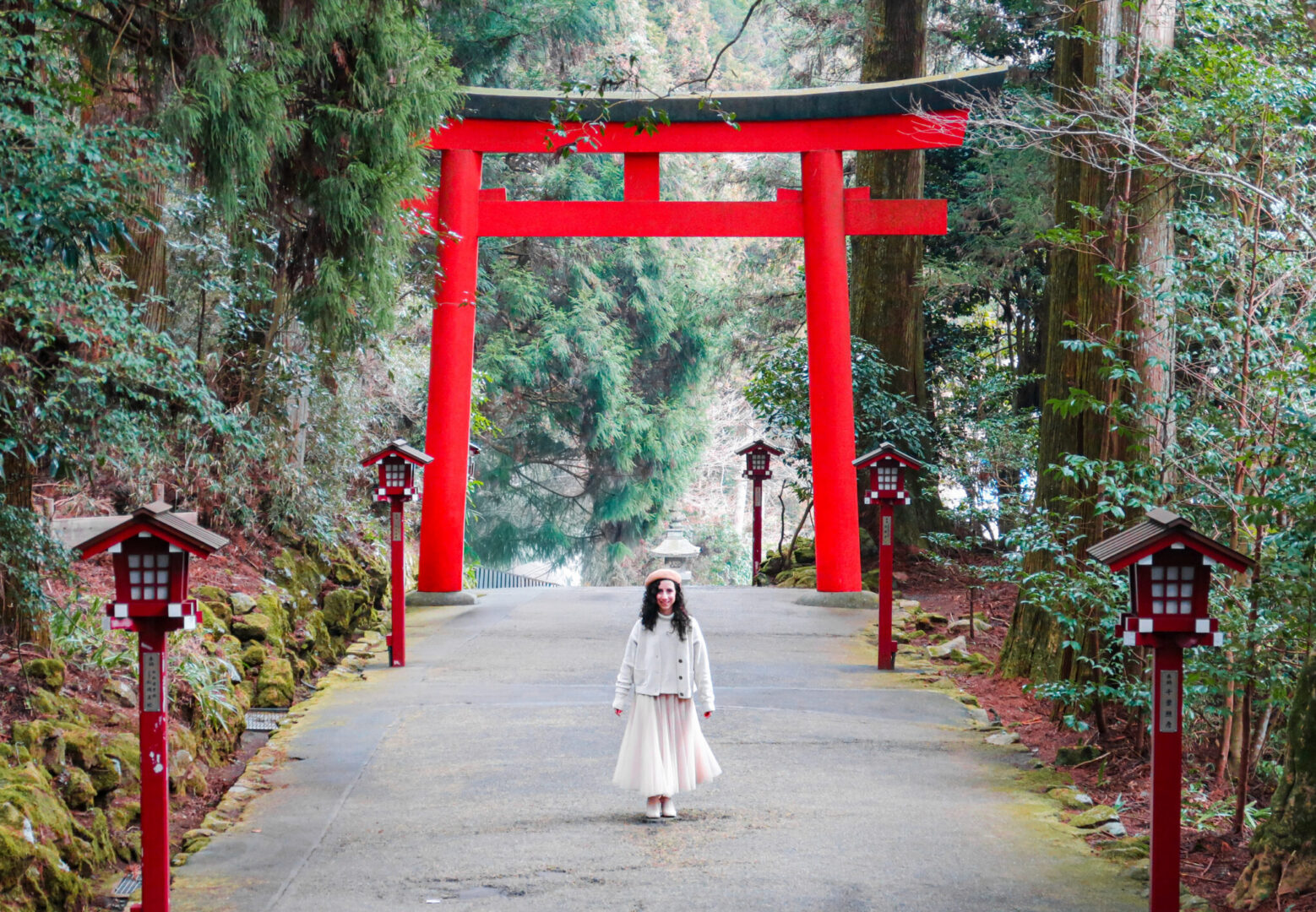
Let me show you why Hakone works even if you only have one day. The area is compact in one sense, but the scenery changes fast. In the morning you might be in a train station, then suddenly you’re looking at steam vents, cedar-lined roads, and a lake with a 鳥居 (torii, shrine gate) gate in the distance.
Owakudani and the volcanic side of Hakone
Take Owakudani, for instance. This volcanic valley was formed after the eruption of Mount Hakone around 3,000 years ago, and it still smells of sulfur and looks dramatic in the best way. The ropeway gives you sweeping views, and on a clear day you can even spot Mt Fuji. Try the famous 黒たまご (kuro-tamago, black egg), eggs boiled in the hot spring water and turned black by minerals, because that little local snack is a nice conversation starter if you’re learning Japanese.



For learners, this is a good moment to pick up words like onsen and yama. The scenery isn’t quite kabuki, but it does feel theatrical in a very Japanese way. Wait, there's more.
Lake Ashi and Hakone Shrine
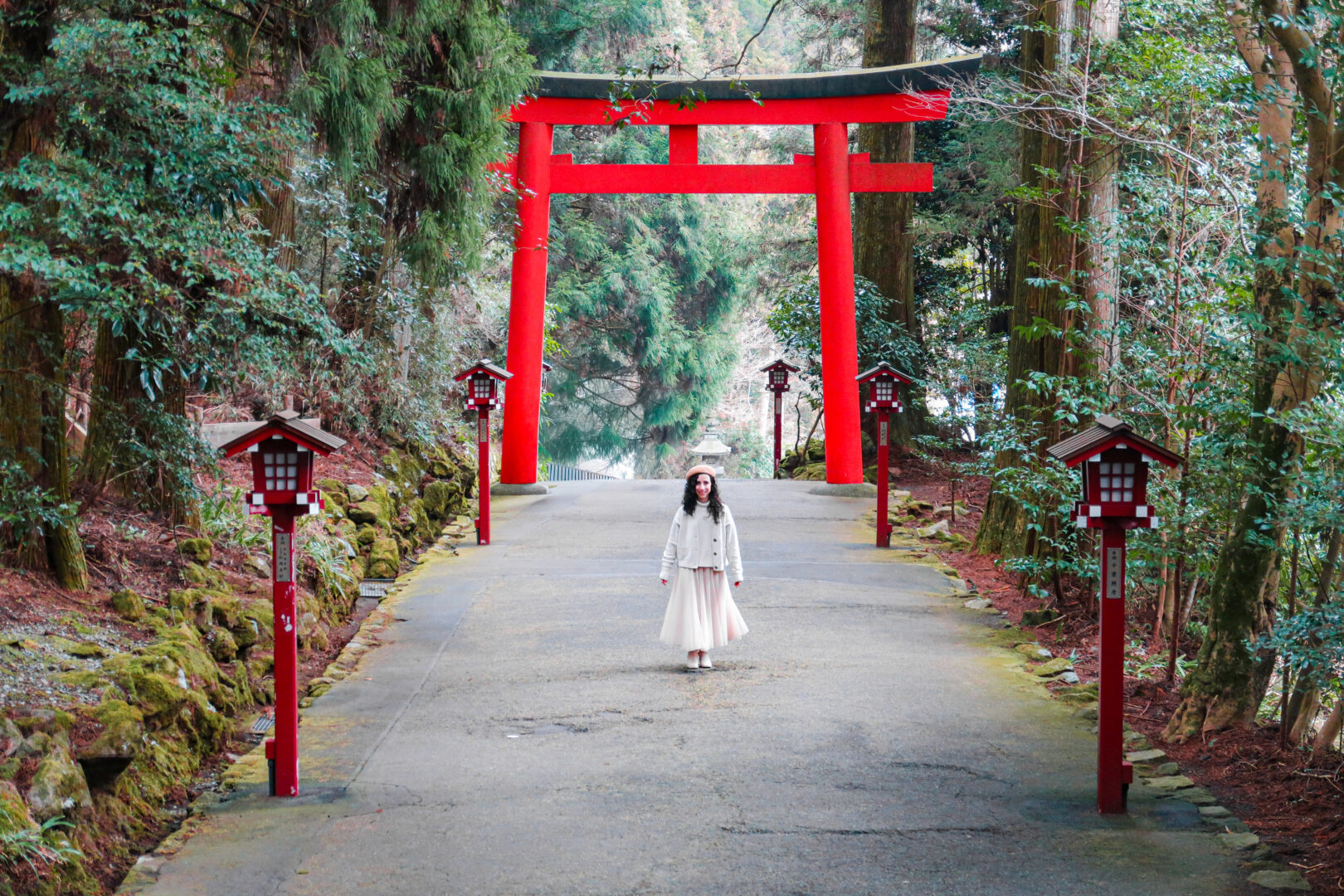
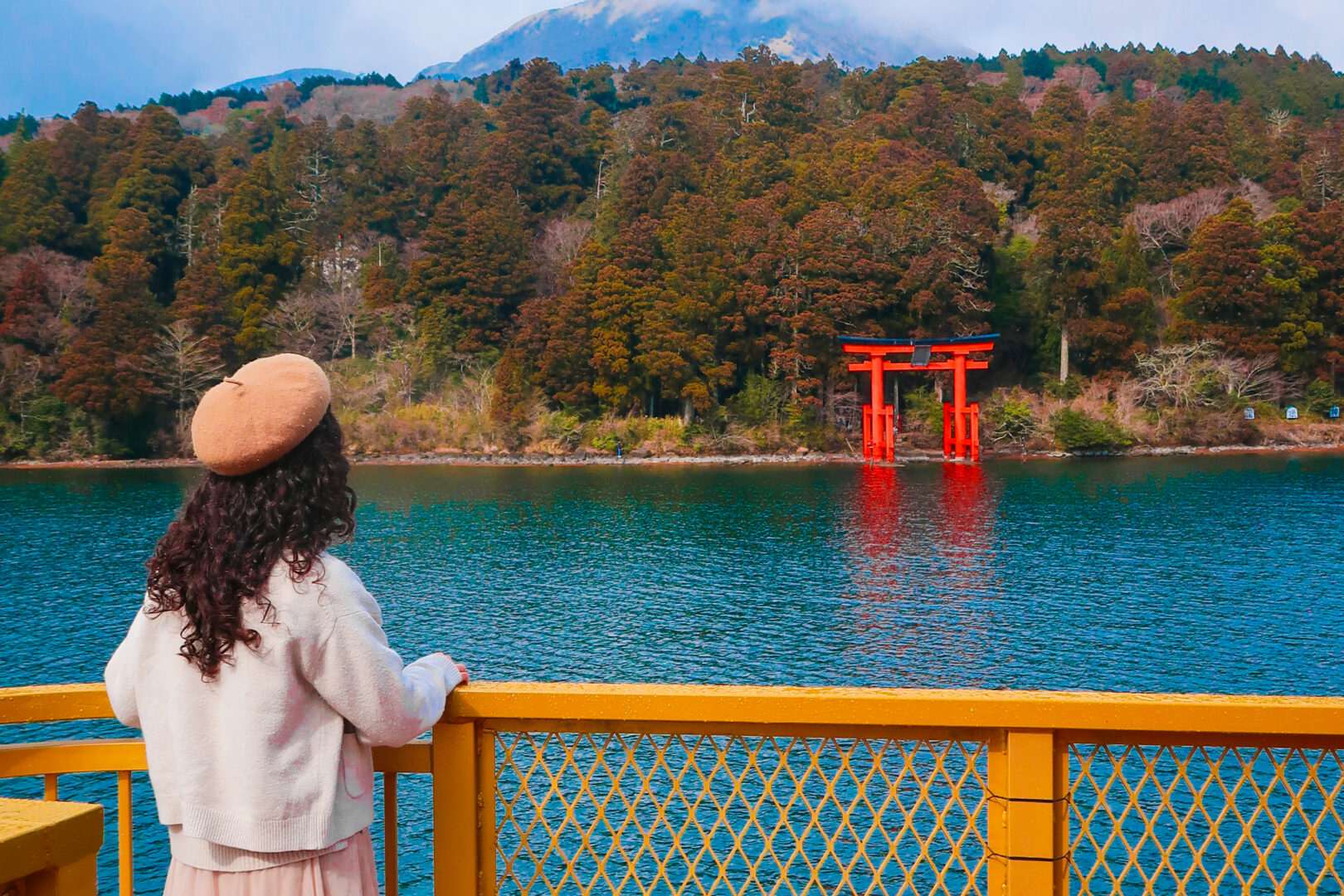
The best part is that the lake area gives you that postcard Hakone image everyone recognises. The sightseeing boat crosses Lake Ashi, and from Motohakone or the surrounding shoreline you can walk to Hakone Shrine, one of the region’s most visited sacred sites. Its famous torii on the water is a huge draw, and the cedar avenue nearby adds a quiet, old-Japan feel that contrasts nicely with the ropeway section.
By the way, if you’re interested in Japanese culture, shrine etiquette is worth learning before you arrive. A simple bows-and-claps rhythm, plus a respectful pace, goes a long way. Even if you don’t know every detail, moving calmly and quietly shows you understand the mood of the place. Highly recommended:
Hakone’s art museums fit the day-trip mood
Hakone isn’t only about nature. The area is also strong on art, especially around Gora and the broader museum zone. The Hakone Open-Air Museum opened in 1969 and remains one of the best-known outdoor sculpture parks in Japan, with large works spread across green space and mountain air. It’s a smart stop if you want a change of pace between transport rides and scenic viewpoints.
What makes this work on a day trip is how flexible it feels. You don’t have to see every museum; just one well-placed stop can balance the more crowded and active parts of the route. If you’re travelling with someone who loves design, or if you want a break from shrine and landscape sightseeing, this is the place to do it. Simply brilliant.
How to make a one-day Hakone trip feel relaxed
No joke: Hakone is best when you accept that you can’t do everything. Pick three anchors, maybe Owakudani, Lake Ashi, and Hakone Shrine, then add one art stop if time allows. That’s enough for a satisfying day without turning it into a sprint.
My tip is to leave Tokyo early, ideally before 8:00 am, and keep an eye on the weather. Mt Fuji views are always a bonus, not a promise, and cloud cover can change fast. If Fuji is hidden, don’t stress; Hakone still gives you steam valleys, lake scenery, and proper mountain atmosphere. You’ll still come home with plenty to talk about, and probably a few good romaji words in your pocket too, like 景色 (keshiki, scenery), 神社 (jinja, Shinto shrine), and 観光 (kankou, sightseeing). From my experience...
If you want to go deeper, Odakyu’s own route guidance is the best place to start, since the company knows the Freepass system inside out. Pair that with a simple map, and you’ll avoid wasting time on guesswork. For Japan learners, that also means more chances to read signs, hear place names, and connect vocabulary with real locations, which is often the fastest way to make Japanese stick.
In pictures
Frequently Asked Questions
Is Hakone a good day trip from Tokyo?
Yes, it is one of the easiest and most rewarding day trips from Tokyo, especially if you start early.
Does the Hakone Freepass save money?
Usually yes, if you plan to use several of the covered transport options in one day.
Can I see Mt Fuji from Hakone?
You can sometimes see Mt Fuji, but the view depends heavily on the weather.


