
And that’s the bit I love most: it looks restrained, almost shy, then turns out to be one of the most considered meals you can have in Japan. No wonder, since Kyoto has had centuries to get this right.
Kaiseki in Kyoto, where the city sets the tone
Here’s the thing: Kyoto and 懐石料理 (Kaiseki, formal Japanese multi-course meal) were practically made for each other. The city spent more than a thousand years as Japan’s imperial capital, and that long history still leaks into the food, the pace, the manners, the whole slightly ceremonial mood of the evening. If Tokyo is a rush of bright lights and elbows, Kyoto is the place that asks you to take your shoes off, sit down, and think about a bowl of soup for a moment.
Kaiseki itself is not just “lots of small dishes”, which is how it sometimes gets flattened in travel chatter. It is a multi-course meal built around seasonality, balance, and restraint, with every plate, bowl, and garnish doing a job. A good example: a morsel of 刺身 (sashimi, raw sliced fish) with 山葵 (wasabi, Japanese horseradish), a clear soup, grilled fish, a simmered dish, rice, pickles, and a sweet finish. It sounds modest on paper. Then it arrives, and you realise the room has been quietly rearranged around it.
And Kyoto gives that style its best stage. The city’s food culture leans on local vegetables, mountain produce, tofu, yuba, and the kind of subtle seasoning that would make a heavy hand feel frankly uncouth. Even the famous tofu dishes in Kyoto, from hiyayakko to yudofu, feel like they were designed to make a point without shouting. That’s why kaiseki here often feels less like a performance and more like an argument for patience. But that’s not all.
Hiiragiya Kyoto: the ryokan setting that changes everything
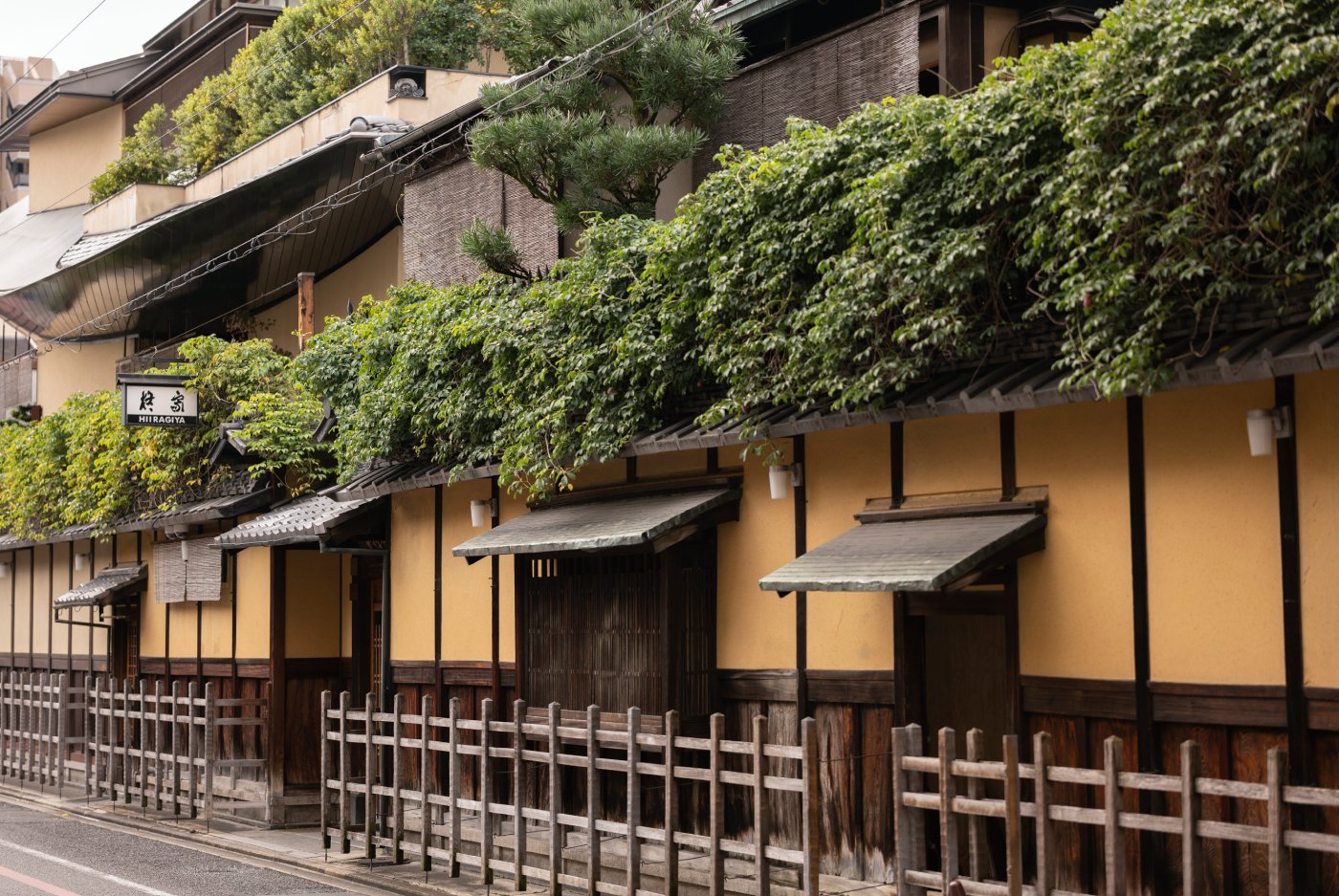
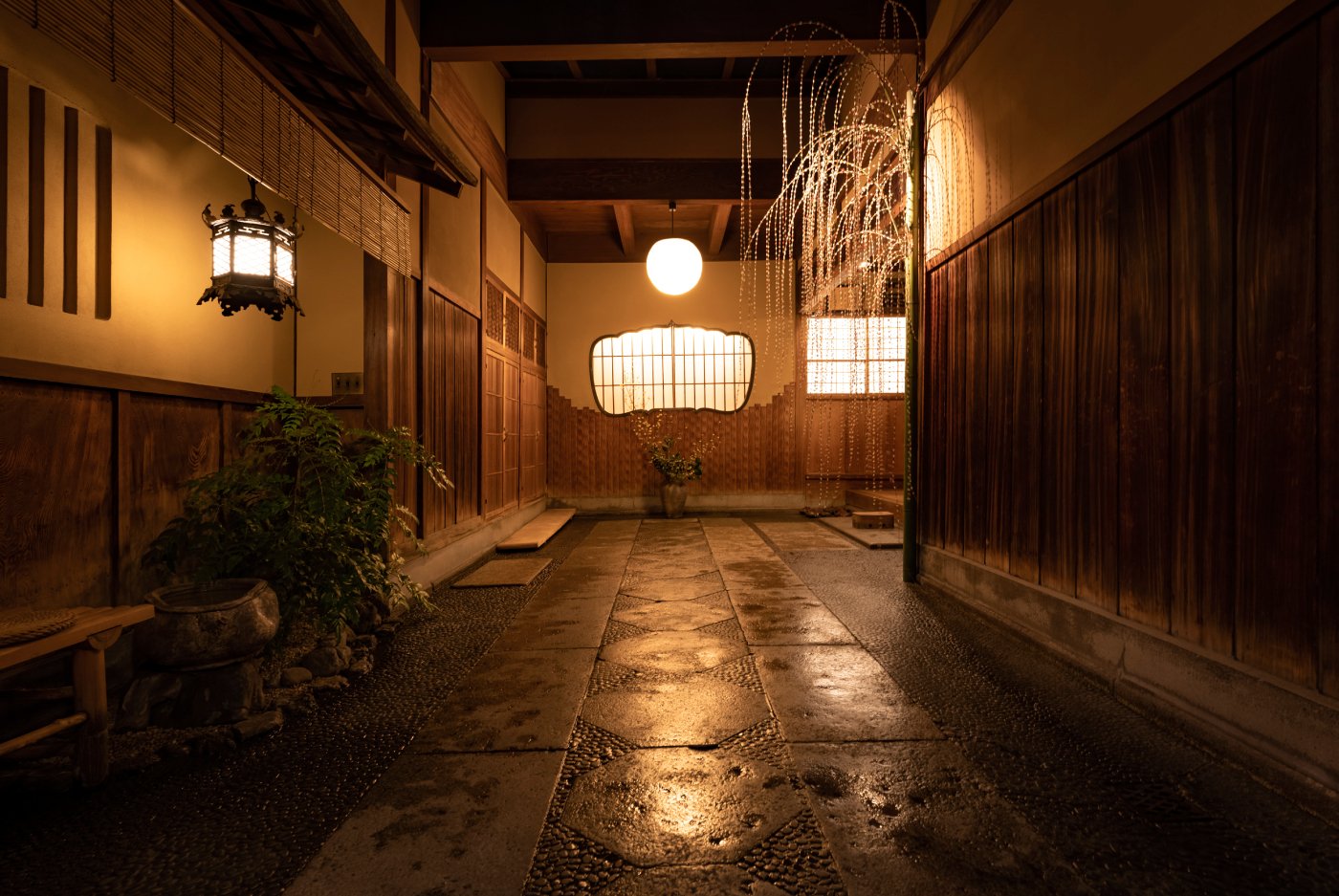
Trust me on this one: the setting matters, properly matters. If you eat kaiseki in a modern dining room, it can still be superb, but at a historic ryokan like Hiiragiya in Kyoto, the whole thing gains another layer. Hiiragiya was founded in 1818, which means it has been receiving guests for over two centuries, and the building itself feels like it has absorbed every rustle of silk, every season, every polite cough in the corridor.

Hiiragiya has long been one of Kyoto’s most storied ryokan, and that reputation isn’t built on marketing puff. The atmosphere is quiet, attentive, and very much on purpose. You arrive, you’re greeted, you’re guided, and then the meal begins with the sort of composure British dining rooms can only dream of after the third glass of wine. I’m not special. I’m not particularly talented at anything, but even I can tell when a place understands timing.
Why the ryokan changes the meal
The best part is that a ryokan meal gives you a sense of sequence that feels almost theatrical, but in a whisper rather than a fanfare. You sit on 畳 (tatami, woven straw mat), or at least close to it, and dishes appear one by one. No racing through courses, no pile-it-high enthusiasm, no “sharing plates” chaos. The room slows you down whether you planned to or not.
At Hiiragiya, that quiet precision also shows in the service. The staff know when to explain, when to step back, and when to simply place a lacquered bowl in front of you and let the thing speak for itself. A British corner shop has nothing on the choreography of a good ryokan dinner, and that is not a sentence I thought I’d write before breakfast. Wait, there’s more.
Kaiseki and dashi: the stock that does the heavy lifting
Did you know that 出汁 (dashi, Japanese soup stock) is the real star hiding in plain sight? If kaiseki is the architecture, dashi is the foundation, the plumbing, and probably the lighting too. It is the stock that gives Japanese cuisine its quiet depth, usually made from 昆布 (kombu, kelp), katsuobushi, niboshi, or some combination of them, and it’s everywhere once you start listening for it.



No exaggeration: the best kaiseki meals taste like someone has taken immense trouble to appear effortless. Dashi is the reason. In a clear soup, it gives you that clean, umami-rich finish that seems to vanish and linger at the same time. In simmered vegetables, it sharpens sweetness without bullying it. In Kyoto especially, where cuisine often prizes delicacy over force, dashi is doing a frankly heroic amount of work while looking as if it has merely turned up on time.
How dashi shapes each course
Picture this: a first bowl arrives, perhaps an awase-based clear soup, and you take one sip. The flavour isn’t loud, but it’s broad, calm, and neatly composed, like a room arranged by someone who understands that fewer objects can still be luxurious. Then come the fish, the vegetables, the rice, and each course seems to nudge the same idea from a different angle. That’s why a good kaiseki meal can feel like variations on a theme rather than a collection of random treats.
For Japanese learners, there’s a lovely bit of vocabulary to notice here. You’ll hear dashi, shun for seasonal peak, and umami in conversations about food all the time, and they’re worth remembering because they point to the logic underneath the meal. Japanese cuisine often builds flavour by subtraction, not addition, which is rude if you’re the sort of person who likes sauce on absolutely everything. Personally, I’m sympathetic, but Kyoto isn’t.
How to eat kaiseki without getting flustered
So, how do you actually approach a meal like this without feeling like you’ve wandered into a very polite exam? Start by not rushing. Kaiseki is meant to be eaten at a measured pace, with attention paid to temperature, texture, and the order of the courses. You don’t need to decode every garnish like a detective in a period drama. You just need to be present, and ideally not drop soy sauce on your lap.
What I especially like is that the meal gives you little social cues that are easy to absorb even if your Japanese is limited. A waiter may explain the seasonality of a fish, or point out that a garnish echoes cherry blossom time, maple leaves, or the first winter radish. And if you catch words like oishii, shun, or gochisousama deshita, you’re already participating in the rhythm of the meal. Not badly, either.
My tip: if you’re lucky enough to have kaiseki at a place like Hiiragiya, don’t spend the evening trying to photograph every plate from six angles. Take one picture, perhaps two, then put the phone down and let the meal do its job. The texture of the tofu, the shine on the broth, the quiet weight of the bowl in your hands, those are the bits you’ll remember. Simply brilliant.
And of course, Kyoto is full of smaller kaiseki restaurants too, from traditional houses near Gion to more modern spots that play with the format while keeping the discipline intact. But Hiiragiya remains a properly evocative place to understand the tradition in context, because the building, the city, and the food all speak the same language. It’s really striking, in a very calm, impeccably folded kind of way. And that, frankly, is the appeal.
In pictures
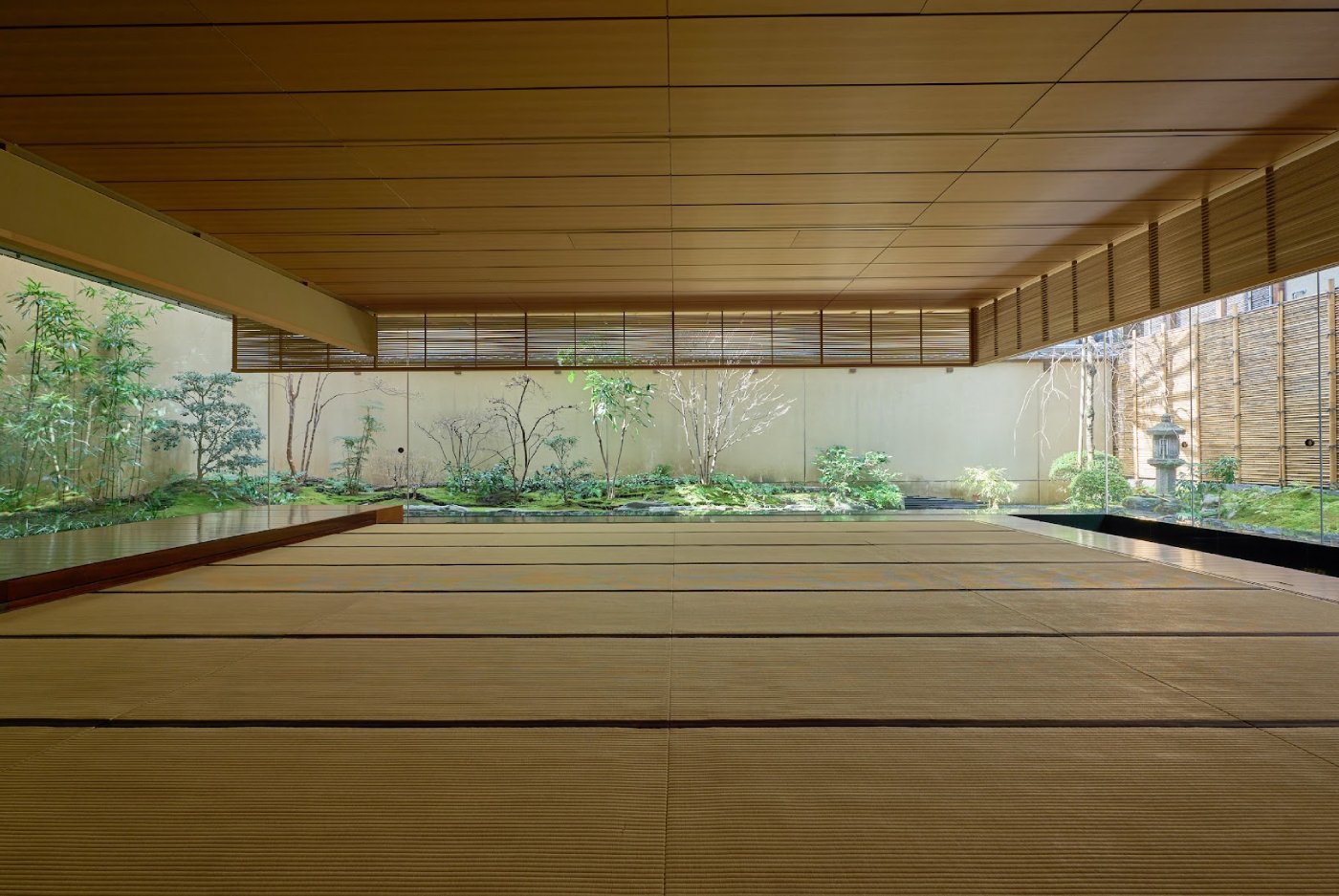
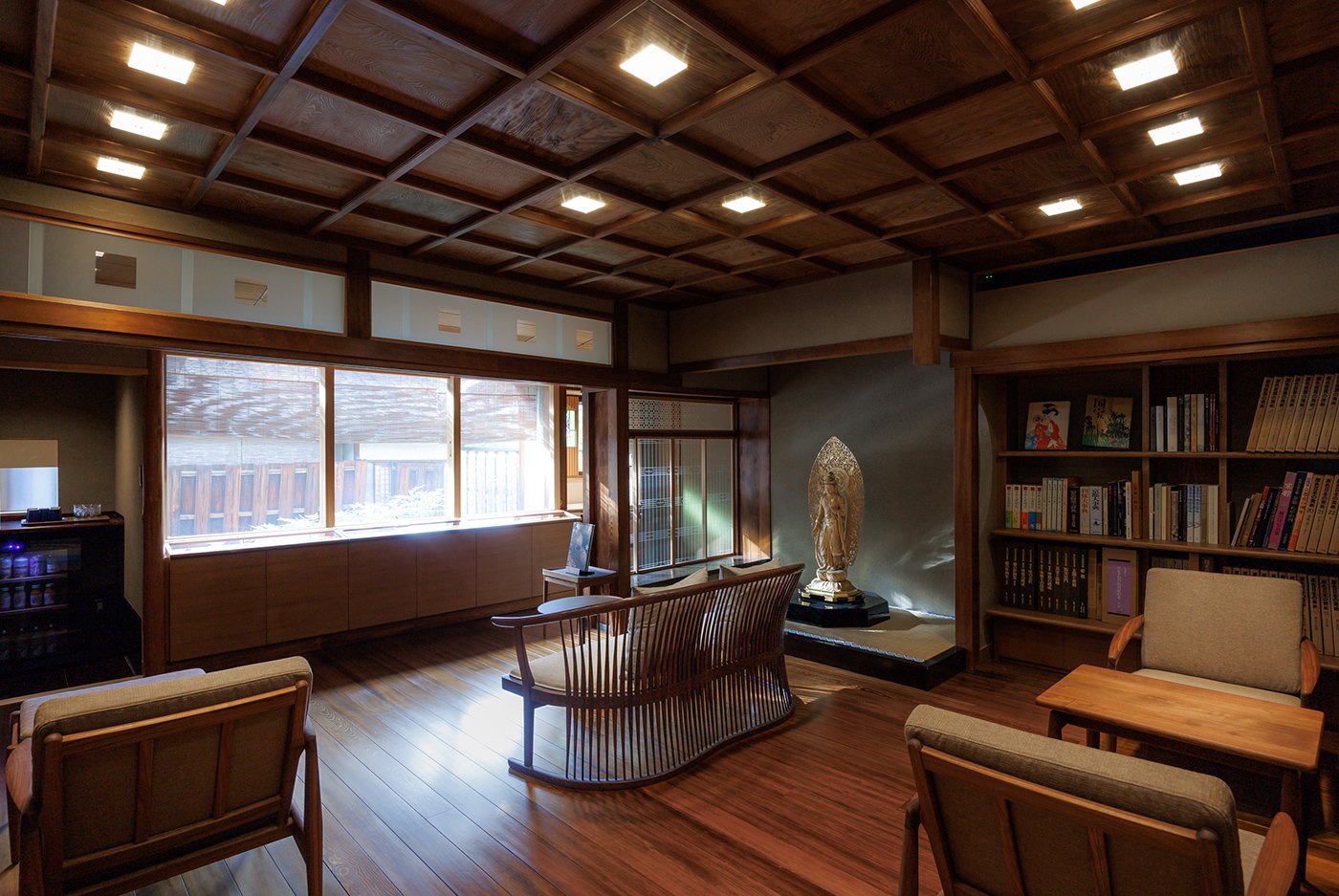
Frequently Asked Questions
What makes Kyoto kaiseki different?
Kyoto kaiseki is often lighter, more seasonal, and more refined in flavour than versions you may find elsewhere in Japan.
Why is Hiiragiya so well known?
Hiiragiya is a historic Kyoto ryokan founded in 1818, and it has a long reputation for high-level hospitality and traditional dining.
Why is dashi so important in kaiseki?
Dashi provides the subtle umami base that supports many kaiseki courses without overpowering them.


