A shrinking Nara village and the problem of disappearing places
What happens when a village keeps getting smaller, older, and quieter year after year? In Nara Prefecture, one tucked-away community has been living with that question. Like so many rural places across Japan, it’s faced depopulation, fewer children, empty homes, and the slow feeling that the centre of gravity has moved elsewhere.



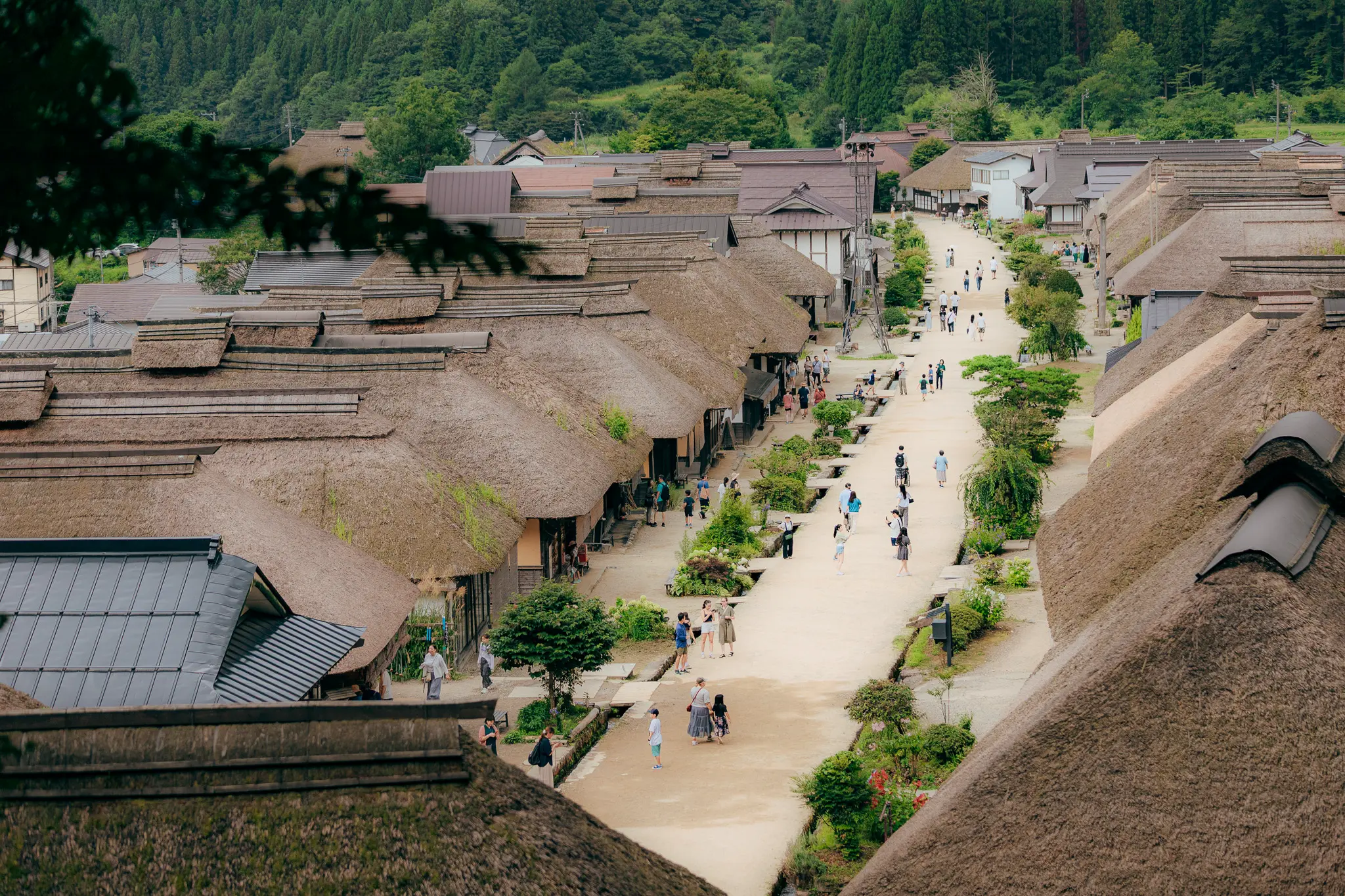
Japan’s been dealing with this for decades now. The countryside still has beautiful ryokan, rice fields, shrines, and mountain roads, but the people who keep those places alive are getting older, and younger residents often leave for work or school in bigger cities. Nara is usually known for deer and ancient temples, but outside the famous tourist spots, there are villages that are quietly trying to stay visible. Sounds familiar, right?
That’s where this story gets wonderfully strange. Instead of waiting for a grand redevelopment plan or a shiny new station, one village leaned into something far more unexpected. It brought in a giant cockroach statue. Wild, isn’t it?
The giant cockroach statue in Nara and why it works
Let me show you why this works better than it first sounds. The statue is big, bold, and impossible to ignore, and in a place where many buildings and fields can blur into one another, that alone matters. People stop, take photos, talk about it, and then, crucially, they stay long enough to look around the village itself.
Before I forget, this isn’t just about shock value. Japanese local promotion often depends on what’s called a mascot-like charm, and that can range from cute to weird to deeply, wonderfully specific. You know how it goes. A giant cockroach isn’t cute in the usual sense, but it has personality, and in a very Japanese way it turns discomfort into curiosity.
What I especially like is that it gives the village a story. And stories travel. A quiet road in Nara isn’t usually the kind of place that lands on your social feed, but a giant roach in the middle of rural Japan? That gets attention, and attention can become foot traffic, and foot traffic can become spending, and spending can become a reason to keep a cafe open one more season. That brings us to something bigger than the statue itself.
Why strange local symbols matter
Compared to back home, Japan is incredibly good at making place-based identity out of tiny details. A train station stamp, a local sweet, a roadside statue, a festival with one very obscure history, all of it can become part of the map. My tip: when you travel in Japan, don’t skip the odd thing. It might look silly at first, but it often tells you more about a town than the main street does.
The best part is that these symbols aren’t always designed for tourists first. Sometimes they begin as a local joke, a community project, or a bit of stubborn pride. Then they grow roots. That feels really Japanese to me, in the best possible way. A place saying, we are here, even if the rest of the country has mostly forgotten us. Sounds good, right?
The sacralized kanji spelling of gokiburi
Here’s the thing: the cockroach in Japanese is usually written as 御器被り (gokiburi), which many learners know as the insect nobody wants in the kitchen. But in this story, the article also points to a special, almost sacralised way of writing the word in 漢字 (kanji, Chinese characters used in Japanese), a style that gives the creature a more formal, elevated, or ritual-like feeling. Japanese writing can do that kind of thing. A word that feels messy in romaji can suddenly look solemn on the page.



For learners, that’s a great little reminder that kanji aren’t only for meaning, but also for tone. The same sound can feel different depending on how it’s written, and Japanese culture loves that layer of texture. If you’ve ever seen a temple name written in heavy brushstrokes and felt its mood before you even knew the reading, you already know the idea. This statue story plays with that contrast, and honestly, I think it’s brilliant.
That reminds me: Japan often takes something ordinary, or even unpleasant, and gives it a frame that invites reflection. A pest becomes a symbol. A symbol becomes a local talking point. A talking point becomes a reason to visit. It certainly did.
What this says about rural Japan, and what language learners can take from it
Unlike what we’re used to in many countries, rural revitalisation in Japan can be delightfully specific. One town uses a mascot. Another builds a quirky art piece. Another celebrates 味噌 (miso, fermented soybean paste), 和紙 (washi, Japanese paper) paper, or a train line with three passengers and a very determined timetable. The goal is the same, though: to make people look again at places that might otherwise be overlooked.
A great example: if you’re learning Japanese, stories like this are perfect practice because they connect vocabulary with real life. You get gokiburi, of course, but also terms like 地域 (chiiki) (local area), kanji (Chinese characters used in Japanese), and 観光 (kanko, tourism / sightseeing) (tourism). More importantly, you get a feel for how Japanese people use humour, restraint, and local pride together. I spent years thinking language study was only about verbs and memorisation, and I realised I’d missed half the country. You know, living.
This is the kind of Japan I always hope readers will notice. Not just the neon, not just the shrines, but the hidden, quiet, forgotten places where somebody still has the nerve to put up a giant cockroach and call it community spirit. From my experience, those are the stories that stay with you.
And if you’re planning your own Japan journey, keep an eye out for the strange roadside thing, the handmade sign, the local museum with two rooms and a lot of heart. You’ll eventually find your Japan.
Frequently Asked Questions
Why would a village use a giant cockroach statue?
To attract attention, spark conversation, and give the village a memorable local identity.
Is this kind of local promotion common in Japan?
Yes. Many towns use mascots, unusual art, or themed events to bring visitors and support local business.
What can Japanese learners get from stories like this?
They show real vocabulary, cultural nuance, and how Japanese communities use humour and symbolism.