What Is the TV Programme Ramen Japan?
Ramen Japan is a Japanese food documentary series that travels across the country to explore regional ramen culture. Each episode focuses on a specific city or prefecture, exploring the local bowl that defines that area's food identity. The Hokkaido/Sapporo episode aired on TV Kingdom (schedule ID 200101202603180945) and quickly grabbed attention from food fans and Japan watchers alike.



The format is simple but effective. A narrator walks viewers through the history of a regional ramen style, visits local shops, and chats with the cooks who've dedicated decades to perfecting their broth. That's why shows like this resonate so strongly, not just with food lovers but with anyone trying to understand Japanese regional culture from the inside out.
Speaking of which, the Japanese word for this kind of regional specialty is gotochi ramen (ご当地ラーメン), which literally means "local area ramen." It's a term worth knowing if you're studying Japanese and want to sound genuinely knowledgeable when talking about 食べ物 (tabemono, food) culture.
Sapporo Ramen: Hokkaido's Most Famous Bowl
Did you know that Sapporo is widely credited as the birthplace of miso ramen? The city's ramen scene dates back to the late 1950s, when a restaurant called Aji no Sanpei in the Sapporo Tanuki Koji shopping arcade started experimenting with miso-based broth. That single bowl changed Japanese food history.
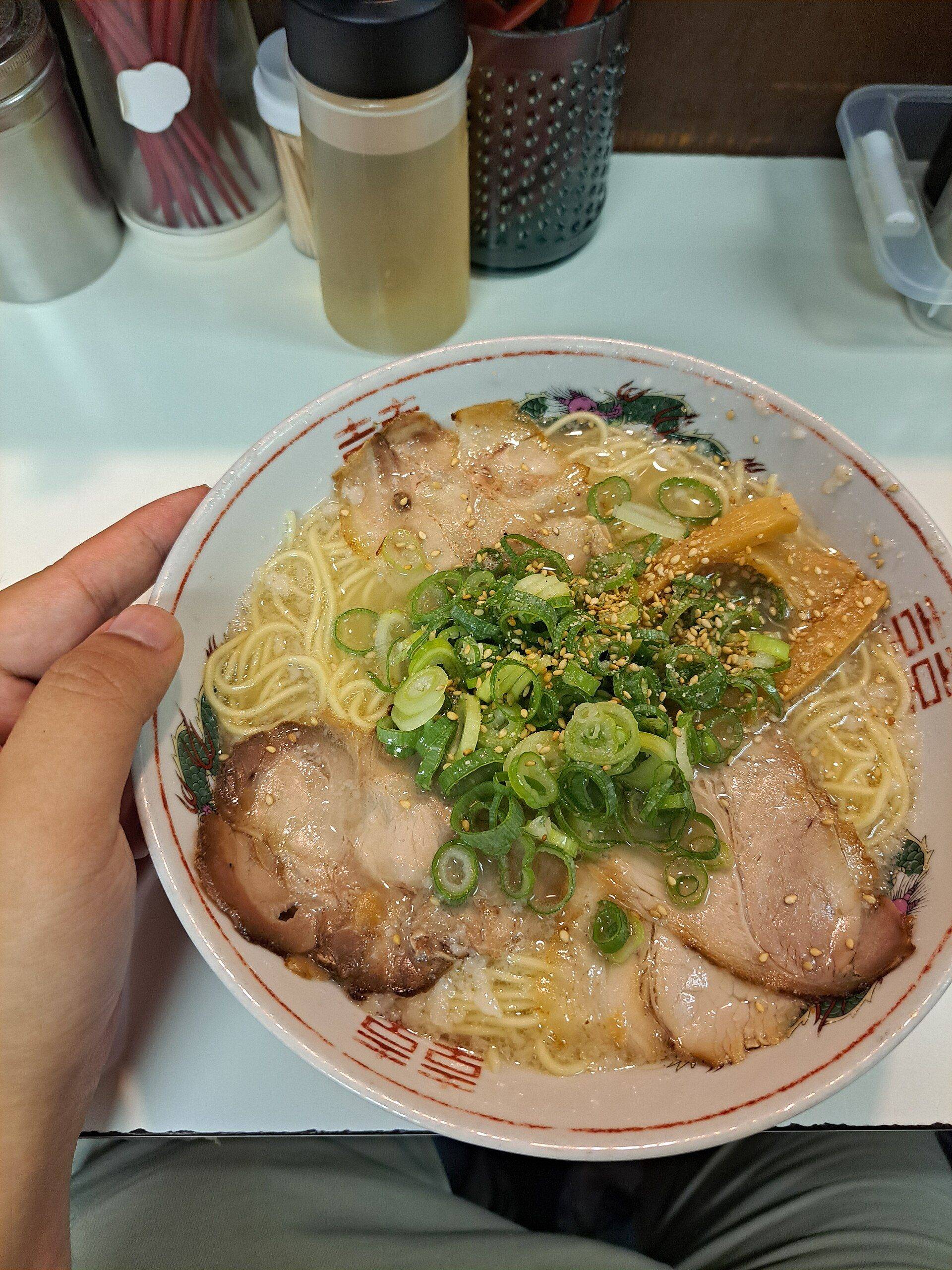
Sapporo ramen is built on three pillars: a rich miso broth (味噌スープ, miso suupu), wavy thick noodles (縮れ麺, chijire-men), and toppings like corn, butter, and chashu pork. The butter, by the way, isn't just a gimmick. Hokkaido is Japan's dairy heartland, and that pat of butter melting slowly into a steaming bowl of miso broth is absolutely intentional. It adds a creamy, slightly sweet depth that you won't find in Tokyo shoyu ramen or Hakata tonkotsu.
Why the Noodles Matter So Much
The wavy noodles used in Sapporo ramen aren't just a visual choice. Their curly shape means they grip the thick miso broth better than straight noodles would. You know that feeling when the broth slides right off a flat noodle and you're left with a mouthful of noodle but no flavour? Sapporo's chijire-men solves that problem entirely.
Here's my tip: if you ever get the chance to make ramen at home using a Japanese instant noodle kit from a Hokkaido brand like Sapporo Ichiban or Sumire, pay attention to the noodle texture before and after cooking. It's a small but genuinely educational moment for understanding how Japanese ramen engineering works.
Hokkaido's Food Culture Beyond the Bowl
Sapporo doesn't stop at ramen. The city sits in the middle of Hokkaido, Japan's northernmost main island, and the prefecture supplies a huge portion of Japan's dairy, seafood, and agricultural products. That food richness feeds directly into the ramen culture. Local ramen shops in Sapporo often use Hokkaido-grown vegetables, locally sourced pork, and fresh corn from farms less than an hour's drive away.



On a related note, the Sapporo Ramen Kyowakoku (札幌ラーメン共和国), a ramen theme park located on the 10th floor of the ESTA shopping complex near Sapporo Station, brings together eight ramen shops under one roof. It's been running since 2000 and remains one of the most visited food attractions in the city. If you're planning a trip to Hokkaido, it's a legitimate starting point for understanding just how varied Sapporo's ramen scene actually is.
A Quick Language Note for Japanese Learners
Ramen-related vocabulary is genuinely useful Japanese to know. The kanji 麺 (men/noodle) appears constantly in menus, shop signs, and food programmes like Ramen Japan. You'll also want to know 豚骨 (tonkotsu, pork bone), 醤油 (shoyu, soy sauce), and 塩 (shio, salt), since these are the four main ramen base styles in Japan. Miso (味噌) completes the classic quartet. Knowing these four words alone will make you look impressively fluent in any ramen shop in Japan. Personally, I think food vocabulary is one of the fastest ways to make Japanese feel real and immediately useful.
Why Ramen Japan Is Worth Watching for Language Learners
Plot twist: food TV is actually one of the best listening resources for intermediate Japanese learners. The pacing is natural, the vocabulary is practical and food-focused, and you're constantly seeing the kanji on screen as the narrator speaks. Ramen Japan fits that perfectly.
What I especially like about the Sapporo episode is how the shop owners talk about their craft. The language they use, words like kodawari (こだわり, personal commitment or obsession with quality) and tebanare shinai (手離れしない, won't let go of), gives learners a window into the kind of Japanese that doesn't appear in textbooks but comes up constantly in real conversations about work and passion.
By the way, searching for the show using the Japanese title ラーメンJAPAN on Japanese TV listing sites like TVKingdom.jp will help you find airing schedules if you're watching from Japan or via a VPN. It's a small but practical tip for anyone building a Japanese-immersion watching list.
Convinced yet? Sapporo's ramen scene isn't just delicious. It's a living piece of Japanese food history, and Ramen Japan does a genuinely good job of showing you why. From my experience, no other regional ramen sparks as much loyalty, debate, and outright pride among Japanese food lovers as the miso bowl from Hokkaido.
Frequently Asked Questions
What makes Sapporo ramen different from other Japanese ramen styles?
Sapporo ramen is known for its rich miso-based broth, thick wavy noodles (chijire-men), and toppings like butter and corn. It originated in the late 1950s and reflects Hokkaido's dairy and agricultural strengths.
Where can I watch Ramen Japan?
Ramen Japan airs on Japanese television and is listed on TV scheduling sites like TVKingdom.jp. Searching ラーメンJAPAN in Japanese will help you find current and past episode listings.
Is Sapporo ramen vocabulary useful for Japanese learners?
Yes. Learning the four main ramen base types, miso (味噌), shoyu (醤油), tonkotsu (豚骨), and shio (塩), plus noodle-related kanji like 麺, gives you practical, immediately usable Japanese for restaurants and food culture conversations.
Find more Japan news on jpnerd.com.