Overview
Ramen Japan is a documentary television format built around a simple premise: send a crew to a city or prefecture and let the local ramen scene tell the story of the region. The series is tied to NHK, and each episode narrows in on a specific place, tracing how broth, noodles, and toppings reflect local history, geography, and taste. This guide gathers what is reliably known about the show's format and the regional ramen traditions it covers, alongside a separate resource known as the Ramen Database, which tracks Japan's ramen scene by shop density and review quality rather than by ranking individual restaurants.
How the Series Explores a Region's Ramen
Each episode follows a consistent structure. A narrator lays out the history of the local ramen style before the cameras move into working kitchens. You watch noodle-making, stock reduction, and 垂れ (tare, seasoning base/sauce) (the seasoning base that flavors the broth) prepared up close, and the show spends real time with the cooks themselves, many of whom have spent decades refining a single family recipe. That focus on craft, rather than spectacle, is what separates Ramen Japan from a typical food-travel show. It treats a bowl of ramen as the product of a regional food system, not just a meal.
Sapporo: Where Miso Ramen Began
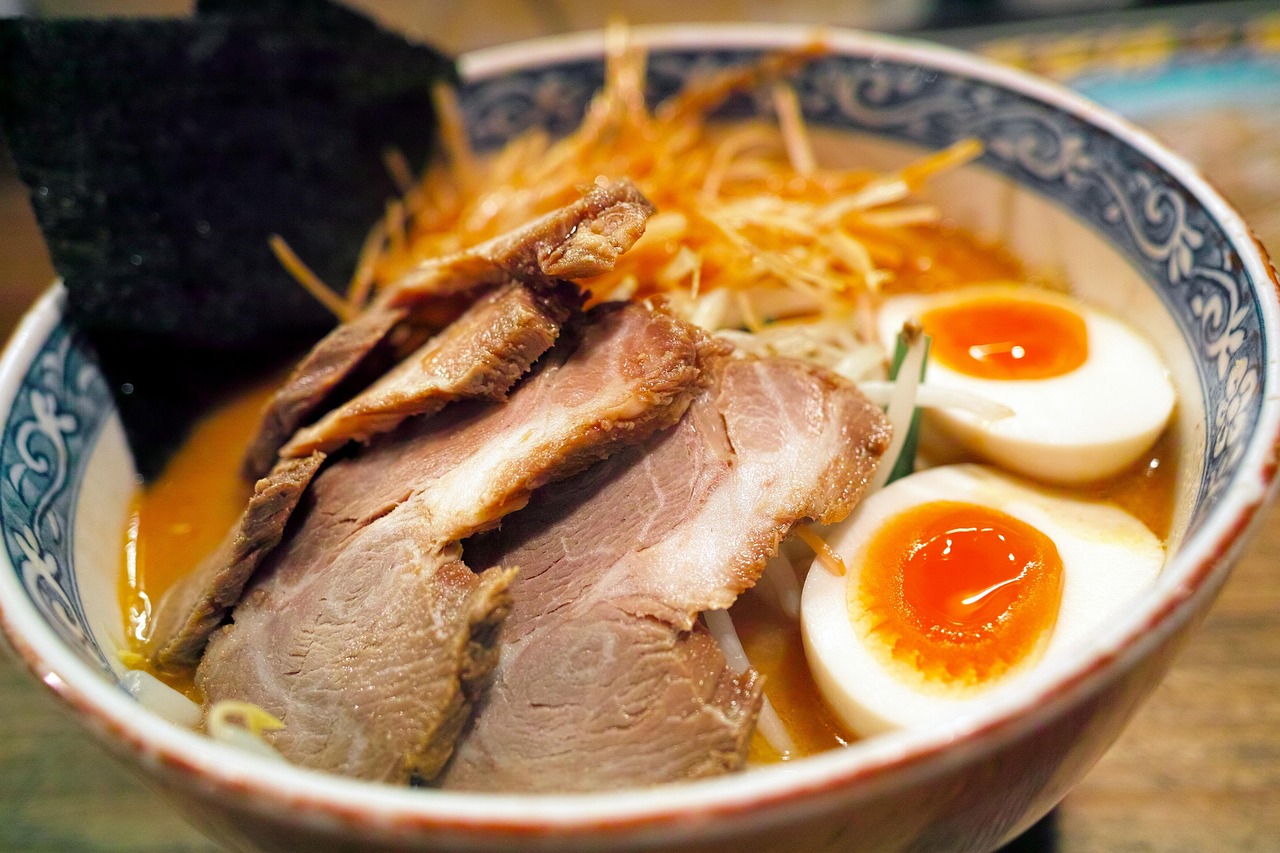
Sapporo is widely credited as the birthplace of 味噌 (miso, fermented soybean paste) ramen, with the city's ramen scene dating back to the late 1950s. The restaurant Aji no Sanpei, located in Sapporo's Tanuki Koji shopping arcade, is credited with originating miso-based ramen broth, and the style built around it still rests on three pillars: a rich miso broth, wavy thick noodles known as 縮れ麺 (chijire-men, wavy/curly noodles), and toppings such as corn, butter, and chashu pork. The butter is not decorative. It reflects Hokkaido's status as Japan's dairy heartland, adding a creamy, slightly sweet depth you won't find in Tokyo 醤油 (shoyu, soy sauce) ramen or Hakata 豚骨 (tonkotsu, pork bone (broth)). The noodles' curl matters too: their wavy shape helps them grip the thick miso broth far better than straight noodles would.
Hakata Tonkotsu and Other Regional Bowls
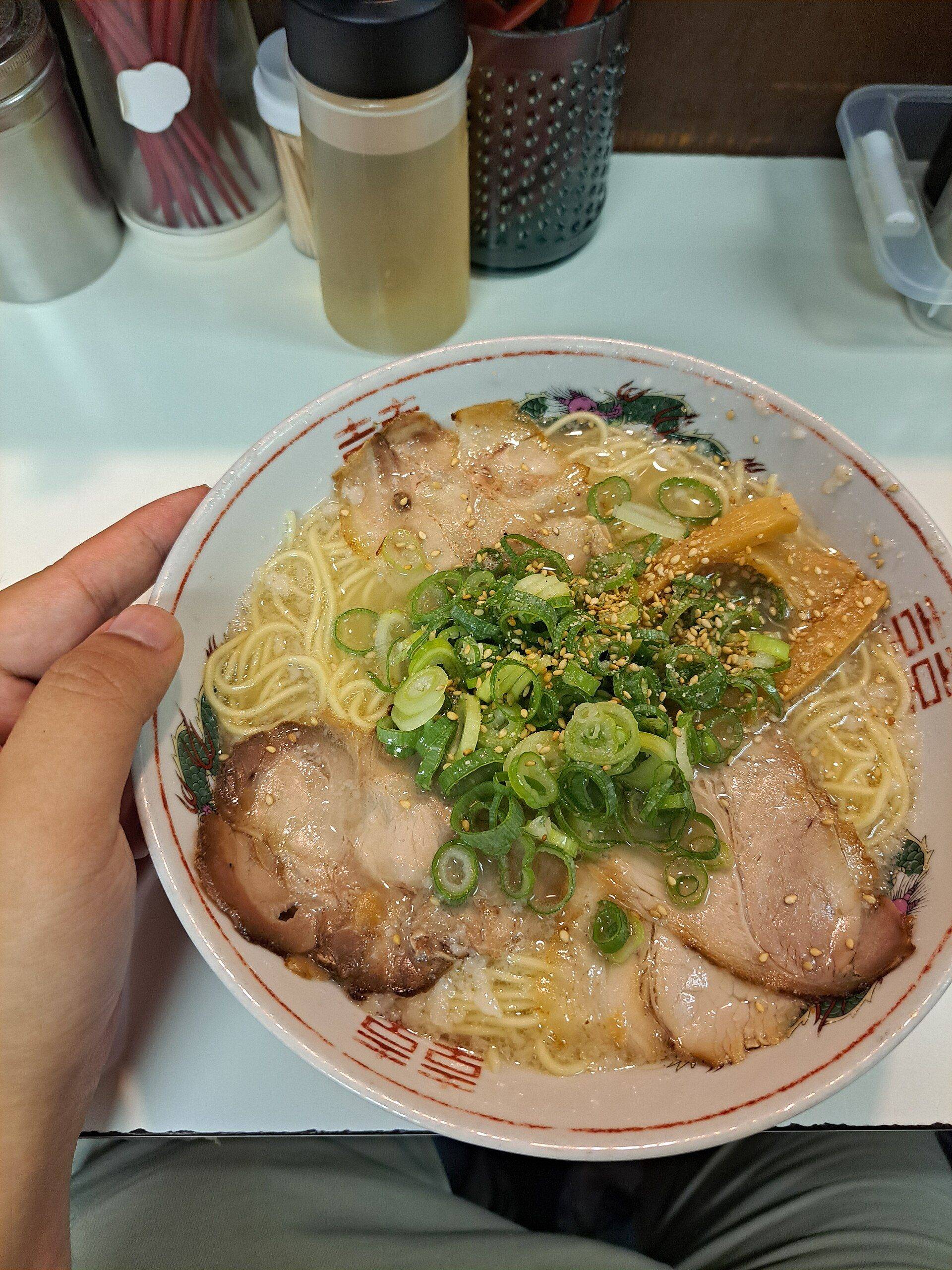
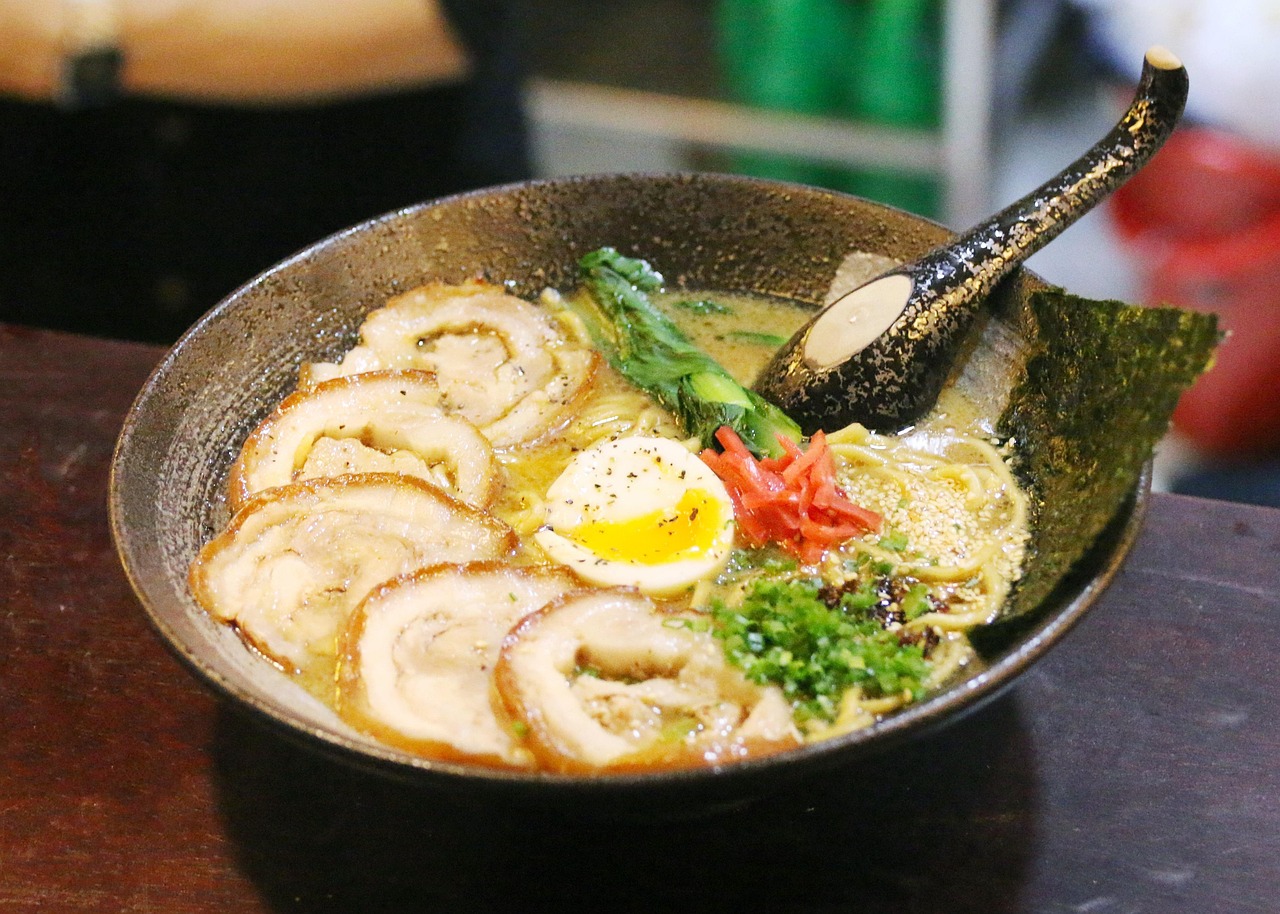
Head south to Fukuoka and the picture changes completely. Hakata-style ramen is defined by thin, straight noodles paired with a rich tonkotsu broth, made from pork bones simmered until the liquid turns cloudy white and collagen-rich. It's a different philosophy from Sapporo's miso bowls entirely, and it's part of why regional ramen tourism in Japan is worth the effort: no single bowl represents the whole country. Chiba offers a third variation again. Its ramen identity is shaped by coastal towns, farming areas, and dense urban pockets, producing bowls distinct from what you'd find in Tokyo, Sapporo, or Hakata.
Episode Timing and Where to Watch
Confirmed reporting places Ramen Japan on NHK World-Japan, not on any separate streaming platform. The Hokkaido-focused episodes, split into two parts, aired there on August 16 and August 23, 2023, and a Chiba-focused episode (Season 2, Episode 2, "CHIBA RAMEN") aired February 28, 2024. More recent listings reference an April 26 special mapping ramen scenes from Sapporo down through Tokyo and Hakata-style districts, reportedly covering broth techniques across miso, shoyu, tonkotsu, and 塩 (shio, salt) styles, shop-owner interviews describing family recipes followed for 50 years, and even modern twists like vegan broth and internationally fused flavors. A separate listing points to a May 16 Chiba episode. These later dates are unconfirmed and sit awkwardly against NHK World-Japan's own archive, which already places Hokkaido content in 2023 and Chiba content in 2024, so it's unclear whether the 2026 dates reflect reruns, rebroadcasts, or genuinely new episodes. Treat any 2026 broadcast dates as provisional until confirmed against NHK's published schedule.
Ramen Database 2025: Ranking Japan's Ramen Regions
A separate resource called the Ramen Database evaluates Japan's ramen scene on a rolling basis, publishing rankings by shop density, review strength, and consistency of quality rather than ranking individual restaurants head-to-head. Some 2025 summaries circulating online credit Tokyo's Nakano-ku as the top overall ramen area, but that specific claim couldn't be verified: the Ramen Database's actual format publishes monthly, ward-by-ward top-20 lists (Nakano-ku, Shinjuku-ku, Taito-ku, and others each get their own separate ranking) rather than one single cross-ward "best area" title. What is measurable is shop density. Across Tokyo's 23 wards, Shinjuku-ku leads with around 196 ramen shops, followed by Chiyoda-ku with about 148 and Minato-ku with about 139. Nakano-ku, despite its reputation among ramen enthusiasts, ranks 17th with around 62 shops, a solid number, but not enough to top the list by sheer volume.
Gotochi Ramen: A Quick Vocabulary Primer
The Japanese term for this whole category of regional specialty ramen is ご当地ラーメン (gotochi ramen, local specialty ramen), which translates roughly to "local-area ramen." It's worth knowing if you're reading menus or search results in Japan, since shops often advertise their gotochi ramen credentials directly, tying a bowl to a specific city or prefecture instead of treating ramen as one generic dish. Keep gotochi ramen alongside a few other working terms: tare (the seasoning base that defines a bowl's flavor), chijire-men (wavy noodles), and shio (salt-based broth). They come up constantly once you start reading about regional styles this way, and they make menus far easier to navigate.
Where to Try Regional Ramen in Japan
If you want to taste these differences rather than just read about them, start in Sapporo. Tanuki Koji, the covered arcade where Aji no Sanpei is credited with originating miso ramen broth, is a natural starting point for understanding how the style began. In Fukuoka, seek out Hakata's tonkotsu shops built around thin noodles and long-simmered pork bone broth; many offer 替え玉 (kaedama, noodle refill (for ramen)), a noodle refill you can order once your first serving is gone, which is worth trying to see how the broth holds up over a longer meal. In Tokyo, Shinjuku-ku's sheer concentration of shops makes it an efficient home base for sampling multiple regional styles in a single trip. And if your travels take you to Chiba, look past its proximity to Tokyo: its coastal towns, farm areas, and urban pockets each shape a bowl distinct from the Sapporo, Tokyo, or Hakata styles you may already know.