What makes 和歌山 (Wakayama, Wakayama (prefecture/city)) ラーメン (ramen, ramen noodle soup) worth a full TV feature? It’s the mix of rich pork broth, custom toppings, and a local identity that feels deeply rooted, yet still a bit under the radar for many Japan fans.
RAMEN JAPAN and the Wakayama ramen episode
RAMEN JAPAN keeps doing what good food TV should do: it zooms in on one bowl at a time and lets the story breathe. This episode is devoted to Wakayama ramen, with broadcast set for May 14 at 9:00 pm, and that timing alone tells you the producers expect real interest from noodle fans.
For Japan learners, this is also a neat way to connect food vocabulary with culture. Words like ramen, broth, タレ (tare, seasoning sauce / tare), and チャーシュー (chashu, braised pork) come up constantly in ramen talk, and Wakayama is the kind of place where those terms start to feel less like textbook items and more like living, regional language. Wild, isn't it?
What many overlook is that Wakayama ramen isn't just another local bowl. It has a reputation that sits comfortably alongside better-known regional styles from 札幌 (Sapporo, Sapporo (city)), 博多 (Hakata, Hakata (district in Fukuoka)), or Kitakata, even if it doesn’t always get the same overseas hype. That’s exactly why a TV episode like this matters, because it helps restore balance to the map of Japanese ramen culture.
Why Wakayama ramen stands out
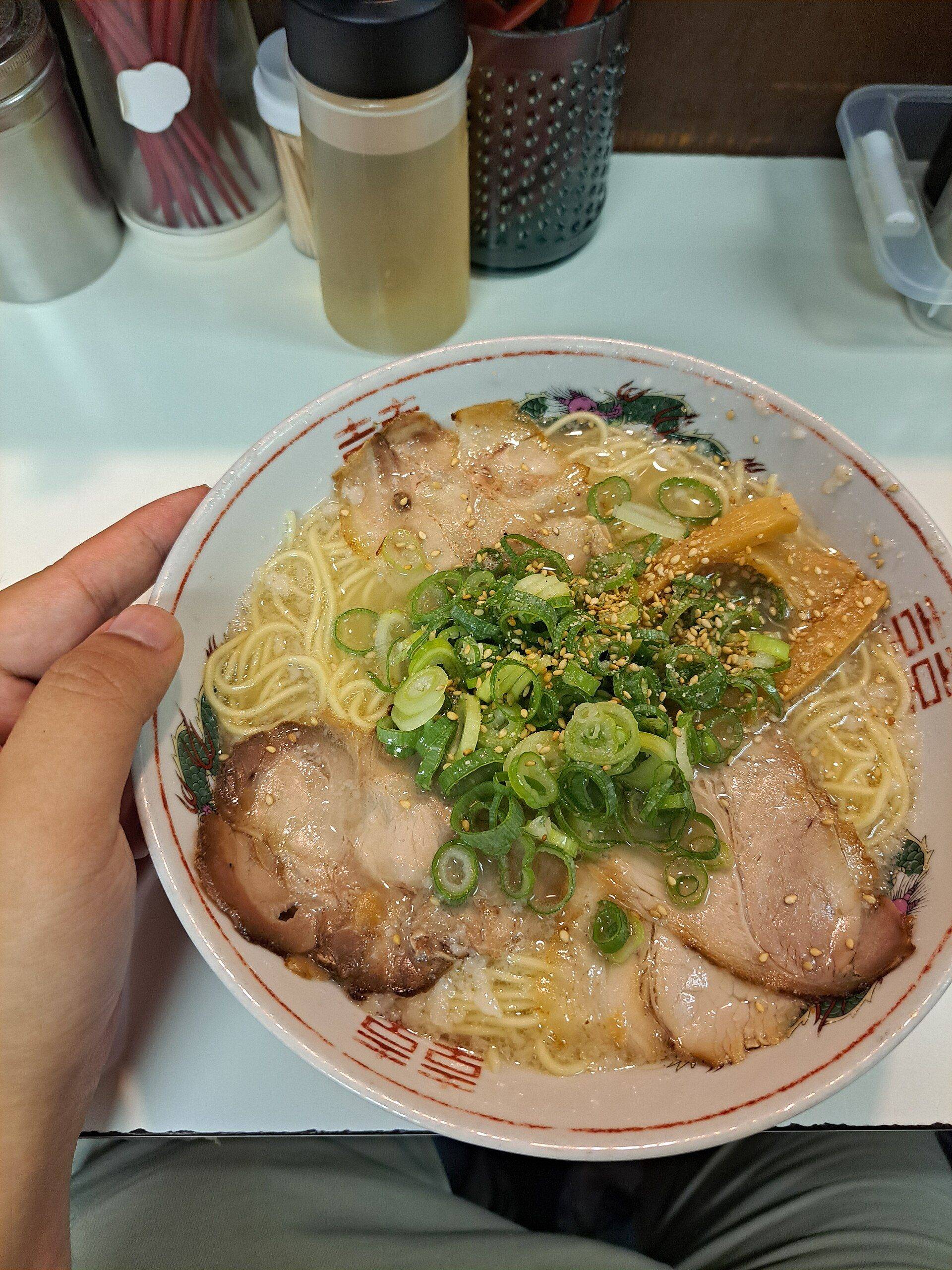
Let me show you why Wakayama ramen has cult status among Japanese noodle lovers. The bowl is usually built on a pork-based soup, often a tonkotsu-jo type of broth or a hybrid style that feels deeply savoury without being as heavy as some other pork broths. Many shops serve a soy-sauce-forward flavour profile, so the result is rich, salty, and moreish in a way that keeps you reaching for the next sip.
A great example: some Wakayama shops are known for combining a strong stock with a relatively lean finish, so the bowl doesn’t feel muddy. You get depth first, then a clean line of soy and fat, and then the noodles come through. It’s not flashy, but it’s very carefully balanced. Simply brilliant.
The local eating style matters too
In Wakayama, ramen culture is closely tied to everyday dining rather than big-city trend chasing. Many shops have long histories, compact counters, and a loyal local crowd that treats the bowl like a regular habit instead of an occasional novelty. That kind of stability gives a regional style its staying power.
On a related note: the toppings are often straightforward, which is exactly the point. Chashu, green onion, and menma are common, and the simplicity lets the broth do the talking. If you are learning Japanese, this is a useful lesson in food culture language too, because not every famous dish needs a long list of ingredients to carry a regional identity.



What the broadcast can teach Japan fans
Imagine a narrow alley in Tokyo. You’ve got a tiny ramen shop with a signboard outside, a ticket machine by the door, and steam clouding the window. That is the kind of atmosphere many ramen documentaries capture so well, and RAMEN JAPAN seems built for exactly that kind of close-up storytelling.
Seriously though: a good food program does more than show a pretty bowl. It explains why a style matters, who keeps it alive, and how local taste develops over time. Wakayama ramen is a strong subject for that kind of treatment because it reflects regional pride, practical eating habits, and a long-running love for pork broth that has not needed international branding to survive.
My tip: if you are watching this as a learner, pay attention to the descriptive words used around the soup, noodles, and toppings. Japanese food shows often repeat these terms, so even one episode can reinforce vocabulary in a very natural way. You’ll remember words better when they are tied to a hot bowl and a real place, rather than a flashcard list, see what I mean?
Why this regional ramen school still feels current
Here’s the kicker: older regional ramen styles are not museum pieces. They keep evolving through small choices, like broth intensity, noodle thickness, and how a shop handles seasoning. Wakayama ramen has stayed relevant because it never needed to pretend to be anything other than itself.
What I especially like: the style has a strong identity without becoming rigid. That makes it ideal for a TV feature, because viewers can enjoy the heritage angle while still imagining the bowl as something they might actually order on a trip. If RAMEN JAPAN gives this episode enough room, it could easily become a reference point for people planning a food-focused visit to the area. Personally...
And if you are the kind of learner who enjoys cultural language notes, this is a good moment to notice how ramen talk in Japan often blends taste, place, and history in one conversation. A bowl is never just a bowl. It can be local pride, travel motivation, and vocabulary practice all at once. Wait, there's more.
For readers who want to keep tracking Japan food coverage and broader culture stories, you can also check more Japan news on jpnerd.com.
Frequently Asked Questions
When does the Wakayama ramen episode air?
It is scheduled to air on May 14 at 9:00 pm.
What makes Wakayama ramen different?
It is known for a rich pork-based broth, strong seasoning, and a local style that feels both simple and deeply satisfying.
Why should Japanese learners care about this episode?
It is a practical way to connect food vocabulary with real culture, especially if you enjoy learning through media.