Why halal wagyu ramen is worth chasing in Tokyo
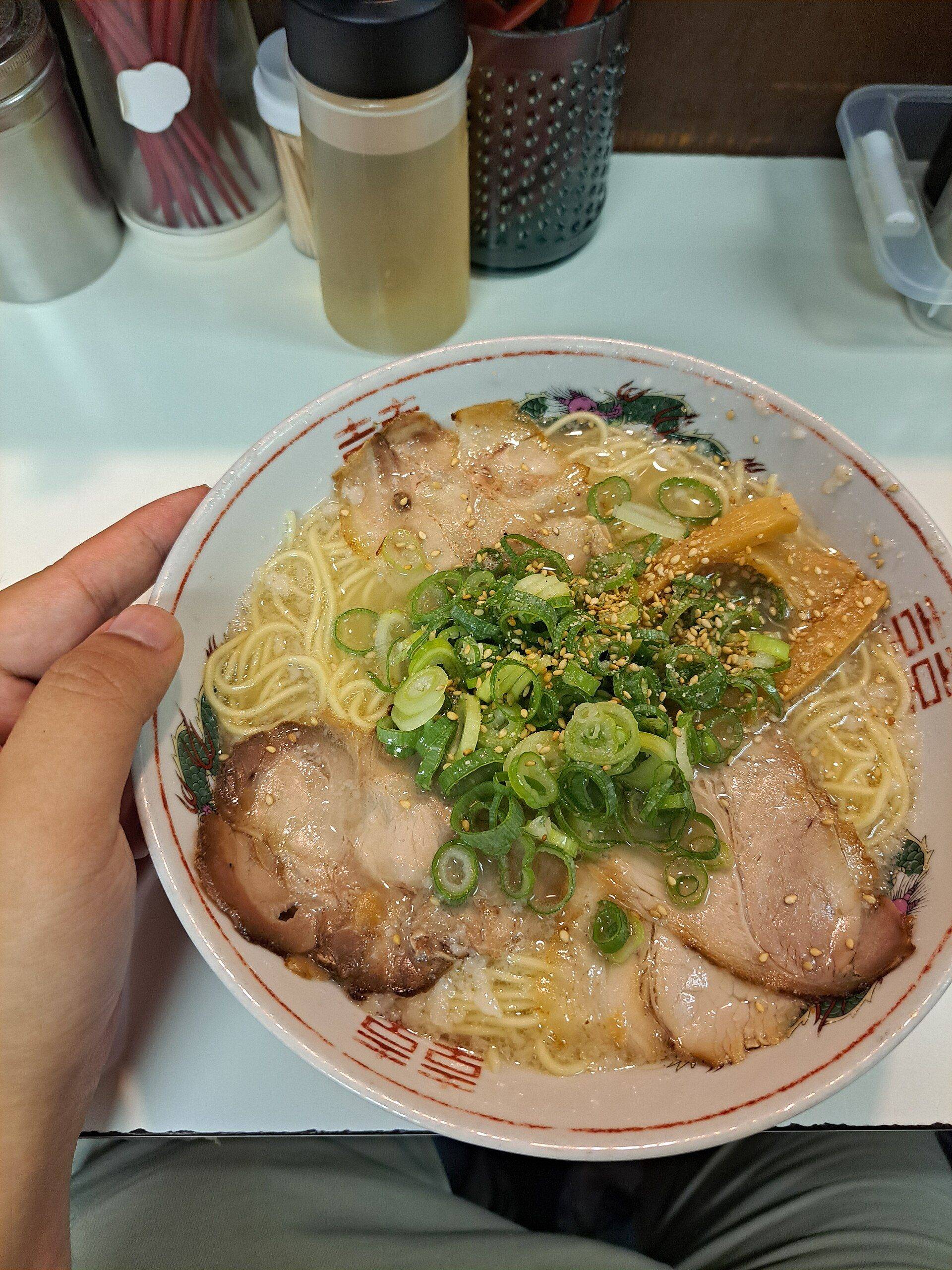
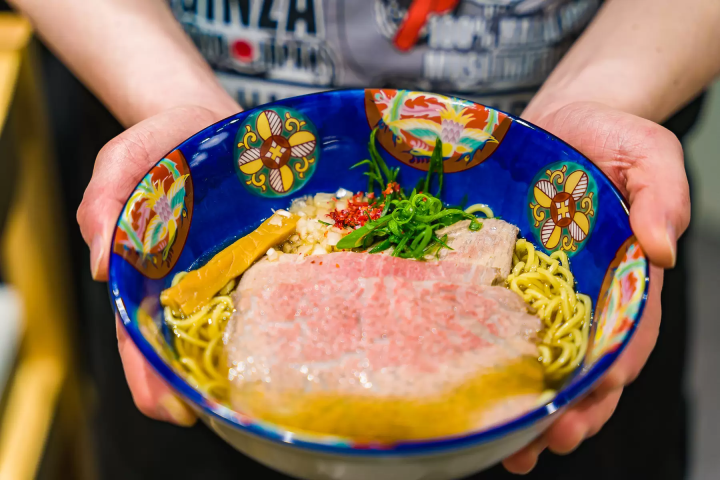
Question: when was the last time you found two cultural touchpoints combined in one bowl? Picture this: premium wagyū beef, slow-simmered broth, and halal certification so you can eat without worry. Trust me on this one; Tokyo's dining scene keeps reinventing itself, and halal wagyū ramen is a lively example of culinary adaptation and hospitality. Classic Japan, isn't it? But that's not all.



Fact: restaurants in Tokyo are increasingly catering to international dietary needs. For example, MATCHA wrote about one halal wagyū ramen spot that balances authentic technique with clear halal standards, and that attention to detail makes a difference for travellers who read travel guides closely. What many overlook is that the texture of wagyū fat melts into broth at lower temperatures, so chefs adjust timing and presentation carefully. Wait, there's more.

Where to find halal wagyū ramen in Tokyo
Anecdote: I stumbled upon a small halal wagyū ramen shop after a late museum visit in Ueno, and the quiet, almost meditative atmosphere felt unexpected in busy Tokyo. Let me show you why so many travellers bookmark neighbourhoods like Asakusa, Ueno, and Ikebukuro when searching for halal options. A great example is that small alleyway ramen shops will often display halal certification stickers or English menus, making it easier for non-Japanese speakers to order. But that's not all.
Best neighbourhoods and practical tips
Direct address: If you're planning a food crawl, start in Ueno or Asakusa, both close to major temples and usually calmer after 8pm. That's why late evenings on weekdays are perfect; lines are shorter and seating often feels more spacious. My tip: aim for 9pm on a Tuesday or Wednesday to avoid peak crowds and still get fresh broth. Sounds good, right?

Trust me on this one; always ask staff about the halal certification method if you care about cross-contamination. Some kitchens use separate equipment or prepare wagyū in advance. No joke: staff at tourist-focused shops often speak basic English and can explain broth base and toppings, which helps your Japanese learning practice on the fly. But that's not all.
Eating etiquette and Japanese links for learners
Plot twist: eating ramen quietly, with the occasional appreciative slurp, is both polite and helpful because slurping cools and aerates the noodles. Picture this: you order, the bowl arrives, and you can practice a bit of Japanese vocabulary while you wait. What I especially like is using simple phrases like a quick ありがとう arigatou to thank staff, or trying to read menu items where kanji appear. Hand on heart, locals appreciate the effort, even if your pronunciation wobbles.




Vocabulary and cultural context
Let me show you why this matters for learners: menu words you might see include ramen for noodle soup, supū for broth, and wagyū to highlight the beef. That's why noting kanji next to romaji helps memorise readings and meanings. What many overlook is that many small shops list ingredients in Japanese only, so learning a handful of food-related words prepares you for smoother ordering. But that's not all.
Quiet evening strategy: how to experience it like a local
Direct address: Want the calmest experience? Walk a few blocks from the nearest train station after 8pm and let the city's pace slow down. Here's the catch: tourists usually hit ramen shops during lunch and early dinner, so choosing later hours often means friendlier staff and hotter broth. Trust me on this one; sitting at the counter after 9pm gives you the chef's full attention, and you might even get a small explanation of the wagyū cut and seasoning. Wait, there's more.

Fact: Tokyo's public transport runs late on weekdays, but check the last train times for your line, especially if you're heading to outer wards. For example, roads around Shinjuku and Ikebukuro stay lively until midnight, but quieter lanes near temples are perfect for a peaceful post-ramen walk. A great example is to combine a bowl with a brief stroll to a nearby shrine or illuminated gate, and you'll have one of the city's gentlest evenings. But that's not all.
Hand on heart, I love that halal wagyū ramen lets Muslim travellers enjoy premium Japanese beef in a respectful way. My tip: pair your meal with green tea or bottled water if you want to keep the focus on the broth and beef. Highly recommended: keep a little notebook with vocabulary you encounter at restaurants; it's a compact way to build practical language skills. Sounds good, right?
Frequently Asked Questions
Is halal wagyū ramen common in Tokyo?
Short answer: it is still a niche but growing option, found mostly in tourist-friendly neighbourhoods and near major stations.
Can non-Muslims eat at halal wagyū ramen shops?
Short answer: yes, halal restaurants welcome everyone and follow specific preparation standards that appeal to a wide audience.