Why Hakone is the right place for a ryokan retreat
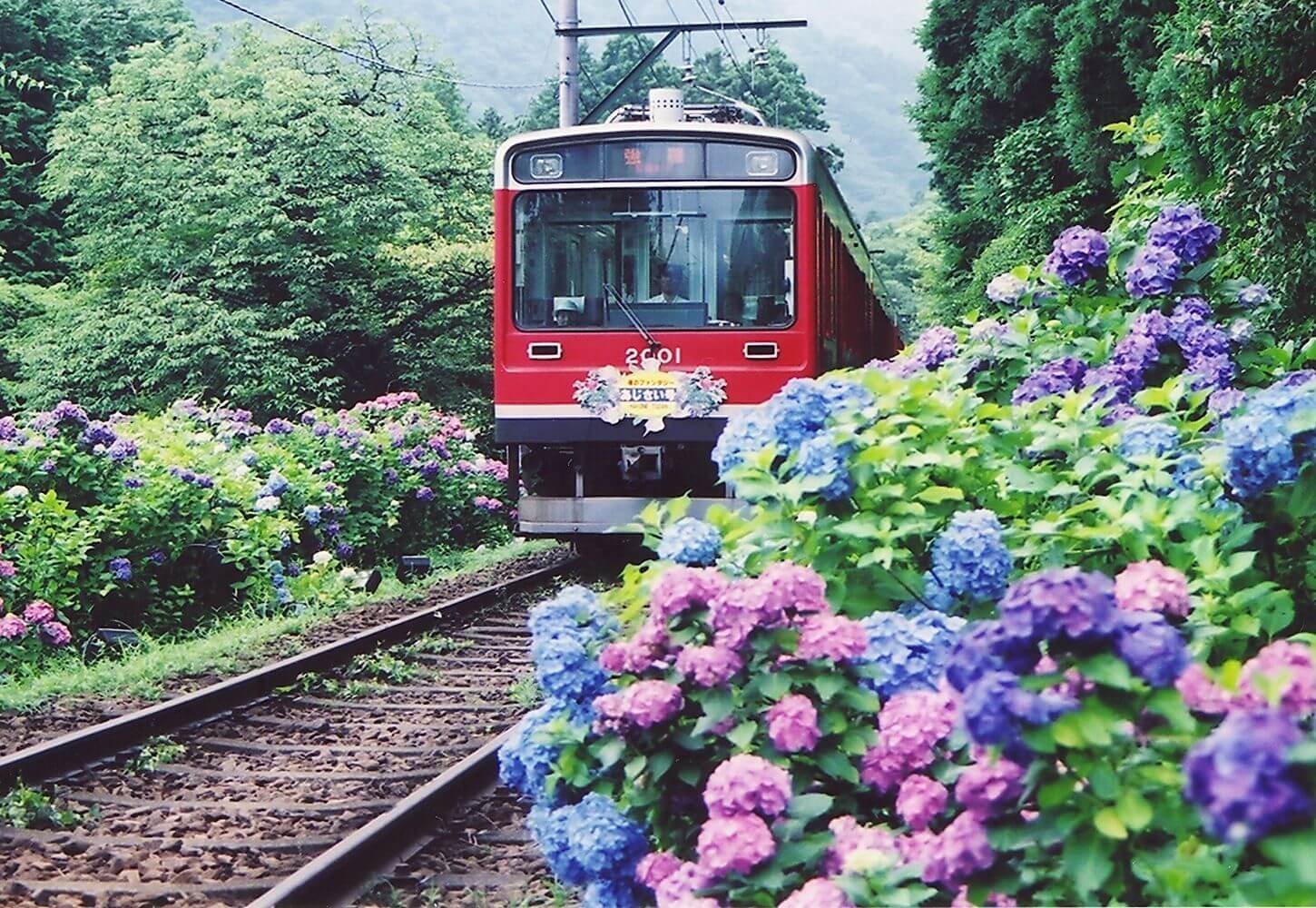
Did you know that 箱根 (Hakone, Hakone) sits in 神奈川 (Kanagawa, Kanagawa Prefecture) Prefecture about 80 km southwest of central Tokyo, with 小田原 (Odawara, Odawara) as the main 新幹線 (Shinkansen, bullet train) gateway? Let me show you why that matters: you can be in Hakone in under two hours from Shinjuku on the Odakyu Romancecar or via Tokaido Shinkansen to Odawara, then a short local ride.
I still remember my first arrival at 箱根湯本 (Hakone-Yumoto, Hakone-Yumoto) station. The mountain air felt different, and the pace slowed instantly. Seriously though, the geography helps too. Volcanic valleys like 大涌谷 (Owakudani, Great Boiling Valley) and the lakeshore at 芦ノ湖 (Ashinoko, Lake Ashi) create natural hot spring sources, the onsen, that ryokan rely on for guest bathing.
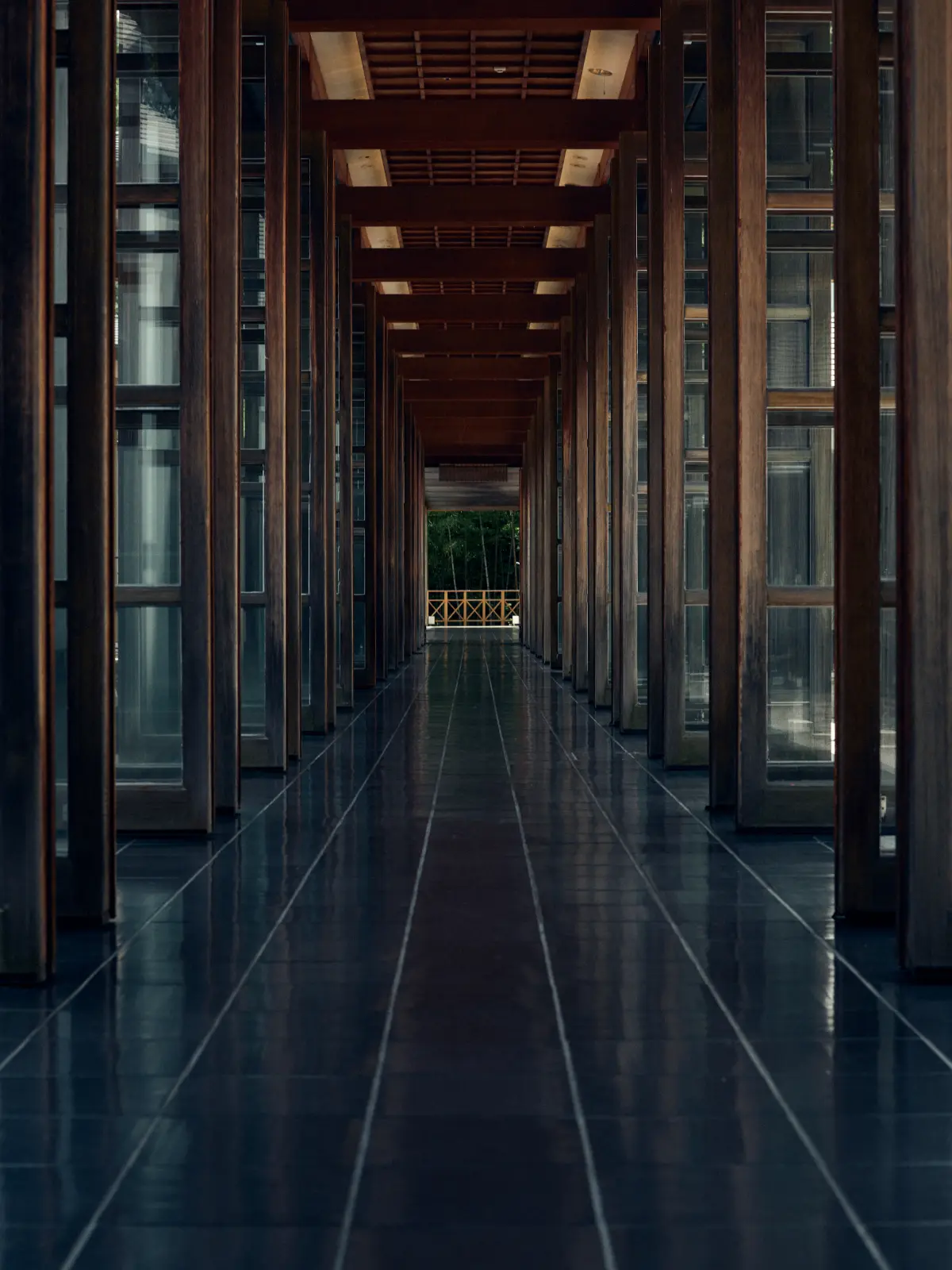
Here's the deal: Hakone delivers both easy access from Tokyo and varied scenery, from cedar forests to lake vistas with Mount Fuji visible on clear days, especially from spots around Lake Ashi and the Gora area. Sounds good, right?
Picking a ryokan with private onsen in Hakone
Question: what should you actually look for when booking a ryokan that advertises a private onsen? Room type, water source, and rooftop or rotenburo options matter most.
Areas and travel practicalities
To be fair, Gora, Miyanoshita, Sengokuhara, and Hakone-Yumoto all have different vibes. Gora is more elevated, with many luxury ryokan and easier access to the Hakone Tozan Railway. Sengokuhara is open and filled with pampas grass, which is great for open-air onsen views. Hakone-Yumoto is the transport hub, handy if you want a quick overnight.
Types of private onsen
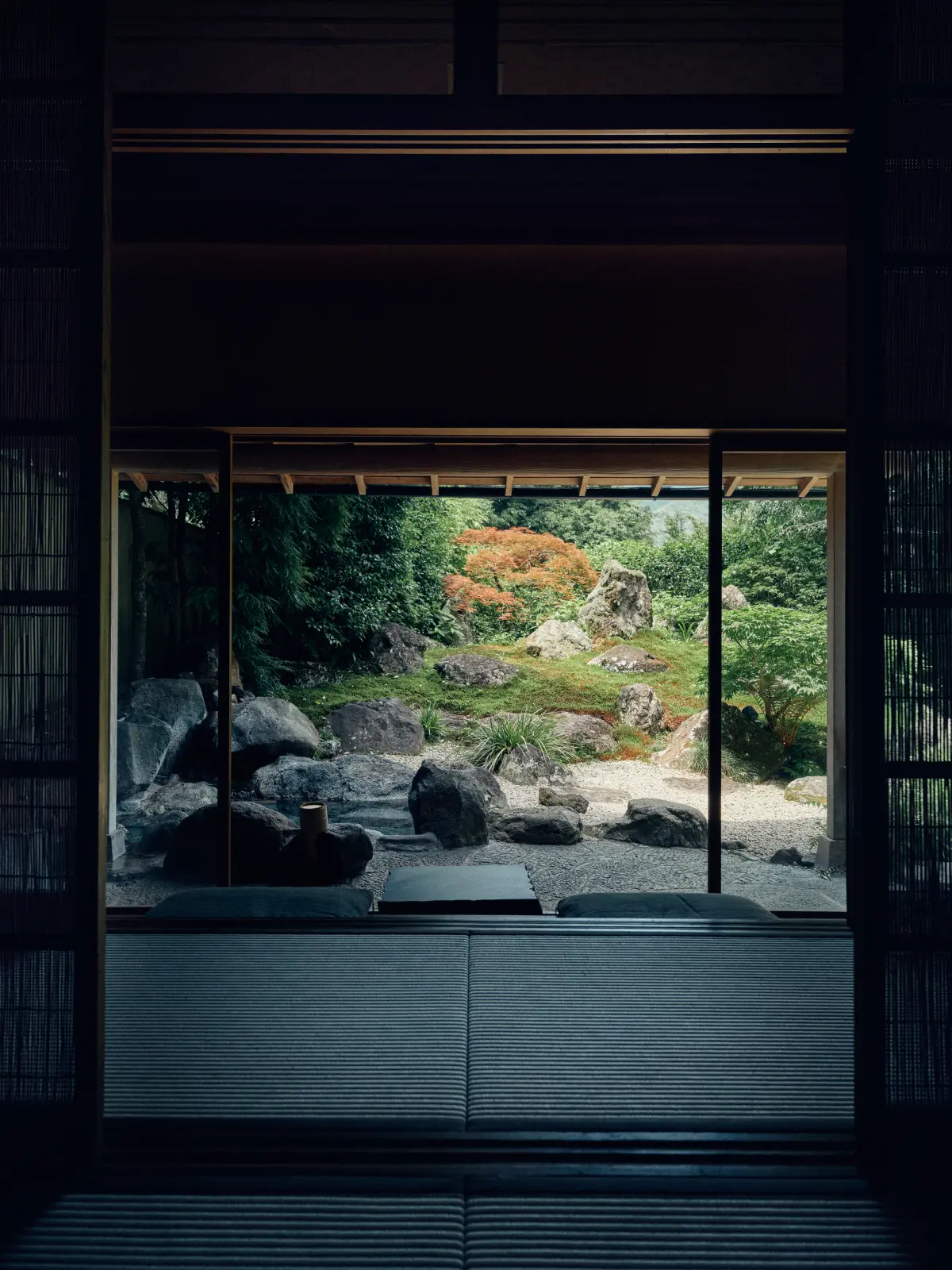
Fun fact: private onsen can be in-room, semi-private (booked by time slot), or true private rotenburo on a terrace. What I especially like are rooms where the private onsen faces the garden or a valley because you get quiet and nature without sharing the bath. Here's the kicker: water quality and mineral content vary. Some ryokan advertise sulfur springs for skin benefits, while others have iron-rich sources for circulation.
To keep this practical, expect a wide price range. Many mid-range ryokan with private onsen rooms start around 30,000 JPY per person per night, including kaiseki dinner. High-end ryokan like Gora Kadan or Hakone Ginyu often run 50,000 to 100,000 JPY per person per night, depending on the season and room type. My tip? Book direct on the ryokan site for the best room options and cancellation terms.
Kaiseki, rituals, and learning chances at a ryokan
Let me show you why kaiseki matters: kaiseki ryori is the culinary heartbeat of a traditional ryokan stay, usually featuring 8 to 12 courses that change with the season. That means spring menus highlight sansai and bamboo shoots, while winter meals emphasise simmered dishes and hearty broths.
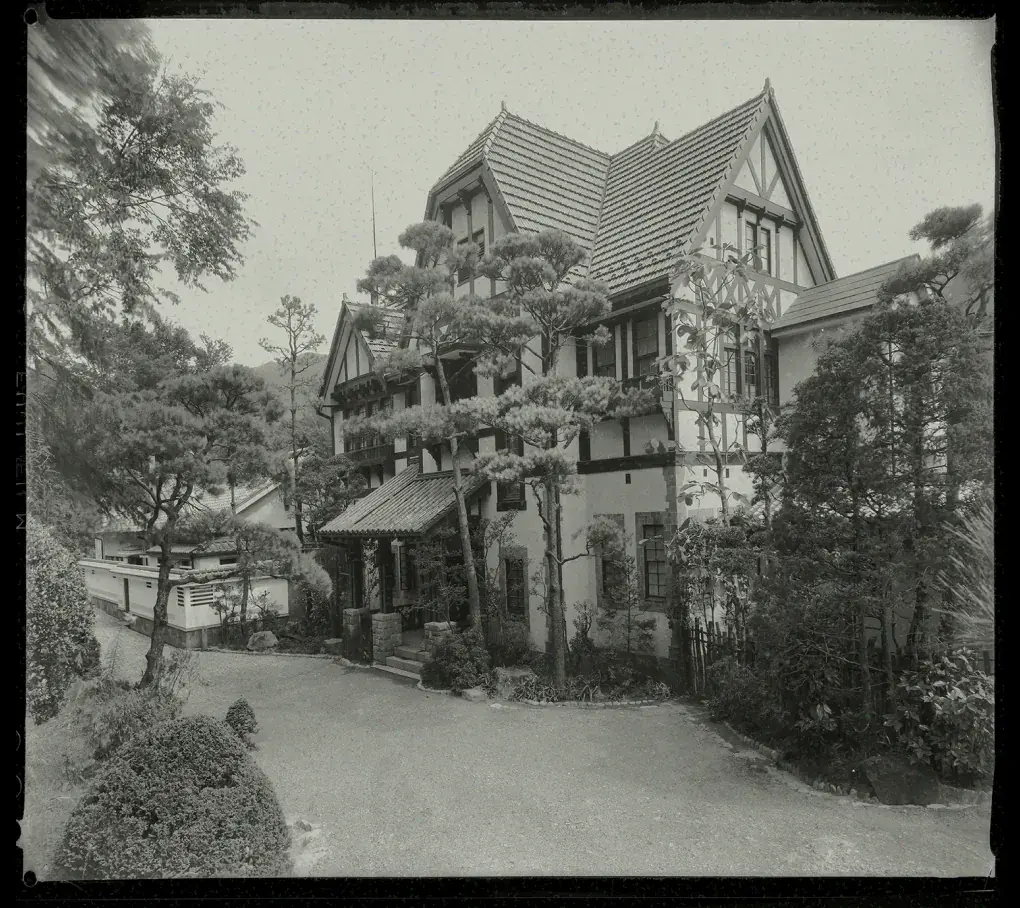



I once had a kaiseki course where the presentation itself taught me seasonal vocabulary, and that stuck with me. Seriously though, pay attention to plating because kaiseki is as much about visual rhythm as it is about taste.
Practical tips during dinner
Here's the deal: many ryokan serve kaiseki in a private dining room or at your room’s table. Staff follow omotenashi etiquette precisely, so learning a few phrases in romaji like arigato and onegaishimasu will earn you smiles. My tip? Ask for an English menu in advance, and if you have dietary restrictions, notify the ryokan at booking time. Most will accommodate seafood allergies or vegetarian requests with prior notice.
That reminds me: finish the meal slowly. It's part of the cultural practice, and it gives you time to savour seasonal details and practice listening to polite Japanese. See what I mean?
Mount Fuji views, timing, and practical advice
Did you know that clear Mount Fuji views in Hakone happen most often in winter mornings and on dry days after a front passes? To chase a view, request a room with west-facing windows near Lake Ashi or on the higher slopes of Gora.
Oh, almost forgot: weather matters for both onsen and views. On rainy days, a private onsen becomes even more appealing because you control the experience, and the view is often misty and atmospheric, which is wild, isn't it?
Let me show you why booking timing helps: weekends and Japanese holidays fill fast, especially in cherry blossom season and autumn koyo. Book at least 2-3 months ahead for top ryokan and consider weekdays for better rates and quieter baths. But that's not all.
In pictures
Frequently Asked Questions
Do all ryokan in Hakone have private onsen?
No. Many ryokan offer shared communal onsen, while a smaller selection provides private in-room or reservable outdoor baths. Check the room description carefully before booking.
Can foreigners use onsen if they have tattoos?
Short answer: it depends. Some ryokan allow tattoos if they are small or covered by a sticker, while others require private baths. Ask when you book to avoid disappointment.
How long should I stay to enjoy a ryokan experience?
Two nights is ideal. One night can work if you arrive early and depart late, but two nights gives you time to relax, enjoy kaiseki, and catch a Mount Fuji morning view.