What Ramenpedia (Ramen Japan English) Covers
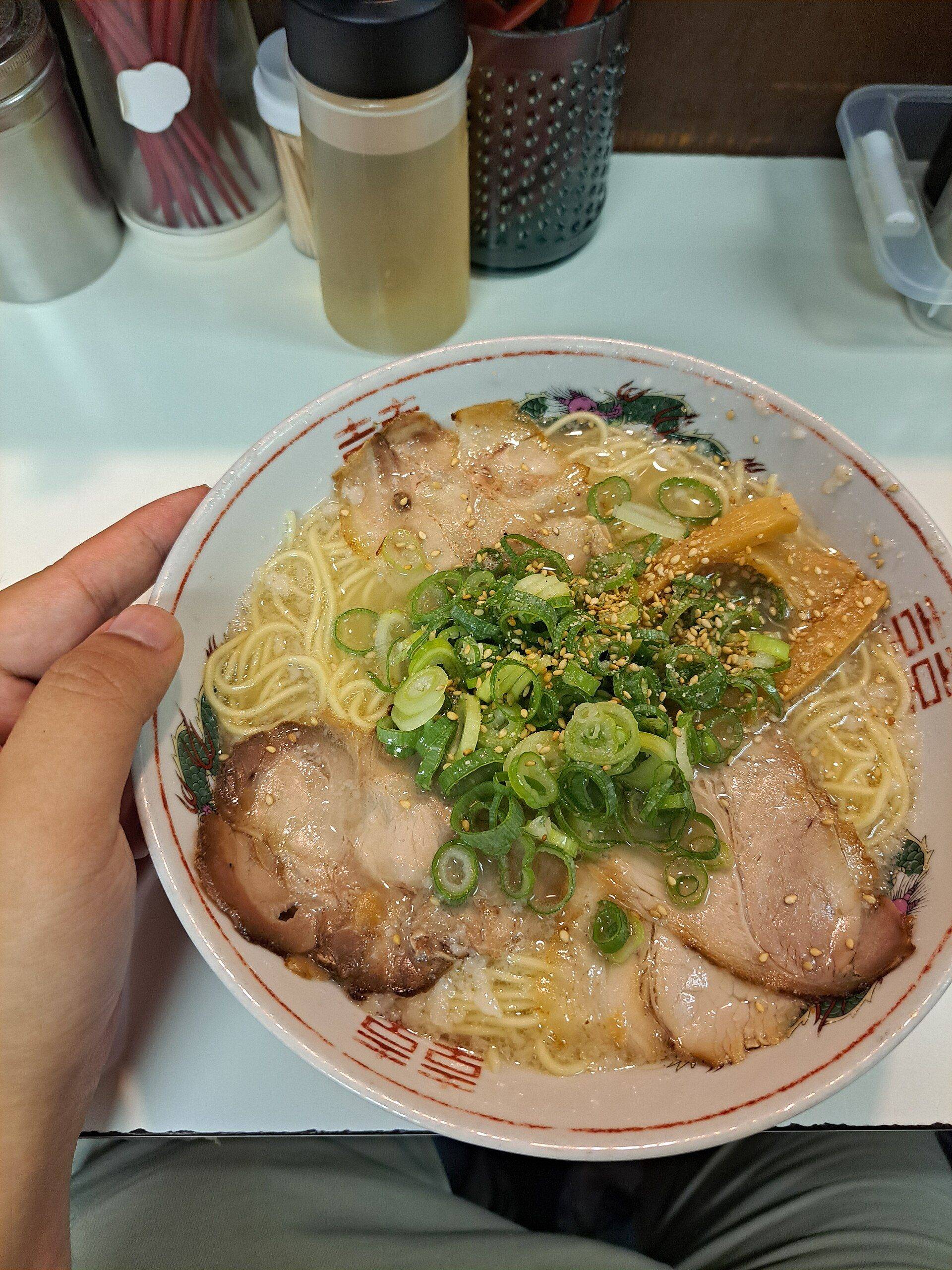
Fact: Ramenpedia is part of the Ramen Japan project and focuses on restaurant pages and regional profiles translated into English, making ramen research faster for non-Japanese speakers. Picture this: you can read about Sapporo's rich miso ramen, Hakata's porky tonkotsu, Kitakata's flat noodles, and Wakayama's soy-forward bowls without guessing at kanji.
Question: What exactly shows up on a shop page? Typical entries list the address, phone number, opening hours, a basic menu with prices, and a short note on seating or queue patterns. That brings us to how that information helps you plan a visit.
Shop profiles and practical details
Imagine a narrow alley in Tokyo. There’s a small shop with eight seats and no English menu. Ramenpedia gives you the practical intel you need: whether the shop accepts cards, has counter seating, or closes by 15:00. Guess what? It often links to Google Maps so you can check the walk time from the nearest station, and it notes common wait times.
Regional profiles
Compared to back home, regional ramen in Japan changes a lot. Sapporo in Hokkaido favours miso (味噌, miso) and butter corn toppings. Hakata in Fukuoka is famous for thin noodles and creamy tonkotsu (豚骨, tonkotsu) broth. Kitakata in Fukushima is known for thick, curly noodles and soy broth. The best part? Ramenpedia frames each region with food culture notes so you understand why those bowls taste different. Sounds good, right?
How Ramenpedia Helps Travelers and Ramen Enthusiasts
Direct address: If you're travelling to Japan next month, this is where Ramenpedia shines. That reminds me: when I planned a trip to Sapporo in 2019, I printed shop pages and avoided a lot of guesswork. My tip? Screenshot shop entries with the address and show them to taxi drivers if needed.
Here's the thing: besides menus and hours, some pages include photos and short histories of the shops. And it gets better: you can learn about local ordering customs, like how to say you'd like your noodles firm or soft, or that extra toppings cost extra. What many overlook is that knowing one or two menu words makes ordering smoother and gives you a friendly conversation starter with staff.
Choosing where to eat
Anecdote: I once walked past a line and assumed the food was overrated. Later, I checked Ramenpedia and learned the line was for a seasonal special you can't get every day. That's why checking the shop profile before queuing saves time. Convinced yet?



Using Ramenpedia as a Japanese Learning Resource
Direct address: If you're learning Japanese, use Ramenpedia to match vocabulary to real-world signs and menus. That brings us to vocabulary practice: look up items like shoyu, chashu, tsukemen and then try to spot the kanji and pronunciation on actual menus.
Compared to a textbook, reading short shop descriptions and menu snippets reinforces kanji and loanword recognition in context. The site often mentions prep words like how the broth is thick or clear, and it uses location names such as Tokyo, Sapporo, Hakata, Kitakata, and Wakayama so you can add geography to your vocabulary. What I especially like is that the regional guides explain local ingredients and terms, so you learn culture and language at once. Wild, isn't it?
Learning steps for students
Picture this: make a small study routine. Pick one shop page each week, copy five menu words into your flashcards, and try to order aloud using the phrases on the page. The best part? Real-world repetition helps Japanese stick faster than isolated drills.
Practical tips and limitations
Question: Is Ramenpedia flawless? No, some entries are brief and photos vary in quality. That reminds me: if a shop has only a minimal English page, combine it with local resources like Google Maps reviews or community threads on r/JapanTravel for more opinions.
Here's the thing: always check for the latest hours and holiday closures, especially during Golden Week or New Year. And it gets better: Ramenpedia is a great starting point, but pair it with on-the-ground tips from locals or recent travellers for real-time accuracy. But that's not all.
Frequently Asked Questions
Is Ramenpedia free to use?
Yes, the English pages are freely accessible.
Does Ramenpedia include maps and phone numbers?
Most shop profiles include addresses and links to maps; phone numbers are shown when available.
Can I use Ramenpedia to practise Japanese?
Yes, it's useful for learning menu vocabulary and regional food terms.