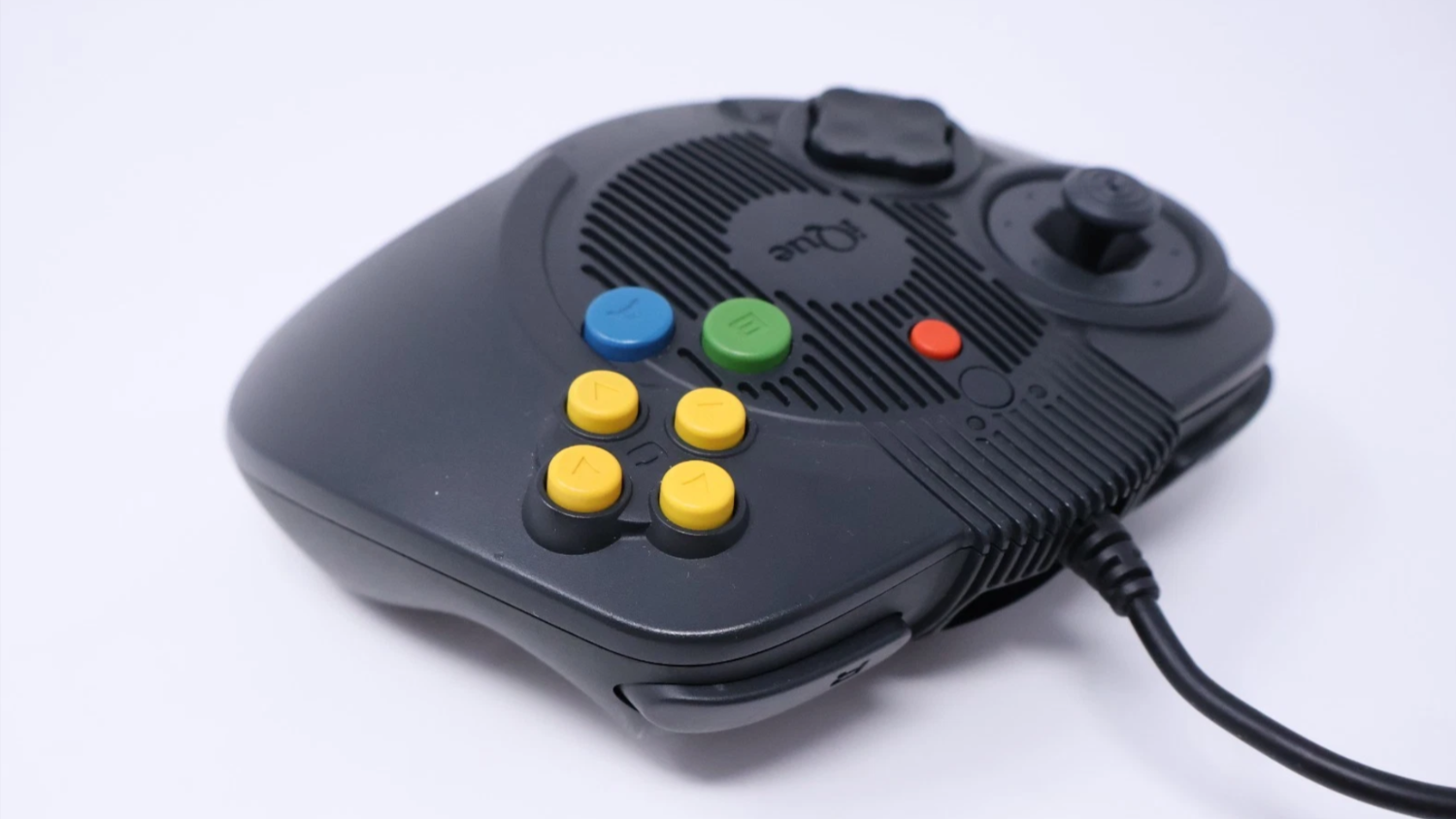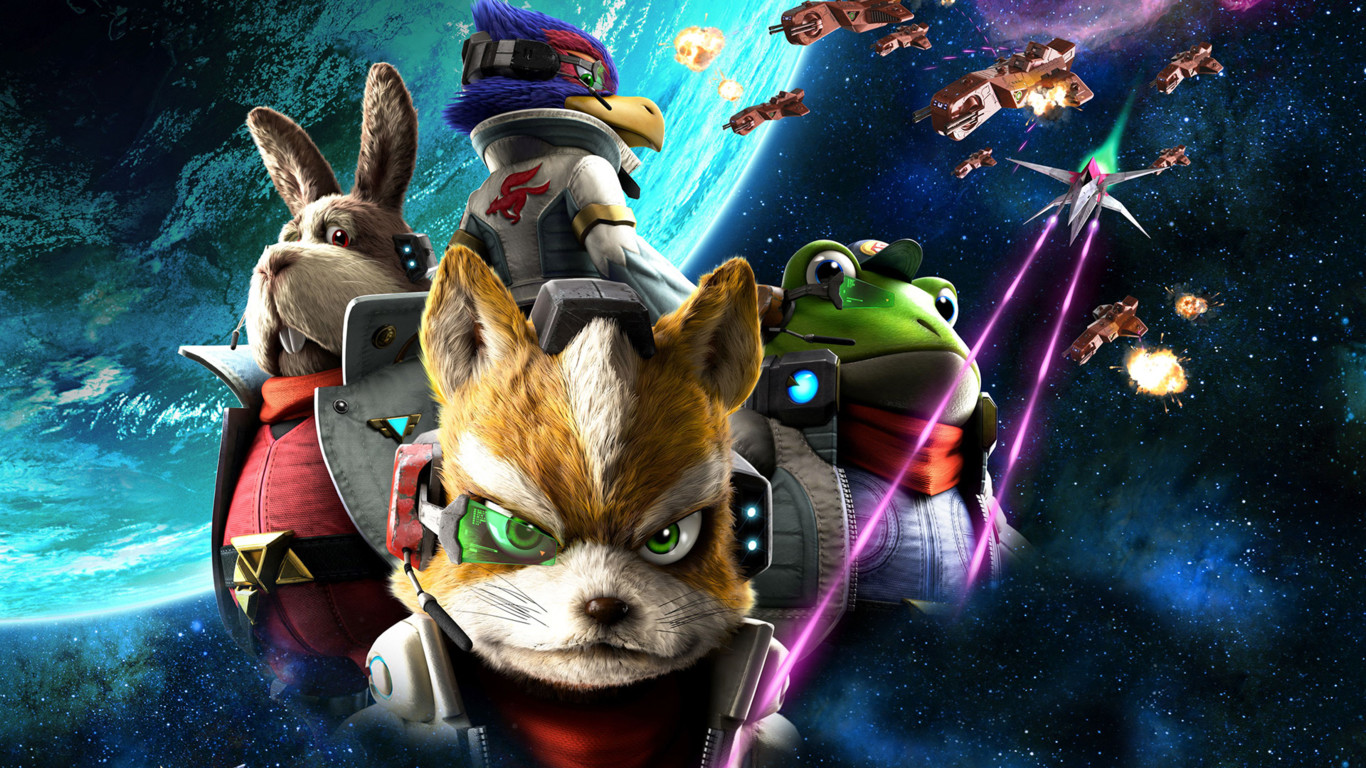
Nintendo Direct as the perfect stage for Star Fox
Here’s the deal: Nintendo Direct has become Nintendo’s cleanest way to make a game announcement land with maximum precision. No conference room filler, no awkward applause gaps, just a tightly edited showcase that moves from one reveal to the next like a well-tuned menu screen. When Nintendo uses that format to bring back Star Fox, it’s not just sharing news, it’s aiming straight at memory.
![Startup Company [Console Edition] (Limited Edition)](https://s.pacn.ws/1/p/157/startup-company-console-edition-limited-edition-741799.16.jpg?v=ry4mm8&width=400)
![Startup Company [Console Edition]](https://s.pacn.ws/1/p/157/startup-company-console-edition-741779.10.jpg?v=ry4ngq&width=400)
That matters because the audience for this kind of reveal is unusually specific. You’re not only talking to people who know Nintendo, but to people who still remember the sound of an Arwing locking onto a target, the Star Fox 64 voice clips, and the odd comfort of piloting through a polygon sky in 1997. That first blast of recognition does half the work. The other half is trust.
Let’s be honest: Nintendo Direct exists because Nintendo understands that presentation shapes reception. A Star Fox revival announced there doesn’t need a long sales pitch. It needs a clear image, a few sharp beats, and the right historical echo. Sounds good, right?
Why a Star Fox revival hits N64 fans immediately
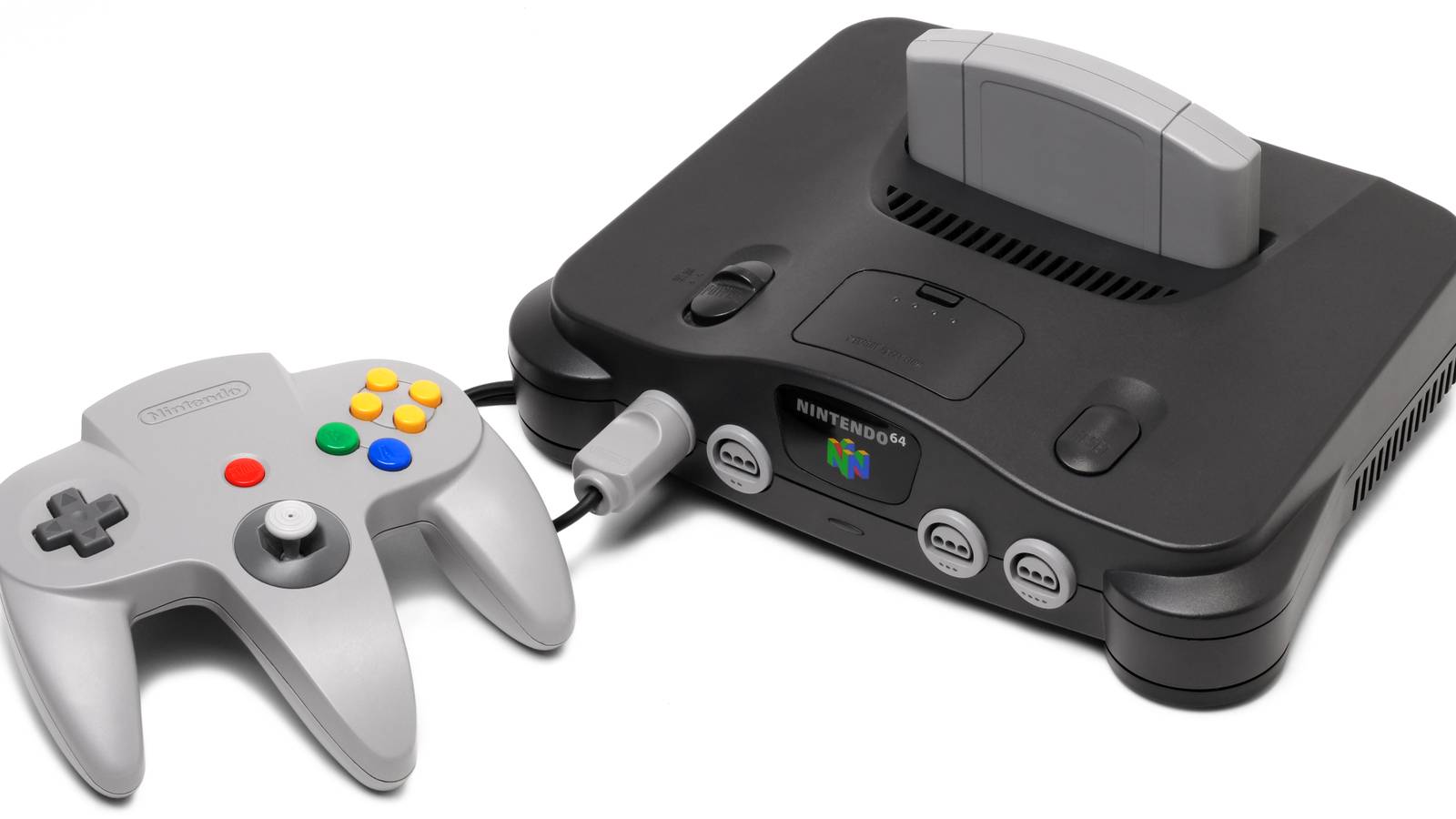
The first time I went to Japan, I spent too much time in a retro game shop in Akihabara, staring at old Nintendo 64 boxes like they were museum pieces with better colour grading. Star Fox 64 was one of the games that kept pulling my eye back. Not because it was the most complex game on the shelf, but because it had a very specific identity: fast, readable, and unmistakably Nintendo.
That’s exactly why a revival of Star Fox still has pull. Star Fox 64, released in 1997 for the Nintendo 64, gave the series its defining rhythm, with branching routes, strong mission pacing, and voice lines that became part of gaming culture. It was action, yes, but also structure. You could explain the appeal in one sentence, which is rare for older 3D games. You fly. You dodge. You win by feel.
And that feeling matters more than raw technical specs. A lot of modern revivals drown in detail, then forget the thing that made the original memorable. Star Fox never really had that problem. Its identity was always clear, almost blunt, which means a new announcement instantly drags the older game back into the conversation. For N64 fans, that’s not nostalgia fluff. It’s design memory. But that’s not all.
Star Fox 64 set the template
Star Fox 64 was not the first game in the series, but it was the one that most players in the West remember, especially in Nintendo of America territory. Released in North America in 1997, it arrived at a time when Nintendo 64 owners wanted something that felt expensive and energetic, not just another experiment in 3D. Star Fox 64 delivered both. It looked modern, it sounded modern, and it made the N64 feel like a machine with attitude.
Did you know that Star Fox 64 is still remembered for how little waste it had? Every stage had a purpose, every route felt like a small victory, and the game rarely asked you to sit still. That kind of design ages well. In Japanese terms, it has a kind of tamae? Not quite. Better to say it has 渋い (shibui, subtle, understated, tasteful) efficiency, even while it’s all explosions and animal pilots. The contrast is the charm.
When a new Star Fox project is framed as an action-packed adventure, that description makes sense in context. The series works best when it feels immediate, not overcomplicated. The second you try to turn it into something it isn’t, you risk losing the entire point. This is a textbook case of style supporting substance, not replacing it. My tip: when a franchise has this kind of legacy, the cleanest pitch is usually the strongest one. Sounds good, right?
Nintendo of America and the memory of a global hit
While we’re at it: Nintendo of America still matters in this story because Star Fox 64 was one of the games that helped define how many players outside Japan understood the Nintendo brand in the late 1990s. The series did not live only in Japanese context, even if its roots are deeply Nintendo. It became part of a shared gaming language, and that’s no small thing.
That’s why the mention of Nintendo of America in coverage feels relevant rather than ceremonial. It reminds you that this is a franchise with trans-Pacific history. Japanese design, global reception, local memory, and a surprising amount of quotable nonsense from a talking fox pilot. Classic Japan, isn’t it?
And if you are learning Japanese, there’s a nice little vocabulary angle here too. Nintendo fans in Japan often talk about a revival or return using words like 復活 (fukkatsu, revival; comeback), and a big announcement can be described as 裏切り (uragiri, betrayal)? No, not that one, I’m mixing my dramatic language. The cleaner term is 大人気 (daininki, huge popularity; very popular), meaning big popularity, though context always matters. The real lesson is cultural: Japanese game history often treats old series with patience, then suddenly with enormous energy. You see a gap, then a comeback, then a flood of conversation.
That pattern is familiar if you follow Japan’s entertainment cycle. A dormant IP returns, old fans react instantly, younger players get curious, and the whole thing spreads like wildfire. Sell like hotcakes. Echo across social media. If Nintendo times it well, the announcement does the marketing for them. And it gets better: Star Fox is one of the few retro brands that still sounds fresh when spoken aloud. Say it out loud and it already feels like a launch trailer. My verdict:
What this kind of revival says about Nintendo today
Plot twist: the real story is not only whether Star Fox returns, but how Nintendo chooses to frame old IP in the Direct era. Nintendo has spent years balancing nostalgia with caution, which means it rarely revives a legacy name unless it believes the logo still has value. That makes a Star Fox appearance more than a cute callback. It’s a business signal.
In practice, this kind of reveal works because Nintendo does not need to convince you that Star Fox once mattered. You already know. It just needs to show you that the series can still move, still sparkle, still justify another round of barrel rolls. That is a rare advantage, and one that a lot of dormant franchises would happily borrow if they could.
And I think that’s actually the story here, not the spec sheet but the cultural muscle memory. A Star Fox revival zaps straight into the N64 part of the brain, where polygon edges, voice clips, and late-night play sessions still live rent-free. For Japan fans and language learners alike, it’s a neat reminder that game history is not just dates and hardware. It is shared feeling, preserved surprisingly well by a fox in space.
Frequently Asked Questions
Why does a Star Fox announcement matter so much to N64 fans?
Because Star Fox 64 defined the series for many players, and its fast, memorable design still feels strongly tied to the Nintendo 64 era.
Why does Nintendo Direct work well for this kind of reveal?
It gives Nintendo a focused, controlled stage, so the announcement lands quickly and with strong nostalgia impact.
Is Star Fox still a meaningful brand today?
Yes. It carries enough history, recognition, and identity that a revival can still generate immediate interest.