For Japan fans, this story sits right at the crossroads of hardware design, regional strategy, and that very Nintendo habit of turning a problem into something oddly elegant. Classic Japan, isn’t it?
![Dragon Ball Z: Kakarot [Master Edition]](https://s.pacn.ws/1/p/1eh/dragon-ball-z-kakarot-master-edition-908785.1.jpg?v=t8ja8t&width=400)
![Startup Company [Console Edition] (Limited Edition)](https://s.pacn.ws/1/p/157/startup-company-console-edition-limited-edition-741799.16.jpg?v=ry4mm8&width=400)
![Startup Company [Console Edition]](https://s.pacn.ws/1/p/157/startup-company-console-edition-741779.10.jpg?v=ry4ngq&width=400)
The iQue Player and the N64 System Inside the Controller
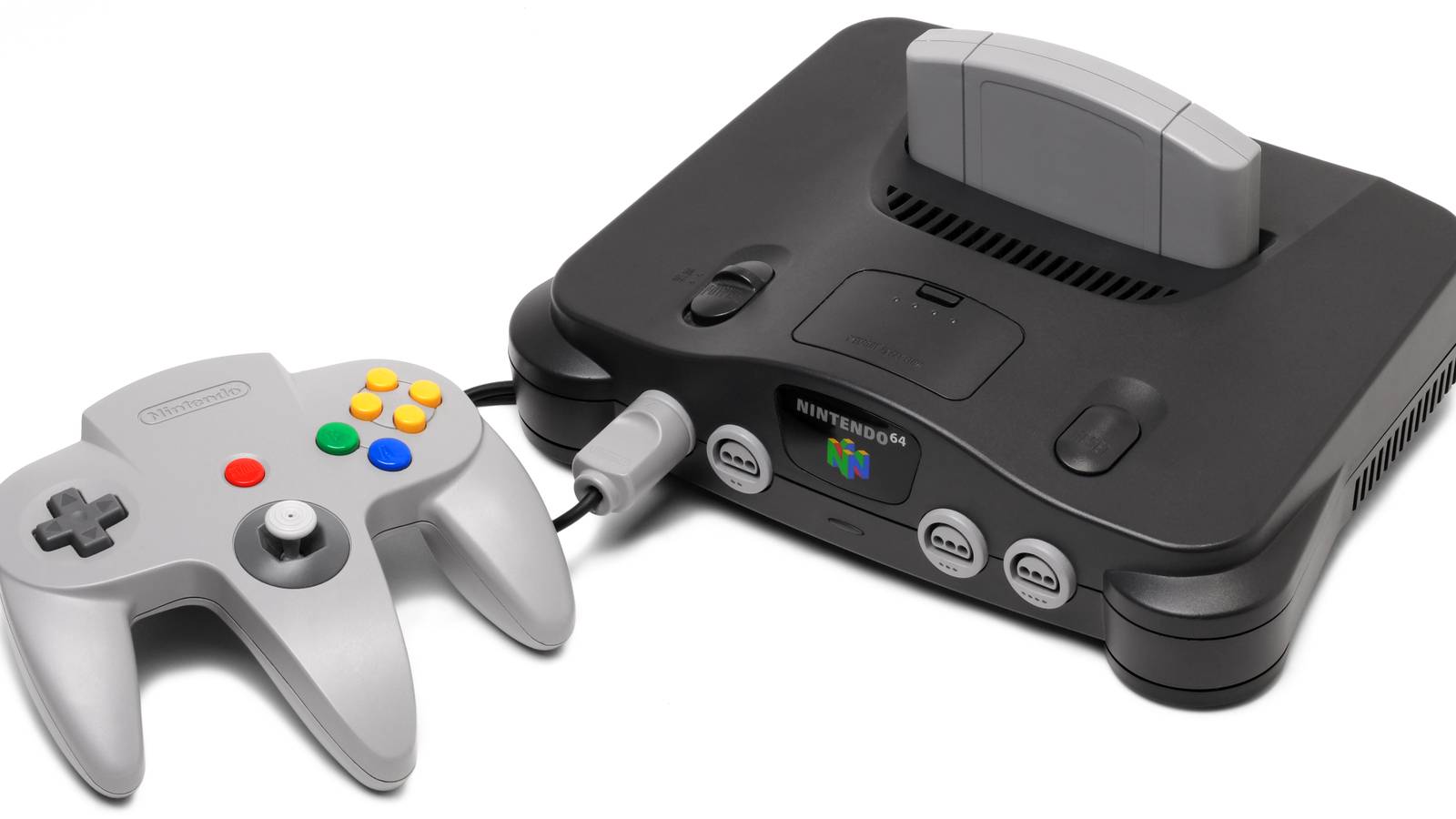
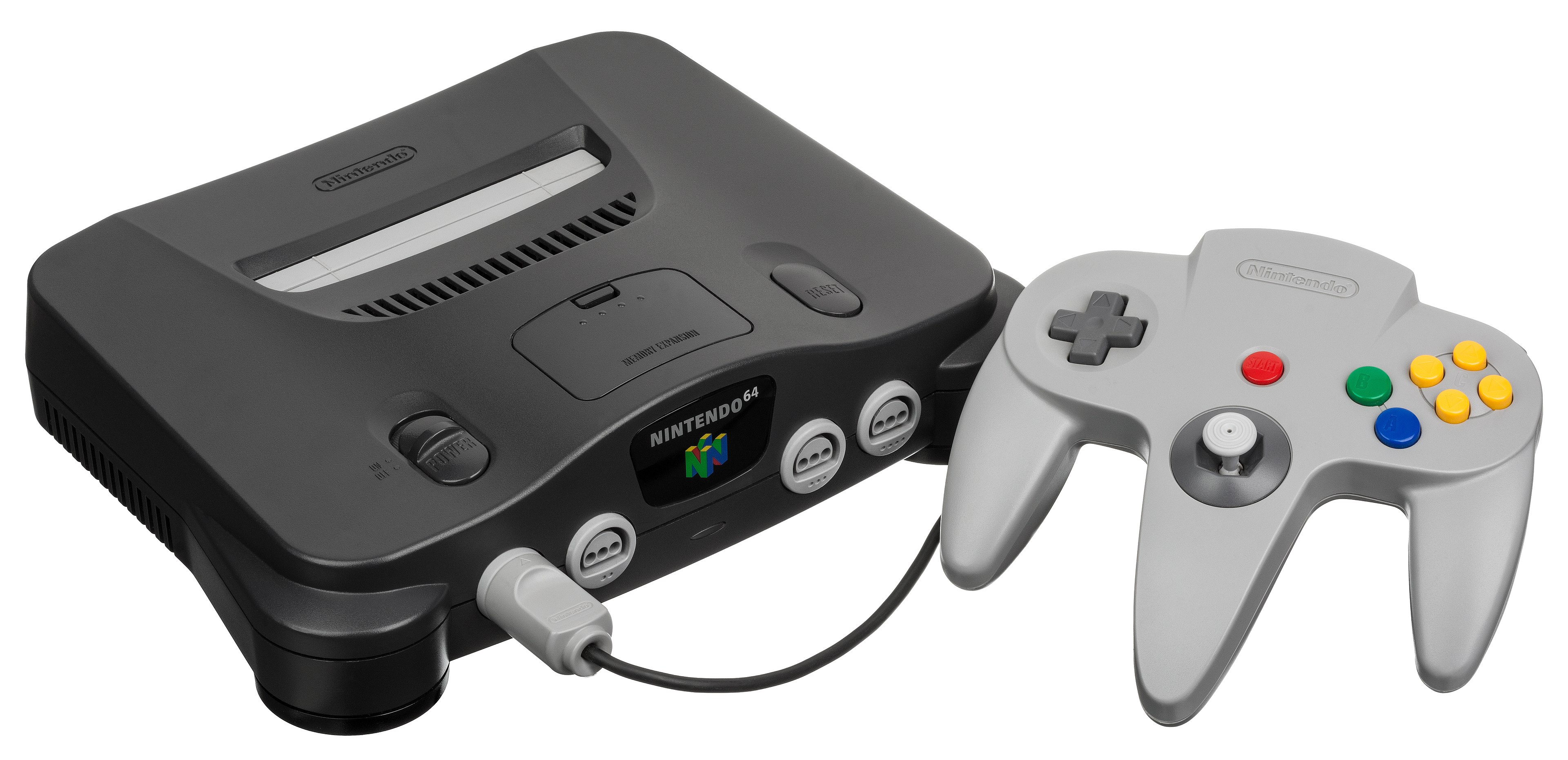
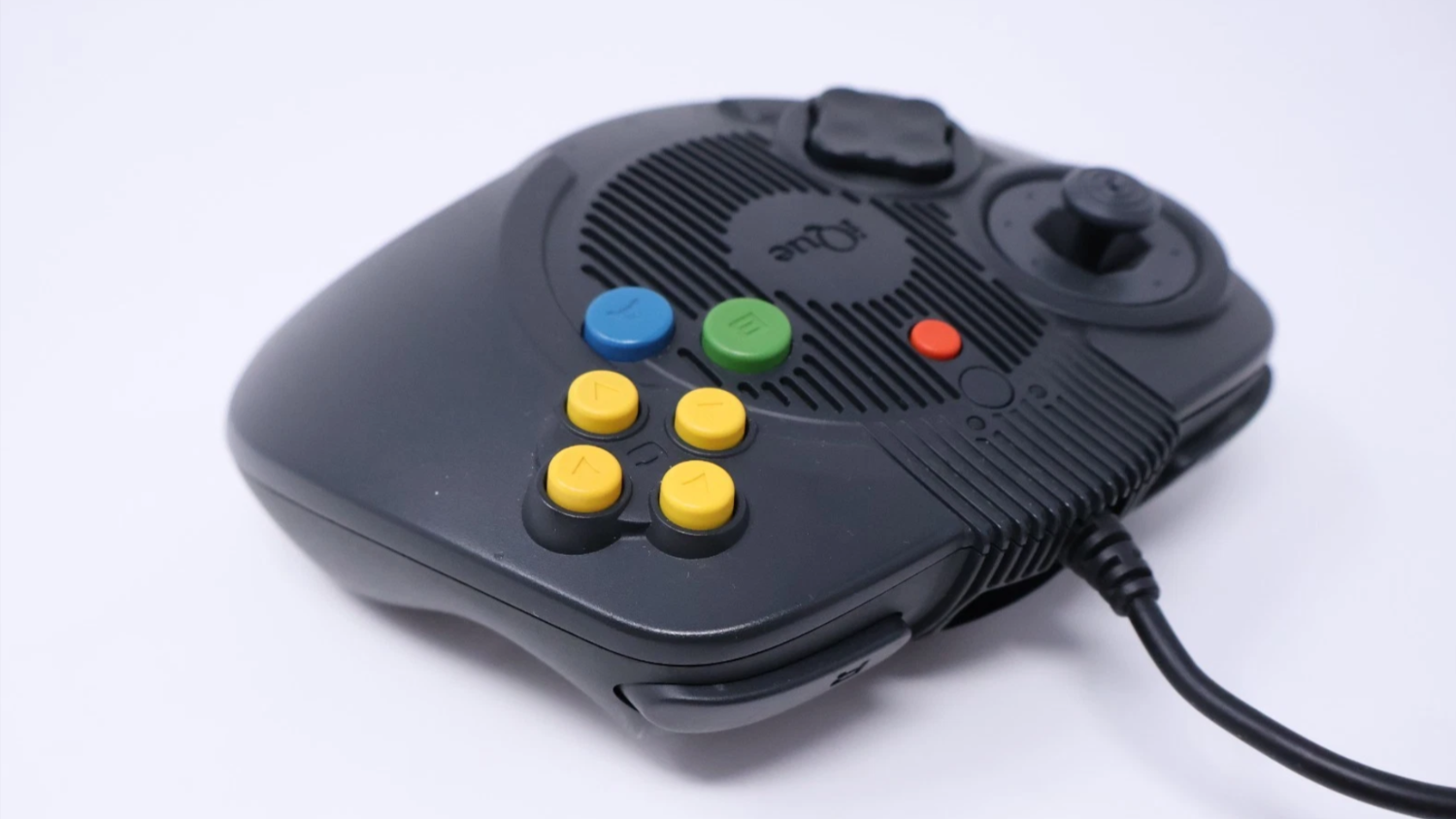
Guess what? The iQue Player wasn’t just a weird accessory, it was a full game system made by Nintendo and iQue Ltd., released in 2003 for mainland China. The hardware took the basic Nintendo 64 architecture and shrank it into a controller-like body, with the console electronics built right into the shell, while games were stored on flash cartridges instead of the usual N64 carts.
That design sounds like a prank until you see the details. There was a single controller port, a memory card-style save setup, and a layout that made the whole unit feel like a compact, self-contained bridge between Nintendo’s home-console DNA and a market that looked very different from Japan or the United States. The N64 was already old by then, but the idea was fresh in its own strange way. Sounds good, right?
Why Nintendo Built It for the China Market
Here’s the deal: the iQue Player was part of Nintendo’s effort to enter mainland China, where console distribution was tangled up in government policy and limited retail access. For years, the market was hard to crack, and Nintendo needed a form factor that could slip through local conditions more easily than a standard home console.
Compared with back home, where the Nintendo 64 had been a familiar living-room machine since 1996, China called for something smaller, cheaper to distribute, and easier to position as a TV-connected entertainment device. The iQue Player launched with a built-in library of games and a download model through kiosks, which was another clever workaround. Seriously though, this wasn’t just about shrinking hardware, it was about shrinking friction.
On a related note, the iQue brand itself was a joint effort between Nintendo and Chinese entrepreneur Wei Yen. Nintendo didn’t simply copy and paste a Japanese product and hope for the best; it adjusted the software delivery, the branding, and even the way users obtained games. That’s why the iQue Player still matters as a case study in market-specific hardware design. Convinced yet?
How the Controller-Style Design Changed the Experience
Imagine a narrow alley in Tokyo. Space matters, every object has to earn its place, and that mindset fits the iQue Player surprisingly well. Instead of a boxy console and a separate controller, you got a compact device that resembled the N64 pad, only thicker and more self-contained, which made the whole package look almost playful.
Flash memory instead of cartridges
The original Nintendo 64 relied on large cartridges, but the iQue Player used internal flash memory for game storage and saved progress separately. That cut down on physical bulk, and it also suited a market where digital distribution through official kiosks made more sense than shipping stacks of cartridges across the country. For learners, the word to remember here is 副詞 (fukushi, adverb)? No, wrong lane. The better lesson is 再構築 (saikochiku, restructuring; rebuilding), or rethinking a system from the ground up, because that’s exactly what Nintendo did here.
What I especially like is how practical the idea was. It wasn’t a gimmick for gimmick’s sake, it was a real answer to a real obstacle, and it still looked like something only Nintendo would approve. Wild, isn’t it?
Japan, China, and the Strange Logic of Nintendo Hardware
Know that feeling when a product makes sense only after you learn the local context? That’s the iQue Player in a nutshell. Nintendo’s home market in Japan had long been used to hardware variations, from the Family Computer Disk System to region-specific models, but the China release pushed that idea further by tying hardware shape, distribution, and policy into one package.
Before I forget, the iQue Player also shows how Japanese gaming companies often adapt with patience rather than brute force. Nintendo didn’t dominate China with a flashy global launch, it tried a narrow, controlled entry through a hardware design that could be legally and commercially workable. For Japan fans, that feels very close to the old 改善 (kaizen, continuous improvement) mindset, steady adjustment, not loud reinvention. Insider tip: if you like retro console history, this is one of those devices that tells you as much about business strategy as it does about silicon.
My tip: if you’re learning Japanese, this is a great story for picking up terms like 機器 (kiki, device; equipment), meaning device, and 市場 (shijou), meaning market. Those words come up all the time in Japanese tech reporting, and the iQue Player is a perfect example of why. A machine can be tiny, yet the context around it can be huge. See what I mean?
Why the iQue Player Still Gets Attention Today
There were only a limited number of official iQue Player releases and the platform never became a mass-market giant, but that’s part of the appeal. Collectors love odd regional hardware, and historians love products that reveal the hidden logic behind corporate decisions. The iQue Player does both.
It also proves that Nintendo was willing to rethink the N64 era long after the rest of the world had moved on to GameCube, PlayStation 2, and Xbox. In China, the company didn’t just ship older tech, it repackaged it for survival. That’s a rare kind of retro hardware story, and it feels very Nintendo in the best possible way. Oh, almost forgot: if you compare it to more conventional plug-and-play devices, the iQue Player is far more interesting because it solves a policy problem, not just a design problem.
If you’re building a mental map of Japan-related game history, keep this one pinned. It sits next to the better-known console wars, but it opens a different door, one where local rules, market access, and product design all collide. That’s why the iQue Player keeps showing up in deep-dive conversations among retro fans. more Japan news on jpnerd.com
Frequently Asked Questions
What was the iQue Player?
It was a Nintendo and iQue game system released in China in 2003, based on Nintendo 64 hardware.
Why did Nintendo make it controller-shaped?
The shape helped create a compact all-in-one system that was easier to position in the Chinese market.
Did it use normal Nintendo 64 cartridges?
No, it used flash memory and a different distribution model instead of standard N64 cartridges.