Let me show you why the N64 still gets retro fans talking, not just for Mario and Zelda, but for its bold hardware too. And yes, there’s a neat Japanese-learning angle in there as well, if you like picking up words through gaming culture.
![Dragon Ball Z: Kakarot [Master Edition]](https://s.pacn.ws/1/p/1eh/dragon-ball-z-kakarot-master-edition-908785.1.jpg?v=t8ja8t&width=400)
![Startup Company [Console Edition] (Limited Edition)](https://s.pacn.ws/1/p/157/startup-company-console-edition-limited-edition-741799.16.jpg?v=ry4mm8&width=400)
![Startup Company [Console Edition]](https://s.pacn.ws/1/p/157/startup-company-console-edition-741779.10.jpg?v=ry4ngq&width=400)
Know that feeling when a console launch feels like a tech event, not just a game release? That was Nintendo 64 in 1996. It landed in Japan on 23 June 1996, in North America later that year, and it marked a point where home consoles were still trying to look like the future, not just imitate it.
The machine was built around a 93.75 MHz CPU, a NEC VR4300, and a 62.5 MHz Reality Co-Processor, or RCP. Those numbers may look tiny now, but in the mid-1990s they were a serious statement. Nintendo wasn’t selling a cheap box for 2D sprites, it was pushing a 3D-first machine that could make games like Super Mario 64, The Legend of Zelda: Ocarina of Time, and GoldenEye 007 feel like a jump into another era. Sounds good, right?
Nintendo 64 hardware: small numbers, big ambition
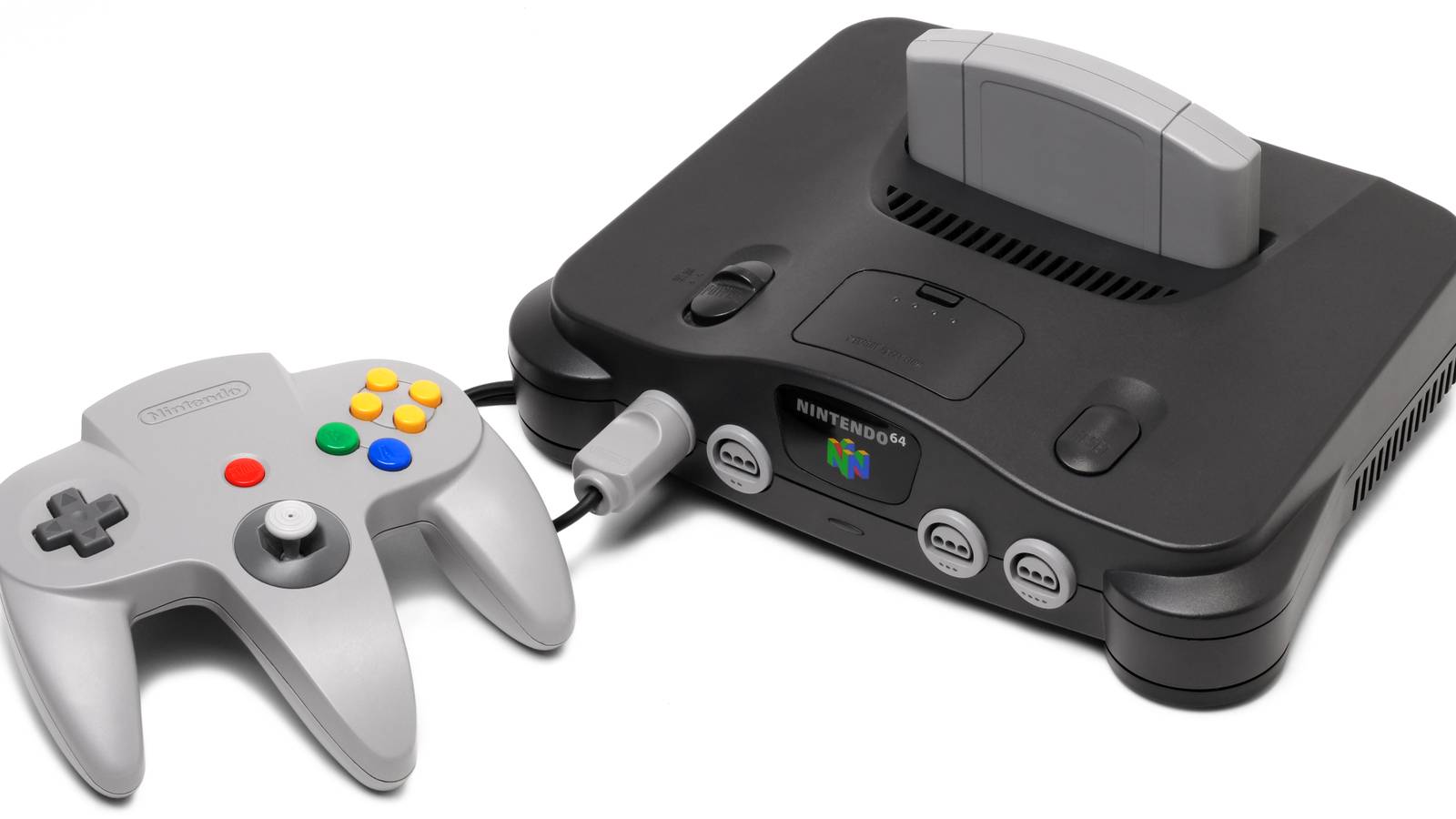
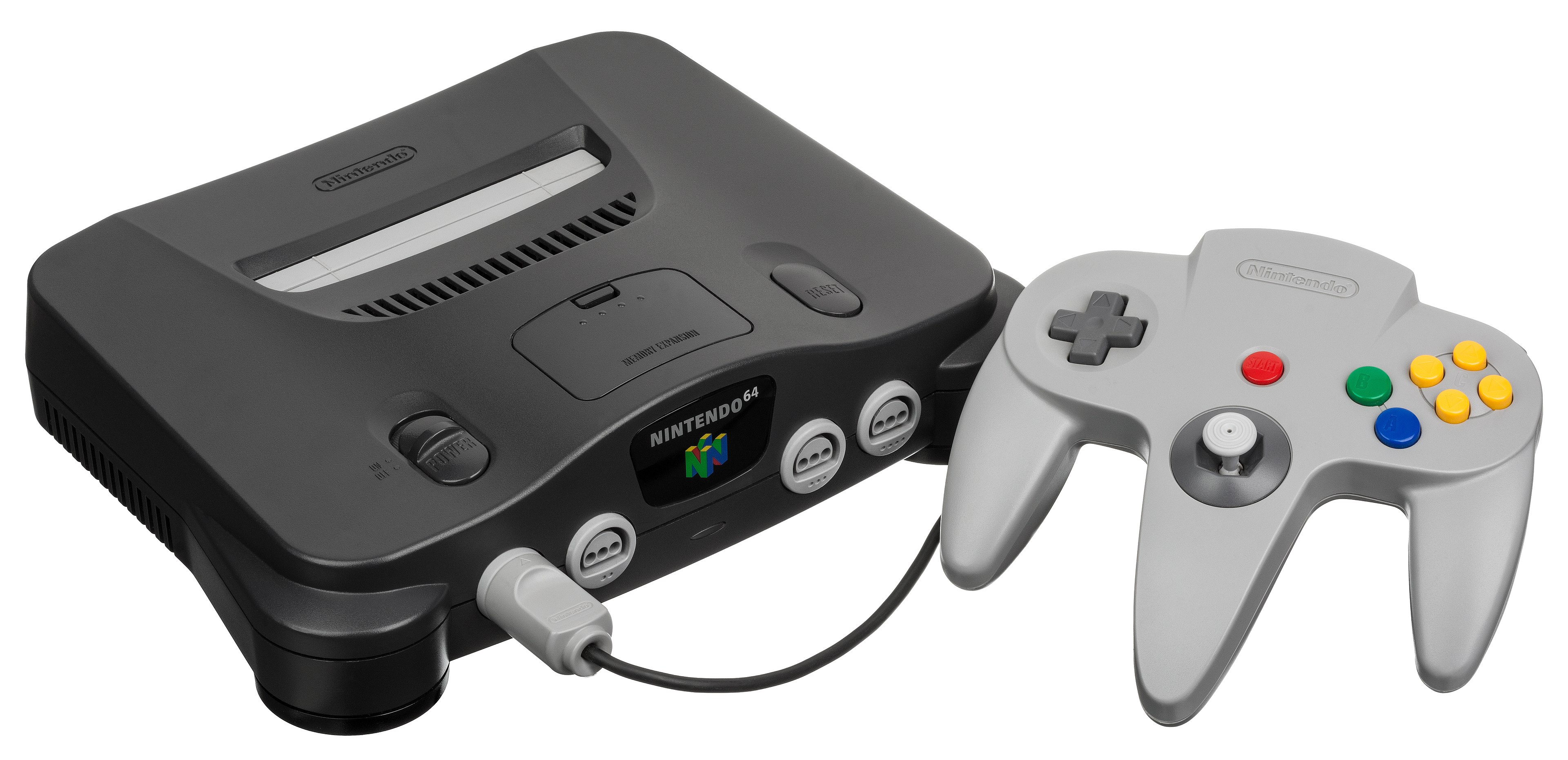
Picture this: a grey console with a chunky controller, a cartridge slot, and a hardware setup that looked simple on paper, but was carefully engineered. The 93.75 MHz CPU handled the main game logic, while the 62.5 MHz RCP took care of graphics and audio tasks through the Reality Signal Processor and Reality Display Processor. That split mattered, because 3D games need more than raw clock speed, they need the right pipeline.
Oh, and the N64 also shipped with 4 MB of Rambus RDRAM, expandable to 8 MB with the Expansion Pak. That tiny memory pool is one reason games had to be so smart with texture sizes, level design, and draw distance. You can see it in Japanese developer culture too, where the word 構成 (kousei, structure; composition) is often used for structure and composition, and N64 games were full of tight, deliberate composition rather than wasteful excess. Not bad, right?
Why the Nintendo 64 still feels like high-end retro hardware
To be fair, the N64 was never the easiest console to develop for. Cartridges were fast, sure, but they were expensive and offered limited storage compared with CDs used by rivals like Sony's PlayStation. That meant Nintendo and its partners had to make hard choices, and those choices shaped the look and feel of the library. Cleaner 3D models, shorter load times, and more playful use of hardware tricks became the norm.
The first time I went to Japan, I remember seeing old game shops in Akihabara with retro consoles lined up like museum pieces. The N64 always stood out, because it sits at that sweet spot where you can still read the hardware spec sheet and feel impressed. In Japan, people often call these kinds of old favourites 懐かしい (natsukashii, nostalgic; fondly reminiscent), which means nostalgic, and that’s exactly the vibe here. It wasn’t just a console, it was a symbol of when home gaming could still feel elite. Sounds good, right?
Controller design and the 3D leap
Seriously though, the controller mattered as much as the chip. That three-pronged design was weird at first, but the analog stick changed how 3D movement felt in living rooms everywhere. Games like Super Mario 64 used it brilliantly, with smooth walking, running, and camera control that made the jump from 2D to 3D feel natural instead of clumsy.
That brings us to something Japanese learners may enjoy: gaming vocabulary often creeps into everyday language. Words like 星 (hoshi, star) for star, superu for speed, or even borrowed terms shaped by game menus and magazines became part of the wider pop-culture conversation. If you were reading old Japanese game magazines in the 1990s, the N64 was discussed with the same excitement you might hear today around a new smartphone launch. My tip: keep an eye on this kind of language, because retro gaming is a sneaky good way to build vocabulary. But let's stick with the hardware for now.
The N64 in Japan: more than Mario and Zelda
Imagine a narrow alley in Tokyo. There’s a tiny second-hand shop, a shelf of cartridges, and maybe a faded N64 box with bright artwork that still looks alive after decades. That’s part of why the console has such staying power in Japan: it belongs to the era when Nintendo's image was still deeply tied to premium craftsmanship, not just nostalgia marketing.
Games like Mario Kart 64, F-Zero X, Sin and Punishment, and Animal Forest showed how broad the system's identity could be. Some were fast and flashy, some experimental, some quietly ahead of their time. Nintendo's partners also used the hardware in clever ways, and Rare's output on the platform became a big reason the N64 is remembered as more than a first-party showcase. Insider tip: if you're learning Japanese, look up old box art and manuals, because the phrasing is often much more direct than modern web copy. Convinced yet?
Why the console still matters 30 years later
What I especially like is that Nintendo 64 represents a moment when hardware specs still felt personal. You could point to a CPU clock, a graphics coprocessor, and memory expansion, and actually feel how those parts shaped play. Today, a lot of console power gets buried under software layers and giant marketing terms. Back then, the numbers were part of the dream.
Before I forget, the N64 also captures a very Japanese design idea, where constraint breeds style. Limited storage encouraged strong iconography, simple shapes, and mechanics that were easy to read instantly. That is one reason games from this era still look so readable now, even when the textures are rough and the polygons are chunky. Seriously though, that's part of the charm, not a flaw. And if you can read a bit of Japanese, exploring old interviews and magazine scans adds another layer of context that makes the whole era feel richer. But that’s not all.
Frequently Asked Questions
When was the Nintendo 64 first released?
The Nintendo 64 launched in Japan on 23 June 1996, with other regions following later that year.
What were the main hardware specs of the Nintendo 64?
The console used a 93.75 MHz CPU and a 62.5 MHz Reality Co-Processor, with 4 MB of memory by default.
Why do retro fans still care about the Nintendo 64?
Because it was a bold 3D-era machine with inventive games, strong first-party titles, and hardware that still feels meaningful to study.