
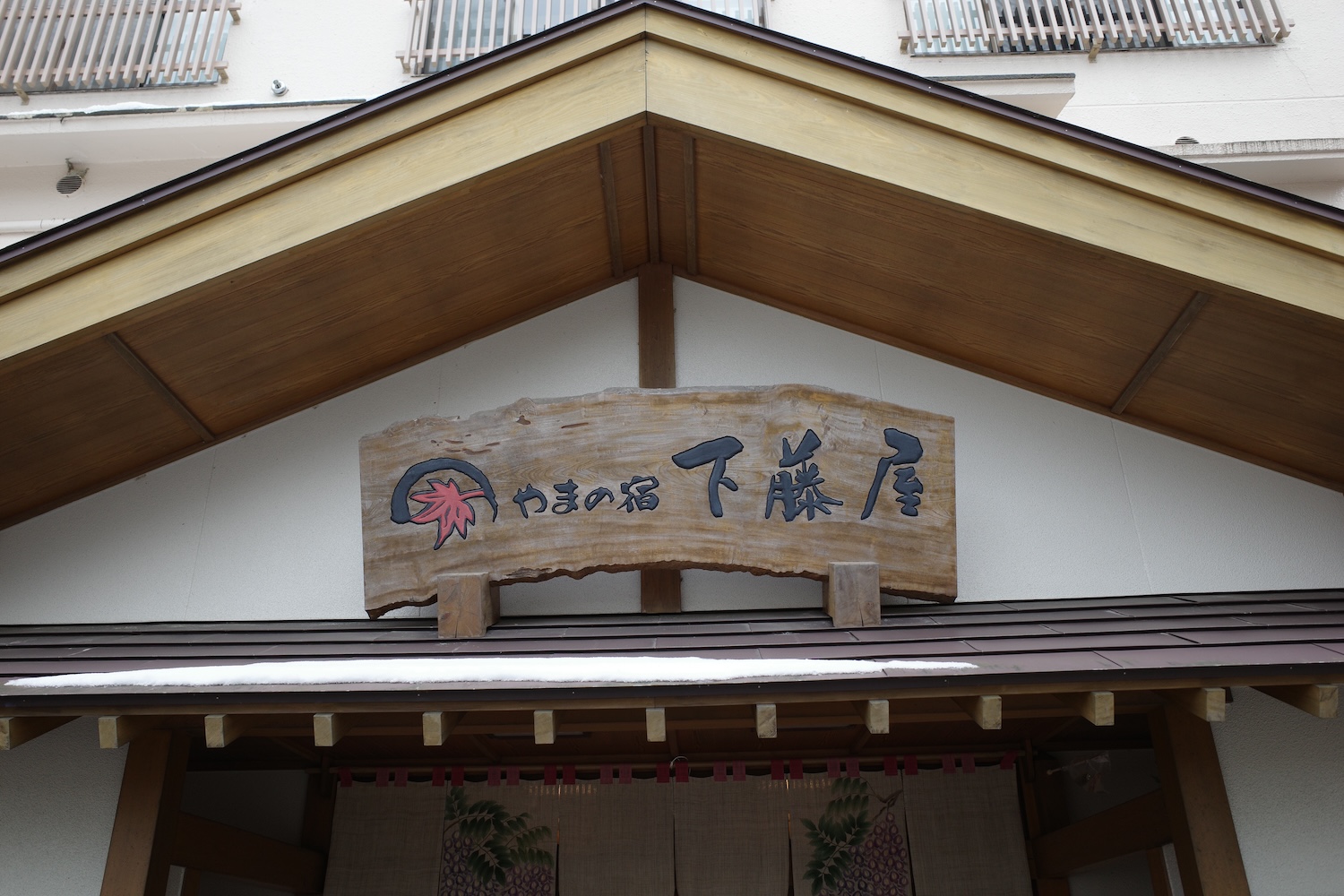
Shimofujiya Ryokan in Nasu Onsen, why this stay works
Here’s the thing: a ryokan stay can feel polished on paper and still be disappointing in real life. Shimofujiya Ryokan in Nasu Onsen avoids that trap because it leans into the basics, a quiet setting, a proper onsen experience, and dinner that feels tied to the region instead of just being “hotel food with a Japanese label.”
Nasu Onsen sits in Tochigi Prefecture, north of Tokyo, and that matters more than people think. The whole area has a mountain-resort feel, with cooler air, a long history of hot spring culture, and enough sightseeing around the Nasu Highlands to justify at least one overnight stay. No wonder many Tokyo residents use it as a reset point, because the travel time is manageable and the atmosphere changes quickly once you leave the city.
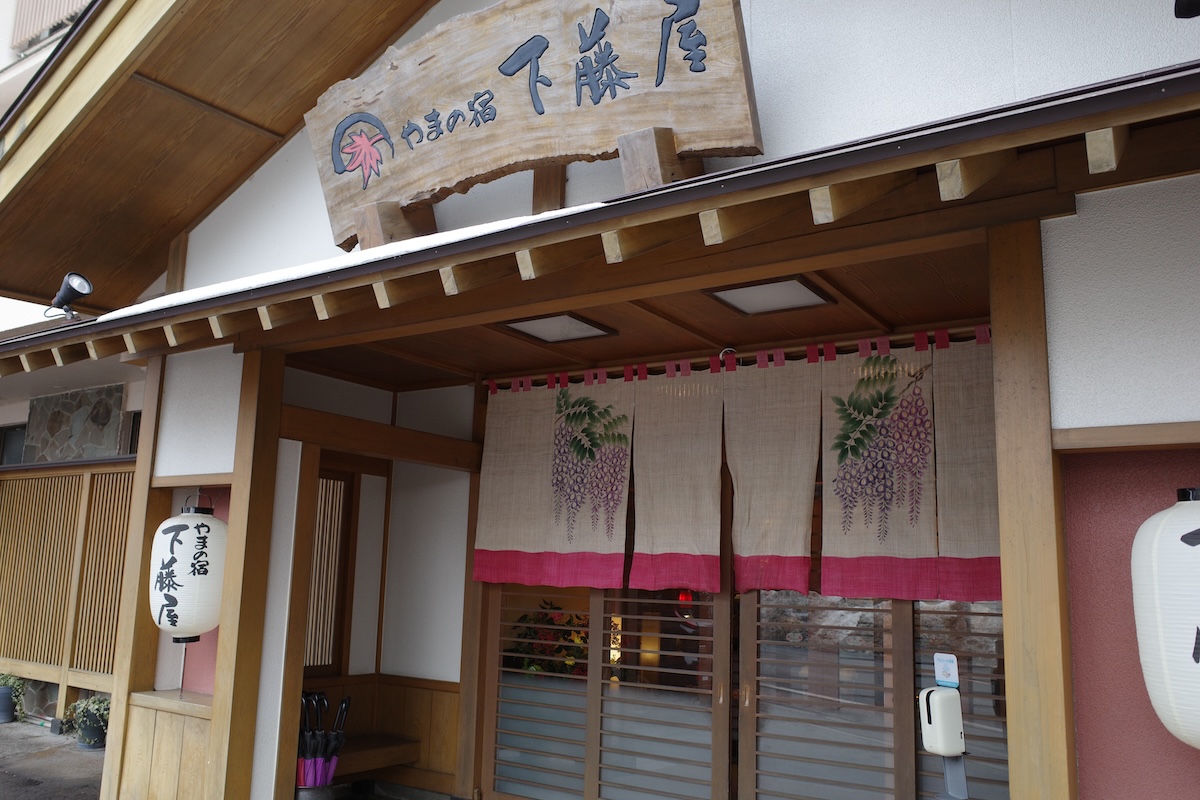
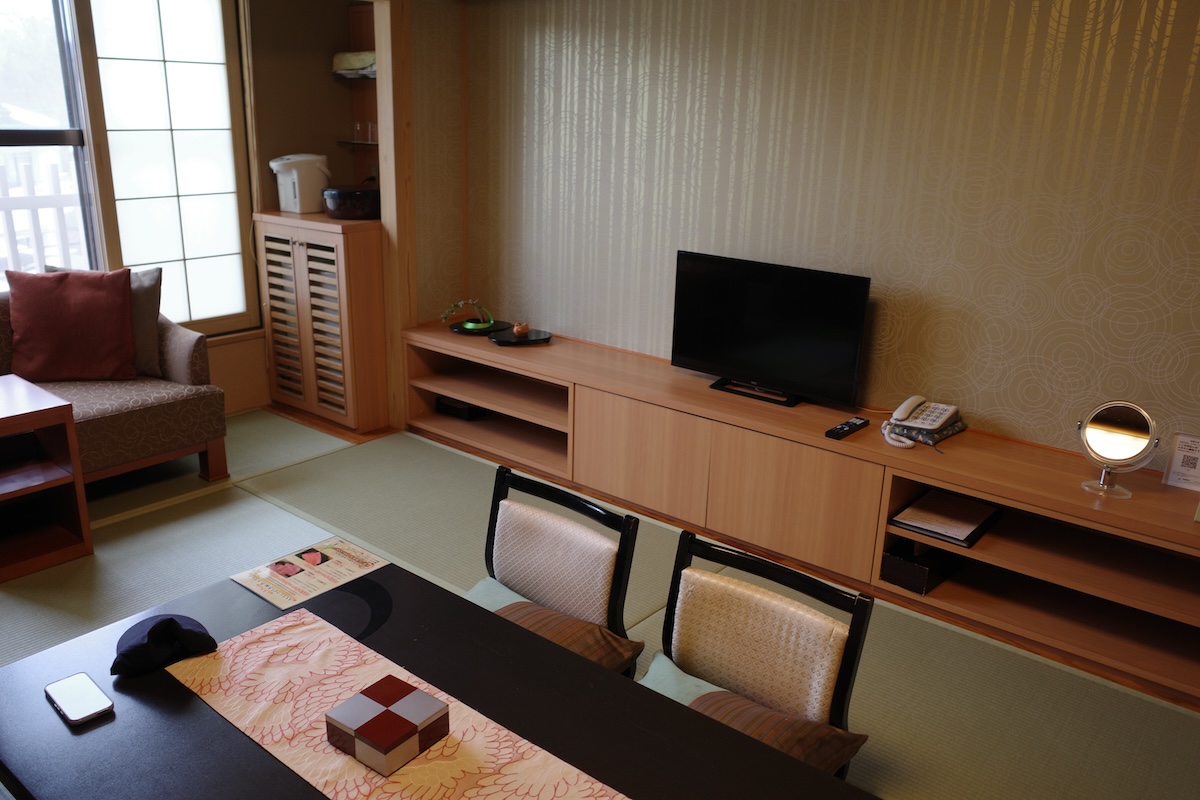
Compared with back home, where spa hotels often try too hard to feel luxurious, a good ryokan like this works because it doesn’t overcomplicate things. You take off your shoes, relax into the 畳 (tatami, tatami mat) rhythm, and let the place do the work. Classic Japan, isn’t it?
Nasu Onsen in Tochigi, location value for Japan travellers
What makes the location valuable is not just the scenery, it’s the balance. Nasu is close enough for a practical weekend trip, but far enough to feel like a real escape. If you’re coming from Tokyo, the trip to Nasu is usually around two to three hours depending on your route, and that’s a sweet spot for Japan travel. You don’t burn a whole day on transport, but you still get that “I’m away from the city” feeling.
On a related note: Tochigi is underrated among first-time visitors. Many travellers know Nikko, but fewer build a proper Nasu plan, even though the prefecture has strong food culture, mountain scenery, and a serious onsen tradition. If you’re learning Japanese, this is also a great area for practical vocabulary, because ryokan staff often use the same useful words again and again, like yashiki-style hospitality terms, bath instructions, and meal timing phrases.
What the stay feels like in practice
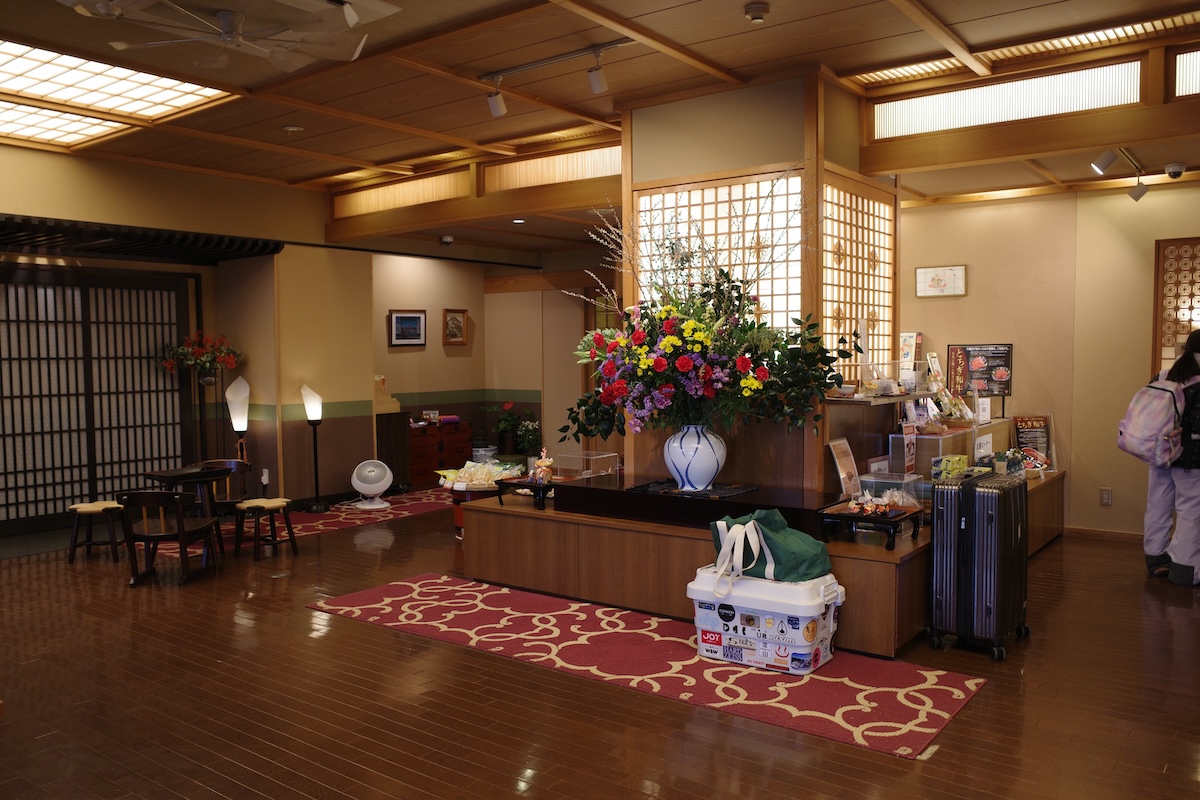
The ryokan experience at Shimofujiya is not about flashy design. It’s about timing, quiet, and the small details that make the room feel restful after a day outdoors. You settle in, enjoy the bath, and then come back to a meal that feels deliberate rather than rushed. While we’re at it, this is exactly why ryokan stays still matter in Japan. They slow you down in a good way, and they make the whole trip feel more grounded.
My tip: if you’re planning a Nasu trip, stay one night instead of doing a day visit. The area makes much more sense when you can enjoy the evening meal, the bath, and an unhurried morning. See what I mean?
Onsen, room comfort, and the meal experience
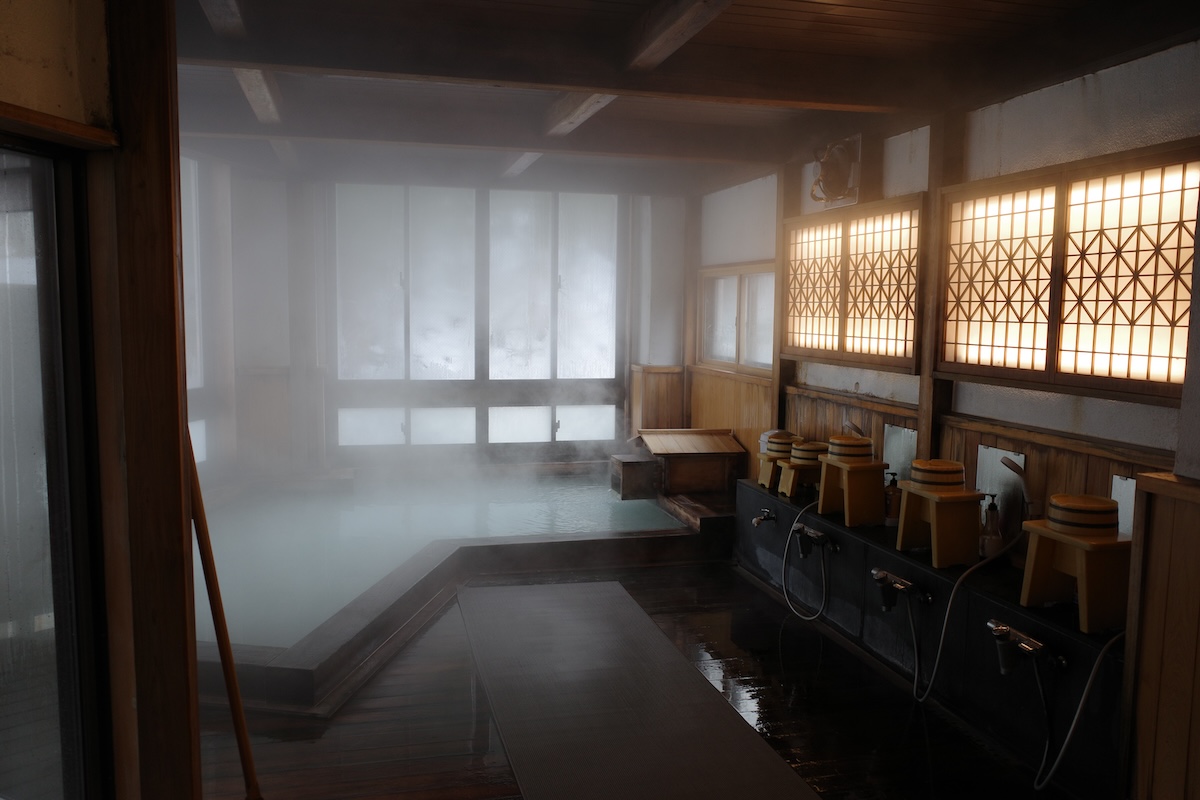
Let me show you why the onsen part matters so much here. A ryokan bath is not just about washing off travel dust, it sets the tone for the entire stay. At a place like Shimofujiya Ryokan, you want the water, the room, and the meal to feel connected. If one of those is weak, the illusion breaks. If all three work together, the stay becomes memorable.



The bath experience in Nasu Onsen is especially appealing because the area is built around hot spring culture. That means the expectation is already high, and for good reason. Guests often look for natural hot spring water, a calm soaking atmosphere, and a chance to recover from a long train or car ride. Insider tip: if you visit in colder months, the contrast between the mountain air and the hot bath is one of the best parts of the trip.
About the food, and the tori-jiro vs Tochigi Wagyu question
Now to the food, because this is where many people start comparing options. Depending on the package and season, guests may see local chicken dishes, sometimes referred to as tori-jiro in casual travel talk, alongside beef options tied to Tochigi’s reputation for quality 和牛 (Wagyu, Japanese beef). If you’re choosing between chicken-based regional cooking and wagyu, the decision comes down to what you want from the stay. Do you want something lighter and more homestyle, or a richer, more indulgent dinner? The reason is simple: ryokan meals are part of the experience, not just fuel.
Tochigi Wagyu has a strong reputation for marbling and tenderness, and it fits especially well in a ryokan dinner where the presentation is as important as the taste. Take a case like this, for instance. If you’re already travelling to Nasu for the onsen, paying a bit more for a better dinner can be worth it, because the meal becomes part of the memory. What I especially like is when a ryokan ties the dish to the prefecture instead of serving something generic that could be anywhere in Japan. Sounds good, right?
At the same time, a chicken dish can be a smarter option if you want a lighter evening before bathing and sleeping. Compared with a heavy beef course, it may suit travellers who prefer a calmer stomach before an onsen soak. Unlike what we’re used to at many resort hotels, the best ryokan meals are not about piling on quantity alone. They’re about choosing the right pace for the night.
Who Shimofujiya Ryokan suits best
This ryokan makes the most sense for Japan fans who want a practical onsen stay without losing that traditional ryokan atmosphere. It’s a good fit for couples, solo travellers, and anyone building a Tochigi route around Nasu Onsen. If you’re also studying Japanese, it gives you a nice real-world setting to hear and use words related to rooms, meals, baths, and check-in routines. That kind of context sticks.
By the way, if your main goal is a polished luxury resort with endless facilities, this may not be your first pick. But if you want a place where the location, the bath, and the meal all work together, Shimofujiya Ryokan delivers the kind of stay people remember later. That’s the real test, and this one passes it. Highly recommended:
In pictures
Frequently Asked Questions
Is Shimofujiya Ryokan a good choice for a short trip?
Yes. It works well for a one-night stay if you want a calm onsen break without a long trip from Tokyo.
What makes Nasu Onsen worth visiting?
Its mountain setting, hot spring culture, and easy access from Tokyo make it a strong weekend destination.
Should I choose chicken dishes or Tochigi Wagyu?
Choose chicken if you want something lighter, or Tochigi Wagyu if you want a richer dinner experience.


