
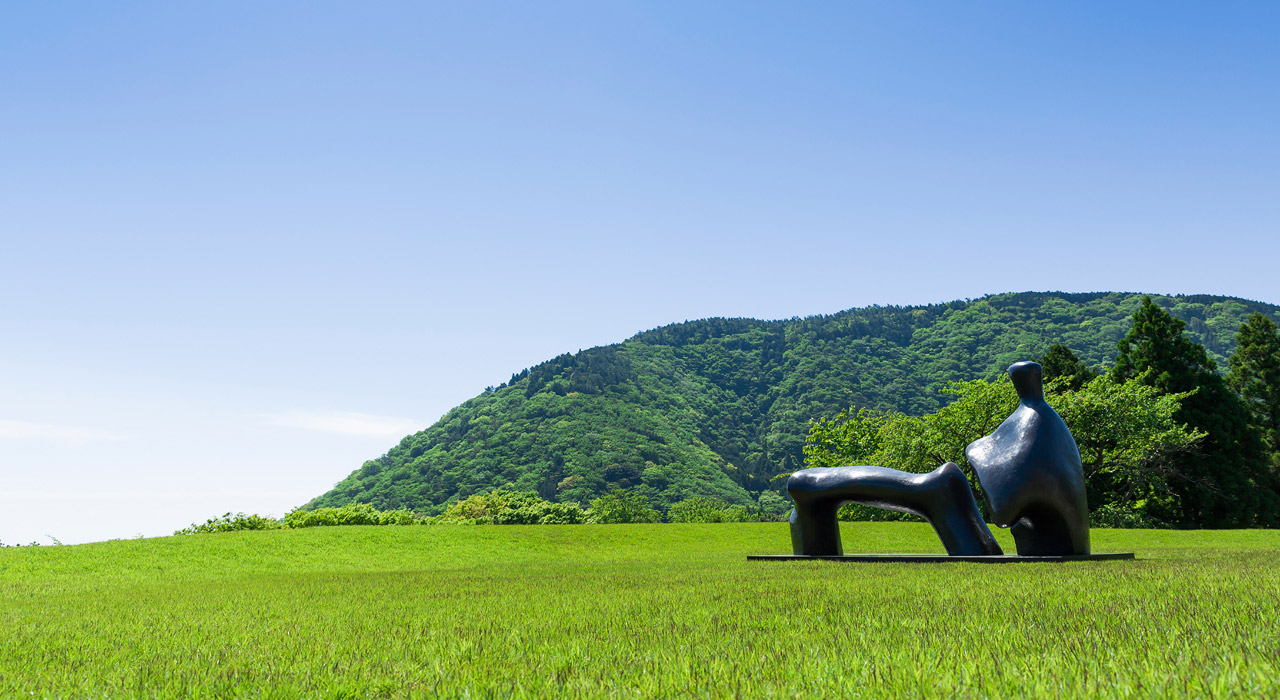
What makes @ennhakone stand out isn’t flashy luxury, but atmosphere, location, and architecture working together. If you love Japan travel spots that feel quietly stylish rather than showy, this one deserves a spot on your list.



Hidden Hakone forest retreat with a real sense of place
What most people don’t know is that Hakone is full of hotels and inns, but only a few places feel like they were designed to disappear into the landscape. @ennhakone is one of those spots. It sits in Hakone, Japan, where the mountains, hot spring culture, and seasonal scenery already do half the work, and the building simply lets that beauty come through.
Built around 50 years ago, the property has the kind of mature presence you can’t fake. The lines are clean, the materials feel grounded, and the whole place reads like a mid-century retreat that has aged with confidence. No wonder, because a building from that era often feels more generous with space, light, and silence than many newer hotels do. My tip: if you care about design, don’t just look at the room photos; look at how the property frames the forest outside. My verdict: the setting is doing a lot of the talking, and it’s saying all the right things.
Hakone, Japan: why the location matters so much
Hakone has long been one of the classic escapes from Tokyo, and that matters here. It’s close enough for a short break, but far enough to feel like you’ve left the city behind. The area is famous for its onsen culture, views of mountains and lake scenery, and a pace that invites slower travel rather than rushed sightseeing.
Basically, a place like @ennhakone makes the most sense in Hakone because the region rewards quiet. You don’t need neon, you don’t need big city energy, and you definitely don’t need a packed itinerary. You want misty mornings, cedar forests, a warm bath, and maybe a walk where the loudest sound is your own footsteps. Highly recommended: if you’re planning a Japan trip and want one stop that feels restorative, Hakone is hard to beat. Sounds good, right?
Architecture that leans into calm
Unlike what we’re used to in many modern hotels, the charm here is not about glass towers or oversized lobbies. It’s about proportion, texture, and restraint. A property built 50 years ago often has thicker visual character, and in Hakone that can mean deeper eaves, warmer wood tones, and a stronger connection between indoor and outdoor spaces.
While we’re at it, this kind of architecture is also a great talking point for Japanese language learners. Words like 土地 (tochi) for land, 建築 (kenchiku) for architecture, and onsen for hot spring come up a lot when reading travel content about Japan. Even if you’re just building vocabulary, a place like this gives context to those words instead of leaving them floating on a flashcard. That’s why travel and language learning fit together so well.
To be fair, not every old building is worth celebrating. Some just feel tired. But when a place keeps its original atmosphere and pairs it with careful upkeep, the result can be memorable in a way brand-new properties rarely are. No wonder, because a boutique hideaway like this is selling mood as much as accommodation. But that’s not all.



The onsen feeling without needing a big resort
Here’s the kicker: the best onsen stays aren’t always the biggest ones. In fact, the smaller and more intimate the place, the easier it is to feel the rhythm of the hot spring experience. You check in, you settle down, you bathe, you eat, you rest. The day starts to reorganise itself around that simple pattern.
What I especially like is that a forest retreat in Hakone naturally supports that onsen mood. The cooler mountain air, the quiet surroundings, and the slower tempo all make the bath feel more satisfying. If the architecture is already about calm, the bathing experience becomes part of the design rather than a separate feature tacked on at the end. Insider tip: for Japan fans, this is the kind of stay where the setting and the cultural experience reinforce each other.
Imagine a narrow alley in Tokyo. Now replace the noise with trees, steam, and a room that feels like it was made for unhurried mornings. That contrast is exactly why Hakone keeps drawing people back. You don’t come here to tick boxes, you come here to decompress. My tip: book this kind of stay when you want your accommodation to be part of the trip, not just a place to sleep.
A boutique hideaway worth watching
Plot twist: the appeal of @ennhakone isn’t only for architecture fans or onsen regulars. It’s also for anyone who likes the idea of a small-scale hotel with character. In a country full of polished chain properties, a place with history and restraint can feel far more personal. The fact that it was built about 50 years ago only adds to that sense of depth.
If you’re learning Japanese, this is also a useful reminder that travel writing in Japan often blends practical details with mood. You might see terms like ryokan, onsen, and 宿 (yado, inn; lodging) used in different ways, depending on the type of stay being described. Paying attention to those distinctions helps you read Japanese travel content more naturally, and it makes real trips easier to plan. My verdict: Hakone is one of the best places to notice how language, culture, and place all connect.
Before I forget, if you enjoy collecting Japan travel ideas that feel a little off the main path, keep an eye on boutique stays like this one. They often reveal more about Japanese design and hospitality than the most famous resorts do. That’s why places like @ennhakone stay interesting long after the first look.
Frequently Asked Questions
Where is this retreat located?
It is in Hakone, Japan, a mountain area known for hot springs and relaxed travel stays.
What makes it special?
Its forest setting, older architecture, and calm onsen atmosphere give it a strong sense of character.
Why do Japan fans like places like this?
They offer a mix of design, local culture, and a slower pace that feels very different from a city hotel.


