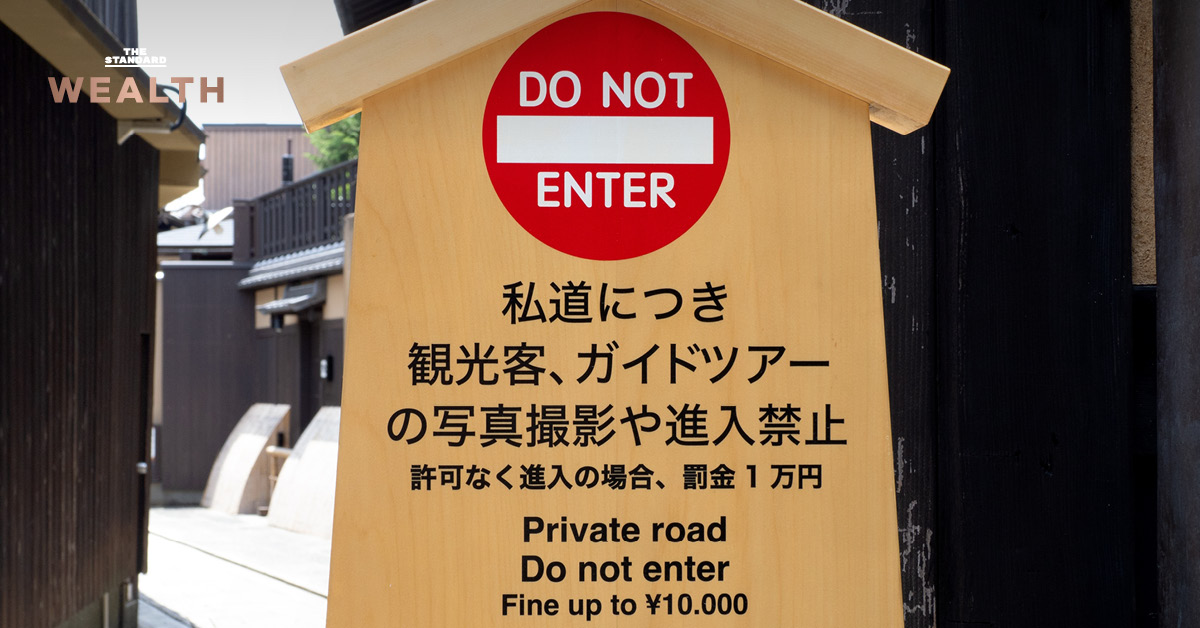
For Japan fans, this isn't just about crowded sidewalks. It's about train platforms, hotel rates, local frustration, and the question of how much travel a place can absorb before the experience changes for everyone.



Japan Tourism Boom: From 8 Million to 42 Million Visitors
Picture this: a country that once welcomed about 8 million international visitors in a year now pulls in around 42 million in its peak rebound period. That's the scale of Japan tourism boom, and it explains why the conversation has shifted from recovery to pressure. The country isn't short on appeal, but demand has grown faster than many local systems can comfortably handle.

What many overlook is that Japan didn't become a travel darling by accident. The weak yen, cheaper flights, social media travel clips, and a huge appetite for Tokyo, Osaka, and Kyoto all fed the surge. For people learning Japanese, this is also a reminder that travel phrases like すみません (sumimasen, excuse me; sorry) and お願いします (onegaishimasu, please; I ask for your help) aren't just textbook words, they're survival tools when station staff are busy and everyone is moving fast.
Take Tokyo, for instance. The city can absorb crowds better than many places because it has a massive rail network, endless hotels, and a long history of serving both commuters and visitors. Even so, popular spots like Shibuya Scramble, Asakusa, and teamLab Planets can feel packed enough to test anyone's patience. Convinced yet?
Kyoto Bottlenecks and the Real Cost of Overtourism
Kyoto is where the pressure becomes impossible to ignore. The former imperial capital has narrow streets, tightly packed neighbourhoods, and a public transport system that was never designed for this level of global attention. That's why even a normal afternoon near Gion or Arashiyama can now feel like a traffic jam with cameras.

A great example: the city has repeatedly struggled with bus congestion, especially on lines serving major temples and tourist districts. When buses are full, local residents get squeezed out, and visitors end up waiting longer or walking more. My tip: if you visit Kyoto, use trains where possible, start early, and pick one or two neighbourhoods instead of trying to collect every famous landmark in one day. Simply brilliant.
Compared with back home, many travellers expect a capital-city level of infrastructure everywhere in Japan, but Kyoto is more delicate than that. Its charm comes from old streets, wooden 町家 (machiya, traditional townhouse) townhouses, and quiet lanes that were built for pedestrians, not tour groups. Once the crowds spill into those spaces, the city's rhythm changes. Personally, I think that matters more than a few photogenic inconveniences.
Why Kyoto Feels the Strain First
Fun fact: Kyoto's appeal is partly what makes it vulnerable. Places like Kiyomizu-dera, Fushimi Inari Taisha, and the bamboo grove in Arashiyama are concentrated, which means visitors cluster in the same small areas. When a destination's biggest hits are all within easy reach, bottlenecks are almost guaranteed.




Hotel demand adds another layer. Room rates in major cities have climbed sharply as inbound travel recovered, and smaller inns, or ryokan, often book out far ahead during peak seasons like cherry blossom and autumn leaf viewing. That's good for business, but it can also push day-trippers into already crowded corridors. Here's the deal: the more popular the city becomes, the harder it is to keep the experience calm and local.
Can Tokyo, Osaka, and Kyoto Keep Up?
Plot twist: the problem isn't just too many tourists, it's uneven pressure. Tokyo has scale, Osaka has energy and strong transport links, but Kyoto has a more fragile layout. Even within one city, some districts feel manageable while others tip over at certain hours, especially near stations and heritage sites.
For example, airport arrivals, luggage, and long-distance rail all feed into the same urban arteries. When millions of visitors arrive within a narrow seasonal window, the result is not only crowding but also staffing pressure, waste management issues, and local annoyance. Cities can add signage and reroute buses, but those fixes only go so far if visitor numbers keep rising.

What I especially like about Japan is that it usually responds with order rather than chaos. Staff are polite, platforms are marked clearly, and stations run with impressive precision. Still, even perfect logistics have limits. Sounds good, right?
How Japan Learners Can Travel Smarter
For Japan language learners, this is actually a great chance to practice practical Japanese instead of only memorised phrases. Words like 乗り場 (nori-ba, platform; boarding area) for platform, バス (basu, bus) for bus, and 窓口 (madoguchi, ticket counter; service window) for ticket counter show up everywhere. If you can ask simple questions politely, you'll save time and often get warmer help than you expect.
My tip: travel with flexibility. Go to major sights at opening time, stay overnight in smaller areas, and build in buffer time for transport. If Kyoto looks too packed, nearby cities like 宇治 (Uji, Uji (city in Japan)), Otsu, or 奈良 (Nara, Nara (city in Japan)) can give you a calmer experience while still feeling deeply Japanese. This is my absolute hidden gem!
That's why the Japan tourism boom is such a good story and such a tricky one. It brings money, jobs, and global attention, but it also forces cities to ask what kind of tourism they want. The future probably won't be about stopping visitors, but about spreading them out better and protecting the places people came to see in the first place. Personally...
In pictures

Frequently Asked Questions
Why is Japan getting so many tourists?
A weak yen, strong global interest, and easy access to major cities have all pushed visitor numbers up quickly.
Why is Kyoto more affected than Tokyo?
Kyoto has narrower streets, fewer transport options in some areas, and many major sights concentrated in a small space.
How can visitors avoid the worst crowds?
Go early, stay overnight near major sights, use trains where possible, and choose less central neighbourhoods when you can.