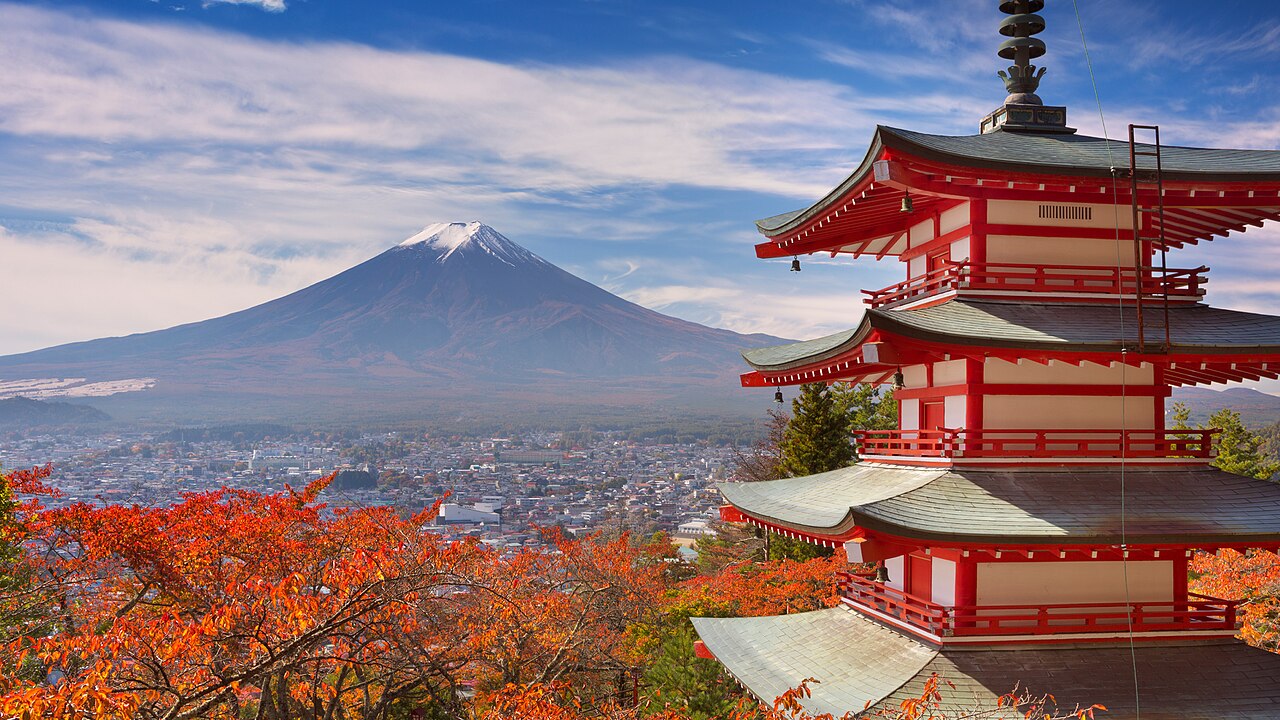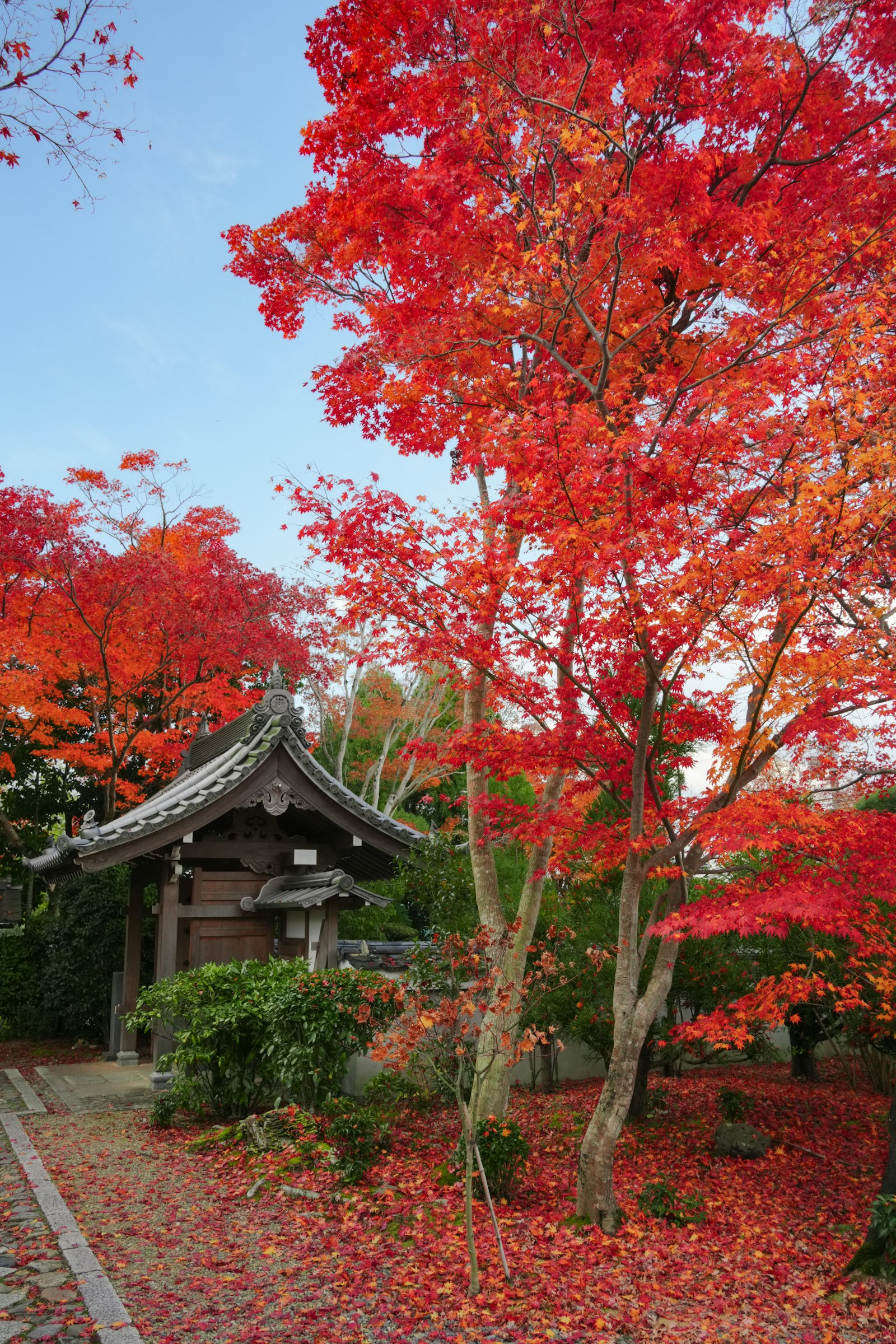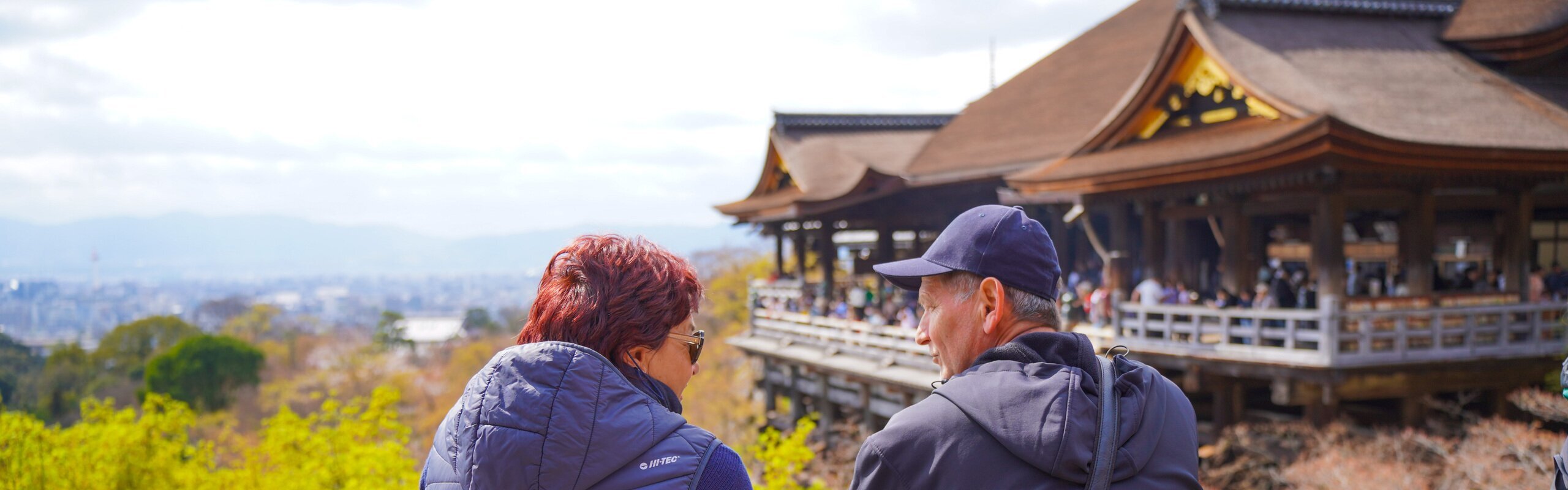

For Japan fans and Japanese learners, this is a handy reminder of how travel, social media, and regional branding now overlap in Japan. It also gives you a few useful culture and language angles to watch for, from 町 (machi, town) to 自然 (shizen, nature) and the way Kyoto keeps reinventing itself without losing its identity.
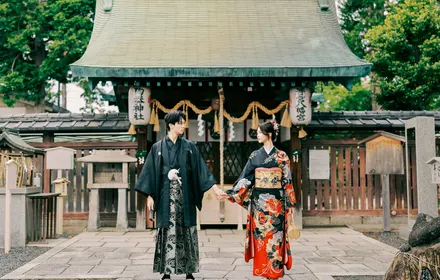
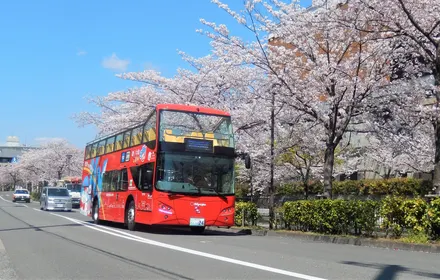
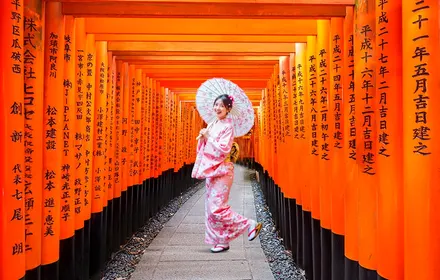
Kyoto turns to influencers for a travel update
Kyoto City is promoting itself through local influencers, and the move makes sense for a place that already lives in the global imagination. The campaign on Kyoto Travel puts familiar faces and scenes at the centre of the message, which is a neat way to reach travellers who plan trips through short-form video and social feeds.
Here's the catch: Kyoto isn't just a pretty backdrop. It’s a city with a long, layered history, and it has had to keep balancing heritage with everyday life for decades. The city expanded in 1918 and again in 1931, when nearby towns were absorbed into its jurisdiction, a reminder that Kyoto today is bigger than the old inner city most visitors picture first.
What many overlook is that, for learners of Japanese, this kind of campaign is useful because it reflects real vocabulary in context. Words like 観光 (kanko, tourism / sightseeing) for tourism, machi for town, and 旅行 (ryoko, travel / trip) for travel often show up in the same kind of messaging, and you can see how Japan talks about place branding without making it feel stiff. Personally, I think that makes the campaign more interesting than a standard brochure-style promo.
Why influencer marketing works so well in Japan
Let's be honest: influencer marketing in Japan has real traction. A hotice survey of 149 Japanese social media users, published in September 2025, found that 68.7 percent had bought a product or service because of an influencer post. That’s a strong signal, and it helps explain why local governments and tourism bodies are paying close attention.
By platform, the same survey said TikTok led with 82.1 percent purchase experience, followed by X at 81.0 percent and Instagram at 78.3 percent. Take Kyoto, for instance, a city with endless photogenic spots, seasonal shifts, and plenty of bite-sized travel content. Those formats fit social media perfectly, especially when creators can show a temple lane, a cafe corner, or a quiet street in a few seconds. Pretty effective.
Oh, and there’s another point worth noting: there’s a cultural fit here. Japanese audiences often respond well to recommendations that feel personal rather than overly polished, so local creators can give Kyoto a warmer voice than a formal campaign video alone. That doesn’t mean official tourism branding disappears, it just gets translated into a friendlier register.
What Kyoto's image needs to balance
Here’s the thing: Kyoto sells more than sightseeing. It sells atmosphere, history, seasonal aesthetics, and the idea of a city where old and new sit side by side. Public buildings from the late Meiji era already showed European and American design influence, and that layered look still matters when people think about the city today.

Quick detour: if you are learning Japanese, Kyoto is a nice case study in how place names carry attitude. Kyoto itself often evokes refinement, tradition, and a slower rhythm, while words like おもてなし (omotenashi, hospitality), 懐かしい (natsukashii, nostalgic; fondly familiar), and 綺麗 (kirei, pretty; clean) are easy to connect to the kind of imagery tourism campaigns use. You don’t need a grammar drill to notice how language and branding support each other.
What I especially like is that the campaign doesn’t try to erase the city’s real identity. Kyoto has to manage crowds, preservation, and local life all at once, so using influencers to show smaller moments and neighbourhood texture feels more grounded than pushing only the famous postcard shots. My tip: if you're studying Japanese, follow travel content like this with the original captions in romaji or kana where possible, because it trains your eye to recognise everyday travel language faster. Sounds good, right?
Why this matters for Japan fans and learners
Fun fact: Japan travel content often doubles as language input. A clip about Kyoto can teach you more than destination names, because it also gives you context for how people talk about seasons, food, shrines, transport, and local mood. Even a simple caption can be packed with useful terms.
For Japan fans, the bigger takeaway is that Kyoto's promotion is part of a wider shift in how cities communicate. Official tourism pages now lean on creators who can speak in a tone that feels casual and human, and that can reach audiences traditional campaigns miss. For learners, it is a reminder that Japanese is not just something in textbooks, it is alive in travel posts, reels, and city branding.
My verdict: Kyoto using influencers is a smart fit, not a gimmick. The city gets modern reach, travellers get a fresher view, and learners get real-world language and culture in one place. It’s worth keeping an eye on how Japanese destinations use social media, because that’s where a lot of travel language is showing up now.
Frequently Asked Questions
Why is Kyoto using influencers?
To promote the city in a way that feels current, personal, and easy to share on social media.
What platforms matter most for this kind of promotion?
TikTok, X, and Instagram appear especially important, based on the survey cited in the article.
Why is this interesting for Japanese learners?
Travel campaigns give you real language context, including vocabulary linked to tourism, places, and everyday culture.