If you care about Kyoto in the colder season, this is one of those events that gives you the city from a particular angle, with the body, the stage, and the texture of place all lined up in one room. Classic Japan, isn't it?
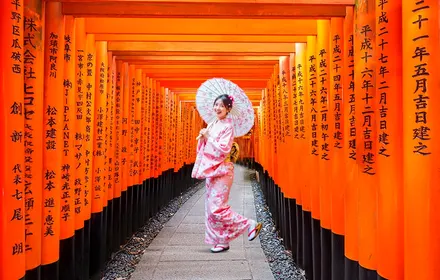
Autumn dance performances by 舞妓 (maiko, apprentice geisha) and 芸妓 (geiko, Kyoto geisha) in 2026 are scheduled for Kyoto from October 15th (Thu) to October 20th (Tue), with performances beginning at 3:30 PM and doors opening 30 minutes earlier, according to Kyoto Travel. Tickets are priced between 5,000 and 10,000 yen, and the show runs just under two hours at Pontocho Kaburenjo Theater. That's the core of it. If you're planning a Kyoto trip around cultural events, this is a clean, practical date range to work with.
What the 2026 autumn schedule actually gives you
The important thing here isn't some vague “Kyoto atmosphere” claim. It's a fixed performance window, a known venue, and a realistic price band. October 15th to October 20th is short enough that you'd want to pin it down early, especially if your Kyoto route already includes Gion, Pontocho, or a slow evening walk along the Kamo River. The theater sits in one of the city’s most storied entertainment districts, so the whole outing carries a particular weight, even before the curtain goes up.
For example, if you're building a trip around autumn in Kyoto, this event fits neatly between daytime temple visits and a late dinner. You don't need to overcomplicate it. Book the night, arrive a little early, and let the rest unfold. No wonder, because Kyoto rewards people who leave some slack in the day.
Why maiko and geiko performances matter in Kyoto
Did you know that maiko are apprentice geiko, and that the distinction matters a great deal in Kyoto culture? The costumes, the movement, the music, even the way the stage space is used, all carry a disciplined elegance that looks effortless from a distance and is surely anything but. The autumn performance tradition gives visitors a rare public-facing window into that world, rather than the more private, invitation-only setting many people associate with geiko entertainment.
Compared with back home, where cultural performance can be treated as a seasonal add-on, Kyoto tends to keep these forms in a more grounded relationship with place. The result isn't spectacle for its own sake. It's more exact than that, and more restrained. My tip: if you care about traditional performing arts, look at the performance as a piece of living city culture, not as a costume event. That simple shift changes how you read the evening.
Useful Japanese learning angle
For Japanese language learners, this event is a tidy little vocabulary lesson. Maiko, geiko, and kaburenjo are all terms worth learning if you plan to read Kyoto event pages or museum notices. You'll also see words like 踊り (odori) for dance and 祭り (matsuri) for festival in related seasonal listings, though this performance is its own thing rather than a festival crowd scene. Learn the terms, and the city gets less blurry. More precise. More readable.



Planning a Kyoto visit around the performance
Here's the catch: the performance window is short, so you should treat it like a fixed anchor rather than something you'll casually slot in later. If Kyoto is already on your autumn route, that makes life easier. If it isn't, the date range still matters because late October is one of those periods when the city's temperature, light, and pace begin to change in a way you can feel in your knees by evening.
Pro tip: stay somewhere with easy access to central Kyoto or the Pontocho area, and keep your daytime plans light. A temple visit in the morning, some aimless walking, a proper lunch, then the evening performance. That rhythm works. You don't want to arrive rattled, and you don't want to spend the day standing on hard station platforms like us dorks pretending that counts as travel preparation.
By the way: the event page notes that the performance lasts just under two hours, which is long enough to feel substantial without turning into an ordeal. That matters. A lot of cultural events are strongest when they respect the body, and this one seems designed with that in mind. Sit, watch, leave with your attention still intact. More soon.
Is it worth adding to an autumn Kyoto itinerary?
Let's be honest: if you're in Kyoto for the first time, you already have too many good options. Temples, food, river walks, train connections that tempt you into side trips, the whole thing can become lumpy in the best and worst ways. This performance is worth considering because it gives structure to an evening and a clear sense of seasonal Kyoto, without demanding a huge time investment.
What I especially like is the combination of accessibility and specificity. The dates are known. The venue is known. The ticket range is known. That makes planning feel calm, which is rare enough in travel to be worth noticing. If you're the sort of person who likes to balance sightseeing with one properly grounded cultural event, this is exactly the kind of thing to keep an eye on. My verdict: strong candidate for an autumn Kyoto plan.
For more Japan updates, see more Japan news on jpnerd.com.
Frequently Asked Questions
When are the 2026 autumn dance performances?
They run from October 15th to October 20th, 2026.
Where is the performance held?
It takes place at Pontocho Kaburenjo Theater in Kyoto.
How much are tickets?
Admission is listed at 5,000 to 10,000 yen.