The latest note from Japan Guide is a reminder that this isn’t about spectacle. It’s about the body, the weather, the lumpy ground under your tent, and the texture of place. Classic Japan, isn’t it?
Mount Akagi and the appeal of camping above the plain
Mount Akagi sits in Gunma Prefecture, and that alone already says a lot. You’re still within reach of the Kanto region, yet the mood shifts fast, from city noise to cooler air, forest, and open views that make your shoulders drop a little.
The Japan Guide note from Camping Japan is framed around camping with a view, and that’s the point. This isn’t about packing every possible comfort, then pretending it was roughing it. It’s about the simple equation of a campsite, a ridge, and the weather doing what weather does. Sounds odd, but it’s true.
Hand on heart: this kind of trip works best when you keep it plain. Bring less. Walk more. Let the landscape do the heavy lifting. That’s the whole game.
And it gets better: Akagi’s height and location make it one of those places where you can leave the lowland heat behind without disappearing into deep mountain logistics. That matters if you want a Japanese weekend escape that still feels legible, especially if you’re learning the language and want to notice the shift in place names, signage, and terrain vocabulary as you move inland. You start seeing words like 山 (yama, mountain), 水 (mizu, water), 湖 (ko, lake), and 道 (michi, road; path) in a more physical way. Not as flashcards. As markers on the ground.
What camping on Akagi is really about
Here’s the thing: the pleasure of a mountain campsite isn’t only the view, it’s the pause it creates between movement and rest. You carry your kit, set it down, and the whole body recalibrates. That’s a real sensation, not a poetic add-on.
Mount Akagi is especially good for that because the terrain is gentle enough to be accessible, but textured enough to keep you awake. Forest edges, lake air, uphill paths, a little wind. Nothing theatrical. Just enough to remind you that kilometres matter when they’re walked, not just driven.

Speaking of which... if you’re planning a Japan trip and want one place that feels both practical and quietly satisfying, Akagi deserves a look. It gives you mountain air without demanding a heroic itinerary, and that balance is harder to find than people pretend. My tip: travel light, stay an extra hour outside, and let sunset change the mood before you think about dinner.
On a related note: this is a good place to practise simple Japanese tied to travel and camping. Yama is mountain, ko is lake, テント (tento) is tent, 旅行 (ryokou, trip) is trip, and 風 (kaze, wind) is wind. Small words, but they start to feel different when the thing itself is in front of you. That’s the useful part of language learning, the bit that sticks because it has texture.
Why this fits Japan's slower travel mood
The first time I went to Japan... well, not personally, because I’m not going to invent a life I haven’t lived. But the reason places like Mount Akagi keep coming up in serious Japan travel writing is obvious enough: they offer a slower register of the country, one where the body matters and the day isn’t consumed by ticking boxes.
Mount Akagi belongs to that category. Not remote, not flashy, just properly placed. You can see why walkers, campers, and anyone with a mild distrust of over-planned travel keep circling back to this kind of terrain. It lets you notice the weather, the slope, the smell of pine, the awkwardness of your own pack. The usual stuff. The important stuff.
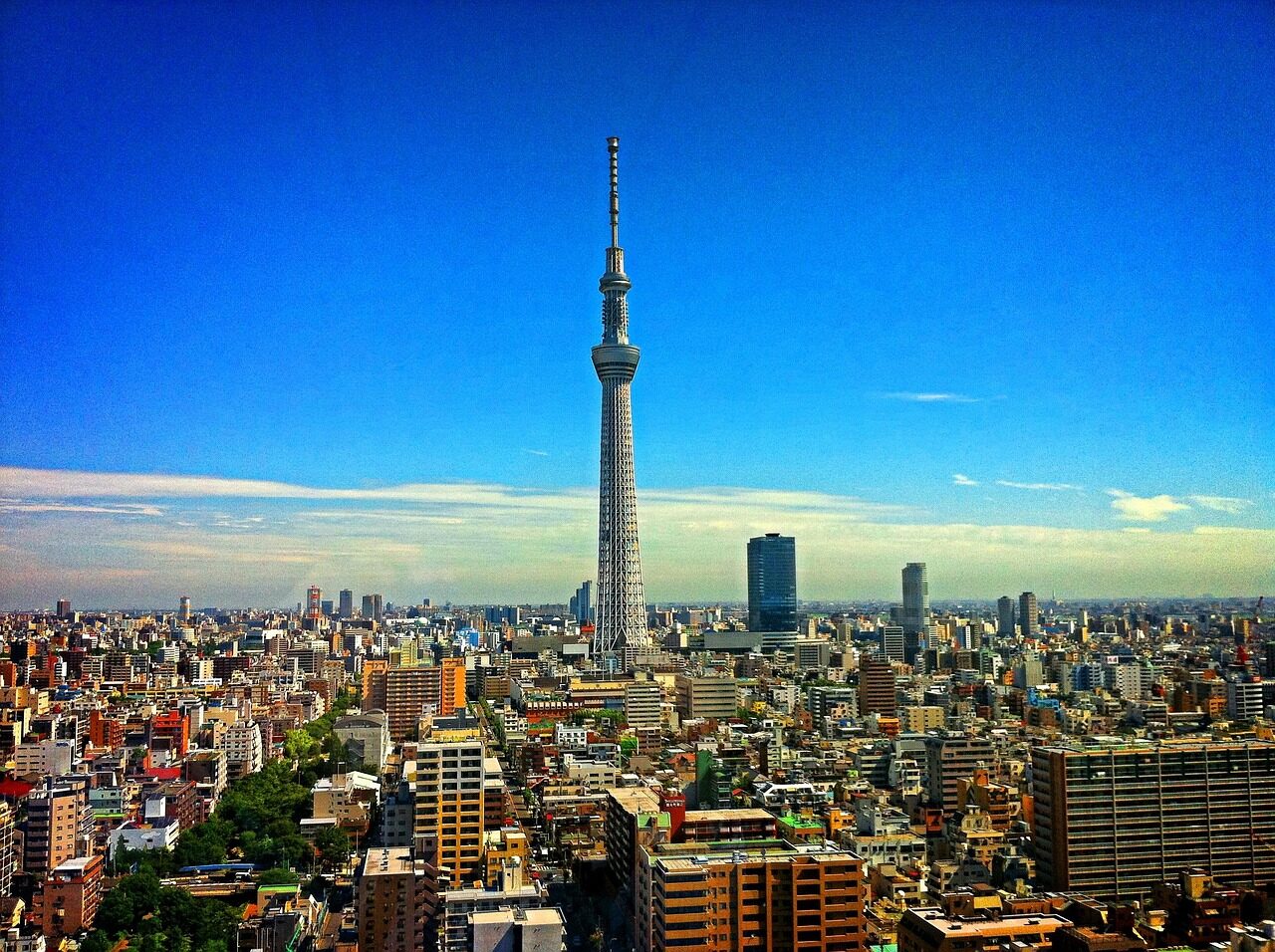
Imagine a narrow alley in Tokyo. Now erase the alley and replace it with open air, a campsite, and the slow darkening of a mountain evening. Different country feeling, same Japan. That contrast is part of why travel here stays interesting even when you strip away the big-name sights.
Oh, almost forgot: if you’re reading this as a Japanese learner, pay attention to the place-based vocabulary that turns up around mountain travel. Words like 山荘 (sanso, mountain lodge) for mountain lodge, kaidan for steps, and shizen for nature show up everywhere. They’re not decorative. They’re the grammar of moving through the landscape. More soon.
Frequently Asked Questions
Is Mount Akagi a good camping area for a short Japan trip?
Yes. It works well if you want mountain scenery without a complicated logistics chain.
What kind of traveller will enjoy it most?
Anyone who likes walking, quiet nights, cooler air, and a slower travel rhythm.
Is this useful for Japanese learners?
Yes. Mountain and camping trips are full of practical vocabulary that’s easy to remember because it’s tied to real places and actions.