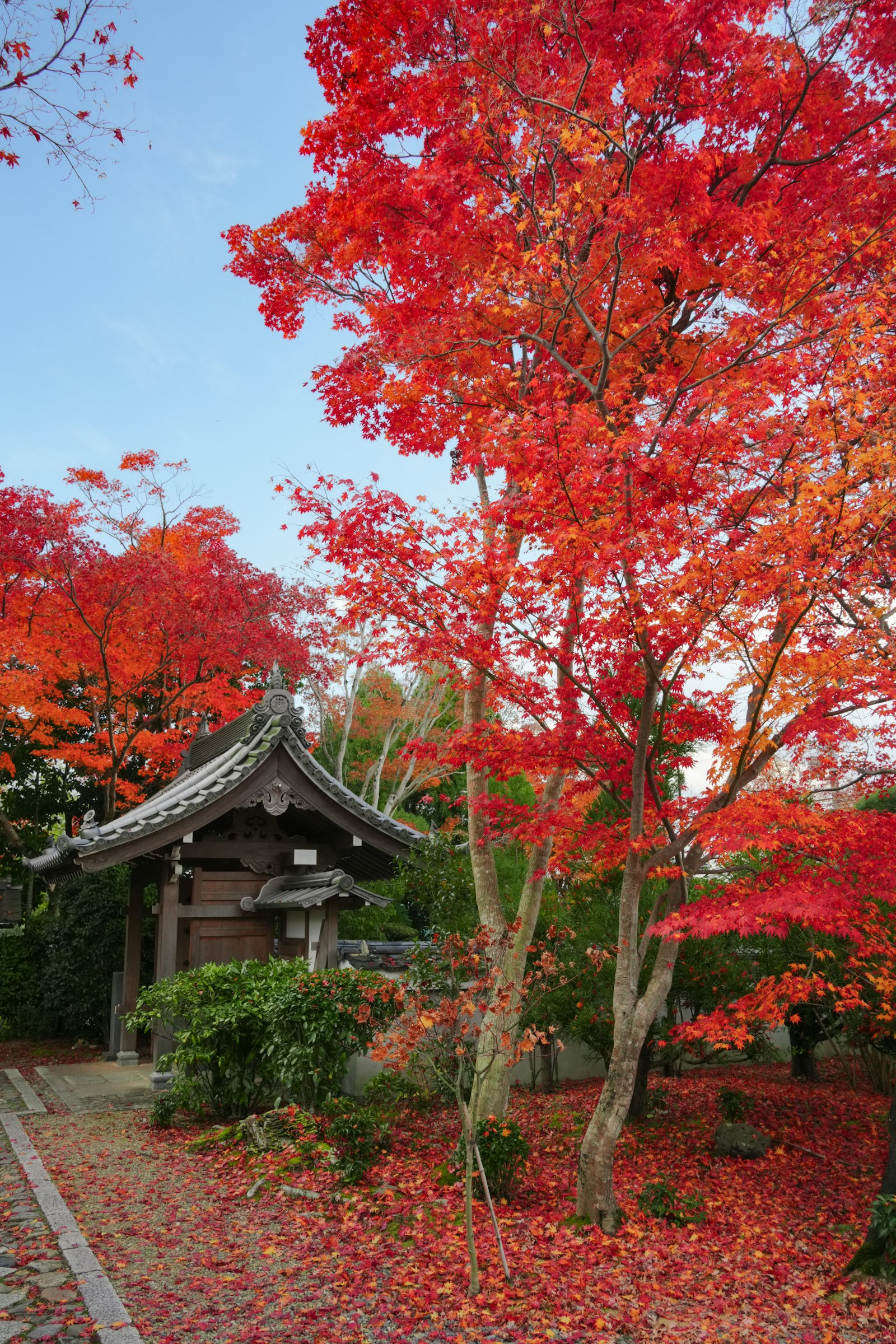
Let me show you why Kyoto stays near the top of every Japan autumn list. The city’s 紅葉狩り (momijigari, autumn leaf viewing) season is about more than red maples; it’s also about path design, temple lighting, and the way the hills frame the leaves. For Japan fans and Japanese learners, it’s a great chance to connect place names, seasonal vocabulary, and a very Japanese travel habit. See what I mean?
The 10 best Kyoto autumn leaves spots for momijigari
Kyoto autumn leaves are one of the city’s biggest seasonal draws, and verliebt-in-japan.de highlights 10 places that stand out for momijigari. The list includes famous temple grounds, quiet garden paths, and a few spots that pair especially well with a slow stroll. According to BluePlanet, Kyoto’s peak is forecast for 11 December in 2026, so late autumn travellers usually get the best colours by building in a little flexibility.
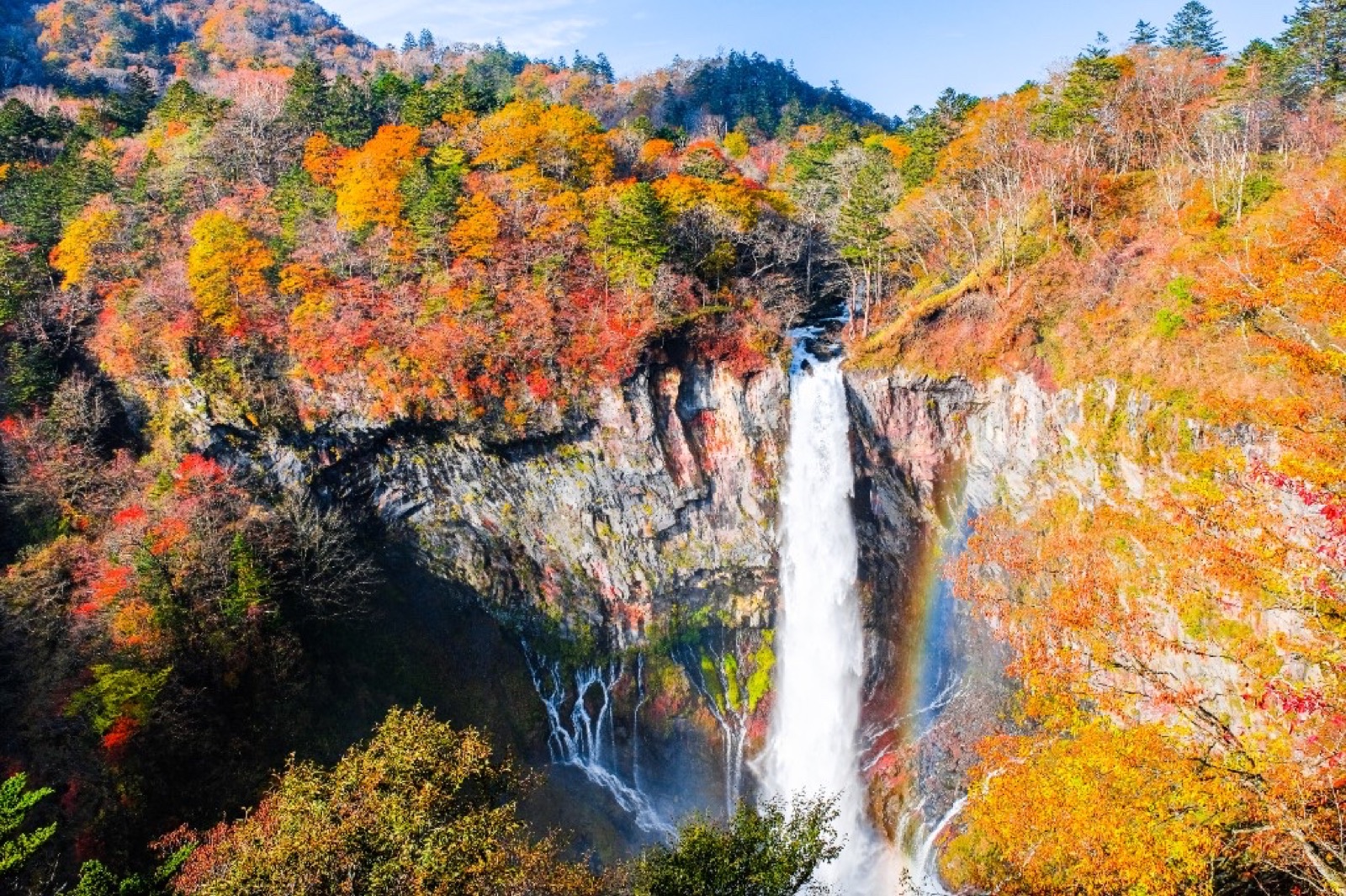
What many overlook is that momijigari doesn’t just mean “looking at leaves”. In Japanese, 紅葉 (momiji) means red maple leaves, and 狩り (gari) comes from “hunting”, so the term captures the idea of going out to search for autumn colour. That makes Kyoto feel made for the habit, because the city rewards patient wandering. My tip: if you’re learning Japanese, this is a perfect seasonal word to remember, along with 秋 (aki) for autumn and 紅葉 (koyo) for autumn foliage.
Why Kyoto works so well for autumn colour
It’s early morning in Kyoto, and that matters more than most first-time visitors expect. The light is softer, the temple paths are quieter, and the leaves often look deeper in colour before the crowds arrive. Kyoto’s best spots are also spread out, so the city rarely feels like a single seasonal scene; it feels like a chain of them.
While we're at it, this is why Kyoto beats many other destinations for travellers who want both scenery and culture. You can see maples against temple roofs, moss gardens, stone lanterns, and river valleys all in one day. But let’s stick with the actual spots for now. The real trick is matching the right place to the kind of experience you want, whether that’s iconic, peaceful, romantic, or a little dramatic. My verdict: Kyoto’s autumn leaves are at their best when you don’t rush them.
1. Eikan-do
Eikan-do is often treated by locals as one of Kyoto’s top autumn leaf temples, and that reputation makes sense. The grounds are known for dense maple colour, especially around the pond and hillside routes. If you only choose one temple for koyo, this is the kind of place that sets the standard.
2. Tofuku-ji
Tofuku-ji is famous for its long valley views and the Tsutenkyo Bridge, which turns into a major viewing point when the leaves change. The contrast between the bridge, the ravine, and the maples is exactly why people line up here in season. It’s a strong pick if you want a more dramatic landscape. See what I mean?
3. Arashiyama
Arashiyama gives you a full autumn day out, not just one temple stop. The area mixes the Togetsukyo Bridge, river scenery, and nearby temple visits, so the colours feel tied to the whole district. You can also connect it with the Sagano Romantic Train, which runs through the Hozu Gorge, and that pairing is one of the smartest autumn itineraries in western Kyoto.
4. Kiyomizu-dera
Kiyomizu-dera stays popular for good reason, because the view from the main hall is built for seasonal scenery. In autumn, the slopes below the temple glow with colour, and the old Kyoto streets leading up to it add extra atmosphere. It’s busy, yes, but the payoff is hard to argue with.
More Kyoto momijigari spots worth adding to your route
Trust me on this one: once you start planning Kyoto for autumn, it’s easy to overload the schedule. That’s why a second group of spots helps, especially if you want to choose by mood. Some places feel intimate, others are better for photography, and a few are ideal if you want to escape the centre for a while.



5. Ryoan-ji
Ryoan-ji is better known for its rock garden, but the autumn colour around the pond and temple grounds gives it a calmer seasonal appeal. It’s a good choice for travellers who prefer space to spectacle.
6. Nanzen-ji
Nanzen-ji offers a strong mix of temple architecture and broad grounds, so the leaves never feel cramped. The aqueduct area nearby also gives the district a very Kyoto feel, which makes the autumn colours read as part of a bigger landscape. To be fair, this is one of the better spots for a slower half-day.
7. Shoren-in
Shoren-in is often praised for its garden atmosphere, and autumn suits that style beautifully. The lighter footprint of the site can make the visit feel more relaxed than the larger temple names, especially if you arrive early. What I especially like is that it’s a solid place for travellers who want elegance without a huge crowd.
8. Kodaiji
Kodaiji is especially strong if you like evening ambience, because the temple area often pairs well with seasonal illumination. The garden layout and hillside setting help the leaves stand out, even when the city is busy. If you’re aiming for photos, this one deserves a place on the shortlist.
9. Shozan Resort Kyoto
Shozan Resort Kyoto sits in the north of the city and is designed as a broad park-like space that shows off Japanese landscape aesthetics. During leaf change, the whole area can feel more like a painted scene than a normal city garden. Insider tip: this is a good option if you want a less temple-heavy autumn day.
10. Oharano Shrine
Oharano Shrine is a quieter finish to the list, and that is exactly its charm. The shrine setting gives you a more local feel, with autumn leaves framing the approach in a way that suits slow, thoughtful visits. On the flip side, it’s not the place for big crowds or headline photos, but it can be one of the most memorable stops if you like space and silence.
How to plan a Kyoto momijigari day
Before I forget, Kyoto’s autumn season can vary by area, so don’t plan everything around one day or one forecast. Lower city locations, hill temples, and northern areas can peak at slightly different times, and that gives you some flexibility. A smart route often combines one major temple, one quieter garden, and one scenic district like Arashiyama.
What many overlook is how much the time of day changes the experience. Early starts help with crowds, while late afternoon can give stronger light for photos. If you’re also learning Japanese, this is a nice moment to practice place-based vocabulary and simple phrases like 綺麗 (kirei), meaning beautiful, and 静か (shizuka), meaning quiet. That kind of word sticks when it’s tied to a place.
My tip: choose fewer spots and stay longer at each one. Kyoto’s autumn leaves aren’t a checklist; they’re a pace.
Frequently Asked Questions
When is the best time to see Kyoto autumn leaves?
Late November to early December is usually the key window, though exact timing changes by area and year.
What does momijigari mean?
It means going out to enjoy autumn leaves, especially red maples, rather than just looking at them casually.
Which Kyoto spot is best for a first autumn visit?
Eikan-do is a very strong first choice if you want one place that really shows off Kyoto’s autumn identity.