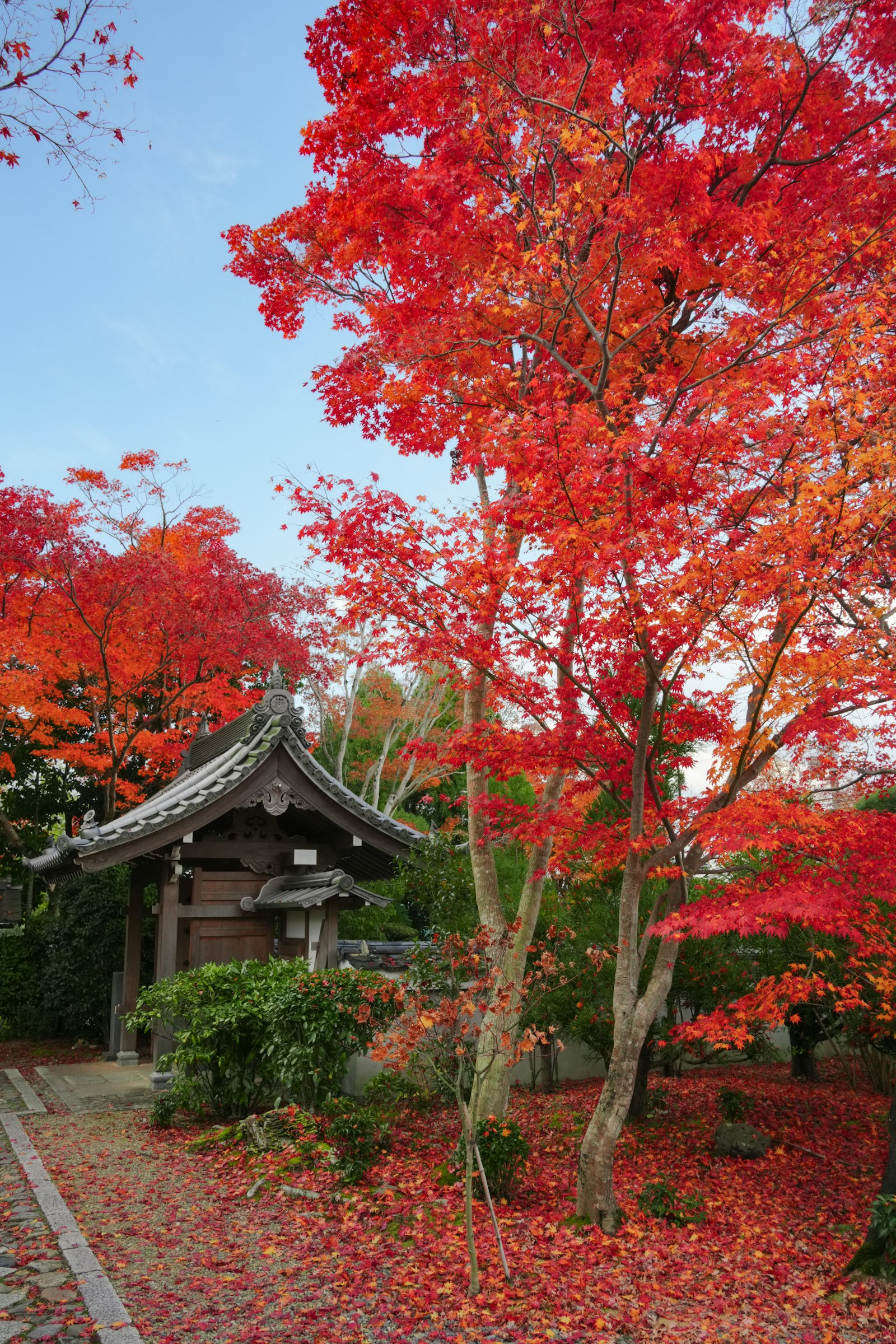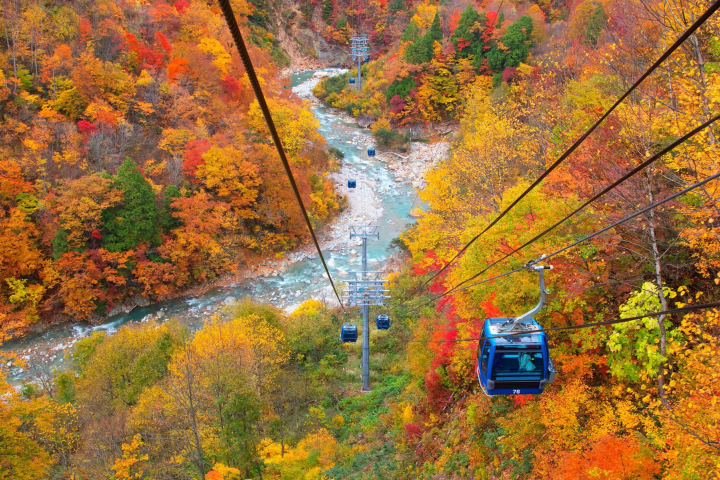
Why Tokyo is the ideal starting point for koyo season
Question: Want to see diverse autumn colours without changing your base every day? Tokyo is perfect because it connects you by 新幹線 (shinkansen, bullet train; high-speed rail) and limited express trains to 日光 (Nikko, Nikkō), 箱根 (Hakone, Hakone), 軽井沢 (Karuizawa, Karuizawa), and 河口湖 (Kawaguchiko, Lake Kawaguchi) in roughly one to two hours.



Here's the thing: Tokyo offers luxury hotels where you can relax between day trips, like resting after a full day of leaf hunting. You'll also find international flight connections and English-friendly concierge teams that handle reservations for ryokan and private transfers. Personally, I use Tokyo as my hub when I want one comfortable home base.
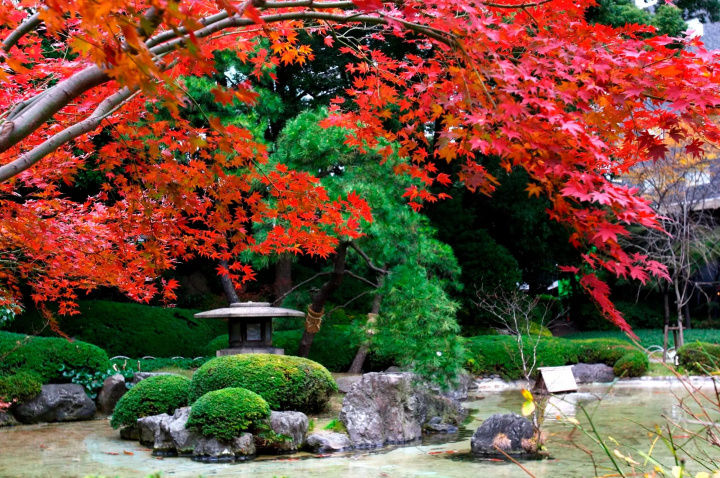
Six elegant hotels near top koyo spots
Fact: I curated six options that mix classic ryokan hospitality with modern luxury, all chosen for location, service, and access to scenic autumn spots.
1. Gora Kadan, Hakone (luxury ryokan)
Compared to back home, staying at Gora Kadan feels like entering a living piece of history. It's set amid Hakone's alpine maple groves and is a Relais & Chateaux property. Travel time from 新宿 (Shinjuku, Shinjuku) to Hakone-Yumoto is about 85 minutes by Odakyu Romancecar, followed by a short taxi ride. What many overlook is that Hakone's early morning fog often makes the leaves look like watercolour, which is great for photos. My verdict? Splurge for a room with a private onsen if you want total autumn immersion.
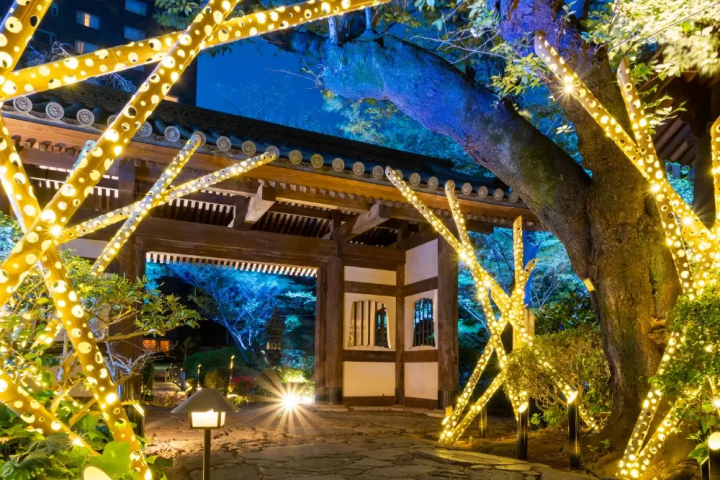
2. Nikko Kanaya Hotel, Nikko (historic comfort)
I still remember exactly the first time I walked into the dining room at Nikko Kanaya Hotel, established in 1873, where the forested ravine outside explodes with colours in mid to late October. From Tokyo, take the JR Tohoku Shinkansen to Utsunomiya, then the Tobu or JR lines for about two hours total. Insider tip: ask the concierge about guided evening walks near Rinnoji for quieter 紅葉 (koyo, autumn foliage) viewing. My tip? Book early; rooms fill fast during peak koyo.
3. Hoshinoya Karuizawa, Karuizawa (modern retreat)
Let me show you why Hoshinoya Karuizawa is ideal for early season colours. At 1,000 metres elevation, Karuizawa often peaks in late October to early November, and it's only about an hour from Tokyo on the Hokuriku Shinkansen. That reminds me: rent a bicycle from the hotel and ride the peaceful Namiki-dori tree-lined avenue for instant autumn postcards. From my experience, the minimalist rooms frame the surrounding foliage beautifully.
4. Hoshinoya Fuji, Kawaguchiko area (lake and mountain views)
Hand on heart, Hoshinoya Fuji is one of the most photogenic stays during mid-November when Kawaguchiko's maples reflect on Lake Kawaguchi and Mount Fuji may wear a dusting of snow. You'll reach Kawaguchiko in about two hours from Shinjuku by train via Otsuki and the Fujikyu Railway, or two hours by direct highway bus. To be fair, if you want uninterrupted Fuji views, request a lake-facing room months ahead.
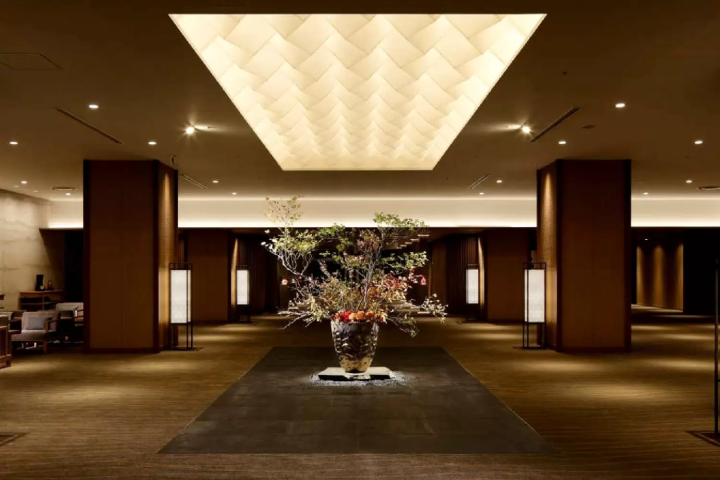



5. Kozantei Ubuya, Kawaguchiko (classic lakeside ryokan)
Guess what? Kozantei Ubuya offers private balconies with direct views of Lake Kawaguchi and the seasonal burnished reds of late November. What many overlook is that evening illumination events at nearby Oishi Park extend your viewing window after sunset. Personally, I love sitting on the balcony with a cup of hot matcha as the sky turns gold.
6. Aman Tokyo or Park Hyatt Tokyo (urban luxury bases)
While we're at it, don't forget Tokyo's city hotels as excellent bases. Aman Tokyo in Otemachi and Park Hyatt Tokyo in Shinjuku give you calm, high-floor rooms and quick access to airports and major rail lines. Compared to rush-hour trains hauling luggage, a direct taxi to Narita or Haneda starts you on the right foot for domestic transfers to koyo spots. My verdict? Both hotels blend city convenience with serene design, ideal when you want one central, upscale base.
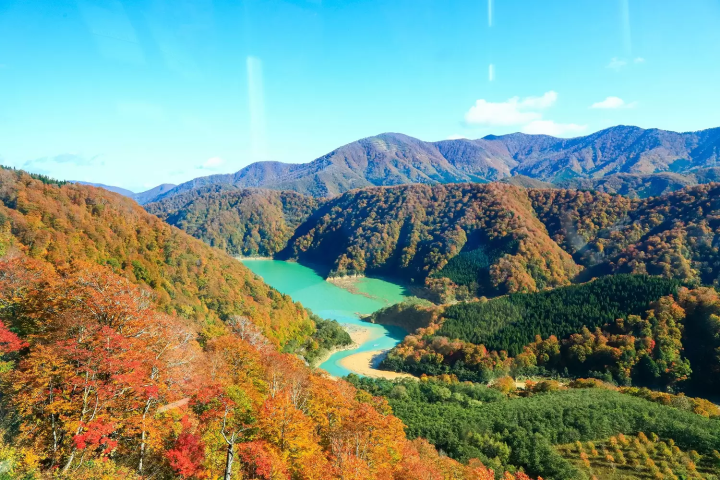
Planning tips, season timing and logistics
Here's the thing: koyo timing shifts by latitude and altitude, so expect Hokkaido to peak in October, Tohoku and Nikko in mid to late October, Karuizawa in late October to early November, and Kawaguchiko and Tokyo areas to peak in mid to late November, according to Japan Travel Guide MATCHA.
To be fair, book transport and hotels several months in advance for October and November; weekends sell out, and some ryokan require full prepayment. What many overlook is that local buses in Hakone and Kawaguchiko can be busy during peak weekends, so consider private transfers or starting early. My tip? Carry a pocket Wi-Fi or SIM so you can check live koyo reports and train timetables on the go.
That reminds me: bring layered clothing, shoes for wet leaves, and a small umbrella. Sounds weird, but it's true, a lightweight wool coat will keep you comfortable during crisp morning walks. From my experience...
Frequently Asked Questions
When is peak autumn foliage in Tokyo?
Peak foliage in Tokyo usually occurs in mid to late November, though exact timing changes yearly.
How do I travel from Tokyo to Hakone or Kawaguchiko?
You can take the Odakyu Romancecar to Hakone-Yumoto in about 85 minutes, or a train to Otsuki and the Fujikyu Railway to Kawaguchiko in roughly two hours.