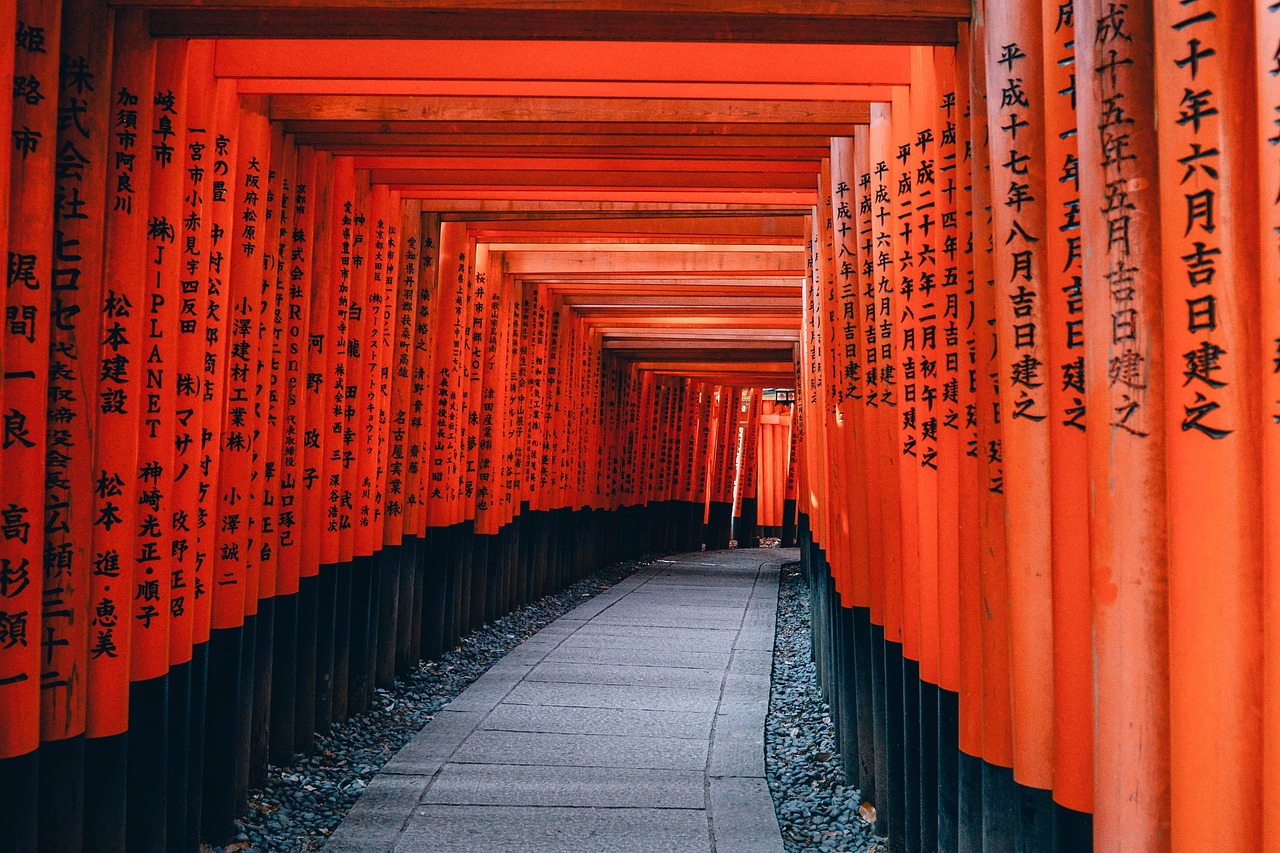

Overview
Kyoto is one of Japan’s most recognisable travel destinations, and not by accident. From 794 to 1868 it served as the political and cultural center of Japan, and that long run left behind a city where temples, 神社 (shrine, Shinto shrine) approaches, old districts, and seasonal landscapes still carry real weight. If you are building a Kyoto guide for yourself, start with the idea that this is not a place to skim. The city rewards timing, attention, and a route that is edited down to a few priorities. Try to see everything in two days and you will mostly get tired. Start early, keep the plan tight, and let the place speak at its own pace.
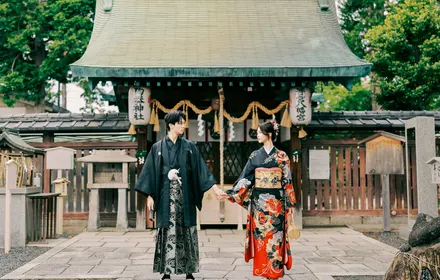
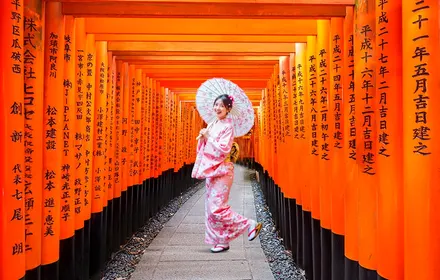
For visitors who want a practical entry point, Kyoto’s essential names come up again and again: Kiyomizu-dera, Fushimi Inari Taisha, Kinkaku-ji, Ginkaku-ji, Arashiyama, and Gion. These are the classics for a reason. They give you different textures of the city, from hillside temple walks to shrine paths, from garden calm to old-town streets. If you are mapping a first visit, this is the spine. If you want a broader season-by-season frame, it helps to read a Kyoto 2026 travel guide alongside the practical notes here, and, in autumn, a dedicated look at Kyoto autumn leaves spots is worth having open too. That is the useful way to do it. One screen for planning, one pair of shoes, and a little humility.

The city’s historical weight is the point
Kyoto’s appeal is not just that it is old; it is that its history is still legible in the street plan and in the way people move through it. The city was Japan’s imperial capital for more than a millennium, and the result is a concentration of temples, traditional districts, and ceremonial spaces that feel connected rather than scattered. You sense this most strongly when you move between districts on foot, because the transitions matter. A narrow lane turns into a temple approach, then into a shopping street, then back into a quieter residential block. That texture of place is the whole game.
The most rewarding way to see Kyoto is to accept that the city is not trying to be efficient. It is lumpy, in the best sense. Distances that look short on a map often turn into a slow sequence of inclines, crossings, and pauses. Build your day around clusters, not around a heroic checklist. That means one eastern district, one shrine-heavy walk, one garden or temple complex, then a meal. More soon.
Where the classic sights fit into a first visit
If you only have a few days, the named sights deserve to be grouped by geography and mood. Kiyomizu-dera and Gion sit naturally together in the east. Fushimi Inari Taisha is its own walk, and best treated as a half-day rather than a quick stop. Kinkaku-ji and Ginkaku-ji give you two different temple atmospheres, while Arashiyama pulls you west for riverside scenery and a looser pace. None of these places are mysterious, but that is not the point. They are classic because they anchor a visit with recognisable forms and reliable atmosphere.
- Kiyomizu-dera: the hillside temple with a deep historical lineage and one of the most popular approach walks in the city.
- Fushimi Inari Taisha: best known for its long shrine paths and steady flow of visitors.
- Kinkaku-ji: a polished, formal stop that many first-time itineraries include.
- Ginkaku-ji: quieter in tone, with a more restrained feel.
- Arashiyama: useful when you want a broader landscape and a less compressed pace.
- Gion: the district that gives you the old-city atmosphere people usually imagine when they think of Kyoto.
For learning-minded visitors, this is also where Kyoto kanji becomes a practical curiosity. The city’s place names and temple names can be a small grammar lesson in themselves, even if you are only reading signs, station boards, and map labels. If you are doing Kyoto japanisch lernen, those repeated place names are useful because they show up everywhere, in context, with enough frequency to stick. That is the kind of study material that feels incidental until it suddenly does the work for you.
Kiyomizu-dera and the long walk in
Kiyomizu-dera sits in Higashiyama and reaches back to 778, which is a long enough run to make most modern cities look impatient. Its current main hall was rebuilt in 1633 under Tokugawa Iemitsu, so what you see now is both old and restored, a layered structure rather than a frozen relic. The approach matters almost as much as the temple itself. Visitors pass through old shopping streets lined with ceramics, sweets, and matcha products, and that creates a slow handover from urban life to sacred space. It is one of those walks where the body understands the transition before the mind names it.
Because the approach has its own rhythm, I recommend not rushing it. If you want the temple to land properly, give yourself time for the lane before the gate, not just the main hall. Shops sell useful things, not just souvenirs: ceramics that are genuinely attractive, sweets that make sense as an afternoon purchase, and matcha goods for the people among us dorks who like to carry the flavour of a place home in a bag.
Autumn in Kyoto is a season, not a backdrop
Kyoto’s autumn leaf season, or 紅葉狩り (momijigari, autumn leaf viewing; going out to see fall colors), is one of the city’s defining travel windows. The word refers to viewing autumn leaves, but in practice it means something broader: an annual migration to temple grounds, gardens, and river valleys where colour becomes the main event. Eikan-do is one of the best-known autumn leaf spots in the city and is often singled out as a standout location for fall foliage. Kiyomizu-dera is also a major momijigari destination, which tells you something about how strongly the season and the city overlap.
The practical reality is simple. Popular foliage spots fill quickly, and early visits are the difference between looking at trees and looking at other people looking at trees. Go early in the day. Wear shoes that do not make you resent inclines. Keep your schedule light enough to absorb a delay or a detour. This is not a season for over-planning to the minute; it is a season for sensible restraint. The leaf colour does the rest.



When Kyoto is in autumn mode, the city feels especially deliberate. Temple roofs, stone paths, and maples all seem to agree with each other. It is a quiet kind of drama. Not loud. Better for that.
How to experience Kyoto without wearing yourself out
For a first or return visit, think in terms of one or two main zones per day. Start early, move on foot when possible, and leave room for a pause over tea or a simple meal. Kyoto can be consumed as a list, but it is better experienced as a series of intervals. A morning temple walk. A mid-day transfer. An afternoon district with enough time to notice the light changing. That is the shape of the place.
- Begin before the crowds build.
- Choose a small number of anchors rather than trying to cover all of Kyoto in one sweep.
- Cluster nearby sights to reduce transit time.
- Use the approach streets and district edges as part of the visit, not as filler.
- In autumn, prioritise early entry for famous momijigari spots.
Where to experience it in Japan? In Kyoto itself, obviously, but the useful answer is more specific: the eastern temple districts for Kiyomizu-dera and surrounding lanes, the shrine walk at Fushimi Inari Taisha, the formal temple circuits around Kinkaku-ji and Ginkaku-ji, and the wider landscape of Arashiyama and Gion when you want the city’s older register. Kyoto does not hand itself over all at once. You meet it piece by piece. That is the pleasure.
Why Kyoto still matters
Kyoto remains important because it is not just a museum of Japan’s past. It is a living city where historical depth, seasonal habit, and daily movement still fit together. The temples are famous, yes, but fame alone does not explain the pull. The city teaches you how to look: at a stone path, at a roofline, at the way a crowded approach street can still feel calm if you arrive early enough. That discipline of attention is the real souvenir.
If you are planning your own route, keep the plan simple and the expectations clear. Kyoto rewards those who show up early, walk steadily, and let the city keep its own pace.
Frequently Asked Questions
What is Kyoto best known for?
Kyoto is best known as Japan’s former imperial and cultural center, along with classic sights such as Kiyomizu-dera, Fushimi Inari Taisha, Kinkaku-ji, Ginkaku-ji, Arashiyama, and Gion.
How should I plan a first Kyoto visit?
Start early, focus on a few clear priorities, and group sights by area rather than trying to see everything in two days.
When is Kyoto especially famous for autumn leaves?
Kyoto is especially known for momijigari in autumn, when visitors go to temples, gardens, and river valleys for leaf viewing.
Which Kyoto spots are strong for fall foliage?
Eikan-do is one of Kyoto’s best-known autumn leaf spots, and Kiyomizu-dera is also a notable momijigari location.
Sources
- Kyoto City Tourism Association — https://kyoto.travel
- Kiyomizu-dera Temple official site — https://www.kiyomizudera.or.jp
- Eikan-do Temple official site — https://eikando.or.jp
- Fushimi Inari Taisha official site — https://inari.jp