Overview
Japan’s tourism story in the post-pandemic years is not a simple return to normal. Visitor numbers surged back past pre-pandemic levels, with Japan welcoming 36.87 million international visitors in 2024 after 31.88 million in 2019, and that rebound has brought visible strain to a handful of places that were already popular before the boom. Kyoto is the clearest example: crowded buses, full trains, difficult taxi access, narrow streets, and a steady crush around major sights have made it the poster child for managed travel. If you are looking for an overtourism Japan guide, the basic lesson is simple. The demand is real, the benefits are real, and so is the need to spread visitors more evenly.
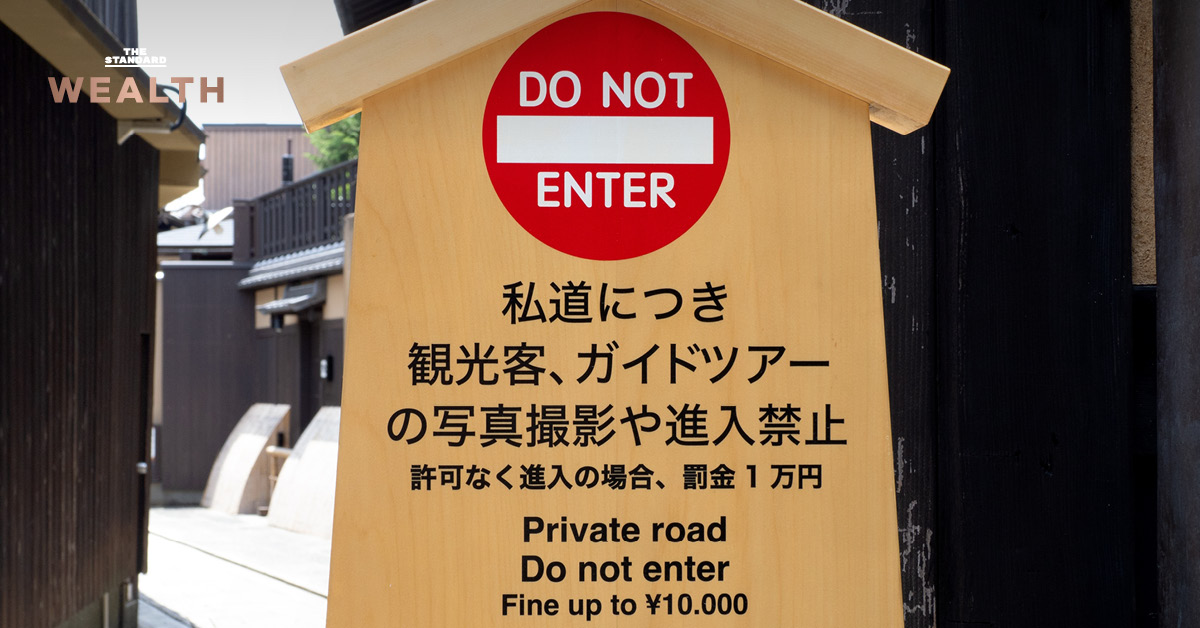
That tension has been building for years. Japan welcomed 31.88 million visitors in 2019, then fell sharply during the pandemic, and later rebounded with force. The government has supported that recovery through visa relaxations, advertising campaigns, and tourism investment after 2022, while local governments in crowded districts have responded with signage, behavior rules, weekend caps, and stricter controls in some heavily visited places. The result is a country where tourism is still economically valuable, yet increasingly managed as a daily infrastructure problem rather than a simple welcome mat. In Japan travel terms, this is not just about sightseeing; it is about how a place keeps functioning when too many people arrive at once. The おもてなし (omotenashi, hospitality; attentive, wholehearted service) ideal of hospitality still matters, but it now sits beside a colder question of capacity.
Why Kyoto Keeps Coming Up First
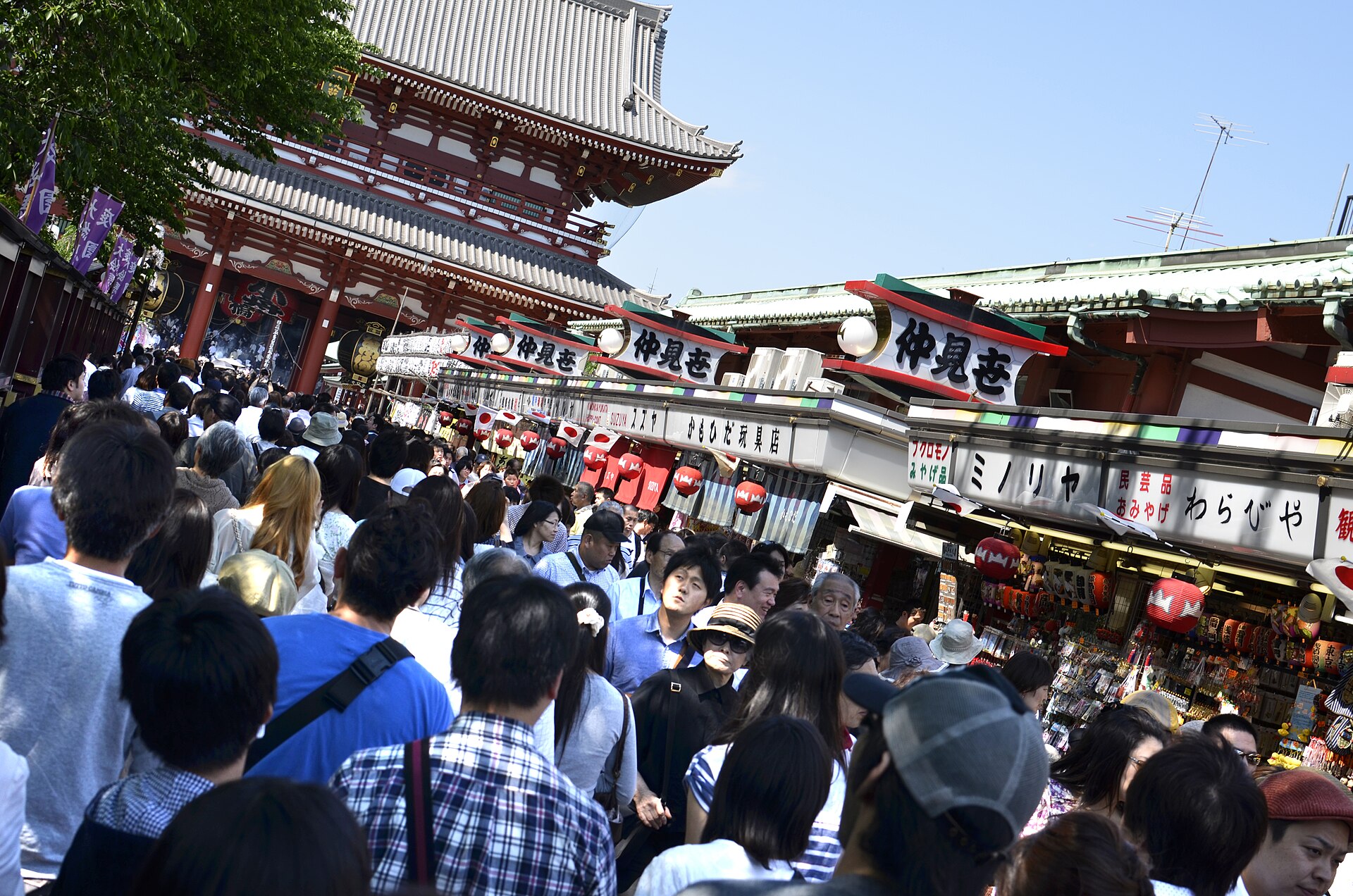
Kyoto is where the debate sharpens. Gion and the area around Kiyomizu-dera have seen residents and businesses report noise, litter, congestion, and pressure on small shops and crafts businesses. That matters because these districts are not theme parks; they are lived-in neighborhoods with a fragile texture of place, and the daily logistics get lumpy fast when visitor flows overwhelm narrow lanes and local transit. Around the city, buses fill, trains run packed, and taxis can be hard to catch at peak times. For the visitor, this means slower movement and more waiting. For the resident, it means a city that feels less like home and more like a queue.
If you want the full context behind the headlines, JP Nerd has covered the broader tourism boom and cultural identity question in Japan, and Kyoto is where that abstract concern becomes concrete. Traditional districts can tilt toward tourist-oriented shops and services, rents can rise, and small businesses that once served local routines start competing with souvenir logic. That does not mean tourism is the enemy. It means scale matters. The body notices scale long before policy does.
The pressure points around Mount Fuji, Fushimi Inari, Nara, and Arashiyama
Kyoto may be the headline, but it is not alone. Mount Fuji has faced erosion and litter problems from heavy visitor traffic, prompting local authorities to test access restrictions and waste-related measures. The mountain’s appeal is obvious, which is precisely why management becomes necessary. When everyone wants the same photo, the ground gets worn down. Simple. Brutal, even.
Fushimi Inari Taisha also draws millions of visitors, and the pilgrimage paths can become overcrowded at peak times, especially when tourists stop mainly for photos rather than moving through the route steadily. Here the issue is not just numbers but behavior: the flow stalls, the experience changes, and what was once a walk becomes a standstill. In Japan, this is where the term 散歩 (sanpo, a walk; strolling for leisure or movement), a walk for the sake of movement and attention, becomes useful as a contrast. A place built for passage can fail when too many people treat it as a backdrop.
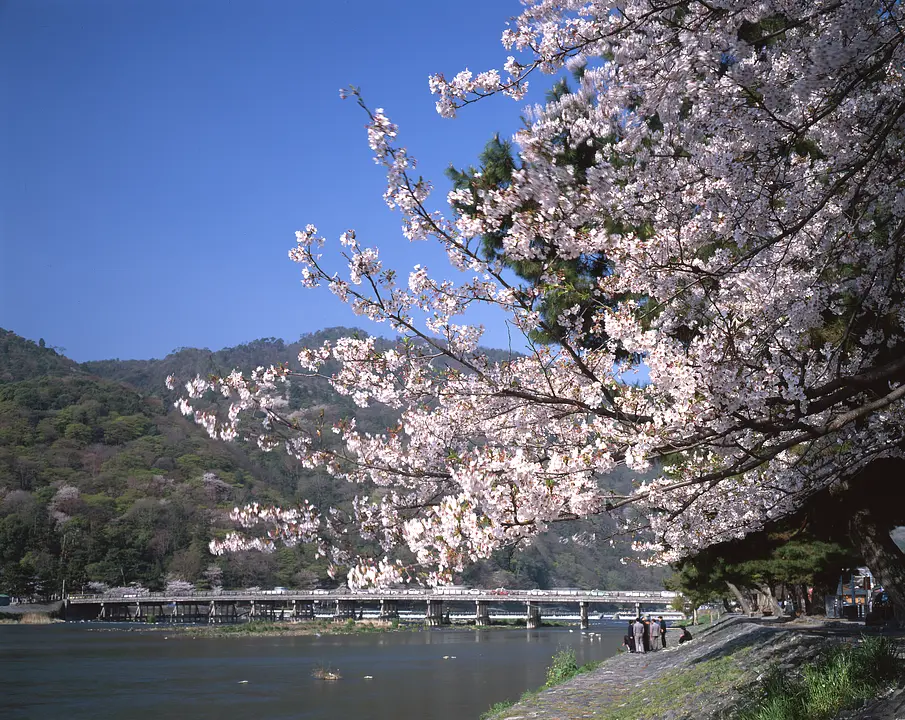
Nara presents a different kind of strain. Its deer park is affected by overtourism, with some visitors feeding inappropriate food or disturbing the animals, leading municipalities to post rules and guidance. That is a reminder that crowding is not only about inconvenience; it can alter animal behavior and require clear signage, or 標識 (hyoshiki, sign; road or public notice sign), to keep people from making everything worse through ignorance. Arashiyama, meanwhile, has seen huge day-trip crowds during cherry blossom weekends, bringing trampling and waste issues that volunteers and ward offices have tried to manage. The pattern repeats: popular place, concentrated arrival, local cleanup, then another weekend.
What is driving the concentration of visitors
Several forces are pushing people toward the same well-known sites. Social media is a major one, along with cheaper travel, low-cost airlines, and travel-content hype on Instagram, TikTok, and similar platforms. When the same image circulates everywhere, everyone aims for the same corner of Kyoto, the same mountain viewpoint, the same red gates. The crowd then becomes self-reinforcing. Attention breeds more attention.
There is also a practical reason the pressure concentrates in a few cities. Tokyo and Osaka face punctual crowding too, but Tokyo absorbs crowds better because of its larger rail network and hotel capacity. That does not make it uncrowded. It makes it more elastic. Osaka sits somewhere in the middle, lively and busy, yet still more capable of dispersing visitors than a compact historical district with narrow streets and limited access. The difference is infrastructure, not charm.
For readers following overtourism Japan news, this matters because it shows where policy has room to work. Demand is not evenly distributed, so solutions rarely are either. Some places can add capacity. Others can only manage behavior. That is the whole game.
What managed travel looks like on the ground
Managed travel in Japan is not one grand national switch. It is a series of local adjustments. Some governments use visitor caps on weekends. Others post clearer behavior rules, tighten access at sensitive times, or add waste measures where litter and erosion have become real problems. In practical terms, that means the travel experience may include detours, entry guidance, or reminders about what not to do. That is normal now. A 予約 (yoyaku, reservation; booking), or reservation, is increasingly part of the urban rhythm in places where a free-for-all no longer works.
There is also a learning angle here for readers who are studying the language. Search terms like overtourism japan kanji or overtourism japan japanisch lernen tend to surface because tourism policy vocabulary shows up in news, signs, and public notices. The key terms are useful: 客 (kyaku, guest; customer; visitor) for guests or visitors, 観光 (kanko, tourism; sightseeing) for tourism, rules posted as jouhou rather than assumptions, and the broader idea of 迷惑 (meiwaku, nuisance; trouble; inconvenience), meaning nuisance or trouble, which often frames public discussion of crowding. None of this is academic for long. You see it on a station platform, then on a street corner, then in a municipal notice taped to a wall.
Japan’s tourism boom still brings major economic benefits: consumer spending, jobs in hotels, restaurants and transport, and support for regional economies. That is the part nobody sensible ignores. But the costs are local and immediate, and they are easiest to see in the texture of place itself. Overtourism is what happens when a successful destination becomes too legible, too shareable, too easy to flood. Japan is now trying to keep the welcome while regaining some balance. More soon.
Where to experience the issue in Japan
If you want to understand the pressure firsthand, not as a slogan but as lived geography, focus on the places where the strain is already documented. Kyoto remains the central case, especially Gion, Kiyomizu-dera, and the bus corridors between major sights. Fushimi Inari shows how a single iconic route can clog. Mount Fuji shows what happens when natural landscapes absorb too much traffic. Nara and Arashiyama show how cultural and seasonal attractions can be stretched past comfort. Tokyo and Osaka offer a useful comparison, because they reveal how a larger transport network can absorb demand more gracefully. If you are planning a visit, go early, move lightly, and respect the signs. The crowd is part of the story, but it should not be the whole story.
Frequently Asked Questions
What is overtourism in Japan?
It is the concentration of too many visitors in a limited number of places, causing crowding, litter, noise, congestion, and pressure on local life and infrastructure.
Which places are most affected?
Kyoto is the clearest case, especially Gion and Kiyomizu-dera, but Mount Fuji, Fushimi Inari, Nara, and Arashiyama are also heavily affected.
Why did the problem get worse after the pandemic?
Visitor numbers rebounded sharply and surpassed pre-pandemic levels, while social media, cheaper travel, and low-cost airlines concentrated demand in the same famous locations.
How are local governments responding?
Some have introduced signage, behavior rules, weekend visitor caps, and stricter controls in heavily visited areas, while others test waste-related and access measures.
Can Tokyo handle crowds better than Kyoto?
Yes, Tokyo generally absorbs crowding better because it has a larger rail network and more hotel capacity, even though it still faces pressure at busy times.