
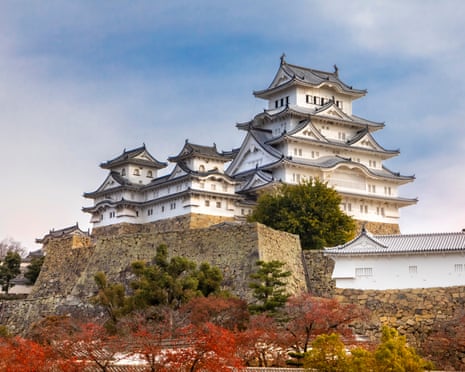
But that polished image is cracking a bit now, and not because Japan’s stopped being beautiful. It’s because mass tourism, local frustration, and new rules in places like Gion are forcing us all to look a little closer.
Japan glazing and why the perfect image started to crack
Know that feeling when a place becomes so beloved that you stop seeing it clearly? That’s basically Japan glazing, a slangy internet way of saying people romanticise Japan so hard that the rough edges disappear. The trains feel cleaner, the streets feel calmer, the food tastes better, and even the tiny inconveniences start to look charming. Cute, until it isn’t.

Hand on heart: I get it. I’ve done my share of glowing Japan talk too, and I still love this country deeply. But love can blur things, and when millions of visitors arrive with the same soft-focus image in their heads, the gap between dream and daily life starts to matter. Wild, isn’t it?
The word itself is a cousin of other internet slang like “glazing”, where admiration becomes overpraise. In Japan’s case, the phrase points to a real tension. Japan is not a theme park, and it never really was. It’s a living place with crowded trains, ageing neighbourhoods, tired shop owners, overworked hotel staff, and people who just want to get home on time.
Then tourism surged again after the pandemic. In 2024, Japan welcomed 36.87 million visitors, according to the Japan National Tourism Organization, beating the previous record of 31.88 million from 2019. That’s good for the economy, yes, but it also changes how cities feel at street level. Convinced yet?
What Japan glazing misses about daily life in Japan
Did you know that the Japan many visitors praise most is also the Japan locals have to navigate every day? The clean stations, polite service, and low crime are real, but so are the social pressures behind them. Someone is cleaning that platform before dawn. Someone is sorting the rubbish. Someone is closing late and still catching the last train.
The best part is that Japanese people aren’t confused by this conversation. Many understand very well that international admiration is real, and they also know that admiration can become a burden. There’s pride in seeing Japan loved abroad, but there’s also fatigue when that love turns into entitlement, as if polite society means unlimited patience.
What many overlook is that the people who live in popular places often experience the city differently from visitors. A narrow street in Kyoto that feels magical on a weekday morning can feel like a bottleneck by noon when tour groups arrive. A quiet neighbourhood can suddenly become a backdrop for outfit photos, wheeled suitcases, and people blocking doorways while checking maps.
To be fair, not every tourist is the problem, and plenty of Japanese residents are welcoming and patient. But scale changes everything. When you multiply a small amount of inconsiderate behaviour by thousands, you get a different city. You get complaint signs, traffic restrictions, and shopkeepers who start sounding tired in a way that needs no translation. My verdict: admiration is lovely, but respect has to carry some weight too.
Gion rules, tourist taxes, and the new boundaries of Kyoto
Speaking of which... Kyoto has become the clearest example of the backlash. Gion, one of the city’s most famous historic districts, has been struggling with overtourism for years, especially around the narrow streets where 芸妓 (geiko, female professional entertainer; Kyoto geisha) and 舞妓 (maiko, apprentice geisha) live and work. In 2019, the Gion district association banned tourists from entering some private alleys after repeated harassment and trespassing. That wasn’t a PR stunt. It was a boundary.
More recently, Kyoto has also raised its tourist tax. Since 2026, the city has planned a revised accommodation tax structure that can reach up to 10,000 yen per person per night for luxury stays, far higher than the old system. The idea is simple enough: if tourism puts pressure on public space, visitors should help pay for the maintenance. That’s not anti-tourist. That’s arithmetic.
Why local rules are multiplying
Insider tip: when Japanese cities make rules that feel strict, they usually don’t come out of nowhere. They come after signage, warnings, and a long stretch of trying to be polite first. In places like Kyoto, there have been photo restrictions near private streets, reminders not to touch geiko, and more direct messaging about where visitors may and may not stand. It’s a shift from soft guidance to clear limits.
And it gets better: some of these measures are actually helping locals feel seen. A rule says, in plain language, that daily life matters too. That’s powerful in a country where conflict is often handled quietly, through hints and signs rather than open confrontation. For learners, this is a great cultural lesson. The words may be gentle, but the meaning can be firm. Convinced yet?
How Japanese people are reacting, quietly and firmly
Plot twist: the reaction inside Japan isn’t one single mood. Some people worry about lost revenue if visitors feel unwelcome. Others are relieved that someone is finally saying what needed saying. Many just want balance, and that’s the honest middle ground. Japan depends on tourism more than ever, but it also depends on liveable cities, functional transport, and neighbours who don’t dread the weekend.
I remember standing near a station in Kyoto and hearing two shop owners talk about crowd control. One sounded resigned, the other almost grateful that the city had started acting. It reminded me of how Japanese society often handles pressure, not with a grand speech, but with a new notice on the wall and a quieter way of doing things. You know, living.
For Japan fans, this is the hard part to accept. The place you love is changing because people love it too much, or at least love the postcard version of it. But change isn’t the enemy here. A place can be loved and strained at the same time. Both can be true. Japanese learners will hear that same tension in everyday language too, in words like 迷惑 (meiwaku, trouble; nuisance), an out-of-the-way sign that says, “please don’t cause trouble,” and in the careful politeness around requests that are really instructions.
My tip: if you’re visiting Japan, assume the best and behave with extra care. Walk a little slower, lower your voice on residential streets, don’t block lanes for photos, and if a sign says no entry, take it seriously. The country doesn’t need fans who know every shrine name but forget basic manners. It needs guests who understand the difference between admiration and permission. Pretty brilliant when people get that right.
Frequently Asked Questions
What does Japan glazing mean?
It means praising Japan so heavily that the difficulties and contradictions get ignored. It’s usually used for internet-style overpraise, not serious criticism.
Is Japan turning against tourists?
Not exactly. Many people still welcome visitors, but some places are adding rules because overcrowding has become hard to manage.
Should Japan fans feel bad about loving Japan?
No. Loving Japan is fine. The useful part is loving it with clearer eyes, and with respect for the people who live there every day.
Japan glazing may sound like an internet joke, but it points to something real. The perfect image of Japan is meeting the limits of real life, and that’s not a tragedy. It’s a chance to see the country more honestly, and maybe love it better for it. more Japan news on jpnerd.com


