And the timing matters here, because Square Enix has a broadcast coming up that could easily serve as the reveal moment. I’ve seen enough game industry breadcrumbs to know that a quiet comment can turn into a month of speculation very quickly. Sounds good, right?
![Dragon Ball Z: Kakarot [Master Edition]](https://s.pacn.ws/1/p/1eh/dragon-ball-z-kakarot-master-edition-908785.1.jpg?v=t8ja8t&width=400)
Yuji Horii and the weight of a Dragon Quest tease
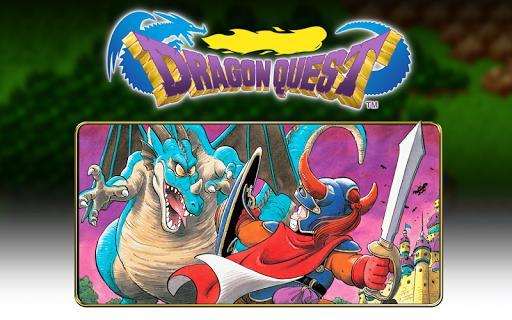
Dragon Quest is one of those series that carries its own weather system. When Yuji Horii says even a little, people notice, because he has been the creative anchor since the first game landed on the Famicom in 1986. That’s nearly four decades of slimes, turn-based battles, and a particular kind of comfort-food RPG design that Square Enix still treats as a national asset.

What most people don't know is that Horii isn’t just a name on the box. He helped define the series' tone, structure, and pacing in a way that still shapes modern entries. If Final Fantasy often experiments in public, Dragon Quest tends to refine in private. That contrast has always been part of its charm. And yes, it also makes any Horii tease feel like a bell ringing in a very quiet room.
Let’s be honest: when a creator with this much history hints at a next game, fans don’t hear a generic corporate statement. They hear possibility, sequel numbering, and the faint sound of message boards catching fire. In practice, the exact wording matters a lot. If Horii is speaking about the next project, that can mean a mainline Dragon Quest title, a remake, a spinoff, or some other piece of Square Enix business dressed up in polite language. That little ambiguity is doing a lot of work. Simply brilliant.
Why the Square Enix broadcast could be the reveal moment
Square Enix likes a stage, even when the stage is a livestream. A broadcast gives the company control over timing, framing, and hype, which means it can place a Dragon Quest reveal exactly where it wants the audience to look. That matters more than people admit. A teaser dropped at the right moment spreads like wildfire, sells like hotcakes, and then gets dissected like a motherboard with a loose capacitor.
And this is where it gets a little interesting. If the announcement lands in a Square Enix stream, the company can bundle it with the usual machinery: trailer, logo animation, release platform, maybe a short message from Horii himself. That last part is the one fans really want, because a creator's face changes the temperature of the room. A trailer says the product exists. Horii saying it says the project has a heartbeat.
What the wording suggests
Trust me on this one: game announcement language is never accidental. Phrases like next game can point to a new installment, but they can also be a deliberate shield while the publisher figures out timing. I’ve seen this play out with other Japanese series, where a single sentence produces three weeks of theory crafting and one very tired social media manager.
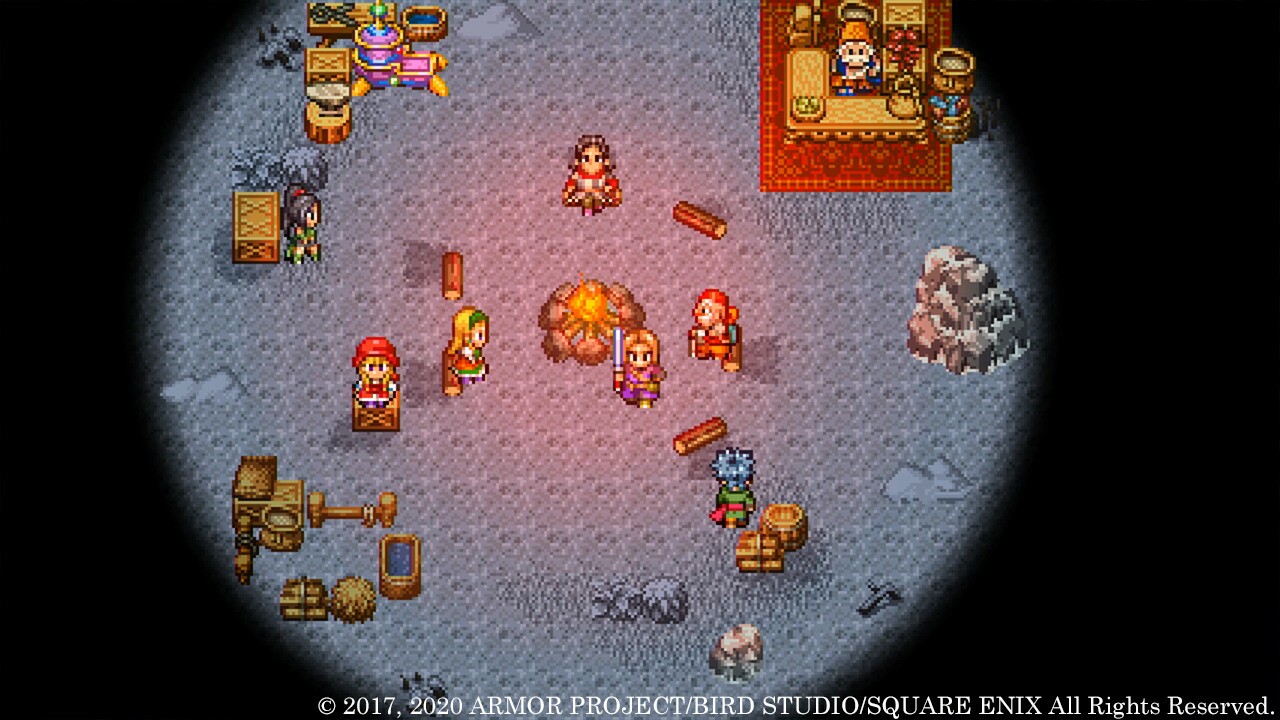
The better question is not whether Horii knows something, because of course he does. The better question is what kind of project he is hinting at. Dragon Quest III HD-2D Remake showed that Square Enix still sees value in reworking classic material, while Dragon Quest XII: The Flames of Fate has already set expectations for a more serious evolution of the mainline formula. Those are very different lanes, and the tease could point to either one. Or neither. Publishers enjoy that sort of mischief.
Why Dragon Quest still matters to Japan fans and learners
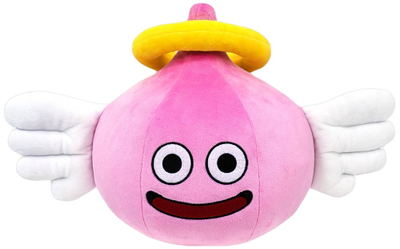
Compared to back home, where RPG fandom can be split across many franchises, Dragon Quest in Japan sits closer to shared pop culture memory. You see it in merchandise, convenience store tie-ins, hotel collabs, and the way a slime can become a mascot without anyone blinking. That familiarity makes the series a useful lens for Japan fans, because it shows how a game can become part of everyday visual culture rather than just a hobby.
For Japanese learners, this is also a neat place to collect vocabulary in context. Words like sequel, announcement, broadcast, and creator show up constantly in gaming news. If you’re reading Japanese coverage later, you’ll also see the industry habit of using compact, loaded phrasing. One sentence can carry hype, caution, and a polite refusal to confirm anything. That style is practically a genre on its own.
Hand on heart: I think Dragon Quest endures because it respects clarity. The combat is readable, the art is welcoming, and the series rarely confuses difficulty with dignity. That doesn’t make it simple. It makes it disciplined. There’s a reason a slime icon can survive for decades without feeling tired. It knows exactly what it is.
What I am watching for next
My tip: watch not just for the announcement itself, but for the shape of the reveal. If Square Enix shows a logo and a short teaser, that often means the project is still early. If Horii appears with more direct comments, the company may be ready to set a release window or at least explain where the next Dragon Quest fits in its current roadmap. Either way, the details will tell you how far along the game really is.
I still remember exactly how Japanese game news can turn one short clip into an entire week of decoding. A date, a title card, a music sting, and suddenly everyone is comparing fonts like they’re forensic experts. It sounds weird, but it's true. That is part of the fun, especially when a legacy series is involved.
On the flip side, it’s also worth staying grounded. A tease is not a release date. It is not a platform list. It’s barely even a promise, which is why publishers love it so much. Still, when the person teasing the next game is Yuji Horii, the creator who helped build Dragon Quest from the ground up, the signal carries real weight. Convinced yet?
And I think that's actually the story here, not just the speculative machinery but the human one. A creator with enormous history hints at the future of a series that has shaped Japanese gaming for generations. That is not flashy. It’s better than flashy. Simply brilliant.
Sources
Frequently Asked Questions
Who is Yuji Horii?
He is the creator of Dragon Quest and one of the most important figures in Japanese role-playing game history.
What did he tease?
He hinted that an announcement about the next Dragon Quest-related game could be coming soon.
Why are fans paying attention to Square Enix's broadcast?
Because it could be the most likely place for the reveal, given how publishers usually time major game news.