
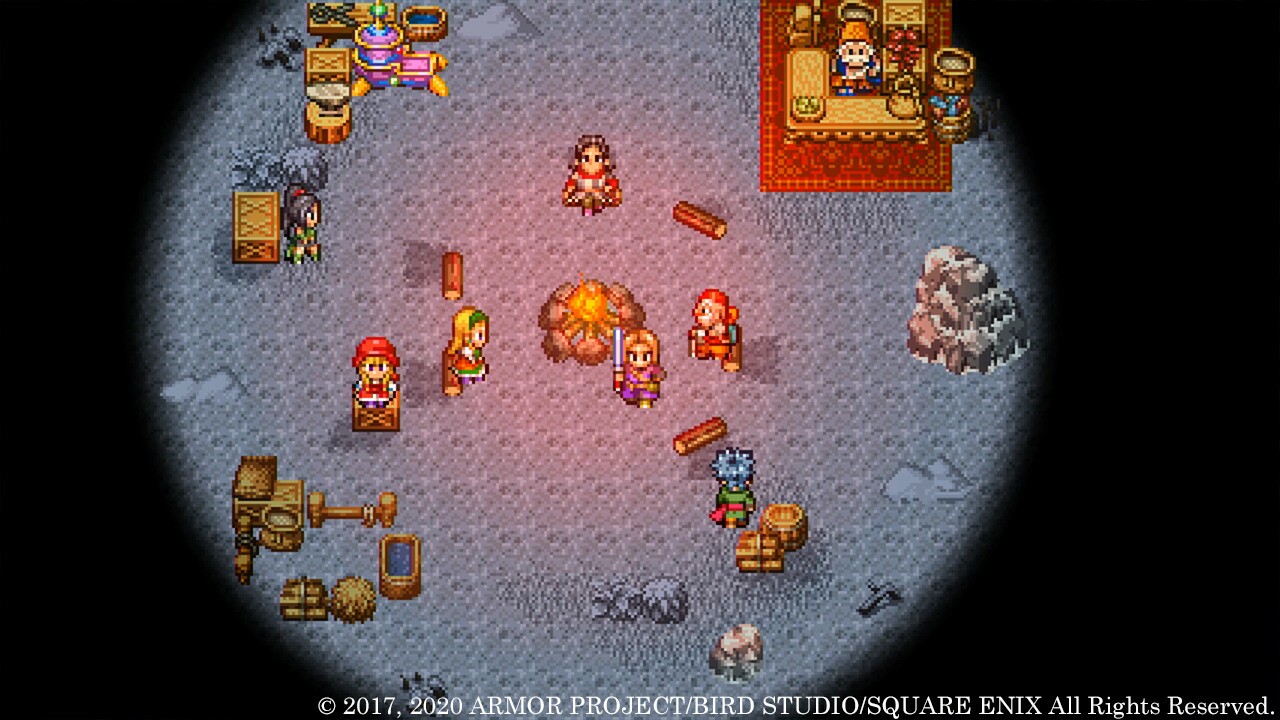
No wonder, because Dragon Quest is one of Japan’s most important game series, and every new entry carries decades of history, style, and fan expectations.
![Dragon Ball Z: Kakarot [Master Edition]](https://s.pacn.ws/1/p/1eh/dragon-ball-z-kakarot-master-edition-908785.1.jpg?v=t8ja8t&width=400)
Square Enix puts Dragon Quest back at the centre
Ever wondered why Dragon Quest still matters so much in Japan? The series started in 1986 on the Famicom, and since then it’s become one of the country’s defining RPG brands, right up there with Final Fantasy and Pokemon. Square Enix, the Tokyo-based publisher behind the franchise, knows exactly what it’s doing when it puts Dragon Quest in the spotlight again.
No exaggeration: Dragon Quest is more than a game label, it’s a cultural fixture. You’ll see it on magazine covers, in TV specials, on themed goods, and even in casual conversations among older and younger players. That’s why a new mainline-style adventure gets fans talking straight away, especially when people had started expecting another remake or remaster cycle instead.
For example, Dragon Quest has long had a very distinct identity, with monster designs by Akira Toriyama, music by Koichi Sugiyama in the classic era, and gameplay that helped define turn-based JRPG structure for millions of players. Square Enix is clearly betting that a brand-new entry can still generate the same excitement that made Dragon Quest III, VIII, and XI such beloved releases.
My tip: if you’re learning Japanese, Dragon Quest news is great practice material. You’ll keep seeing words like 新作 (shinsaku) for new work, 冒険 (bouken) for adventure, and 勇者 (yuusha) for hero across game coverage, trailers, and fan discussions. That’s exactly the kind of vocabulary that sticks because it shows up in real pop culture context.
Convinced yet?
Why this new Dragon Quest adventure feels like a bigger deal than a remaster
Trust me on this one: remasters are nice, but they don’t create the same kind of buzz as a true new release. A remaster usually means updated visuals, modern controls, and a polish pass on an older game. A new adventure, on the other hand, means fresh characters, new systems, and a chance for the series to move forward instead of looking backwards.
That matters for Dragon Quest because the fanbase includes both long-time players who started on the Famicom and newer players who came in through Dragon Quest XI S or the Switch era. A brand-new game can bridge those groups better than a safer legacy release. It also gives Square Enix room to refresh tone, combat flow, and world design without being locked to nostalgia.
What fans are likely hoping for
Seriously though: the wish list is huge. Some players want a modern take on classic turn-based battles, others want a more ambitious presentation, and plenty of fans just want that unmistakable Dragon Quest charm, the kind built on clear storytelling, friendly towns, and monster designs that feel instantly readable. If Square Enix gets the balance right, this could become one of the biggest JRPG talking points of the year.
Did you know that Dragon Quest releases in Japan often become major social events? In the past, launch days have drawn huge crowds, and the series has even influenced school and work habits because fans rush to buy the latest entry. That kind of cultural footprint is rare, and it explains why a fresh announcement can feel bigger than a simple product update.
From my experience, that’s also why Japan fans outside the country pay close attention. Dragon Quest is a window into how Japanese game culture treats legacy brands, with respect for tradition but also a constant push to make the next adventure feel new. My verdict: this is exactly the kind of gaming news that rewards close attention.
Dragon Quest, Japan culture, and the language learning angle
Let me show you why this news is especially useful for Japanese learners. Dragon Quest headlines and trailers are full of practical vocabulary, and because the series has such a stable brand identity, you can spot recurring expressions across years of coverage. Words like bouken, モンスター (monsuta, monster), and 戦記 (senki, war chronicle) often appear in game articles, interviews, and fan posts.
Pro tip: compare English coverage with Japanese game news and try to match the phrasing. You’ll notice that Japanese articles often lean on concise, dramatic wording, especially for series with a long history. That style is helpful if you want to improve reading speed, and it also teaches how Japanese media builds hype without sounding overly flashy.
What I especially like is that Dragon Quest sits in a very Japanese space while still being easy for global fans to follow. The visual style, the village names, the heroic structure, and the gentle humour all reflect a kind of storytelling that feels deeply local. At the same time, the series is accessible enough that even beginners can start picking out familiar words from trailers and screenshots.
Insider tip: if you see fans discussing the announcement on social media, pay attention to small words like 最新 (saishin) for latest and 楽しみ (tanoshimi) for something to look forward to. That’s real language in the wild, not textbook filler. Highly recommended for learners who want game news that actually helps their Japanese stick.
Basically: Square Enix hasn’t just announced another product, it has reactivated one of Japan’s most important JRPG brands. That’s why this news has such strong fan value, and why it deserves attention beyond the usual remake cycle. Convinced yet?
Frequently Asked Questions
Why is this Dragon Quest announcement such a big deal?
Because it is a brand-new adventure, not just a remaster or remake, and Dragon Quest is one of Japan’s most iconic game series.
Who is behind Dragon Quest?
Square Enix, the Japanese publisher based in Tokyo, handles the series and its major releases.
Is this useful for Japanese learners?
Yes. Game news like this is a great way to learn vocabulary, especially words connected to adventures, heroes, and release announcements.
