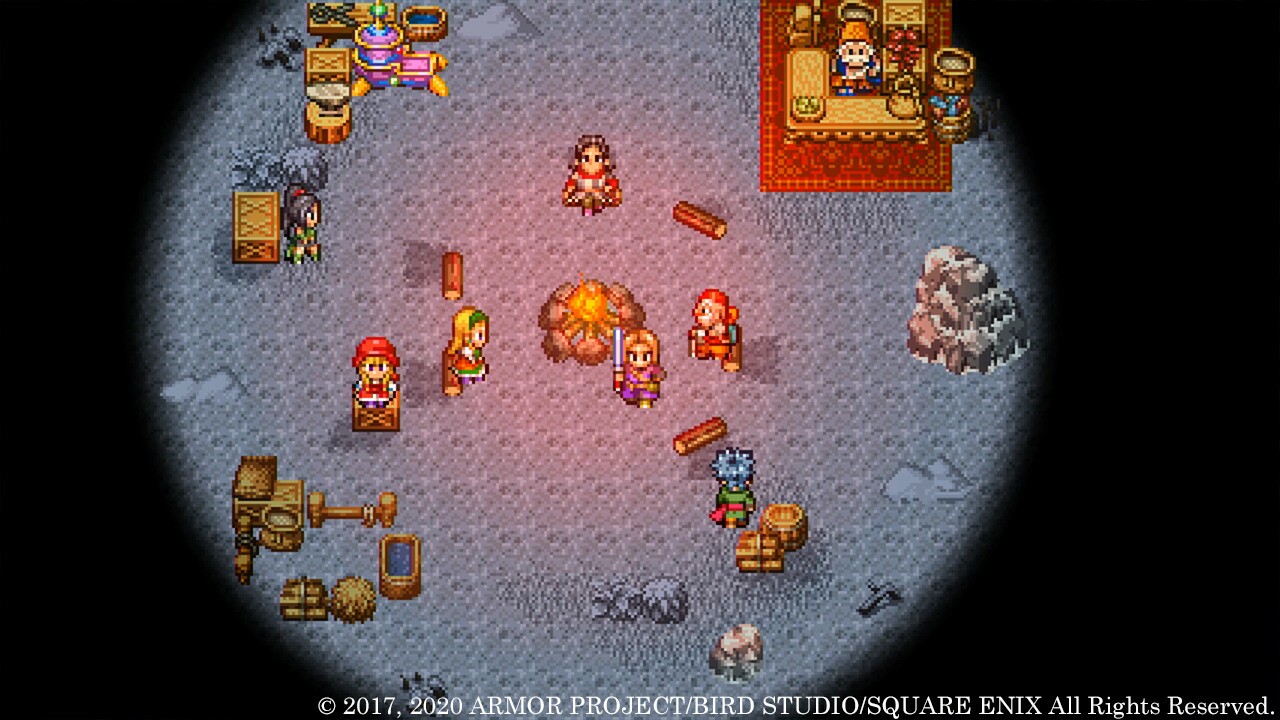
The new world teased for these two familiar faces feels like classic Square Enix fan service, but the kind that actually makes sense. It ties a monster-raising spin-off to one of the most beloved stories in the franchise, and that’s a smart move.
![Dragon Ball Z: Kakarot [Master Edition]](https://s.pacn.ws/1/p/1eh/dragon-ball-z-kakarot-master-edition-908785.1.jpg?v=t8ja8t&width=400)
Dragon Quest Monsters 4 on Nintendo Switch: why this announcement matters
Dragon Quest Monsters 4 is one of those announcements that lands instantly if you know the series. Square Enix has confirmed a new world for Bianca and Flora, and the platform is Nintendo Switch, which means the game is aimed right at the current handheld-home console crowd. That matters, because Dragon Quest works especially well in portable play, whether you're grinding battles on a train or checking a menu during a coffee break.
The reason is simple: Dragon Quest has always been about comfort, rhythm, and steady progress. The Monsters sub-series takes that formula and adds monster collection, fusion, and a lot of tactical tinkering. If you like the slower, friendlier pace of Japanese RPGs, this is exactly the kind of release that can eat your weekend in the best way. My tip: keep an eye on this one if you enjoy games that reward patience. Personally...
Bianca and Flora return, and that changes the tone
Know that feeling when a game announcement makes you remember an entire childhood save file? That’s what happens here. Bianca and Flora aren’t random cameos, they’re two of the most recognisable women from Dragon Quest V, a 1992 Super Famicom classic that later became a touchstone for the whole series.
Take Bianca, for instance. She’s the warm, adventurous childhood friend, the sort of character players often remember because she feels immediate and grounded. Flora, by contrast, carries a more refined, elegant image, and that contrast has followed the series for decades. Square Enix leaning on both of them gives Dragon Quest Monsters 4 a strong emotional hook, and it also nudges the new game closer to mainline Dragon Quest storytelling. Convinced yet?
Why Japanese fans care so much about these two
There’s a cultural angle here too. Dragon Quest is a series where character memory matters, and Japanese fans love long continuity. When a name like Bianca or Flora returns, it isn’t just nostalgia, it’s recognition of shared history. In Japanese fan culture, that kind of callback often feels like a polite bow to the audience, almost like saying ありがとう (arigato, thank you) for sticking with us all these years.
And it gets better: these characters connect newer players to older Dragon Quest lore without requiring a history lesson. If you’re learning Japanese, this is a neat entry point into franchise vocabulary too. Words like モンスター (monsutaa, monster), 世界 (sekai, world), and 進化 (shinka, evolution) show up all over game-related discussion, and Dragon Quest communities are full of that easy, practical language. Classic Japan, isn't it?
Square Enix and the Dragon Quest Monsters legacy
Here’s the kicker: Dragon Quest Monsters isn’t some side project that came out of nowhere. The original Dragon Quest Monsters: Terry no Wandering Dungeon arrived in 1998 for Game Boy in Japan, and the line has been running in different forms ever since. Over the years, the series has shifted from handheld exclusives to modern releases, but the core appeal has stayed the same, recruit monsters, build a team, experiment with breeding or synthesis, and keep moving forward.
No exaggeration: this format has aged well. It suits Nintendo hardware, it suits shorter play sessions, and it gives Square Enix room to play with familiar Dragon Quest names without turning the whole thing into a pure remake. With Dragon Quest Monsters 4, the company seems to be balancing fan nostalgia with a fresh angle, and that balance is hard to pull off. Simply brilliant.
What Switch brings to the table
The Nintendo Switch is a smart home for this kind of game. You can play docked on a TV, or in handheld mode while out and about, and that flexibility matches the portable roots of the series. Dragon Quest has long lived comfortably beside train rides, school commutes, and late-night handheld sessions, so Switch feels like a natural fit rather than a forced one.
For Japanese learners, this is also a practical platform to watch. Nintendo Switch releases often generate a lot of Japanese-language coverage, from official trailers to fan reactions on X and YouTube. If you want reading practice, game announcements like this are perfect, because the language is concrete, repeated, and tied to familiar names. Highly recommended: follow the Japanese trailer descriptions and compare them with English coverage, it’s a simple way to build vocabulary.
What to expect from Dragon Quest Monsters 4 next
Picture this: a new Dragon Quest world, two iconic women from Dragon Quest V, and a monster-collecting system built for Switch. That combination tells me Square Enix is aiming for both veterans and newcomers. Fans who remember the emotional weight of Dragon Quest V will notice the callback immediately, while younger players will just see a polished RPG with strong brand recognition.
I still remember how often Dragon Quest spin-offs manage to surprise people by being more than they look at first glance. The Monsters games can seem simple on paper, but they usually hide a lot of depth in team building and monster combinations. If Dragon Quest Monsters 4 follows that pattern, it could easily become one of those games people keep returning to months later. My verdict:
Frequently Asked Questions
What is Dragon Quest Monsters 4?
It is a new entry in Square Enix's Dragon Quest Monsters series, built around monster collection and team building.
Are Bianca and Flora connected to Dragon Quest V?
Yes. Both are well-known characters from Dragon Quest V, and their return ties the new game to the main series.
Which platform is the game coming to?
The announcement points to Nintendo Switch, making it easy to play in both handheld and TV mode.