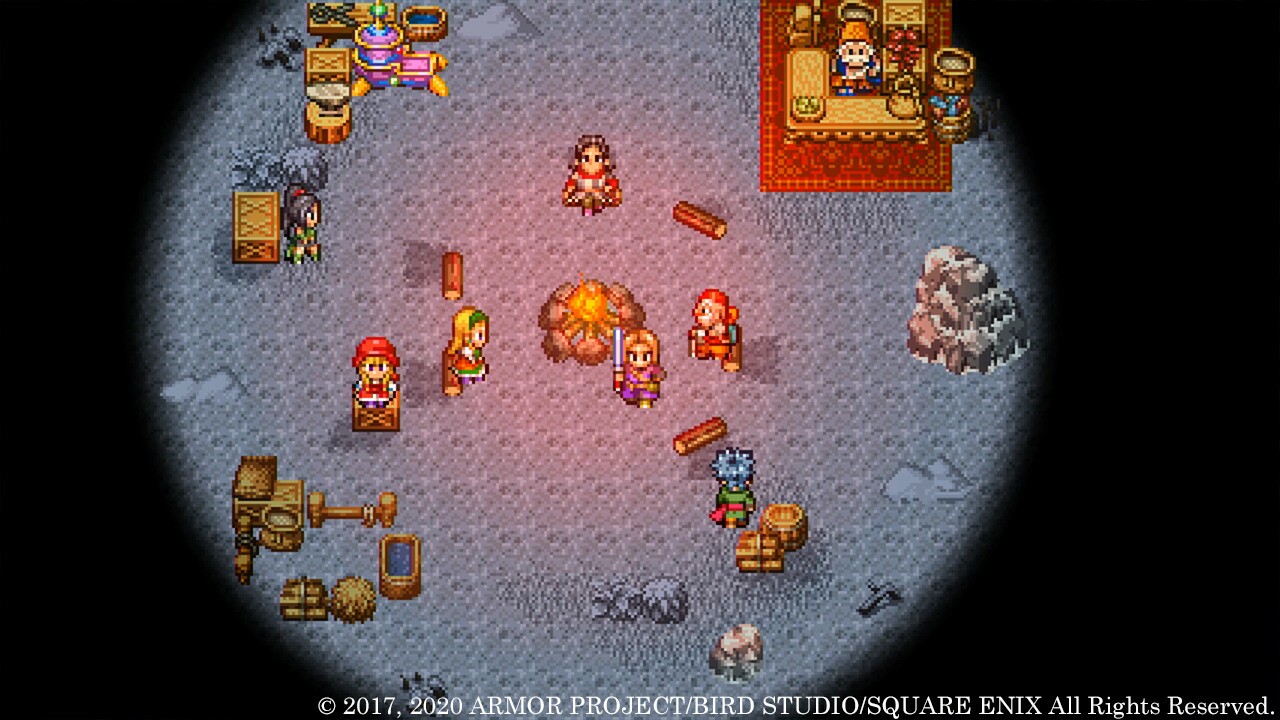
This is a 40th anniversary project, but not the sentimental kind. Square Enix is clearly treating it as a reset, and if you care about JRPG production, naming, or the way long-running Japanese series reframe themselves for a new era, there’s plenty to unpack.
![Dragon Ball Z: Kakarot [Master Edition]](https://s.pacn.ws/1/p/1eh/dragon-ball-z-kakarot-master-edition-908785.1.jpg?v=t8ja8t&width=400)

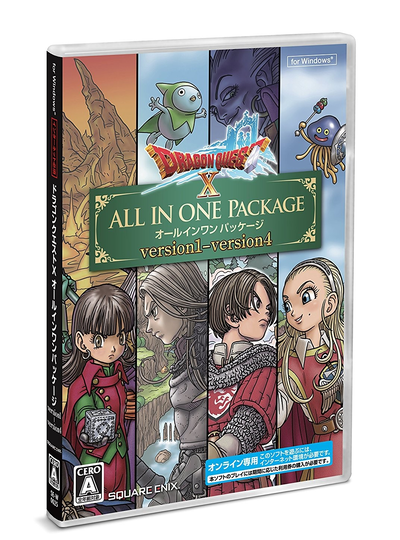
Dragon Quest XII: Beyond Dreams is the kind of announcement that looks simple on a press release and turns complicated the moment you actually think about it. A title change sounds cosmetic, but in a series this old, it’s usually a signal. The first name, Flames of Fate, suggested motion, danger, destiny, and all the usual JRPG fireworks. The new one, Beyond Dreams, feels quieter and stranger, which is exactly why I think it matters.
Seriously though: Dragon Quest isn’t just another RPG brand. It’s one of the pillars of Japanese game history, first released in 1986 on the Famicom, and now it’s celebrating its 40th anniversary with a project that clearly wants to say something new about legacy, tone, and audience expectation. That’s a risky move, but it’s also a necessary one. A series doesn’t survive four decades by repeating itself until the paint peels off.
For Japanese learners, this is one of those moments where game titles themselves become study material. 夢 (Yume, dream) means dream, 向く (muku, to face toward; toward) can mean “towards” or “beyond” depending on context, and 運命 (unmei, fate; destiny) means fate. Titles in Japanese media often carry mood before plot, and Dragon Quest has always understood that better than most franchises. You don’t need to know the kanji to feel the intent. You just need to hear how the words sit in your mouth.
Dragon Quest XII and the problem of legacy
What most people don't know is that Dragon Quest has always been more conservative in structure than its reputation suggests, and that conservatism is part of its power. It gave Japan the template for console RPG storytelling, yes, but it also became a cultural comfort object, something familiar enough to trust and flexible enough to evolve in small, careful steps. The tension around Dragon Quest XII is that Square Enix can’t rely on “small, careful steps” forever.
No exaggeration: the 40th anniversary changes the stakes. Dragon Quest IX arrived in 2009, Dragon Quest X became an online game in 2012, and Dragon Quest XI launched in 2017 in a form that deliberately looked backward while polishing nearly every surface. That worked brilliantly. But the next mainline entry can’t simply be “more XI”. The audience now includes people who grew up with orchestrated symphonic releases, smartphone spin-offs, anime adaptations, and official remakes. They know the grammar of the series. They’re waiting to see whether it still has something to say.
Why the title matters
Flames of Fate and Beyond Dreams point in different directions. The first is dramatic, almost bluntly heroic. The second is more abstract, maybe even more literary, and I suspect that’s deliberate. Dragon Quest has always balanced myth and domestic warmth, danger and gentleness, and the newer title suggests a production that’s trying to figure out what that balance looks like in practice, not in theory, on paper. That’s the real challenge, not the logo reveal.
The reason is simple: titles shape expectation before a single screenshot lands. When a series has a public image as stable as Dragon Quest, even small wording shifts can feel like a manifesto. My tip: don’t treat the rename as trivia. Treat it as a clue. Sounds good, right?
Beyond Dreams: what the new title suggests
Compared to back home, where sequel names are often engineered for maximum brand repetition, Japanese game titles can be far more tonal. They can signal atmosphere, not just catalogue placement. Beyond Dreams sounds less like a battlefield and more like a threshold. That’s a subtle but meaningful move for a franchise that has spent decades making fantasy feel approachable instead of overwhelming.
The best part is that this gives the writers and designers room to play with a darker or more introspective tone without abandoning the series’ identity. Dragon Quest is famous for slime monsters, bright colours, and a kind of childhood-adventure sincerity that other RPGs sometimes mock and then quietly borrow. If Beyond Dreams leans harder into dreams, memory, or internal conflict, that could open space for story beats that feel more personal than apocalyptic. And yes, I’d be very interested in how that affects monster design, town architecture, and even menu flow. These things matter. More than marketing teams usually admit.
What I especially like is the way the new title creates a cleaner thematic line with a 40th anniversary celebration. A series anniversary can easily become museum theatre, all nostalgia and no risk. Square Enix seems to be avoiding that trap by reframing the project as a renewal. Classic Japan, isn't it? Even the rebrand has to be tasteful.
Dragon Quest at 40: celebration, reset, and pressure
The first time I went to Japan, I noticed how often long-running franchises are treated like living institutions rather than disposable content. Dragon Quest is exactly that kind of institution. It appears in convenience stores, collaborations, exhibitions, and public conversations in a way that still feels a little surreal if you grew up outside Japan. That cultural weight is why Dragon Quest XII can’t just be good. It has to justify its own existence against 40 years of memory.
Basically, anniversaries are both gift and burden. They give publishers a ready-made narrative, but they also force them to explain why the next entry deserves attention when the old ones already work fine. Square Enix’s shift from Flames of Fate to Beyond Dreams suggests an awareness of that pressure. Rather than shouting louder, it sounds like the team is trying to change the angle of the light. Same object, different shadow.
That approach also fits modern JRPG production realities. Big series now live under constant comparison, remake culture, and social media speculation. A new mainline Dragon Quest has to speak to veterans who want tradition, younger players who expect cleaner pacing, and fans who care about art direction as much as battle systems. The studio can’t please everyone, obviously. But it can choose a sharper creative identity, and the new title says it wants one.
From my experience, that’s usually where the strongest Japanese game projects start to feel alive again. Not when they chase novelty for its own sake, but when they finally decide what they’re not willing to be. If Beyond Dreams means anything practical, it’s that Square Enix is drawing that line now.
Frequently Asked Questions
Is Dragon Quest XII still the same game after the title change?
Yes. The game is still Dragon Quest XII, but the subtitle has been changed from Flames of Fate to Beyond Dreams.
Why does the title change matter so much?
Because subtitles in Japanese game series often signal tone, theme, and creative direction, especially for a major anniversary release.
Why is the 40th anniversary important here?
It frames the game as both a celebration of the series and a reset point for its future, which raises expectations significantly.