
What Makes Kai Hakone Stand Out Among Ryokan
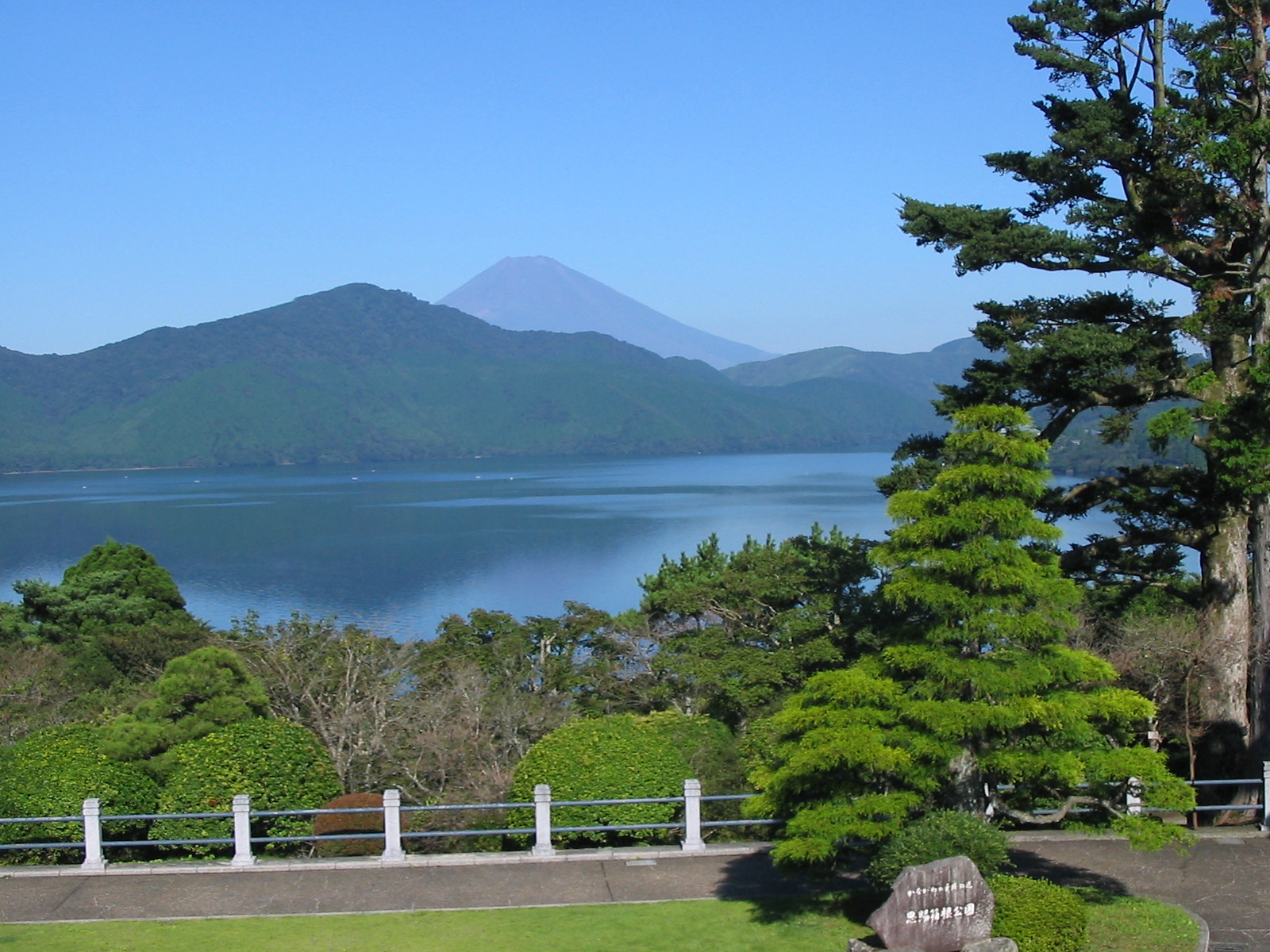
Hand on heart, the ryokan scene in Japan is competitive. There are hundreds of options across Hakone alone, a volcanic region famous for its mineral-rich hot spring waters and views of Fuji-san on clear days. So, what does Kai Hakone actually offer that the others don't?



Kai Hakone is part of the Hoshino Resorts group, a Japanese hospitality brand that has made a name for itself by preserving traditional aesthetics while keeping things genuinely comfortable for modern guests. The property sits beside the Hayakawa River, and the sound of the water running past is something you notice immediately on arrival. No joke, it sets the tone for the entire stay.
The rooms are styled in a classic 和室 (washitsu, japanisches Zimmer) format, meaning 畳 (tatami, Reisstrohmatte) mat flooring, low furniture, and a general sense of calm that, compared to back home, feels almost theatrical at first. You sleep on a 布団 (futon, japanische Schlafmatratze) laid directly on the tatami. The wooden beams, paper screens, and ceramic details aren't decorative afterthoughts; they're the whole point.
What I especially like is the way the staff move through the property. There's a quietness to the service at Kai Hakone that isn't cold or formal. It's simply unhurried, which is a skill in itself. See what I mean?
The Tea House Ritual and Japanese Cultural Immersion
One of the most memorable features of a stay at Kai Hakone is the on-site tea house. Every evening, guests are invited to participate in a simplified version of the chado ceremony, the Japanese way of tea. You don't need to be an expert; the staff guide you through it gently.
Plot twist: the 抹茶 (matcha, Grünteepulver) served here isn't an Instagram prop. The ceremony is treated as a genuine moment of stillness before dinner. You sit on tatami, hold the bowl with both hands as is customary, and drink slowly. For anyone studying Japanese culture or language, this kind of lived experience is worth more than hours of textbook reading.
Matcha and the Language of Tea
For Japanese learners, the tea house is a small vocabulary goldmine. The word お点前 (otemae, formelle Handgriffe der Teezeremonie) refers to the formal movements of the tea ceremony. 茶巾 (Chakin, Teetuch) is the small cloth used to wipe the bowl. 和菓子 (Wagashi, japanische Süßigkeiten), the traditional sweets served alongside matcha, are usually made from red bean paste and seasonal ingredients. At Kai Hakone, the wagashi change with the seasons, which is very much in line with the Japanese concept of 旬 (shun, Saisonhöhepunkt), meaning the appreciation of seasonal ingredients at their peak.
Pro tip: don't rush through this part of your stay. It's easy to treat the tea house as a box to tick. Resist that. Sit with it. But that's not all.
Daily Onsen Soaks: The Core of the Kai Hakone Experience
The onsen at Kai Hakone draw water directly from the Hakone geothermal zone, one of the most active and mineral-rich in all of Japan. The property has both indoor and outdoor rotenburo baths, with the outdoor option positioned so you're essentially bathing in the forest. The water is a soft, slightly sulfurous sodium bicarbonate type, which is considered excellent for the skin.



Guests soak twice a day by default, once in the morning and once in the evening. That rhythm becomes surprisingly natural after just one day. The Japanese word for this habit is nyuyoku, though in the context of hot springs specifically, you'd say onsen ni hairu, meaning to enter the onsen. The routine shifts how you feel physically. Your muscles unknot, and you sleep differently.
Onsen Etiquette Worth Knowing
If you're visiting for the first time, a few basics apply. You wash thoroughly at the small shower stations before entering the communal bath. Tattoos are still restricted at many traditional onsen, including some areas within ryokan properties, so it's worth checking in advance. Towels stay outside the water. These aren't arbitrary rules; they reflect a genuine philosophy around shared clean water as a communal good.
Insider tip: go to the rotenburo early in the morning, around 6am if you can manage it. The mist rising off the warm water while the forest is still cool and quiet is genuinely one of the better experiences available in the Hakone area. Wild, isn't it?
Practical Details for Planning Your Stay
Kai Hakone is located near Tonosawa, a short taxi ride from Hakone-Yumoto Station, which is itself accessible from Shinjuku in Tokyo in under 90 minutes via the Romancecar limited express operated by Odakyu Railway. The journey itself is pleasant and worth doing in daylight.
Room rates vary significantly by season, but expect to pay somewhere in the range of 50,000 to 90,000 yen per person per night, with dinner and breakfast included. That price range reflects the kaiseki dinner, a multi-course meal built around seasonal ingredients and presented with extraordinary attention to detail. Kaiseki is its own subject entirely, but at Kai Hakone, it serves as a strong anchor for the evening alongside the tea ceremony.
No wonder, because Hoshino Resorts has invested seriously in the Kai brand across Japan, and Hakone remains one of the flagship properties. Bookings fill up quickly, especially around autumn foliage season in November and the cherry blossom weeks in late March and early April. Plan months ahead if those windows interest you.
A great example of how to make the most of a short trip is to combine Kai Hakone with a day visit to the Hakone Open Air Museum, which sits about 10 minutes away by local train. It holds a significant Picasso collection alongside sculptures positioned across outdoor terraces with mountain views. The contrast with ryokan tranquillity is oddly satisfying. Convinced yet?
Frequently Asked Questions
Do I need to speak Japanese to stay at Kai Hakone?
Not at all. The staff at Kai Hakone are experienced with international guests and communicate in English. That said, learning a few basic polite phrases before your trip is always appreciated by locals.
Is Kai Hakone suitable for first-time hot spring visitors?
Yes, it's actually a very welcoming introduction to hot spring culture. The staff can walk you through the basic etiquette, and the property has clear guidance for guests who are new to the onsen experience.
How far is Kai Hakone from Tokyo?
The journey from Shinjuku Station in Tokyo to Hakone-Yumoto takes roughly 85 minutes on the Odakyu Romancecar express train. From there, Kai Hakone is a short taxi ride away, making it an easy and popular weekend escape from the city.


