

What Makes This Hakone Property So Special
Hakone has been drawing travellers, poets, and tired city dwellers for centuries. Nestled in the mountains of Kanagawa Prefecture, roughly 90 minutes from Tokyo by romancecar (the 特急 (tokkyuu, limited express train) train that Japan rail fans absolutely love), it sits inside the Fuji-Hakone-Izu National Park. The area is synonymous with hot springs, mountain air, and that particular kind of quiet that feels almost medicinal after a week in a big city.



This specific property is located in Hakone-machi itself, right at the heart of the traditional ryokan belt. It measures 197.38 square metres in total floor area and operates as a two-room onsen ryokan. That's small by hotel standards, but that's exactly the point. Small ryokan in Japan, often called ko-ryokan or kappo-ryokan depending on the format, are known for intensely personal hospitality, where the 女将 (okami, innkeeper (usually female)) (the innkeeper, usually female) knows every guest by name before dinner is served.

What I especially like is that the private onsen setup here transforms the property from a simple guesthouse into something far more appealing to modern travellers. Private onsen baths, called 貸切 (kashikiri, private reservation; exclusive use) onsen in Japanese, have become one of the most searched-for features among visitors who want the full hot spring experience without sharing a communal bath. Demand for that kind of privacy has only grown, especially among international guests.
The Ryokan Experience: Culture, Language and What Guests Expect
Ever wondered why staying at a ryokan feels so different from checking into a hotel? It's not just the tatami floors or the 浴衣 (yukata, light cotton robe) (the lightweight cotton robe left out for guests). It's the entire rhythm of the day. Guests typically arrive in the late afternoon, change into their yukata, bathe in the onsen before dinner, eat a multi-course 懐石 (kaiseki, traditional multi-course meal) meal served in their room or a private dining space, sleep on a futon laid out on tatami, and wake up to a traditional Japanese breakfast. The word for this is 思いやり (omoiyari, consideration; empathy), which roughly means considerate anticipation of someone's needs. It's practically a design philosophy.
For Japanese language learners, a ryokan stay is genuinely one of the best immersion environments you'll find. You'll encounter vocabulary like いらっしゃいませ (irasshaimase, welcome) (welcome), お客様 (okyakusama, honoured guest; customer) (honoured guest), rotenburo (outdoor hot spring bath), and o-kaeri nasai (welcome back) used in their most natural context. Compared to back home, where you might study these words from a textbook, hearing them said warmly at a wooden genkan entrance after a long travel day is something else entirely.
The Kashikiri Onsen Advantage
Private onsen access is genuinely a selling point for this property, not just a nice extra. The weak yen has driven inbound tourism to record levels in 2025, and international visitors, particularly from Europe, North America, and Southeast Asia, are actively seeking ryokan with private bath options. Many travellers who might feel hesitant about public communal bathing are perfectly comfortable with a reserved private onsen slot or a fully kashikiri setup. A property that already offers this is ahead of the curve.
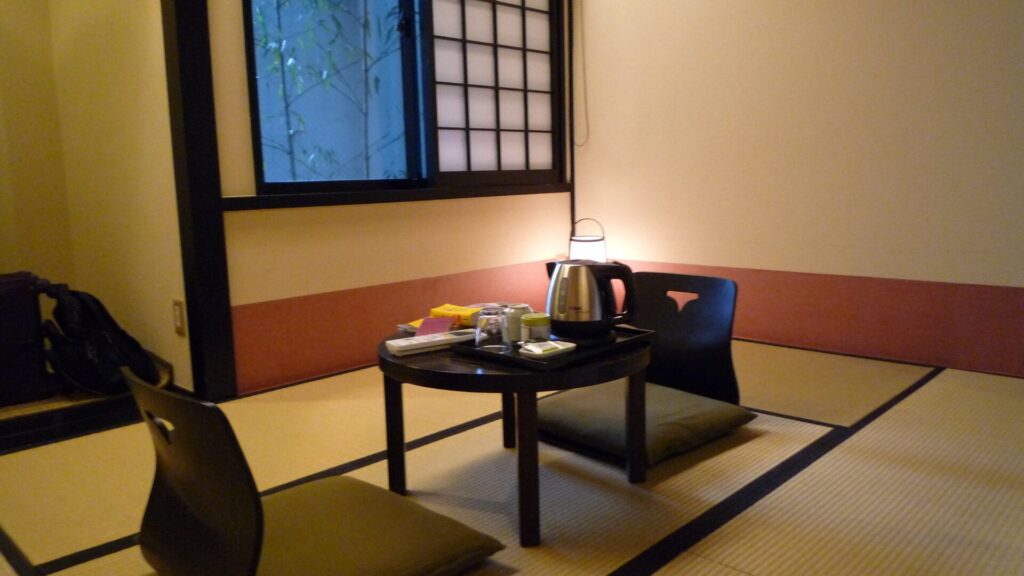
Fun fact: Hakone sits on one of Japan's most geologically active volcanic zones, which means the onsen water here isn't piped in or artificially heated. It rises naturally from underground sources, and different areas of Hakone even have different water compositions, from sulphuric to sodium chloride to iron-rich springs. Guests who stay long enough start to notice the difference. Classic Japan, isn't it?
Who Is This Listing For?
Let me show you why this property appeals to a very specific kind of buyer. At 197.38 square metres with two rentable rooms, it's not a large commercial hotel investment. What many overlook is that this scale is actually ideal for owner-operators who want to live in Japan, run a small hospitality business, and build something personal rather than scalable. Think of a couple relocating from abroad under a business manager visa, or a Japan-based entrepreneur wanting to enter the growing experiential travel market.



That's why the retreat angle matters here. Two rooms mean a maximum of eight to ten guests at any given time, assuming standard ryokan room capacity. That's a number you can actually manage as a small team, deliver genuine hospitality to, and build a reputation around. Platforms like boutique travel agencies and curated Japan travel blogs actively seek out small, characterful properties like this one to recommend to their readers. The listing is handled through Japan Property, which specialises in hospitality real estate across Japan.
Hakone-machi: Location Breakdown
Hakone-machi sits on the southern shore of Lake Ashi (Ashinoko), one of Hakone's most iconic landmarks. On a clear day, you get a direct view of Mount Fuji reflected in the lake's surface. The area is served by the Hakone Tozan Railway, one of the steepest mountain railways in Japan, and connects easily to Odawara Station for shinkansen access to Tokyo or Osaka. For a ryokan operator, that connectivity is genuinely valuable. Guests can leave Tokyo in the morning, check in by early afternoon, and be soaking in a private rotenburo before dark.
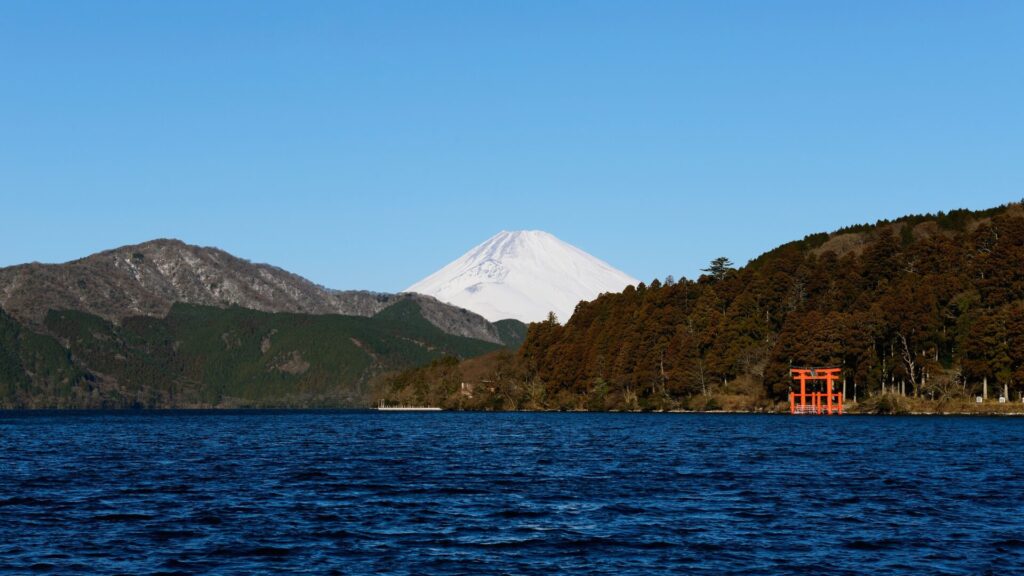
Insider tip: properties in Hakone-machi with direct onsen access and established ryokan licences are rare on the open market. Acquiring an existing operation saves the enormous administrative and construction time involved in building from scratch, and Japanese hospitality licences come with their own regulatory complexity.
Running a Ryokan: What You'd Actually Be Taking On
I still remember exactly the first time I stayed at a small two-room ryokan in rural Japan. The owner cooked everything herself, arranged the futon, stoked the bath, and was up before six to prepare breakfast. It was extraordinary, but it was also clearly exhausting. That's the honest side of this kind of purchase.
Running a ryokan in Japan involves food hygiene certification, an inn business licence (ryokan gyou kyoka), and often separate onsen usage permits depending on the water source. Staff costs, seasonal occupancy fluctuations, and the high expectation levels of Japanese domestic guests all factor in. That said, the inbound tourism boom of 2025 has changed the calculus somewhat. Foreign guests, who now make up a growing share of Hakone visitors, tend to book further in advance, spend more per night, and are often more forgiving of language barriers than domestic travellers. A ryokan positioned for international guests, with strong English-language marketing and a well-managed private onsen offering, is genuinely well-placed right now.
Take the growing interest in wellness travel as an example. Rotenburo bathing in mountain air, kaiseki meals built around seasonal local ingredients, sleeping on tatami in total silence, these aren't just hospitality features. For many Western travellers, they're the entire reason for the trip. Sounds good, right?
Frequently Asked Questions
What does a private onsen mean at a ryokan?
A private onsen is a hot spring bath reserved exclusively for one guest or group at a time. Unlike shared communal baths, guests book a time slot and have the bath entirely to themselves. This is a popular option for couples and travellers who prefer privacy.
Is buying a ryokan in Japan possible for foreigners?
Yes, foreigners can purchase property in Japan, including hospitality businesses like ryokan. However, operating a licensed inn requires the appropriate business visa and meeting local regulatory requirements, including food service and accommodation licences.
How big is a two-room ryokan?
A two-room ryokan typically accommodates between two and ten guests depending on room size and occupancy style. At 197 square metres, this Hakone property offers ample space for guests, staff quarters, and operational areas alongside the two rentable guest rooms.


