What Yuji Horii Actually Taught His Team
Here's the deal: most people assume a story-driven JRPG lives or dies by its plot. Twists, character arcs, dramatic cutscenes, that's the standard checklist. But Yuji Horii apparently told Jin Fujisawa something that flips that assumption on its head.
![Dragon Ball Z: Kakarot [Master Edition]](https://s.pacn.ws/1/p/1eh/dragon-ball-z-kakarot-master-edition-908785.1.jpg?v=t8ja8t&width=400)

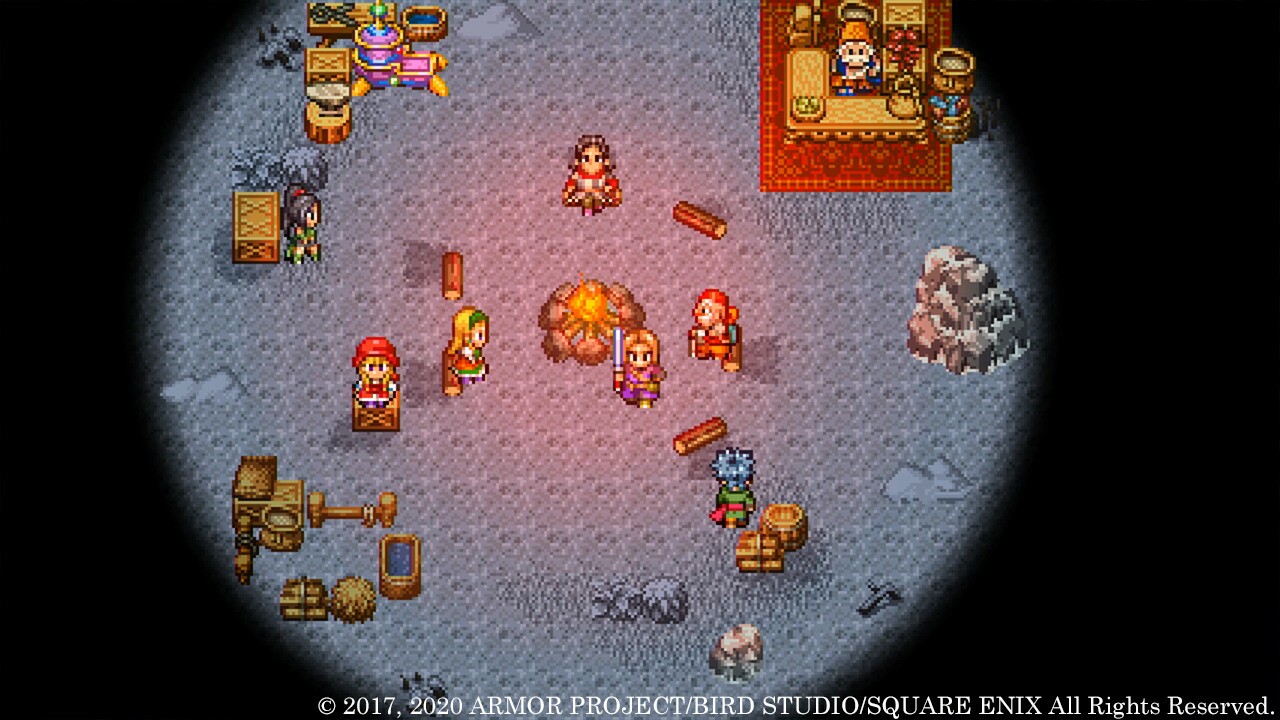
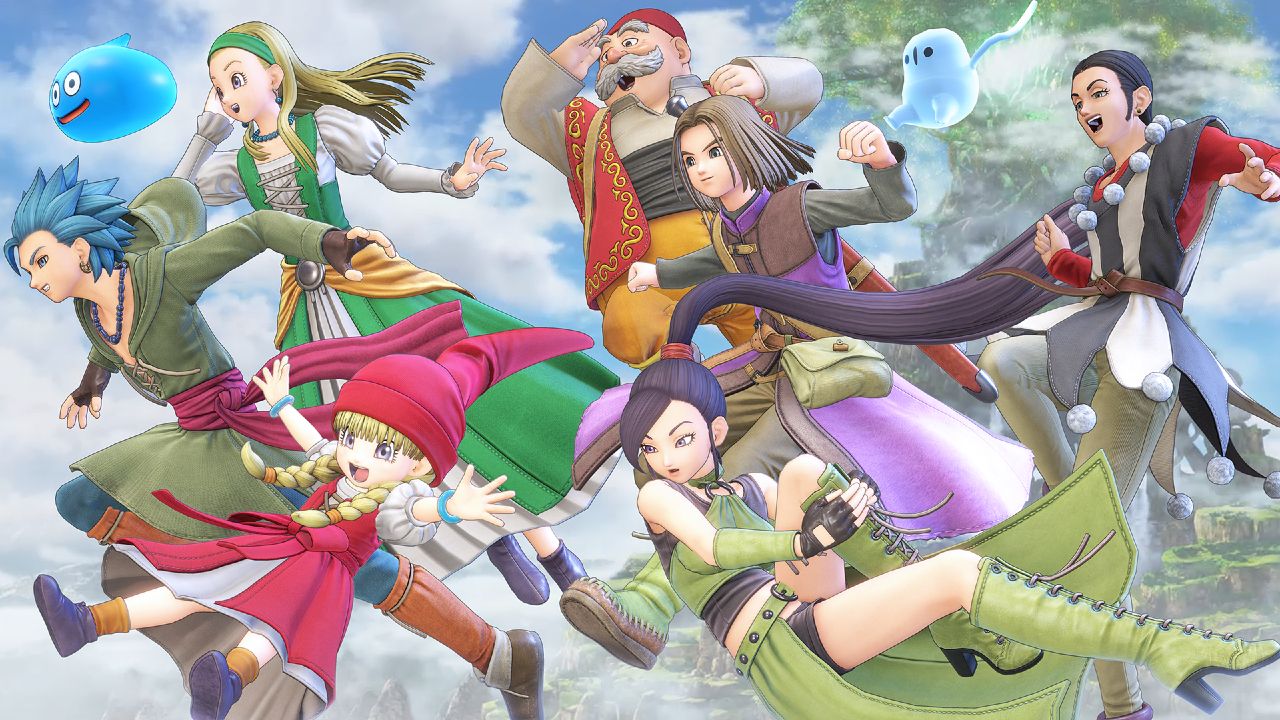
According to Fujisawa, who directed Dragon Quest XI: Echoes of an Elusive Age (released in Japan in 2017), Horii made one thing very clear during their collaboration: the series isn't about the storyline. The experience is what matters. It's not the narrative on paper, but how it actually feels to sit there and play through it.
Think about that for a second. Dragon Quest XI has one of the most emotionally ambitious stories in the entire franchise. It's got time travel, sacrifice, and a gut-punch midgame twist that genuinely shocked players. And yet the man behind the series was reportedly telling his director not to prioritise the story itself, but the moment-to-moment feeling the player walks away with.
Personally, I think this explains a lot. Dragon Quest has always felt warmer and more grounded than its rivals. It's not trying to be a novel; it's trying to be a memory.
Jin Fujisawa and the Weight of the Dragon Quest Legacy
Did you know that Jin Fujisawa also directed Dragon Quest IX: Sentinels of the Starry Skies, released for the Nintendo DS back in 2009? That game sold over five million copies in Japan alone and became one of the best-selling DS titles ever. So this isn't a peripheral figure talking; Fujisawa shaped two of the biggest entries in the entire franchise.
His comments came to light via GamesRadar, where he opened up about what it was like working under Horii and carrying that design philosophy forward. It's a rare glimpse behind the curtain of a franchise that doesn't often do tell-all interviews.
A great example of this philosophy in action is Dragon Quest IX's multiplayer component. The game let players explore dungeons together via local wireless, which was practically unheard of for a mainline JRPG at the time. That wasn't a story decision; it was a pure experience decision. It made the game feel alive in a way the plot alone never could have.
Why This Matters for JRPG Design in General
Seriously though, the JRPG genre has spent decades chasing cinematic complexity. Games get longer, cutscenes get grander, and voice casts get bigger. And yet some of the most memorable moments players talk about online aren't story beats; they're small, weird, personal things. The time they got lost in a dungeon for two hours. The grinding session that turned into a late-night ritual. The town music they still hum years later.
Horii, it seems, understood this intuitively. Dragon Quest's art style, its Akira Toriyama character designs, and its bouncy overworld music by composer Koichi Sugiyama, none of those things are really about plot. They're all about feel. About the texture of being inside that world.
Unlike what we're used to in most modern RPGs, Dragon Quest rarely tries to subvert your expectations or make you feel clever for catching a twist. It wants you to feel comfortable, then emotionally invested, and then genuinely sad when it ends. That's the experience Horii is reportedly talking about.
Dragon Quest, Japan, and the Language of Experience
Quick detour: for anyone learning Japanese, the Dragon Quest series is actually a surprisingly useful cultural touchstone. The games use a lot of everyday vocabulary, words like 城 (shiro, castle) (castle), 町 (machi, town) (town), and 勇者 (yuusha, hero) (hero), in contexts that make them easy to remember. Horii has always written the games in a conversational, accessible style. That's not an accident; it fits perfectly with the idea that experience, not complexity, is the goal.
In Japan, Dragon Quest is genuinely part of the cultural fabric in a way that's hard to explain to Western audiences. When Dragon Quest III HD-2D Remake launched in November 2024, it was a national conversation. The original 1988 release famously caused school absences across Japan. This is a series that people grow up with, return to, and share with their kids. That's the kind of experience Horii is trying to protect.
What I especially like about Fujisawa's comments is the humility behind them. He's not saying he figured all this out himself. He's crediting his mentor, acknowledging that these design values were handed down deliberately, almost like a craft tradition. In Japanese culture, this kind of teacher-student relationship is called a 職人 (shokunin, craftsman) mindset, where the master's approach gets passed on not just through rules, but through example and immersion. Dragon Quest's consistency across decades starts to make a lot more sense in that light.
My tip: if you want to understand why Dragon Quest feels the way it does, don't just play one game. Play Dragon Quest IX and Dragon Quest XI back to back. The tonal consistency across two different directors, made a decade apart, is surprisingly strong. See what I mean?
Frequently Asked Questions
Who is Jin Fujisawa in the Dragon Quest series?
Jin Fujisawa is a former director at Square Enix who worked on Dragon Quest IX (2009) and Dragon Quest XI (2017), two of the best-selling and most acclaimed entries in the franchise.
What did Yuji Horii teach his team about Dragon Quest's design?
According to Fujisawa, Horii emphasised that Dragon Quest isn't primarily about its storyline. What matters is the overall experience the player has, how the game feels, not just how the plot reads on paper.
Why is Dragon Quest so popular in Japan compared to other countries?
Dragon Quest has been part of Japanese pop culture since 1986 and is closely tied to childhood memories for millions of players. Its accessible gameplay, warm tone, and consistent design philosophy have kept it a cultural staple across generations.