Why Japan-style food tourism is exploding
Question: Ever wondered why visitors are choosing food workshops over museum tours? The reason's simple: people want to taste and try, not just look. TripAdvisor has highlighted this shift by promoting culinary experiences in its Travellers' Choice and Best of the Best collections, steering international guests toward bookable, highly rated activities.



Take the example of high-scoring sushi and tea sessions on TripAdvisor and other OTA platforms. For fans of Japanese culture, these are reliable ways to practice conversational ローマ字 (romaji, Japanese romanization), learn food vocabulary like 弁当 (bento, boxed meal) and 抹茶 (matcha, powdered green tea), and feel local hospitality or おもてなし (omotenashi, Japanese hospitality) first-hand. Wait, there's more.
Sushi Making Japan: bookable, hands-on sushi workshops
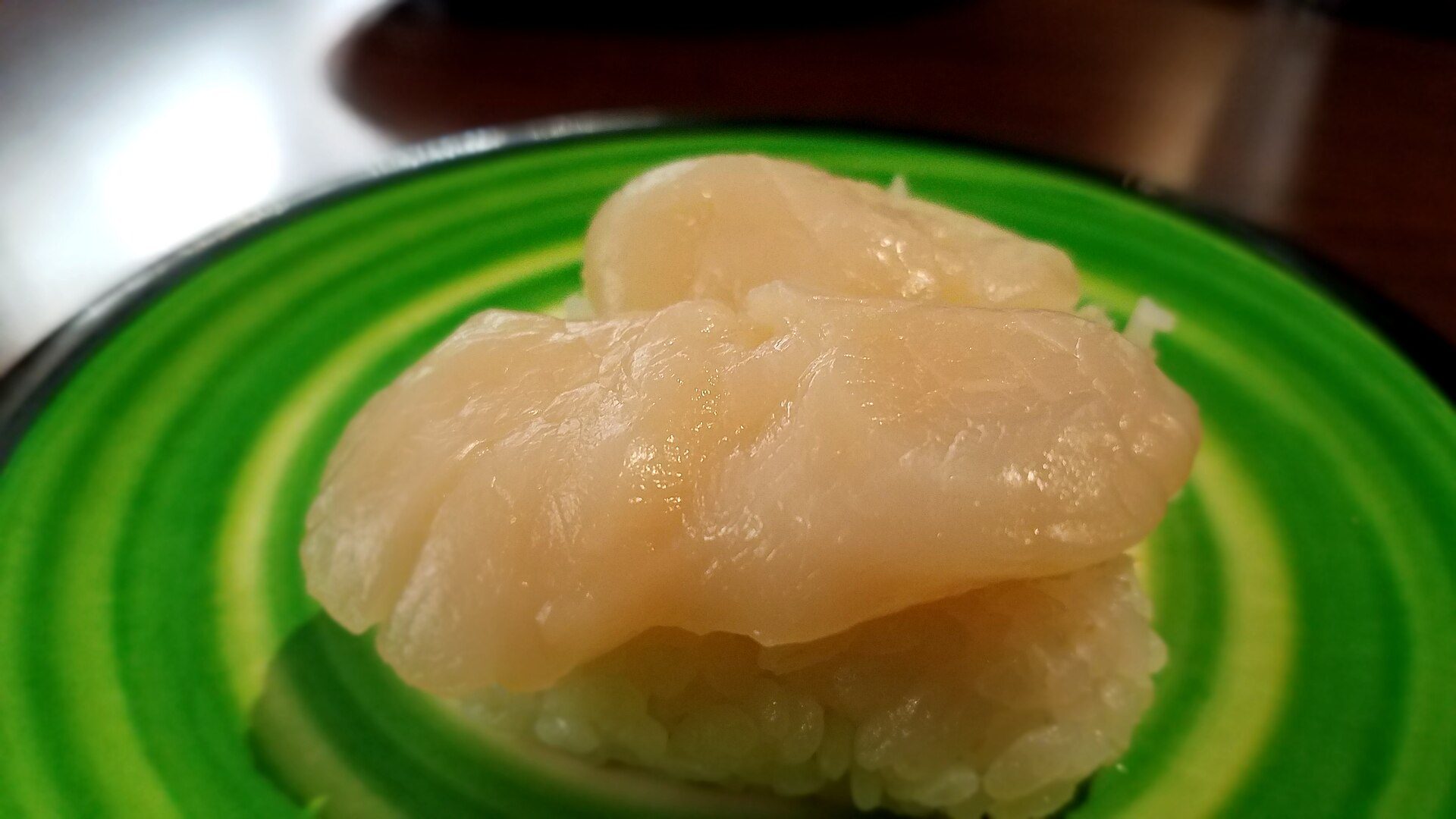
Plot twist: a sushi class often teaches more than just technique. For example, many sessions include a short culture talk about fish sourcing and seasonality, plus chances to try 握り (nigiri, hand-pressed sushi) and 巻き (maki, sushi roll) you made yourself. Most workshops run between 60 and 120 minutes, and they're offered across Tokyo neighbourhoods such as Asakusa and Tsukiji area tours, as well as in Osaka near Namba and Abeno.
What to expect in a sushi workshop
Know that feeling when you finally press rice around a slice of fish and it sticks together? Trust me on this one: mastering that tiny skill gives you bragging rights. Classes are often taught by chef-instructors who trained in sushi restaurants, and many outfits let small groups book private lessons for couples or families. The best part? You can practice greeting phrases and food words in romaji while you work. But that's not all.
Matcha making in Tokyo and Osaka: ceremony, whisking, and tasting
What most people don't know is that matcha workshops aren't limited to Kyoto. For example, Tokyo and Osaka venues now offer 30 to 90-minute sessions where visitors learn how to whisk matcha, understand grade differences, and taste processed leaves from Uji and other tea-producing areas. Uji in Kyoto remains the historical heart of matcha production, and many Tokyo and Osaka classes include comparisons so you can smell the differences.
How the lesson connects to language learning
Trust me on this one: learning words like usucha and koicha in romaji during a tea session helps those terms stick in your memory because you're associating vocabulary with action. Pro tip: book weekday mornings if you want a quieter, more intimate tea lesson. Sounds good, right?



One-hand BENTO: a new permanent store and the rise of portable meals
Direct address: If you love convenience and design, take a close look at the one-hand bento trend. That's why a recent initiative opened its first permanent store in Abeno, Osaka, to showcase compact, easy-to-eat bentos designed for commuters and busy travellers. The store features grab-and-go layouts, examples of portion control, and options that highlight regional ingredients.
My tip? Try ordering a one-hand bento and use the moment to practice ordering phrases in romaji with staff, or to compare packaging styles between Tokyo and Osaka. The best part? This new retail model turns everyday eating into an experience you can book or plan around. But that's not all.
How to book and combine these experiences
Question: How do you turn curiosity into a full day of Japan-style food tourism? The reason's simple: combine a morning matcha workshop, a sushi class at midday, and a bento discovery walk in the afternoon. Many tours and individual providers list availability on TripAdvisor Experiences and similar booking sites, and some local agencies offer private transportation and bilingual instruction on request.
Insider tip: check cancellation policies and group size before you book. What I especially like is that small-group lessons give you more practice time and chances to ask vocabulary and cultural questions in romaji. Wait, there's more.
Frequently Asked Questions
Are sushi and matcha classes suitable for beginners?
Yes. Most workshops are designed for beginners and include hands-on guidance plus basic cultural background.
How long do typical food experiences last?
Sessions usually run 30 to 120 minutes depending on depth and whether tasting is included.
Sources
- Abeno Keizai Release on food tourism initiatives
- TripAdvisor Travellers' Choice and Best of the Best