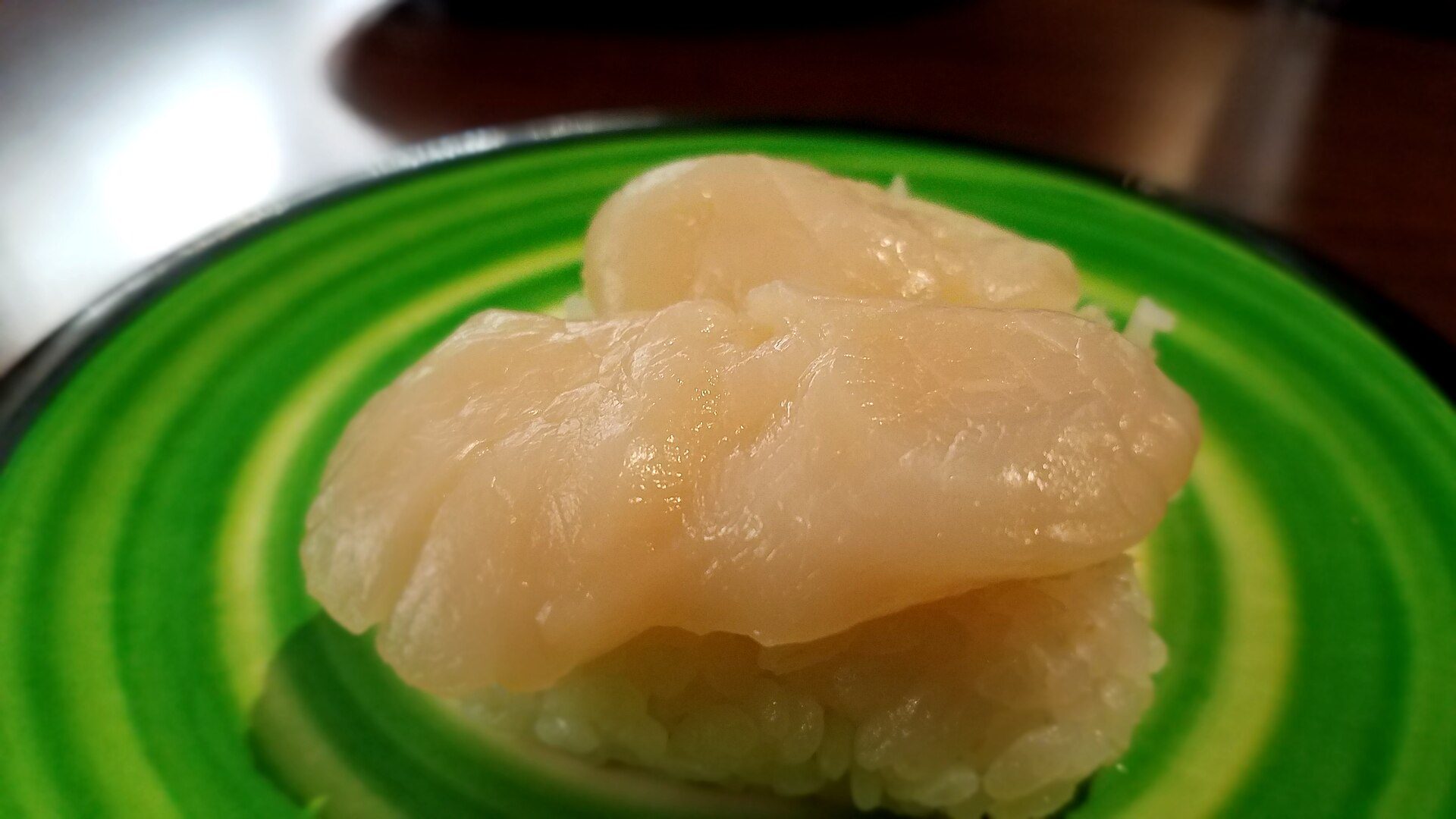
What makes it stand out is the full rhythm of the experience, from rolling sushi to a sake ritual and finishing with whisked 抹茶 (matcha, powdered green tea). Classic Japan, isn’t it?



Why Asakusa Works So Well for a Sushi and Matcha Experience
Ever wondered why Asakusa keeps showing up on Tokyo travel lists? It’s got the kind of street-level atmosphere many visitors hope to find, with temples, shopping lanes, and a pace that feels slower than Shibuya or Shinjuku.
That makes it a natural setting for a food class that also leans into culture. You’re not just making lunch, you’re stepping into a compact Tokyo experience that feels rooted in place.
Asakusa sits in Taito City, on Tokyo’s eastern side, and it’s one of the easiest neighbourhoods to pair with a half-day sightseeing plan. You can spend the morning around Senso-ji, then head into a studio for a sushi class without losing the feeling that you’re still in historic Tokyo. Sounds good, right?
What to Expect from a Tokyo Sushi Making Class
I still remember exactly how these kinds of classes usually work, because the best ones are built around doing, not watching. You start with a welcome, a short explanation of ingredients, and a quick run-through of the tools, then you get straight into shaping and rolling.
In a Tokyo sushi-making class like the one in Asakusa, the teacher typically walks you through the basics of 握り (nigiri, hand-pressed sushi) and 巻き (maki, roll; rolled sushi). You learn how to handle the rice, place the fish or filling, and use just enough pressure so the sushi holds together without getting crushed.
Here’s the kicker: this is also where Japanese language learners get a sneaky bit of practice. Words like シャリ (shari) for sushi rice, 海苔 (nori) for seaweed, and 巻きす (makisu) for the bamboo rolling mat are easy to remember because you’re using them with your hands, not just reading them on a list. My tip: say the words out loud as you cook, and they stick much faster.
Small Details Make a Big Difference
Compared with back home, sushi making in Japan often feels less theatrical and more precise. The emphasis is on balance, freshness, and presentation, not giant rolls or heavy sauces.
That difference matters in a class setting, because you start noticing things like rice temperature, knife handling, and how the instructor talks about shape and texture. For learners, that creates a nice bridge between language and real-life culture, which is exactly the kind of jpnerd usecase that works well. Personally, I think that’s what makes it so memorable.
The Sake Ritual and Why It Changes the Mood
By the way, the sake ritual is more than a drink break. Depending on the class format, it can include a short ceremonial-style explanation, a respectful pour, and a moment that shifts the pace from practical cooking into something more seasonal and social.
Japan has a long history of ritual around food and drink, and sake often appears in settings where hospitality matters. Even in a short tourist class, the guide may explain basic manners, such as pouring for someone else instead of topping up your own cup. That detail alone says a lot about Japanese social habits.



Speaking of which, this part is especially useful for learners who want cultural context, not just vocabulary. Knowing why a pour matters, or why people pause before drinking, gives you a better feel for the language used in polite situations. To be fair, that’s hard to get from apps alone. My verdict: it adds a lot of depth.
Whisked Matcha at the End Feels Like a Proper Finish
Did you know that whisked matcha is one of the simplest ways to experience Japanese tea culture without needing a full tea ceremony lesson? A bamboo whisk, hot water, and green tea powder are enough to create that bright, frothy cup people love to photograph.
In a good class, the final matcha segment is calm and deliberate. You may be shown how to sift the powder, add water at the right temperature, and whisk in a quick wrist motion until a fine foam appears on top.
For example, the word 茶筅 (chasen, tea whisk) refers to the whisk, and 茶碗 (chawan) means the tea bowl. Those terms are easy wins for Japanese learners because they’re tied to a physical object you can hold, see, and use. It’s a small thing, but it makes the experience feel more memorable.
What I especially like is that finishing with matcha after sushi and sake creates a neat arc. You move from savoury to ceremonial, from hands-on cooking to quiet sipping, and the whole thing ends on a very Tokyo note. Highly recommended: if you enjoy food experiences that feel structured but not stiff, this format hits the sweet spot.
Who This Experience Suits Best
Here’s the catch: this isn’t just for serious cooks. It works well for first-time visitors, couples, solo travellers, and Japan fans who want something more grounded than a standard sightseeing stop.
It also suits learners who want a bit of language exposure without pressure. You hear practical Japanese terms, see how etiquette is explained, and connect those words to real actions. That makes the lesson useful even after the plates are empty.
If you’re building a Tokyo itinerary, Asakusa is a smart base for this kind of activity. You can combine it with temple visits, river walks, or a late afternoon train ride elsewhere in the city. My tip: book a class that includes clear English guidance, because that lets you focus on the experience rather than guessing your way through it.
If you want more Tokyo-focused travel and culture coverage, take a look at more Japan news on jpnerd.com.
Frequently Asked Questions
Is this a good first cooking class in Tokyo?
Yes, it is beginner-friendly and usually easy to follow.
Do I need any cooking experience?
No, most classes are designed for complete beginners.
Can Japanese learners get anything out of it?
Yes, you will hear useful food and culture words in context.