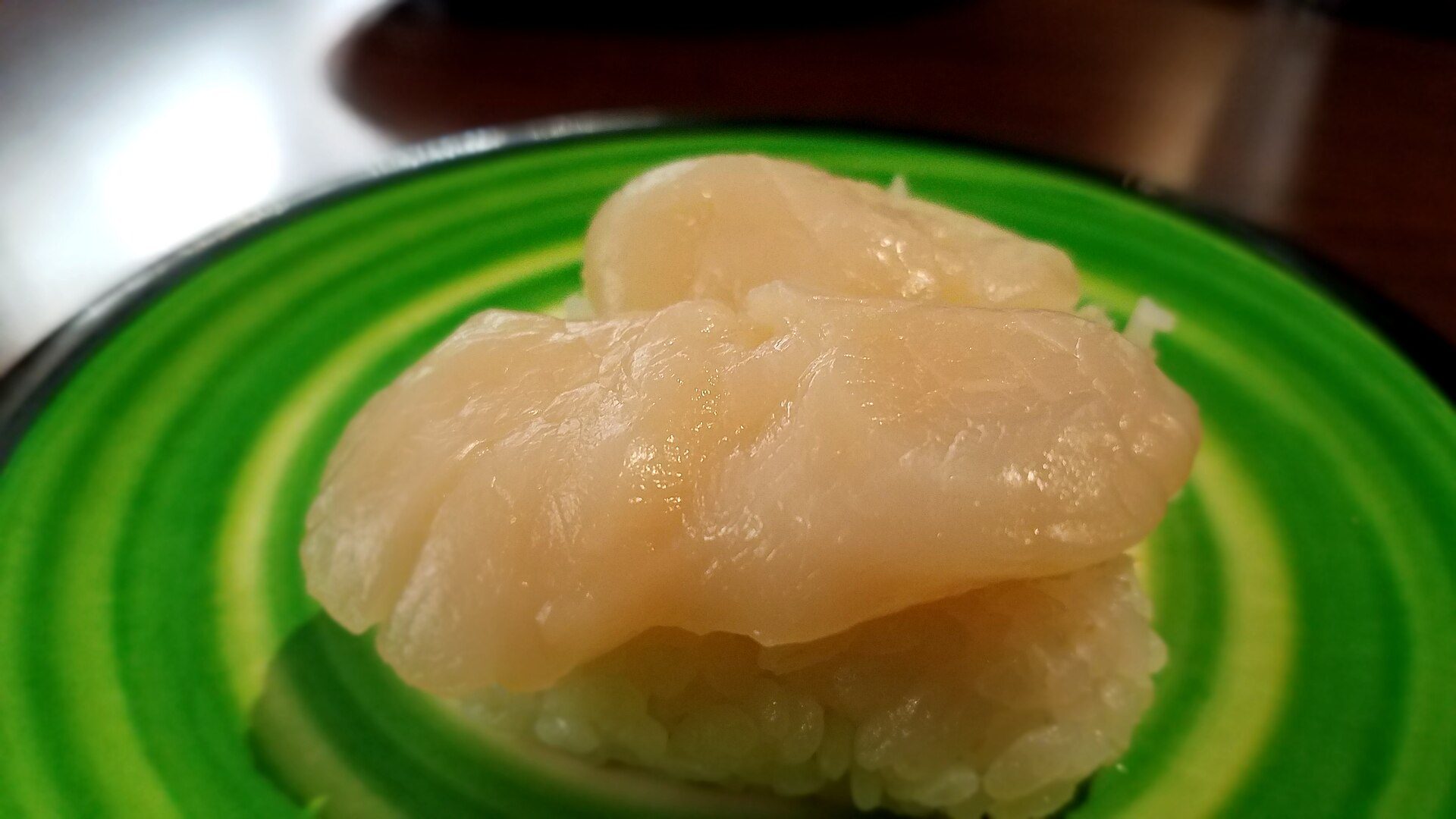
What Exactly Is Chicken Sashimi?
In Japanese, the dish is called 鶏刺し (torisashi, chicken sashimi) – and yes, it is exactly what it sounds like: thin slices of raw or very lightly seared chicken breast, thigh, or even liver, served with soy sauce, ginger, and sometimes sesame oil. The word 刺身 (sashimi, sliced raw food) is familiar to most Japan learners as the term for raw fish, but the same preparation logic applies here: ultra-fresh, carefully broken down, and presented with minimalist precision.
The dish is especially popular in Kagoshima and Miyazaki prefectures on the southern island of Kyushu, where local chicken breeds like Satsuma Jidori are raised specifically for raw consumption. Restaurants in these regions source their birds from certified farms that maintain strict hygiene standards, and the chickens are slaughtered and processed under controlled conditions designed to minimise bacterial contamination – most critically Campylobacter, the pathogen that makes raw poultry dangerous in most contexts.
How Is It Safe to Eat?
Every first-time visitor asks this question. The short answer is: it depends heavily on sourcing, handling, and freshness. Certified torisashi-grade poultry in Japan must be processed within a tightly controlled cold chain and is often served within just a few hours of slaughter. Some establishments use a technique called tataki (たたき) – where the outside is briefly seared while the inside stays raw – which reduces surface bacteria while preserving the soft, almost silky texture that fans of the dish prize. That said, Japan's Ministry of Health, Labour and Welfare has repeatedly issued warnings about the risks, and there have been documented Campylobacter outbreaks linked to raw chicken dishes in Japan, notably in 2011 and again around 2016–2017, when stricter regulations on liver were introduced.
Tasting Chicken Sashimi on Camera: The YouTube Deep-Dive
The video that reignited English-language interest in torisashi comes from a YouTube food exploration video in which the host visits a specialist restaurant and samples several cuts of raw chicken – breast, thigh, gizzard, and heart – while documenting the texture, flavour, and his honest reaction to each piece. What makes the video compelling is the absence of sensationalism: rather than playing it up as a dare, the host treats it as a genuine culinary investigation, asking staff about sourcing and preparation before taking his first bite.
The flavour notes are surprisingly nuanced. Raw chicken breast, he reports, has almost none of the strong flavours you might expect – it's mild, slightly sweet, and texturally closer to very fresh tuna than to cooked poultry. The thigh, with more fat marbling, is richer and more gelatinous. The offal – liver and heart – is where the dish becomes more polarising, carrying a mineral intensity that isn't for everyone. For Japan learners, it's worth knowing the vocabulary on izakaya menus: 砂肝 (sunagimo, chicken gizzard) and レバー (rebaa, liver) appear frequently and are good words to recognise before ordering blind.
Raw Chicken in Japanese Food Culture: More Than Just a Dare
It would be a mistake to view torisashi purely as shock-value street food. In its home region of Kyushu, it's a genuinely respected dish with centuries of culinary tradition behind it, tied to local pride in high-quality native chicken breeds. Kagoshima's Satsuma Jidori chickens, for instance, are a recognised branded product – similar in cultural standing to Kobe beef – birds raised free-range for a minimum of 135 days under prefecture-specific welfare standards.



The dish also reveals something important about Japanese food philosophy more broadly: the concept of 鮮度 (sendo, freshness) is treated almost as a moral value in Japanese culinary culture. The logic behind torisashi isn't recklessness – it's the belief that an ingredient of sufficient quality and freshness should be experienced as close to its natural state as possible, a principle that runs through sashimi, beef carpaccio (gyuutataki), and even raw egg over rice (tamago kake gohan).
Should You Try It as a Visitor?
If you're visiting Kagoshima or Miyazaki and find a well-regarded izakaya that specifically advertises certified torisashi, the risk – while not zero – is considerably lower than ordering raw chicken at a random restaurant elsewhere. Avoid it entirely if you're pregnant, immunocompromised, or travelling outside the specialist regions. It's also worth knowing that since 2012, raw chicken liver has been officially banned from restaurant menus in Japan following a fatal O157 outbreak, so any establishment offering raw liver today is operating in a legal grey area.
Japanese Vocabulary Recap for Food Adventurers
If this culinary detour has inspired you to explore Japanese food culture further – or to actually visit a Kyushu izakaya – here's a quick vocabulary roundup to take with you. You've already got 鶏刺し (torisashi), 刺身 (sashimi), 砂肝 (sunagimo), and レバー (rebaa). Add 居酒屋 (izakaya, Japanese pub/gastropub) – the kind of casual restaurant where you're most likely to encounter these dishes – and you've got a solid starter vocabulary for navigating the more adventurous corners of a Japanese menu.
For more unusual corners of Japanese cuisine and pop culture, check out more Japan news on jpnerd.com.
Frequently Asked Questions
Is chicken sashimi (torisashi) legal in Japan?
Serving raw chicken meat itself is not banned, but raw chicken liver has been prohibited in Japanese restaurants since 2012 following food-safety incidents. Torisashi made from breast or thigh meat remains legal and is still served at certified restaurants, primarily in Kagoshima and Miyazaki prefectures.
Can tourists safely eat chicken sashimi in Japan?
It carries a real, if relatively low, risk when sourced from a reputable certified restaurant in Kyushu. Healthy adults who choose a specialist establishment with certified torisashi-grade chicken take on a much smaller risk than eating random raw poultry. People who are pregnant, elderly, or immunocompromised should avoid it entirely.
What does raw chicken taste like as sashimi?
According to tasters – including the host of the YouTube video linked in this article – raw chicken breast is surprisingly mild and slightly sweet, with a texture closer to fresh tuna than cooked chicken. Fattier cuts like thigh are richer, while offal cuts like gizzard and heart carry a stronger, more mineral flavour.