Overview
The Andorra Travel Boom is best understood as a travel-story lens on a bigger Japan trend: more visitors are choosing Japan for long-haul holidays, and the country is handling that surge in very visible ways. In 2025, foreign arrivals in Japan reached about 42.68 million, a new record and a 15.8% increase year on year, while congestion tightened around major hubs such as Tokyo, Kyoto, and the Shibuya and Shinjuku districts. If you are trying to make sense of the Andorra Travel Boom guide angle, the practical takeaway is simple: Japan is popular, busy, and still full of rewarding corners if you plan with a bit of care.
What makes this especially interesting is the mix of old and new forces behind it. Japan had already moved beyond pre-pandemic visitor levels by 2024, then 2025 pushed the trend further. The weak yen has also made the country more attractive for shopping, hotels, and rail travel, while individual visa-free travel reopened in October 2022 and helped the rebound gather speed. For anyone following Andorra Travel Boom news, the big picture is not just that more people are coming. It is that the whole travel rhythm of Japan is shifting around them.
And there is another layer here… this boom is not only about the famous cities. Tourism is spreading into regions such as Tohoku, Kyushu, and Shikoku, helped by regional promotion and infrastructure investment. That means the experience of Japan is becoming both more crowded in the classics and more interesting off the beaten path, which is exactly the kind of balance curious travelers tend to love.
What is driving the surge?
A few factors keep showing up again and again. First, there is international demand. China and South Korea remain leading source markets for Japan’s post-pandemic rebound, while the United States, Taiwan, Hong Kong, Southeast Asia, and Europe are also contributing strongly. Second, there is access. Japan has benefited from increased international flight capacity and eased airport slot restrictions, which makes the long-haul journey less of a logistical hurdle than it once was. And third, there is value. The weak yen has been a major draw for visitors who want better relative prices for shopping, stays, and transport.
That last part matters more than it may sound. Tourism spending in Japan reached 5.3 trillion yen in 2023, surpassing the 2019 record of 4.8 trillion yen, and that money flows into hotels, trains, restaurants, 旅館 (ryokan, traditional inn), department stores, convenience stores, and local specialty shops. So when people talk about an Andorra Travel Boom japanisch lernen search term or an Andorra Travel Boom kanji query, they are often really looking for ways to read travel information, signage, and booking details more comfortably in the real-world Japan travel environment.
Where the pressure is felt most
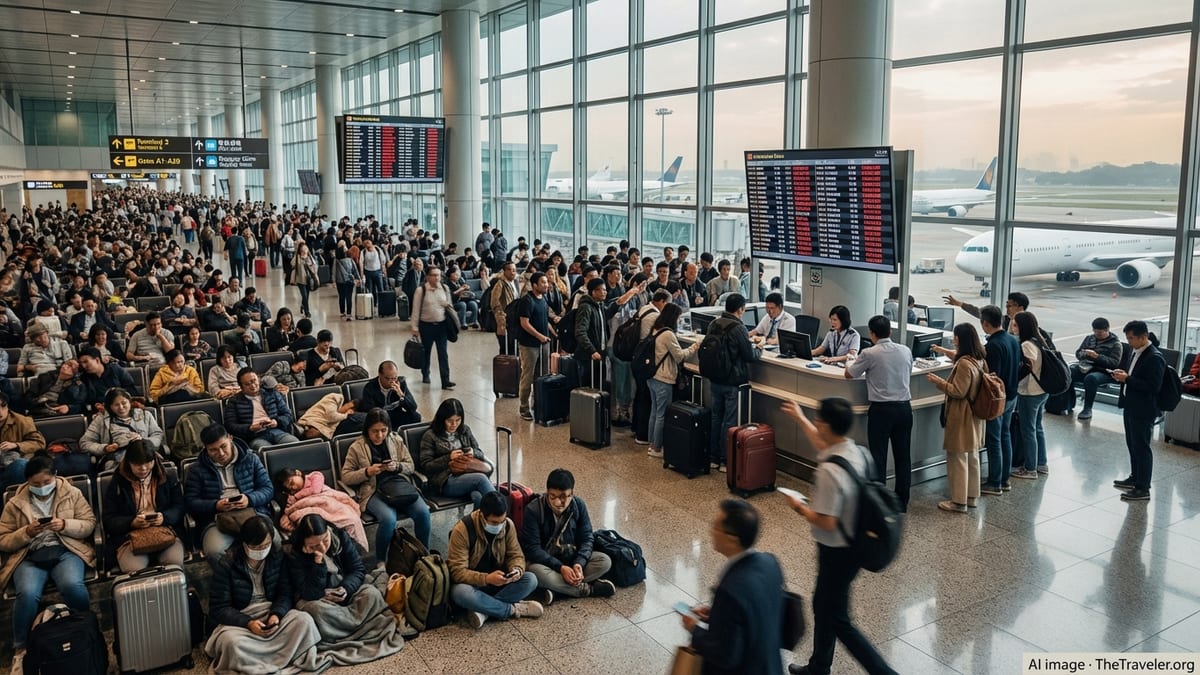
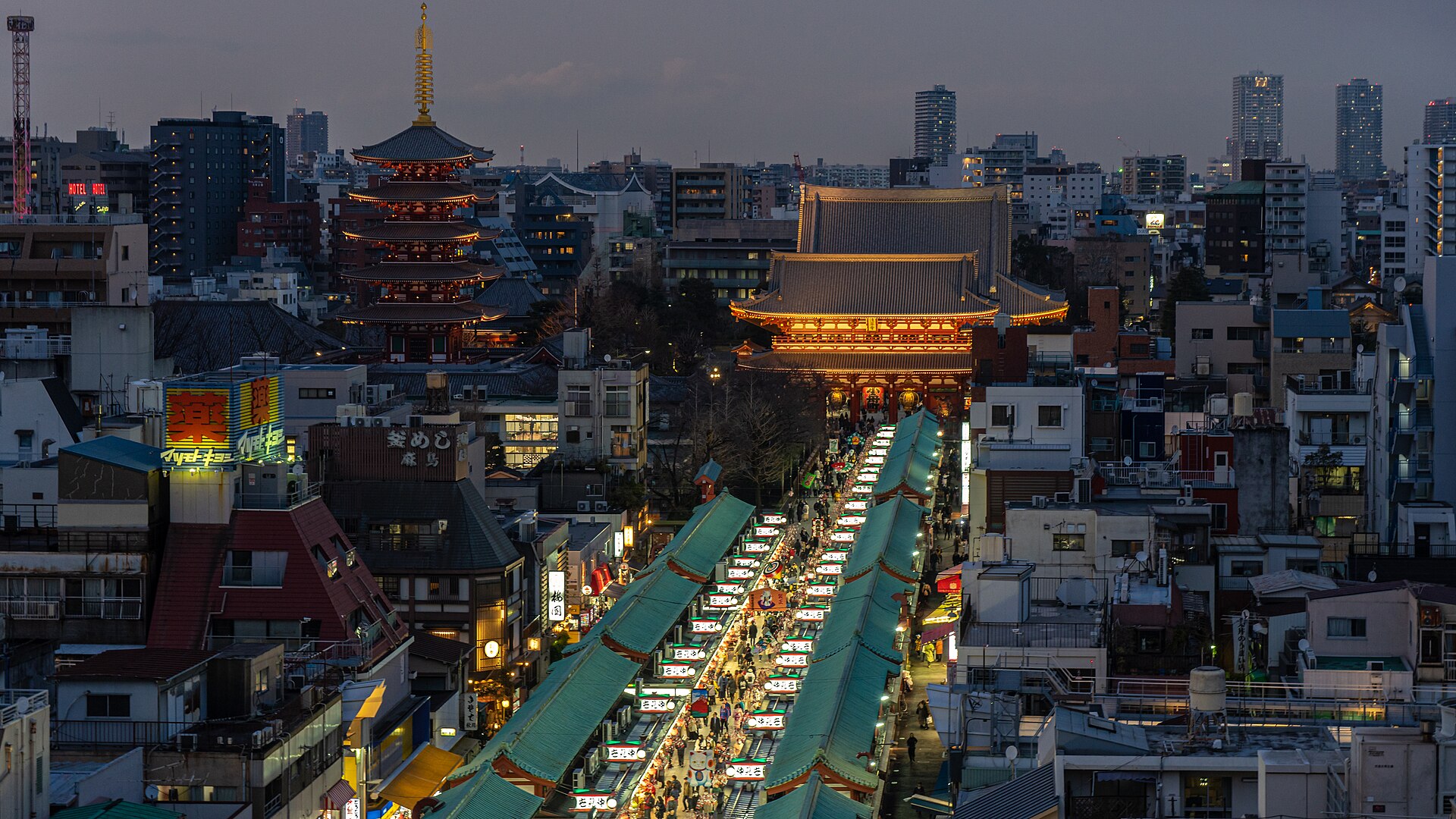
The strongest pressure is concentrated in the obvious places. Tokyo, Kyoto, Osaka, and Fukuoka are seeing especially heavy tourism activity, with hotspots like Shibuya, Asakusa, Shinjuku, Namba, and Gion feeling the strain most clearly. Airports and major transport nodes such as Narita, Haneda, and Kansai are also nearing capacity limits during peak periods. If you travel during Golden Week, cherry blossom season, autumn foliage season, or around major festivals and sporting events, the crowds can swell even further.
And yes, that can be tiring. But it also tells you where the energy is. If you want the classic first-timer Japan experience, these are still the places where the country’s travel culture is most visible, most active, and most layered. The trick is knowing what kind of experience you want: a lively urban trip, a quieter regional stay, or a mix of both.
Food, bookings, and small hands-on experiences
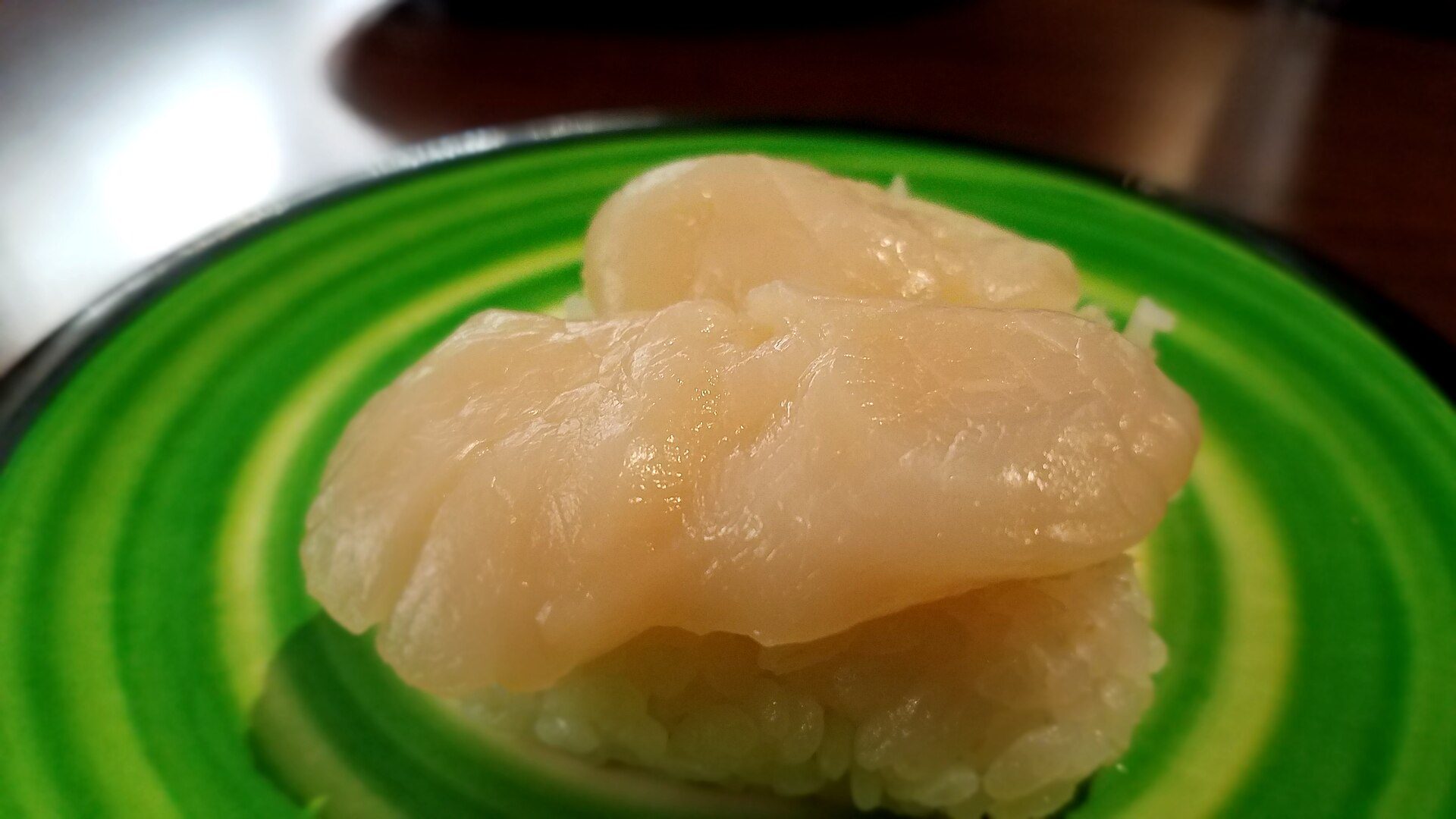
One of the nicest parts of this boom is the rise in bookable food experiences. Sushi-making classes and matcha workshops are popular in Tokyo and Osaka, and they fit Japan’s travel style beautifully because they turn a meal into a memory, a class into a small cultural exchange. Sushi-making classes in places like Asakusa, Shibuya, and near Tsukiji often run for 2 to 3 hours and can cost around 90 to 150 euros per person. That is not a casual lunch, but it is a very Japan kind of experience: precise, welcoming, and often guided by food tourism trends in Japan that keep growing because people want something hands-on.
This is where a few useful travel terms come in. A 予約 (yoyaku, reservation; booking), meaning a reservation, is especially important for classes and popular dining spots. A ryokan, a traditional inn, is another common part of the visitor experience, especially when travelers want something more atmospheric than a standard hotel. おもてなし (omotenashi, Japanese-style hospitality), the thoughtful style of hospitality often associated with Japan, helps explain why these experiences feel so polished even when they are busy. And if you are studying the trip itself, 計画 (keikaku, plan; arrangement), meaning a plan, becomes your best friend… because popular slots disappear fast.
How to experience the trend without getting swallowed by it
If you are planning your own Japan trip in the middle of this travel boom, I think the smartest approach is to mix famous places with lesser-known ones. Stay a few nights in a major city if you want the full rush of it, then add a region such as Tohoku, Kyushu, or Shikoku where the pace can feel calmer and the travel reward often feels bigger. That does not mean skipping Tokyo or Kyoto altogether. It means treating them as anchors, not the whole story.
It also helps to travel with patience. Book transport and accommodation early when you can, avoid the biggest surge periods if your schedule allows, and remember that the busiest hubs are busiest for a reason. They are excellent, layered, and alive. But beyond that, Japan’s tourism boom is opening up more chances to explore the country in different ways, from city food tours to regional rail trips and quieter local neighborhoods that do not get all the headlines.
If you are reading this because you are trying to decode Andorra Travel Boom news, the core message is reassuring: yes, Japan is busier than before, but it is also more varied, more accessible, and more rewarding if you travel with curiosity. And once you do that, you will eventually find your own Japan.
Related places and experiences to keep in mind
- Tokyo for food tours, shopping, and easy access to workshops
- Kyoto for temples, traditional streets, and high seasonal demand
- Osaka for lively city travel and hands-on food experiences
- Fukuoka for a major urban base with strong regional connections
- Tohoku, Kyushu, and Shikoku for quieter trips and regional depth
Frequently Asked Questions
What is driving Japan’s current travel boom?
Japan’s boom is being driven by strong foreign demand, a weaker yen, easier access after visa-free individual travel reopened in October 2022, and increased flight capacity.
Which places in Japan are most crowded right now?
Tokyo, Kyoto, Osaka, and Fukuoka are among the busiest areas, with places like Shibuya, Shinjuku, Asakusa, Namba, and Gion seeing especially heavy pressure.
Is Japan still worth visiting despite the crowds?
Yes. The country is more crowded in major hubs, but tourism is also spreading to regions such as Tohoku, Kyushu, and Shikoku, which gives travelers more ways to shape their trip.
What kinds of experiences are popular with visitors now?
Food experiences such as sushi-making classes and matcha workshops are very popular, especially in Tokyo and Osaka.
Why do reservation-based experiences matter so much in Japan?
Because many popular classes and travel experiences need a yoyaku, or reservation, and the busiest slots can fill quickly during peak travel periods.