
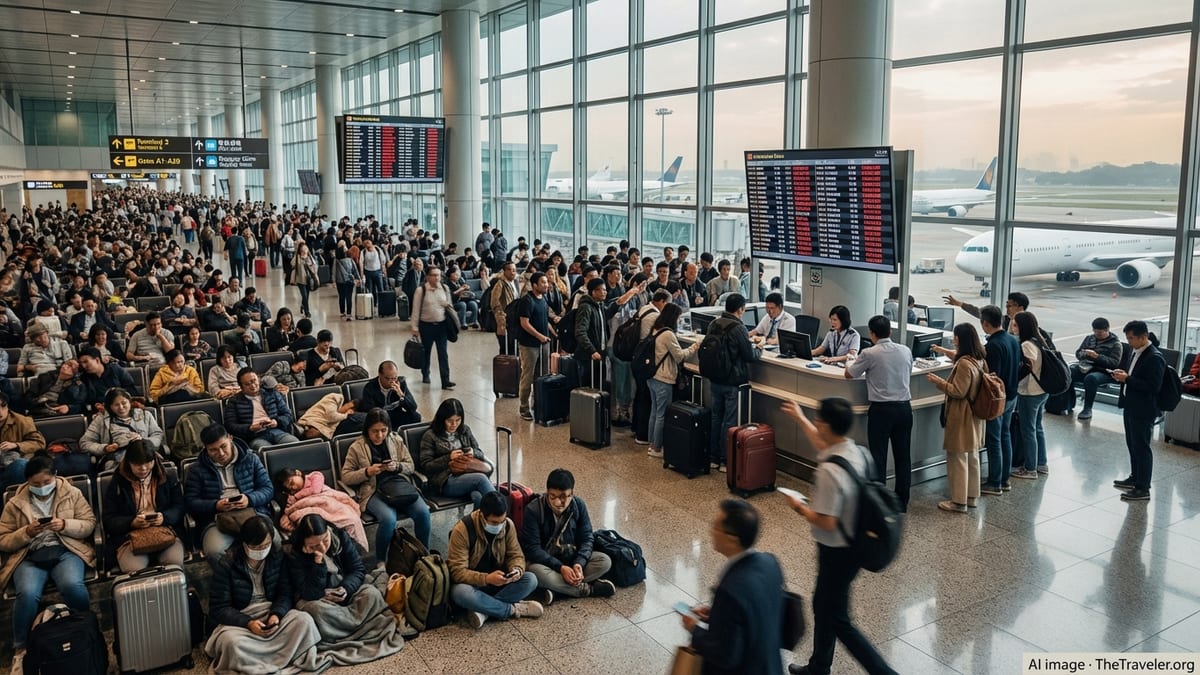
What most people don't know is that the crowds aren't just about famous sights. Flight capacity, a weak yen, and a huge rebound in international demand are all pulling people into the same places at the same time.



Japan Tourism Boom 2025 Is Hitting the Big Hubs Hard
Guess what? Japan’s travel comeback has turned into a full-on surge, and 2025 is shaping up to be the year when the pressure really shows. The biggest stations, airports, and sightseeing districts are busy from early morning until late at night, especially in Tokyo, Kyoto, Osaka, and the ski and nature gateways in 北海道 (Hokkaido, Hokkaido).

The key point is simple: Japan has moved beyond its pre-pandemic visitor baseline. According to recent travel reporting, the country has not just recovered, it’s overtaken old records in many months, helped by strong inbound demand from Asia, North America, and Europe. That kind of growth sounds great on paper, but on the ground it means fuller trains, tighter hotel inventory, and longer lines at the places everyone already wanted to see.
While we're at it, this isn't only about sightseeing. It's also about logistics. When the same handful of hubs absorb most arrivals, everything downstream feels the strain, from airport rail links to luggage lockers to restaurant queues near major stations. Classic Japan, isn't it?
Tokyo to Hokkaido, the Same Pressure Points Keep Reappearing
It's early morning in Kyoto. The platform is already busy, a tour group is looking for the right train, and a couple is trying to decode a ticket machine in real time. That scene now feels familiar across the country, because the flow of visitors often starts in Tokyo, then fans out to Kyoto, Osaka, Hiroshima, and Hokkaido rather than spreading evenly.
Tokyo still acts like the main gateway
Tokyo remains the obvious entry point for many first-time visitors. 羽田 (Haneda, Haneda) and 成田 (Narita, Narita) handle huge volumes, and the city offers a dense mix of business hotels, capsule hotels, museums, shopping, and day trips, so people naturally stay there first. Shibuya, Asakusa, Shinjuku, and Ginza absorb wave after wave of travellers, and you can feel it in everything from packed crosswalks to busy ramen shops.
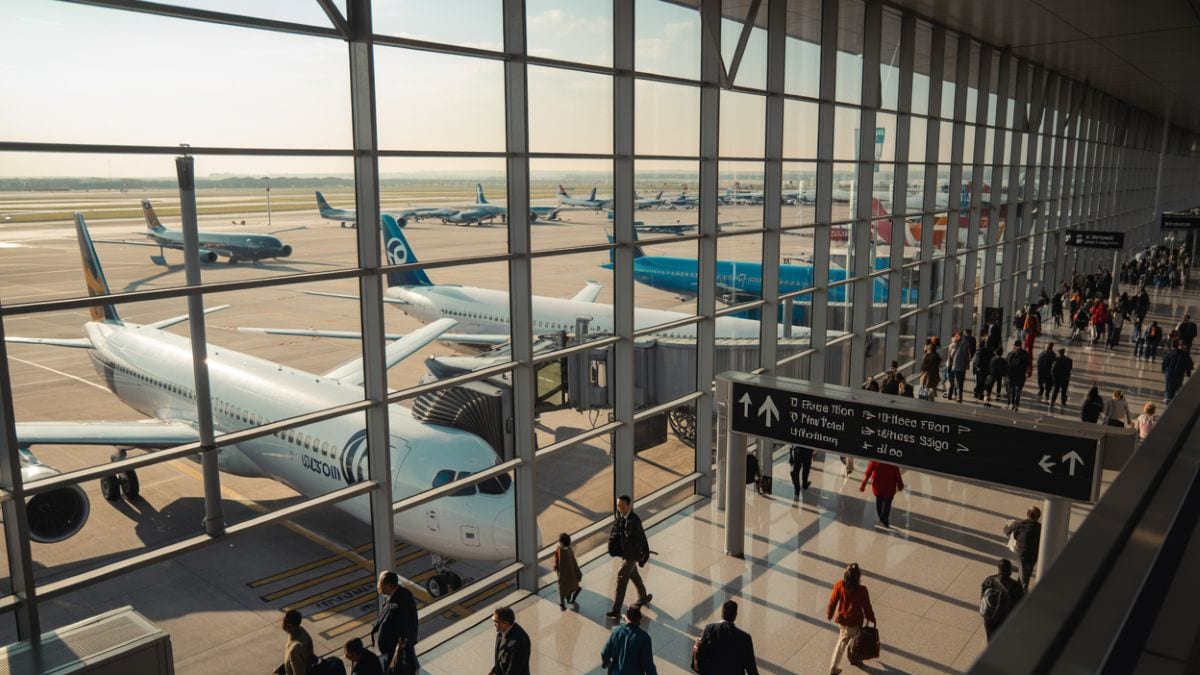
Compared with back home... many visitors are surprised by how concentrated the crowds are. A single neighbourhood can feel like a festival, while just a few train stops away things calm down fast. My tip: if you want a less stressful Tokyo stay, sleep near a major but not top-tier hub like Ueno or Kichijoji, then head into the big-name areas early. From my experience...
Hokkaido is booming for a different reason
That reminds me: Hokkaido has its own crowd story. Sapporo, Niseko, Otaru, and Furano pull in winter sports fans, food lovers, and summer road trippers, and the region has become a major escape valve for travellers who want nature after a few days in the cities. The irony is that even when people leave Tokyo, they often still gather in the same famous spots once they arrive up north.
Here’s the catch: Hokkaido is big, but transport between highlights can still be slow without a car or a well-planned rail itinerary. If everyone books the same ski resort or the same flower field bus, bottlenecks appear fast. Insider tip: build one or two backup options into your route, especially in peak snow and summer seasons. Wait, there's more.



Why the Pre-Pandemic Benchmark Has Been Surpassed
Seriously though: the rebound is being driven by a few clear forces. The yen has stayed relatively weak for foreign visitors, which makes meals, hotels, and shopping feel cheaper than they did a few years ago. Add improved flight networks, pent-up travel demand, and a strong global appetite for Japan content on social media, and you get a very crowded result.
Hotels in central Tokyo and Kyoto have felt the impact first. Rates can jump sharply on weekends, during school holidays, and around major events. Ryokan with limited room counts are especially vulnerable, because once they fill, there’s no extra capacity to add. That scarcity is one reason travellers now book farther ahead than they used to, and why spontaneous city-hopping can get expensive fast.
For Japanese language learners, this boom is also a practical classroom. You’ll hear words like ようこそ (yokoso, welcome), 切符 (kippu, ticket), 順番 (junban, order; queue), 満員 (manin, full; packed), and yoyaku all the time in stations and hotels. Even if you only know a few phrases, recognising them makes travel smoother, and it’s a nice reminder that real-world language is often about signs, timing, and polite problem-solving, not just textbook dialogs.
What Travellers Should Do Differently in 2025
Basically: plan earlier, move earlier, and stay a little smarter. If you want Tokyo, book near a transit line that connects cleanly to the areas you want, not just the cheapest room you can find. If you want Kyoto, consider arriving before the day-tripper rush and visiting famous districts like Arashiyama or Gion either very early or later in the evening.
That applies to Hokkaido too. Want snow festivals, ski resorts, or flower fields? Lock in transport and rooms well in advance, because the most visible places are exactly where the crowd pressure is strongest. Wild, isn't it?
What I especially like is that Japan still rewards flexibility. Once you step away from the most photographed streets, the country opens up fast. Smaller stations, local bakeries, neighbourhood bathhouses, and regional museums can feel almost empty compared with the big-name hubs, and that contrast is part of the charm. That's why... smart travellers don't just chase the top ten list, they mix it with side streets and quieter towns.
My advice is to think in layers. Use Tokyo as a gateway, pick one or two major anchors like Kyoto or Hokkaido, then leave space for a less crowded stop in between. You’ll still see the classic Japan sights, but you won’t spend half your trip in queues. From my experience...
Frequently Asked Questions
Why are the main travel hubs in Japan so crowded in 2025?
Visitor numbers have rebounded strongly, and many travellers still follow the same well-known routes through Tokyo, Kyoto, Osaka, and Hokkaido.
Is Japan busier than before the pandemic?
Yes, recent travel figures show that Japan has moved beyond pre-pandemic levels in many periods, especially in popular gateway cities.
How can travellers avoid the worst crowds?
Book early, visit major sights outside peak hours, and include smaller neighbourhoods or regional stops in your itinerary.


