For Japan fans, that matters because Fukuoka isn't just a stopover near the airport or cruise port. It’s a city with deep history, a strong local identity, and plenty of useful vocabulary for learners who want to talk about travel, food, and daily life in Japan.

Fukuoka off the map puts Kyushu in the spotlight
Fukuoka off the map is the kind of travel update that makes you look south, not just at Tokyo and Kyoto. The original piece from Fukuoka Now ties into a wider conversation about why Fukuoka works so well as a place to live, visit, and build a routine around.

According to What Makes a Life in Fukuoka Possible?, local panellists shared personal recommendations and links to their work through the same Fukuoka Now project. That tells you a lot about the tone here. This isn't just sightseeing for sightseeing's sake; it's about how the city actually functions, and why people keep choosing it.
No wonder, because Fukuoka has long sat at a crossroads. It’s the largest city on Kyushu, and Japan Cheapo notes that it also has a dual identity, with Hakata still used as a common alternative name. For Japanese learners, that’s a useful reminder that place names in Japan often carry layers of history, not just map labels.
My tip: learn the pair fukuoka and hakata together, because you'll hear both in station names, transport routes, and local conversation. Convinced yet?

Why Fukuoka feels different from bigger Japanese cities
Here's the thing: Fukuoka doesn't try to overwhelm you. It’s big enough to feel urban, but compact enough that the basics still make sense quickly, which is one reason it keeps appearing in travel planning for people who want an easier entry point into Japan outside the usual golden route.
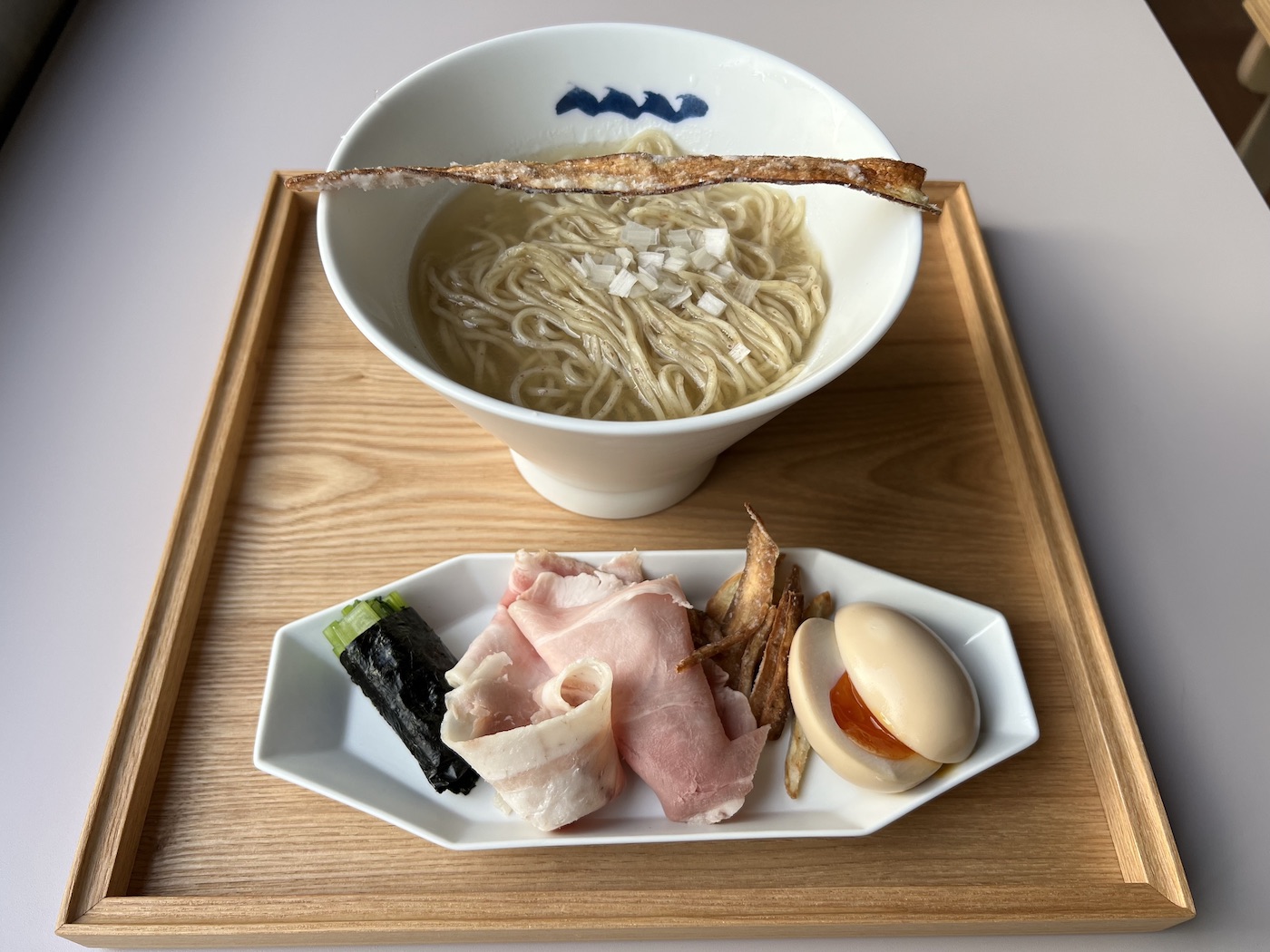
Speaking of which, the city sits close to Japan's neighbours Korea and China, so it has historically been a gateway city. Wikipedia's history section notes archaeological remains linked to official and diplomatic activity in the area, including the Koro-kan, a government guest house found in Fukuoka. That background adds depth to a place many visitors first meet through 拉麺 (ramen, ramen noodles), ports, and shopping streets.
A great example: if you are studying Japanese, Fukuoka is a nice place to notice practical language in action. Words like 駅 (eki, station), バス (basu, bus), and 地下鉄 (chikatetsu, subway) show up constantly, but so do local distinctions such as hakata and fukuoka. That kind of detail helps you understand how Japanese speakers anchor everyday geography.
Let's be honest: cities feel more memorable when they have both convenience and character. Fukuoka has a reputation for exactly that, and that's what makes travel writing about it feel less like a checklist and more like a conversation. Personally, I think that balance is the city's biggest strength.

Travel details that matter for visitors
That brings us to the practical side. Fukuoka Airport's official site is a useful starting point if you're planning arrival or onward travel, because the city is known for being easy to reach and easy to move around once you land. For cruise visitors, that convenience matters even more, since port access and city transport can shape the whole day.
Here's the deal: Japan Activity's Fukuoka Cruise Port Guide highlights a few practical tips that are worth keeping in mind. Typhoon season runs from August to October, cash is still widely used, and carrying 1,000 yen notes and coins can make taxis and buses much smoother to handle. Free Fukuoka City Wi-Fi also covers the cruise terminal, which is a nice bonus for anyone trying to sort maps, trains, or a quick message home.
Insider tip: if you're reading Japanese travel content, notice how often transport vocabulary does the heavy lifting. Phrases like access, terminal, and itinerary may look simple, but in Japan they often decide whether a trip feels relaxed or rushed. Fukuoka's setup makes it easier to keep things relaxed.

What I especially like: Fukuoka doesn't demand a complicated plan. You can build a day around food, stations, waterfronts, and neighbourhoods without spending half your time in transit. My verdict: that is exactly the sort of city many Japan fans are hoping to find.
What Japan learners can take from this Fukuoka update
Ever wondered why some places stick in your memory faster than others? Fukuoka does that because its name keeps coming up in different contexts, from local life and history to airports, ports, and regional identity. That's useful for language learners, since repeated exposure in varied settings helps vocabulary settle in.
Imagine a narrow alley in Tokyo. Now swap in a more open, coastal city with a calmer pace and a stronger regional personality. Fukuoka gives you that contrast, and it helps explain why regional Japan is so rewarding to study. Terms like kyushu, hakata, basu, eki, and chikatetsu aren't just words to memorise; they're part of a lived map.
My tip: read travel updates like this with a notebook nearby. Write down place names, transport words, and any expressions you see more than once. You'll start noticing how Japanese travel language repeats patterns, and that makes the next article easier to understand. Personally, that is one of the smartest ways to turn a travel story into a study tool.
In pictures

Frequently Asked Questions
Why is Fukuoka often called a good starter city for Japan travel?
It is large, but still manageable. That combination makes it easier to navigate than many bigger Japanese cities.
Is Fukuoka mainly useful for short visits?
No. It works well for short trips, but it also has enough depth, transport, food, and history to support longer stays.
What should Japan learners notice in stories about Fukuoka?
Pay attention to place names, transport terms, and how local identity is described. Those details build real-world vocabulary fast.