
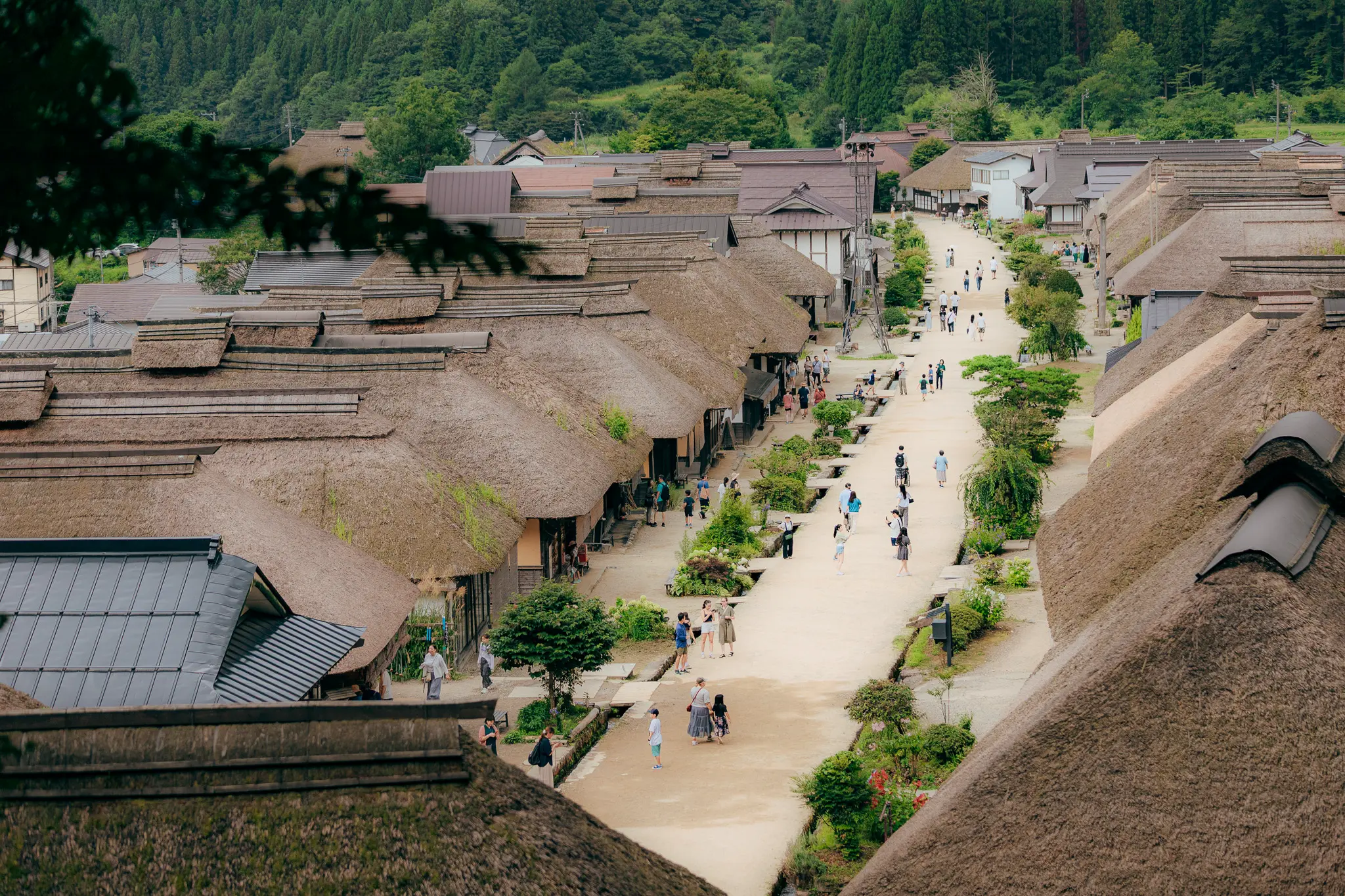
History of Ryokan Onomichi Nishiyama
Ever wondered why some ryokan feel frozen in time? Ryokan 尾道 (Onomichi, Onomichi) Nishiyama opened in 1943 as the Nishiyama Annex during a turbulent year in Japan's modern history. The building has stayed in the Nishiyama family, functioning as a reception house and lodging for locals and visitors, and it still carries the air of 昭和 (Showa, Shōwa era)-era hospitality. Wait, there's more.
No joke: the year 1943 matters because the annex survived wartime shortages and postwar rebuilding. This means many original fittings were kept rather than replaced. The reason is simple: the family prioritised continuity, and today guests can see those choices in intact interiors and authentic details. See what I mean?
Architecture and Interiors: A Look Inside
Question: what makes the architecture here stand out in a city known for temple paths and slopes? The answer lies in modest, well-proportioned rooms, wooden beams and corridors that frame views of Onomichi's narrow streets and the 瀬戸 (Seto, Seto) Inland Sea. Classic Japan, isn't it?
Rooms and Historical Furniture
Guess what? Many rooms still feature 畳 (tatami, tatami mats)-style layouts and low wooden chests that date back to the annex's opening. The furniture includes long wooden 箪笥 (tansu, chest of drawers), sideboards and washstands that show age without feeling tired. My tip: request a room facing the seawall if you're into morning light and quiet harbour views, this is my absolute hidden gem!
Lighting and Decorative Fixtures
Let me show you why the lighting matters: pendant lamps and paper lanterns with fabric shades are preserved from mid-20th century designs, creating a warm, amber glow. A great example is a corridor fitted with original brass fittings and frosted glass, which softens the passage at night. From my experience, that lighting makes the entire place feel like a living film set.
Tea Ware, Dining and Local Craft
Fact: the ryokan keeps a collection of historical tea ware and dining plates used by the Nishiyama family, not just generic replacements from department stores. Guests often comment on Kutani-style and local Arita-influenced patterned dishes, plus simple porcelain cups for tea. And it gets better: some of the tea bowls and serving pieces were acquired in the 1950s and show maker marks you can trace if you love ceramics.
Direct address: if you're a student of Japanese vocabulary, notice words like ryokan, 抹茶 (matcha, powdered green tea), and senkoji in travel guides and hear them used differently here; the hospitality vocabulary is practical and warm. What I especially like is that staff still present tea in small rituals, offering a hands-on lesson in polite language and gesture. From my experience...



Family Story and TV Connection
Anecdote: the Nishiyama family has kept detailed photographs, guestbooks and receipts that map the property's life from 1943 onward. The best part is that a regional TV crew featured the reception house in a local documentary series, highlighting both the family history and preserved interiors. That segment brought new attention to Onomichi's heritage lodging scene.
Question: should fans of Japanese media care? Yes, because seeing an authentic ryokan like this on TV helps learners and fans connect language with setting, from simple greetings to the names of tableware. Take the TV example, for instance; local coverage typically gives timestamps, interviews and room tours that make it easy to follow on video. See what I mean?
How to Visit and Language Learning Tips
Ever wondered why visiting small ryokan helps your Japanese? Staying at family-run places forces you to use phrases like o-hairi-kudasai and arigato, and you pick up cultural rhythms faster than in big hotels. My tip: bring a small notebook and ask staff the names of items you notice, such as chabudai or tansu, written in romaji only if that helps your early learning.
Direct address: planning logistics, Onomichi is in Hiroshima Prefecture and accessible by JR lines from Hiroshima Station in about 45 minutes on local and rapid services. The city is famous for its Senkoji temple hill, cat alleys and ferry links to nearby islands. This place sits well for exploring on foot after checking in. Wait, there's more.
Guess what? Visiting a preserved ryokan like Nishiyama teaches pronunciation, listening and polite form naturally because staff expect simple, respectful interactions. Sounds weird, but it's true.
Frequently Asked Questions
Where is the ryokan located?
It is located in Onomichi, Hiroshima Prefecture, near the hill paths and the Seto Inland Sea.
When did the ryokan originally open?
The building opened in 1943 as the Nishiyama Annex and has been maintained by the Nishiyama family.
Can I see the original furniture and tea ware?
Yes, the ryokan preserves historical furniture, lighting and tea ware, and some items are on display for guests.


