

Market snapshot: 185 companies and 108 people mapped
Did you know that an industry map now lists exactly 185 companies and 108 people involved in luxury Japan travel? Richard Mort's LinkedIn map is the source, and the numbers tell you the market is organised but not saturated. No exaggeration: that density still leaves room for niche operators and creativity.
Trust me on this one: those 185 companies range from global hotel groups to small boutique designers. The reason's simple: luxury means different things to different travellers, from private onsen hires to Michelin-guided food tours. Convinced yet?
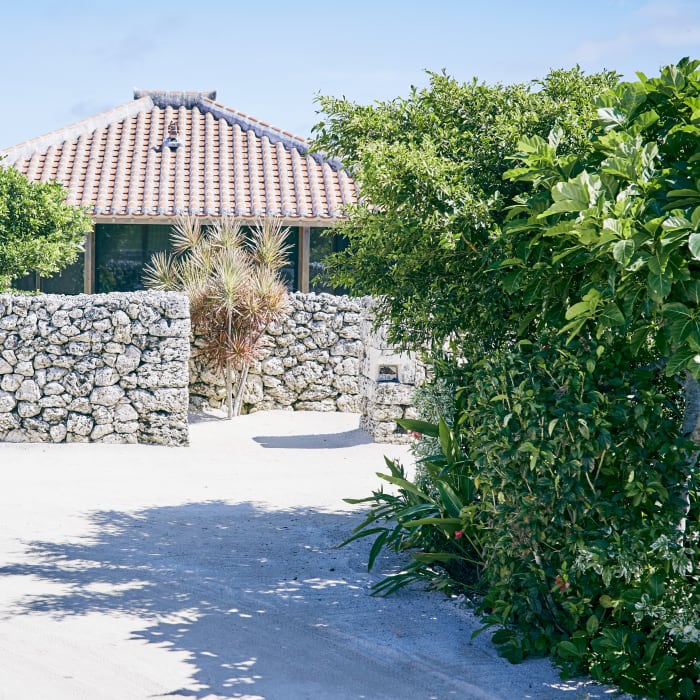
Top players: hotels, ryokan groups and high-end DMCs
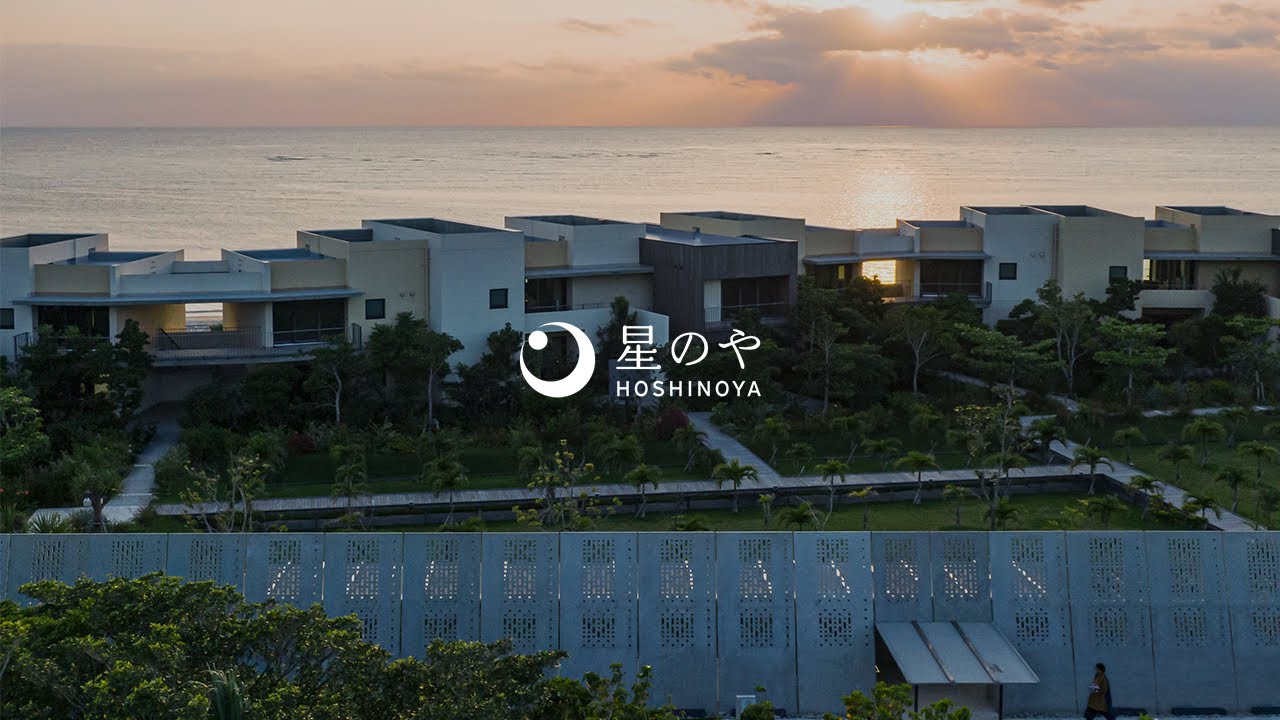
The first time I went to Japan, I focused on the headline hotels, and those still matter. Brands like Aman Tokyo (aman.com), Hoshinoya Tokyo (hoshinoya.com), Park Hyatt Tokyo, The Ritz-Carlton Kyoto, and Four Seasons Kyoto are cited most often by planners and wealthy travellers. Classic Japan, isn't it?
Picture this: private villa takeovers in Kyoto, chartered 新幹線 (shinkansen, bullet train) experiences, and exclusive tea ceremony lessons arranged by concierge teams. The big hotel groups and established DMCs such as JTB and Hoshino Resorts set the baseline for service, while independent luxury agencies add creativity. Sounds good, right?
Boutique agencies and individuals
Plot twist: the map highlights 108 individual professionals too. These are tour designers, luxury concierges, and private guides who sell bespoke experiences. Before I forget, these people are often the ones who can combine language practice, cultural depth, and private access into a single package.
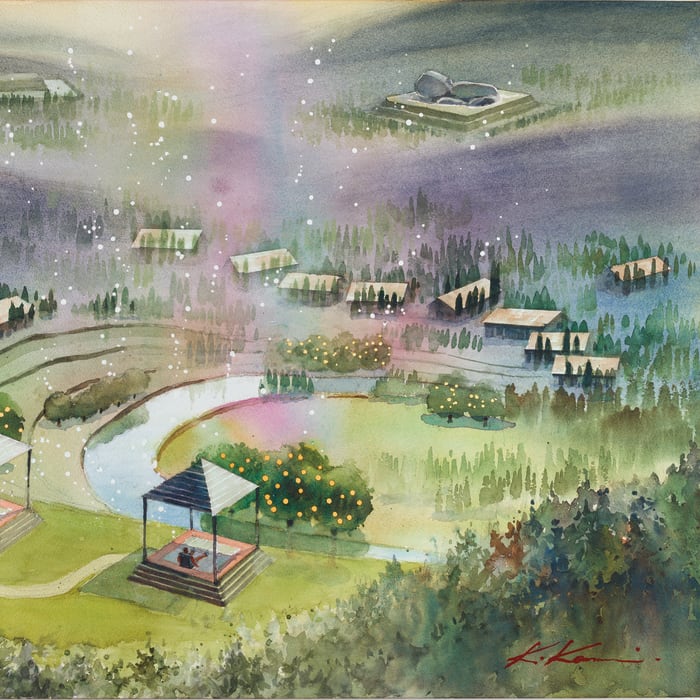
Where the open market gap is: the opportunities
Question: where can a new entrant add value in a market this refined? The answer's regional depth and language-led travel. Many packages still focus on Tokyo and Kyoto, leaving premium experiences in places like Tohoku, Shikoku, and Kyushu underrepresented.
The best part? Combining luxury stays with immersive language learning would hit a sweet spot. Imagine a week where mornings are private 敬語 (keigo, honorific language) coaching, afternoons are guided local market visits, and evenings are chef-led 会席料理 (kaiseki, traditional multi-course meal) dinners at a private ryokan. My tip: offer small-group trips with an emphasis on Japanese vocabulary practice, local dialect exposure, and etiquette coaching. See what I mean?
Here's the catch: building trust in local operators and training staff to support non-Japanese speakers takes time. The reason's simple: high-net-worth travellers expect flawless service and cultural authenticity at the same time. Not bad, right?



How language learners and Japan fans fit into luxury travel
Direct address: you, the Japan fan or language student, have more options than ever. By the way, luxury travel providers increasingly include tailored learning opportunities, like private calligraphy sessions, onsen etiquette briefings, and language tutors who can come to your villa.
Did you know that curated learning experiences boost both travel satisfaction and retention rates for operators? What I especially like is when a trip blends practical language use with real cultural practice; learners leave with new words, memories, and contacts. Trust me on this one: practicing keigo at dinner with a private instructor changes the way you travel afterwards.
Plot twist: sustainable, wellness, and regional luxury segments are prime areas for innovation. Operators who can arrange private train cars, seasonal experiences like 桜 (sakura, cherry blossoms) or 紅葉 (koyo, autumn leaves) viewing, and local lessons in a respectful, high-end way will win clients. Sounds good, right?

By the way, if you're creating or selling luxury Japan travel, think about partnerships with language schools, tea masters, and local artisans. The collaboration model is a real market differentiator. See what I mean?
No exaggeration: the market map shows strong supply, but it also points to clear, addressable gaps. For Japan learners who crave depth, this is a great time to plan a trip that teaches as much as it delights. Convinced yet?
In pictures
Frequently Asked Questions
Is luxury Japan travel expensive?
Short answer: yes, premium experiences usually cost more, but you can choose short high-value options like private lessons or single-night ryokan stays.
Can language learners find trips that include lessons?
Short answer: yes, look for bespoke programs or ask agencies to combine private tutors with cultural activities.


